Your poinsettia was a showstopper just a few days ago. Now it's dropping leaves and looking sad. This poinsettia care guide breaks down what the plant needs and how to fix the most common problems.
University extension programs confirm that over 80 percent of poinsettia failures involve watering mistakes or temperature stress. As of 2026, breeders have introduced over 100 commercial varieties, but the core care requirements remain the same. The colorful bracts are modified leaves, not petals.
The true flowers are the tiny yellow cyathia at the center. Once you recognize those signals, the rest falls into place.
Quick Answer
Poinsettias need bright indirect light and consistent moisture. Check soil before watering. Keep them away from cold drafts.
The ideal range is 60 to 70 degrees Fahrenheit. Most leaf drop stems from overwatering or sudden cold exposure.
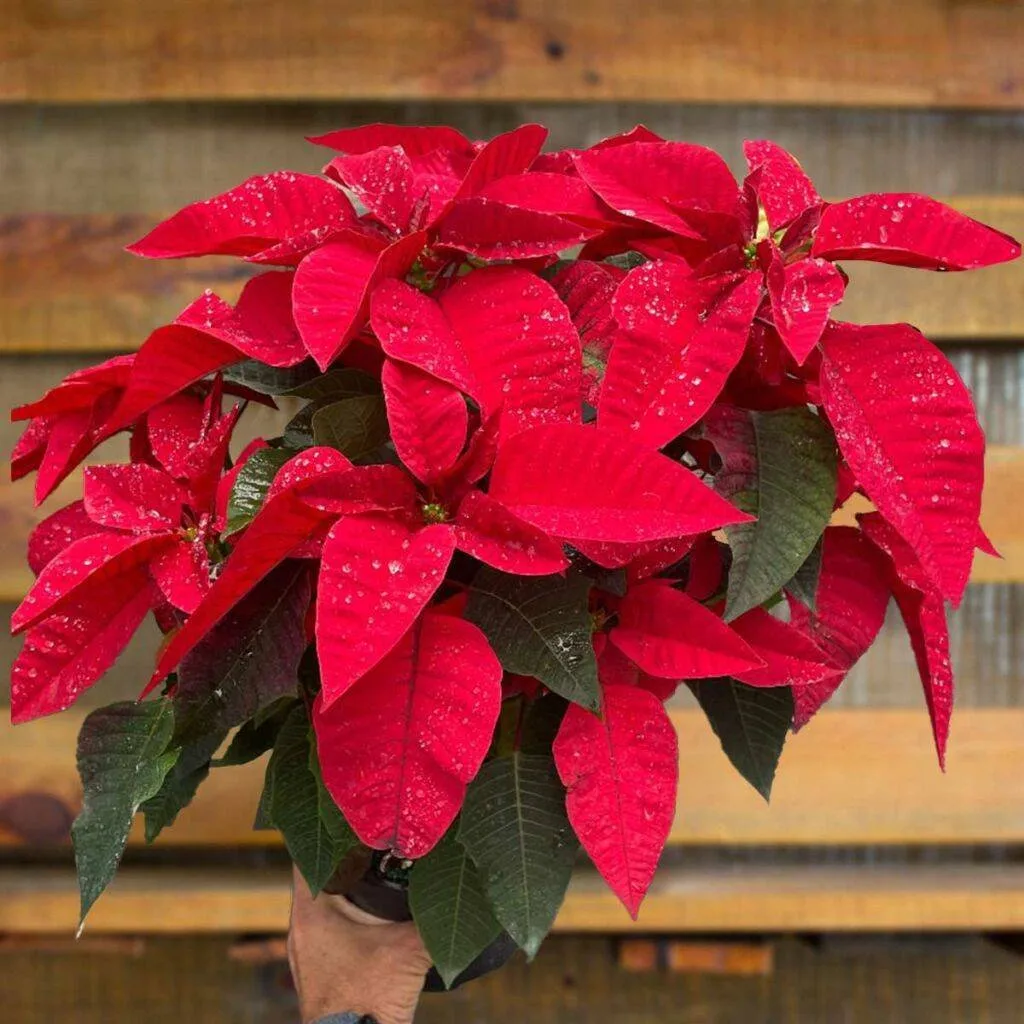
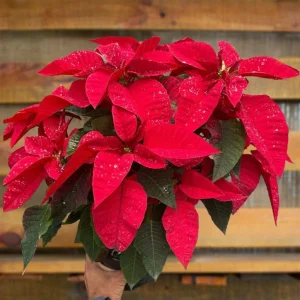
Image source: Web (Bing) / forgetmenotflowermarkets.com (Web image (fair-use with source credit))
Symptom Checker: What Your Poinsettia Is Trying to Tell You
Drooping stems and wilting leaves: thirsty or drowning?
If the stems droop and the leaves feel crispy or dry, the plant needs water. Water thoroughly until it drains from the bottom. If the stems droop but the leaves feel soft or mushy, the roots are likely rotting from overwatering.
In that case, let the soil dry out completely before watering again. Check the pot for drainage holes first. No drainage means repotting needs to happen immediately.
Yellow leaves: where does the yellowing start?
Yellow leaves at the bottom of the plant are normal aging. Remove them and move on. Yellow leaves throughout the plant, especially with soggy soil, point to overwatering.
Yellow leaves with brown edges usually mean too much direct sunlight. Move the plant to a spot with bright but indirect light.
Leaf drop: drafts, shock, or soggy roots?
Leaf drop within 48 hours of purchase is almost always cold shock from transport. The plant was exposed to temperatures below 50 degrees Fahrenheit before you brought it home. If leaf drop happens weeks later, check for drafts from windows, doors, or heat vents.
Also reexamine your watering habits because soggy soil causes leaves to fall.
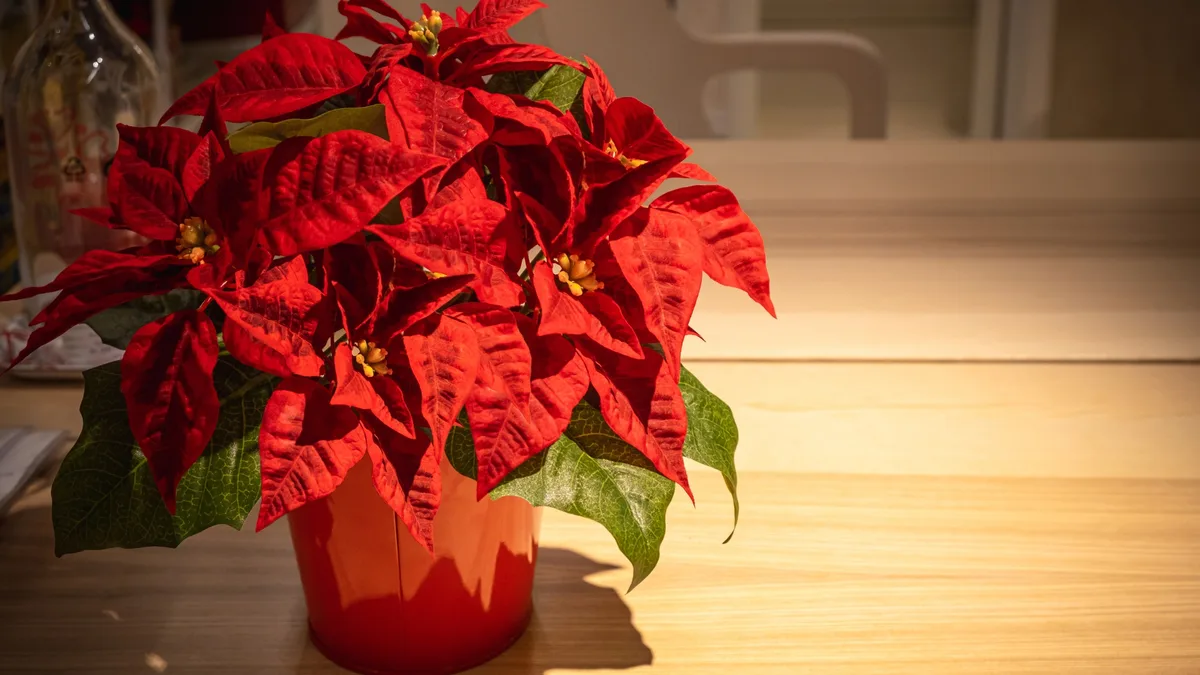
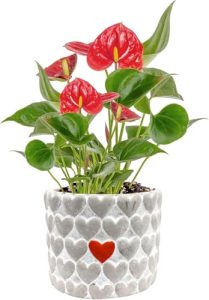
Image source: Web (Bing) / positivebloom.com (Web image (fair-use with source credit))
Fading or green-edged bracts: not enough light
If the colored bracts develop green edges or start fading, the plant isn't getting enough light. Move it to a brighter spot with indirect sunlight. Pale washed-out color can also mean the plant is starving for nutrients.
Resume a regular fertilizing schedule every two weeks.
The Four Care Factors: Light, Water, Temperature, and Soil
Light: where to put it
Bright indirect light from an east or south facing window works best. Direct afternoon sun can scorch the leaves and fade the bracts. Rotate the pot a quarter turn each week for even growth on all sides.
Water: the finger test
Stick your finger one to two inches into the potting mix. If it feels dry, water thoroughly until it runs out the drainage holes. If it still feels damp, wait another day or two.
Empty the saucer after watering and never let the pot sit in standing water.
Temperature: the 60 to 70 degree sweet spot
Daytime temperatures between 60 and 70 degrees Fahrenheit give the best results. Nighttime dips down to 55 are acceptable but not lower. Keep the plant away from drafty windows, exterior doors, and heating vents.
Sudden temperature swings trigger leaf drop within hours.
Soil: well draining is nonnegotiable
A standard peat based potting mix works well. Avoid heavy garden soil or compacted mixes that hold too much moisture. Good drainage is critical for healthy root development.
If your current soil stays soggy for days, repot into a mix that drains faster.
| Factor | Ideal Condition |
|---|---|
| Light | Bright indirect, east or south window |
| Water | Top inch dry before watering, never soggy |
| Temperature | 60–70°F (15–21°C), no drafts |
| Soil | Well draining, peat based mix |
Step-by-Step Poinsettia Care: A Simple Workflow
From the store to your home: the first 24 hours
Remove the decorative foil sleeve or cut holes in the bottom for drainage. Place the plant in bright indirect light away from any drafts. Check the soil moisture.
If it feels dry, give it a drink. Let the plant settle for a full day before fertilizing.
Daily and weekly care during blooming
Check the soil every two to three days by touch. Water when the top inch is dry. Remove any yellow leaves or faded bracts as they appear.
Rotate the pot weekly. A humidity tray or room humidifier helps keep the bracts fresh in dry indoor air.
After the bracts drop: pruning and rest
Once the bracts drop in late winter, cut the stems back to about four to six inches tall. Use clean sharp pruners and cut just above a leaf node. This encourages bushier new growth.
Reduce watering to just enough to keep the soil barely moist. Place the plant in a bright spot until spring.
Repotting and fertilizing in spring
In May, repot into fresh potting mix if the plant looks rootbound. Start fertilizing with a balanced 20-20-20 liquid fertilizer at half strength every two to four weeks. Resume the normal watering routine once you see strong new growth.
Common Poinsettia Mistakes That Kill Holiday Plants
Overwatering: the number one killer
Soggy soil suffocates the roots and invites rot. Water only when the top inch of soil feels dry. If your pot doesn't have drainage holes, repot immediately into one that does.
Aggregate buyer feedback across major retailers consistently reports overwatering as the top cause of death.
Buying a stressed plant
Check the plant before you buy. Look for yellow lower leaves, wilted stems, or damaged foliage. Avoid plants sitting near store doors or in drafty aisles.
A stressed plant often declines quickly after you bring it home.
Leaving the decorative wrapper on
Foil wrappers trap water around the roots. Without drainage, the soil stays wet and rot sets in. Remove the wrapper or cut drainage holes in the bottom.
Always empty the saucer after watering.
Ignoring pests until it's too late
Whiteflies, mealybugs, and spider mites target poinsettias. Check the undersides of leaves when you water. Sticky residue or tiny webs are warning signs.
Isolate any infested plant immediately and treat it with insecticidal soap. Spider mites thrive in dry conditions, so increasing humidity helps prevent them.
How to Rebloom a Poinsettia: The Complete Darkness Plan
What to do after the bracts drop in spring
Prune the stems back to four to six inches. Place the plant in a bright window. Water sparingly until you see new growth.
In May, repot into fresh soil and start fertilizing every two weeks with a balanced fertilizer.
Summer growth and pinching for shape
Pinch back each stem by about an inch when new growth reaches four to six inches. This keeps the plant compact and bushy. Stop pinching after August 15 so flower buds have time to form.
The plant needs uninterrupted growth from that point on.
The October darkness routine: a 10 week timeline
Starting October 1, the plant needs 14 to 16 hours of total darkness every single night. Put it in a dark closet or cover it completely with a black cloth from 5 PM to 8 AM. No light interruption is allowed.
Not even a streetlight or a passing car's headlights. During the day, give it bright indirect light. Continue this routine for 8 to 10 weeks.
What to expect and when
Around late November, small green cyathia will appear at the stem tips. These are the true flowers. Gradually reduce the darkness treatment by a few hours each night.
By mid December, the bracts should be fully colored. Enjoy them through the holiday season.
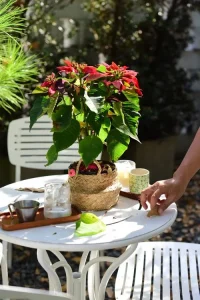
Image source: Web (Bing) / highworthemporium.co.uk (Web image (fair-use with source credit))
According to University of Minnesota Extension research, this photoperiod method remains the most reliable technique for reblooming poinsettias at home. The process mimics the natural light cycles the plant experiences in its native Mexican habitat. Consistency matters more than perfection.
Even one interrupted night can delay or prevent the color change.
Poinsettia FAQs
Is a poinsettia actually toxic to pets and kids?
No. The old myth of deadly toxicity has been debunked by multiple university studies. Poinsettia sap can cause mild irritation, drooling, or an upset stomach if eaten.
But it rarely requires medical treatment. Symptoms usually resolve on their own.
Why does my poinsettia drop leaves within days of buying it?
Cold shock is the most common cause. Poinsettias are tropical plants and suffer below 50 degrees Fahrenheit. Even a few minutes in cold air during transport can trigger leaf drop.
Remove the plant from the wrapper, give it bright light, and keep it warm.
Can I plant my poinsettia outside?
Only if you live in USDA zones 9 through 11. In those zones, it can grow as a perennial shrub. In colder climates, outdoor planting kills the plant at the first frost.
Keep it in a container and bring it indoors during winter.
How long is a poinsettia supposed to last?
With proper care, a poinsettia keeps its colored bracts for two to four months after purchase. The bracts drop naturally as spring approaches. After that, the plant enters a resting period.
You can keep it alive year round.
Why did my poinsettia turn green?
The bracts are leaves, and they require specific light conditions to stay colored. Lack of sufficient light causes them to revert to green. Move the plant to a brighter spot with indirect sunlight.
This usually solves the problem within a few days.
The Final Call: Keep It, Save It, or Compost It?
The decision comes down to one simple test. Check the main stem near the soil line. If it is firm and green, the plant can likely recover.
If it is black, mushy, or hollow, root rot has advanced too far.
Healthy plants with leaf drop usually bounce back. Remove all dead leaves. Place the plant in bright light.
Water only when the soil is dry. Expect new growth within a few weeks.
Plants with severe root rot will not recover. The stem collapses from the bottom up. In that case, composting is the honest choice.
You gave it a try. Next year, look for a plant with strong stems and dense green leaves.
For borderline cases, try pruning the stems back to six inches. Repot into fresh dry soil. Do not water for a week.
If the plant shows new growth after two weeks, you saved it. If not, let it go.
A realistic approach saves you time and frustration. Not every poinsettia makes it to spring. The ones that do offer the satisfaction of a second bloom.
The rest remind you that some plants are seasonal decorations. And that is perfectly fine.