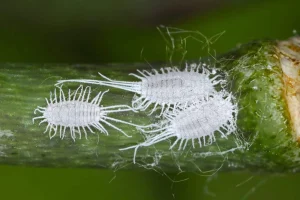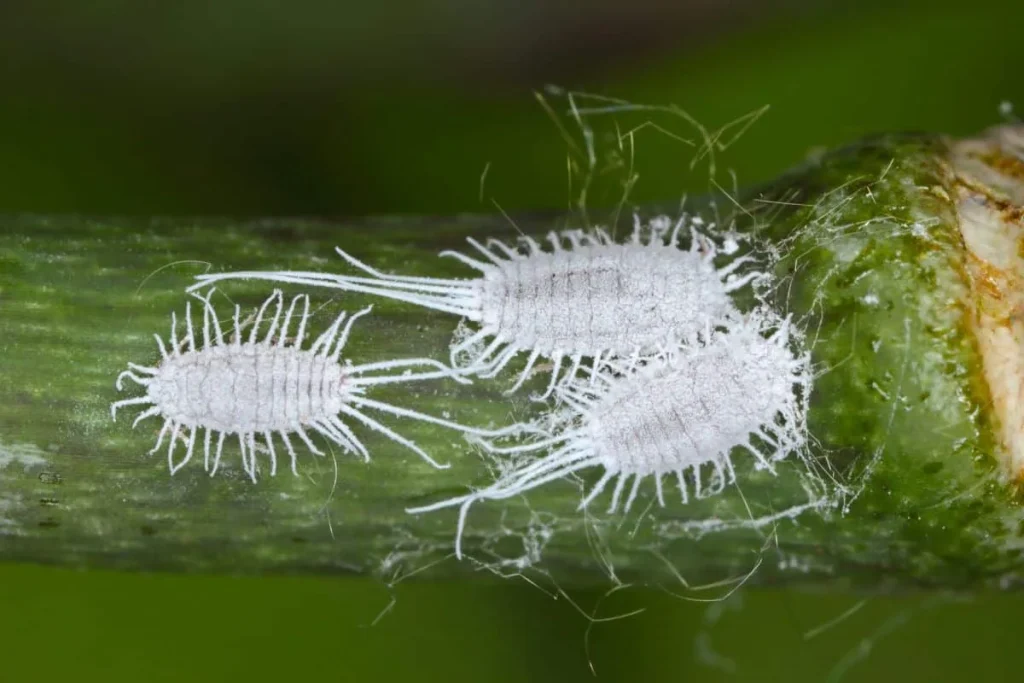
You spot a cottony white clump on your succulent and grab a Q-tip dipped in alcohol. You dab it. The bug dies.
Problem solved, right? Not even close. To truly kill mealybugs, you need to understand you're fighting a cycle, not individual pests.
As of 2026, university extension research still confirms what experienced growers have known for decades: the 7-10 day egg-to-crawler window is the critical target. Miss that window, and you're back to square one. Let's walk through what actually works and why spot-treating alone sets you up for failure.
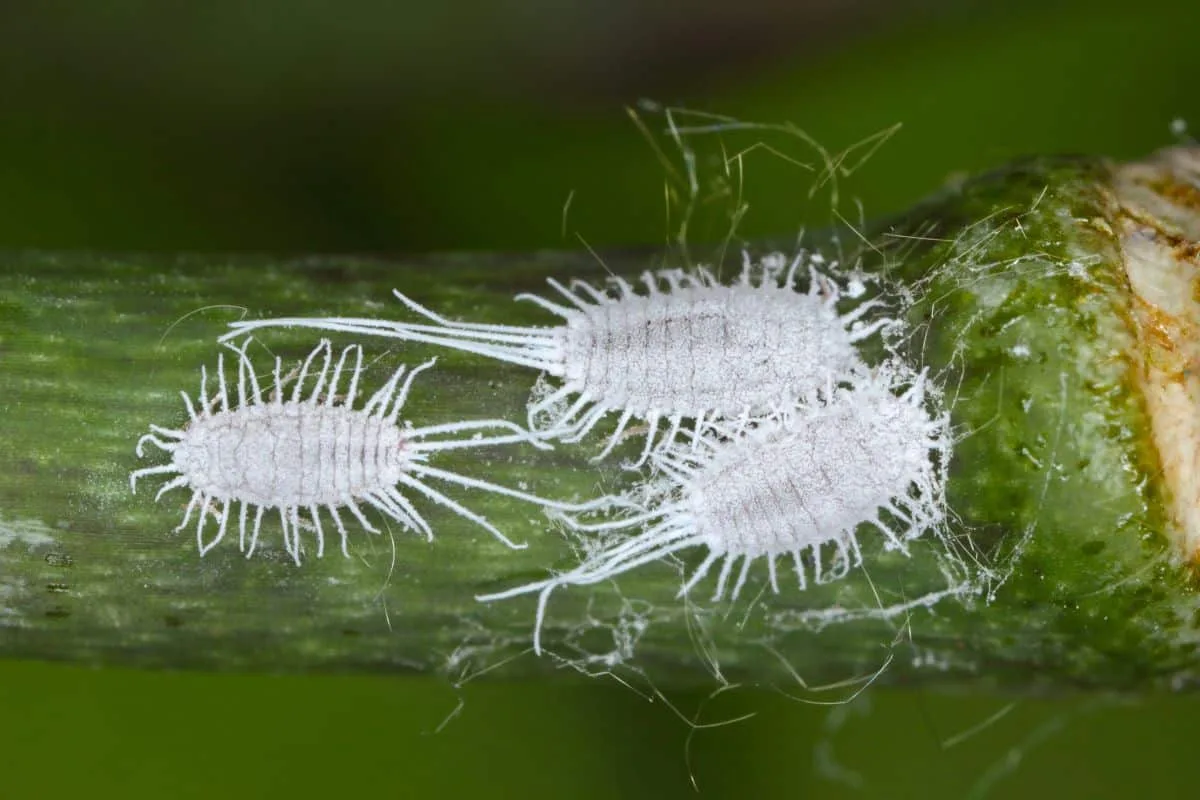
Image source: Bing (Web (fair-use with source credit))
The Real Problem: Why Spot-Treating Alone Never Works
Here's the trap almost everyone falls into. You see a mealybug, you kill it, and you feel relieved. But that visible adult bug is just the tip of the iceberg.
Adult female mealybugs carry an ovisac. That's the cottony egg sac you sometimes see attached to their bodies. Inside that sac can be 100 to 600 eggs.
When you kill the adult, those eggs still hatch. And they do it on a schedule you probably don't expect.
The life cycle of common mealybug species runs about 7 to 10 days from egg to mobile crawler. Those crawlers are tiny, barely visible to the naked eye. They scatter across the plant, into leaf axils, stem crevices, and down into the soil.
By the time you spot them again, they're already adults laying the next generation.
There's another layer to this problem. Mealybugs excrete honeydew, a sticky sugary substance. Ants love honeydew.
So ants will actively protect mealybug colonies from predators and even move them to new parts of the plant. If you see ants crawling on your houseplants, you've got a mealybug problem you haven't found yet.
And then there's the root issue. Some mealybug species, particularly Rhizoecus root mealybugs, live entirely underground. You won't see them until your plant starts wilting for no obvious reason.
Spot-treating the leaves while the roots are infested is like patching a leaky roof while the foundation floods.
This is why a single alcohol swab session never cuts it. You're treating one adult out of hundreds. The eggs, the crawlers, the root colony, and the ants all keep the cycle spinning.
Until you interrupt every stage of that cycle, the mealybugs win.
Quick Answer
Kill mealybugs by targeting their life cycle. Use alcohol for spot treatment. Apply insecticidal soap or neem oil every 7 days.
Use systemic insecticides for hidden infestations. Repeat treatments for at least four weeks.
The Mental Shift That Changes Everything
Most people treat mealybugs like a one-and-done pest control problem. That's the wrong mindset entirely.
Think of it like this: you're managing a plant's health, not executing bugs. The goal is to break the reproductive cycle long enough that the population collapses on its own. That takes patience, consistency, and a willingness to treat even when you can't see bugs anymore.
The single most important concept to internalize is the re-treatment interval. Every 7 to 10 days, without fail, you need to reapply your chosen treatment. Why that window?
Because that's exactly how long it takes for a new batch of eggs to hatch into mobile crawlers. If you treat on day 8, you kill those crawlers before they mature and lay their own eggs. If you treat on day 14, those crawlers are already adults.
You're now playing catch-up forever.
This isn't a guess. University integrated pest management (IPM) programs have documented this life cycle timing across dozens of mealybug species. The data is consistent.
Treat every 7 days for one month minimum. Don't stop early just because the plant looks clean.
A lot of people ask why they can't just use a stronger chemical once and be done. The answer is that mealybugs hide too well. Their waxy coating repels many contact sprays.
No single application reaches every bug. The ones you miss keep breeding. Repeated treatments at the right interval are the only way to starve out the population.
The Decision Tree: How to Choose Your Attack Plan
Your strategy depends on three variables. Plant type, infestation severity, and location (indoor versus outdoor). Here is the decision framework that determines which method works best for your specific situation.
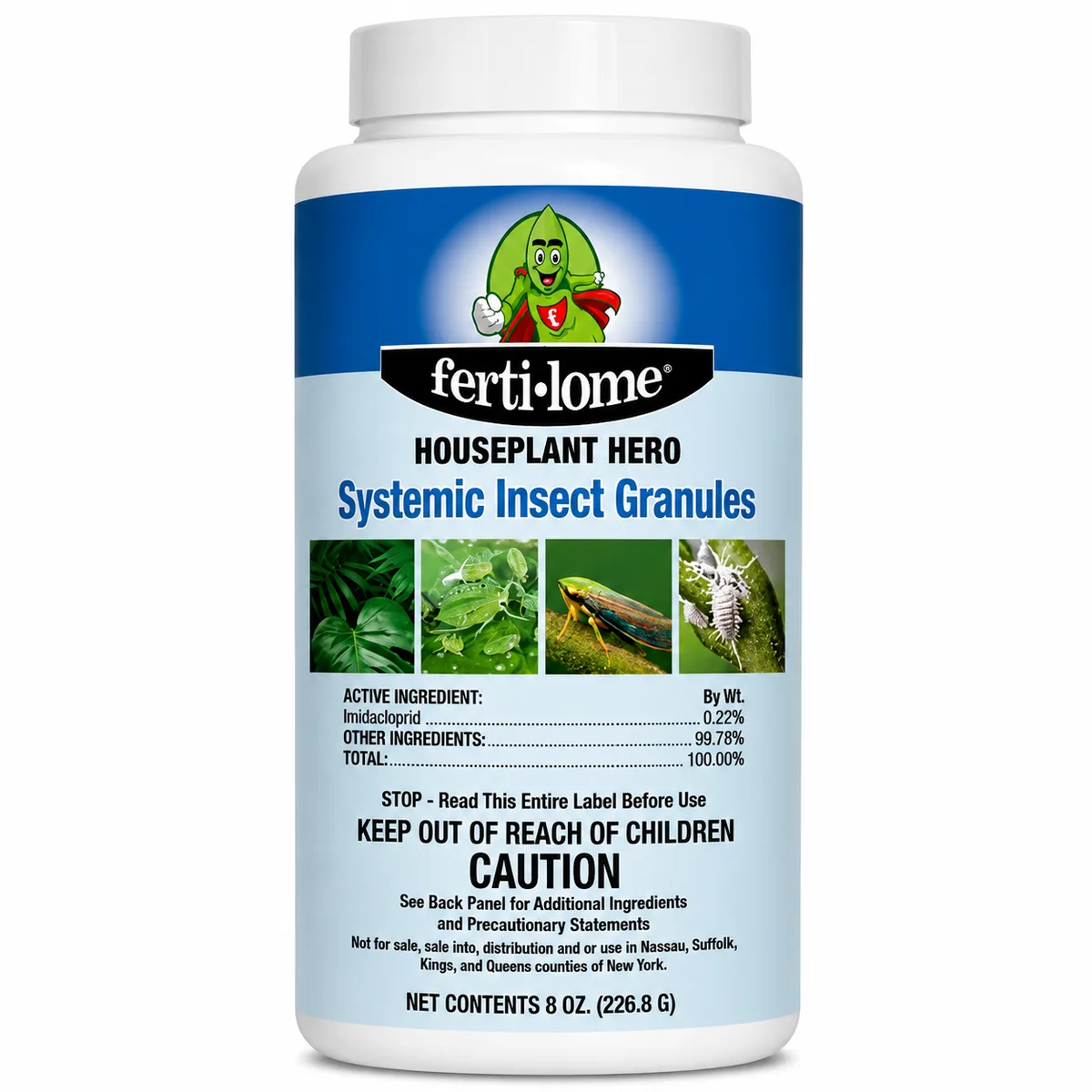
Image source: Web (Bing) / rockinecountrystores.com (Web image (fair-use with source credit))
Variable 1: Plant Sensitivity
Some plants burn easily. Fuzzy-leaved plants like African violets, snake plants with their waxy coating, and succulents with farina (that powdery bloom) react badly to harsh treatments. If your plant has delicate or fuzzy leaves, skip neem oil and alcohol sprays.
Stick with insecticidal soap or manual removal.
Variable 2: Infestation Severity
Light infestation (fewer than 10 visible bugs): Manual removal with alcohol and a Q-tip is fine. Combine with a thorough inspection of every leaf and crevice.
Moderate infestation (10 to 50 visible bugs): You need a contact spray like insecticidal soap or neem oil applied weekly. Manual removal first to reduce the population, then spray treatments.
Heavy infestation (50-plus bugs or signs of sooty mold): You need a systemic insecticide in addition to contact treatments. For outdoor plants, consider pruning the heaviest branches. For indoor plants, a soil drench with imidacloprid is the most reliable option.
Variable 3: Location
| Condition | Best Approach |
|---|---|
| Indoor houseplant | Alcohol spot-treatment + insecticidal soap spray + systemic drench if needed |
| Outdoor ornamental | Neem oil spray or horticultural oil + beneficial insects like ladybugs or lacewing larvae |
| Edible plant (herbs, vegetables) | Insecticidal soap only, or food-grade diatomaceous earth. No systemics with imidacloprid. |
| Succulent or cactus | Alcohol with Q-tip only. No oils. No soaps that leave residue on farina. |
Here is the if/then logic in plain terms.
If you have a light infestation on a hardy plant indoors, start with alcohol and soap. If you have a heavy infestation on a sensitive succulent, use alcohol with a Q-tip and accept that it takes multiple rounds. If you have mealybugs on an outdoor fruit tree, use horticultural oil during the dormant season and beneficial insects during the growing season.
If you have ants, treat the ants first or they will reintroduce mealybugs within days.
If you are still unsure, default to insecticidal soap. It is the safest general-purpose option. It kills on contact, breaks down quickly, and works on most plants without burning them.
Step-by-Step Workflow: The Three-Phase Protocol
This protocol works for any indoor or outdoor plant. Follow the phases in order. Do not skip a phase because you think the plant looks clean.
Phase 1: Immediate Action (Alcohol)
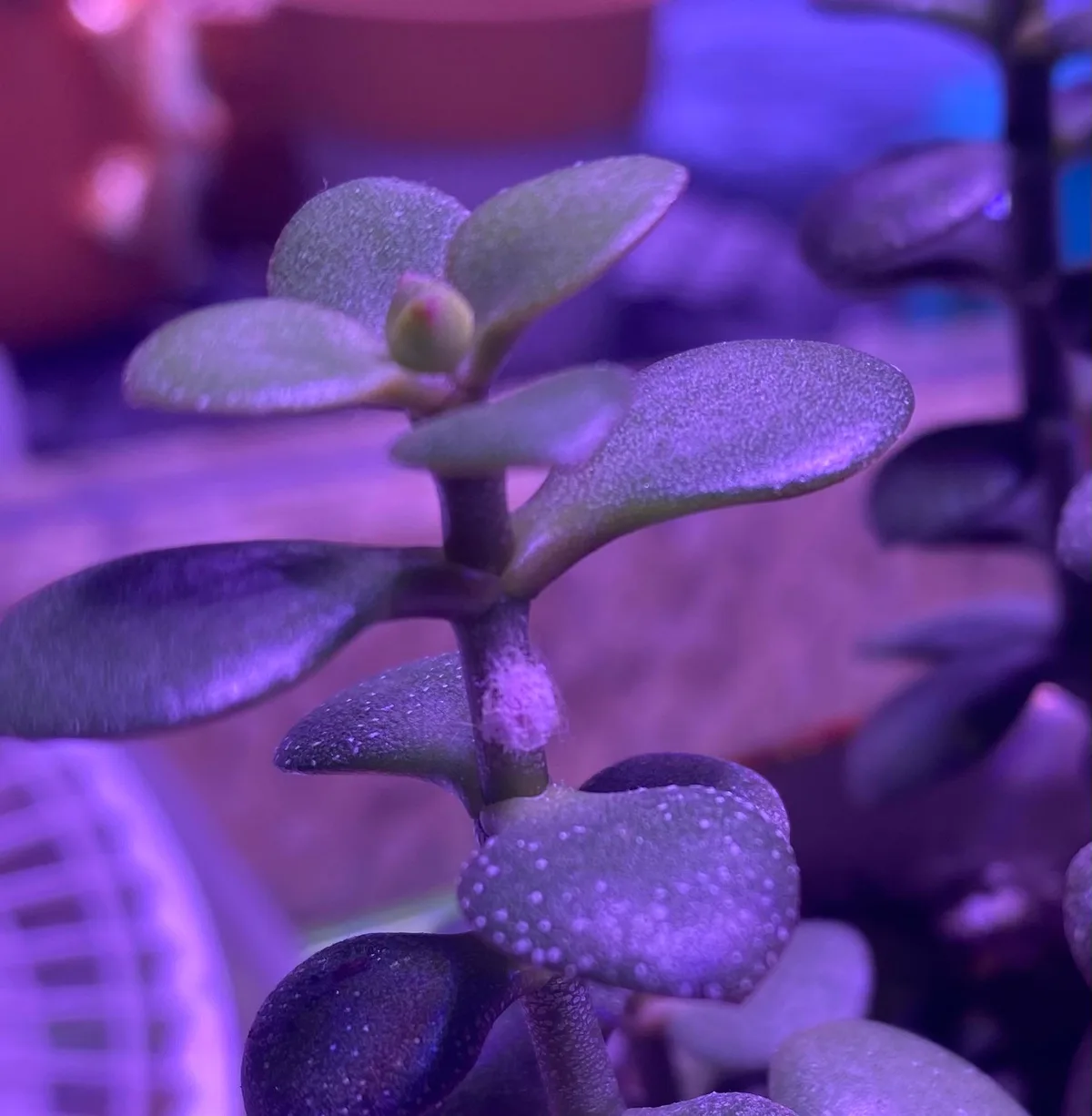
Image source: Web (Bing) / reddit.com (Web image (fair-use with source credit))
Get a bottle of 70 percent isopropyl alcohol. Higher concentrations like 91 percent evaporate too fast and don't penetrate the wax coating as well. Lower concentrations waste time.
Dip a cotton swab in the alcohol. Dab each visible mealybug directly. The alcohol dissolves the waxy coating and kills the bug within seconds.
This is fast, precise, and causes minimal stress to the plant.
Do this for every bug you can see. Check the leaf axils where leaves meet the stem. Check under every leaf.
Check the stem joints. If the plant has multiple stems, check where each stem emerges from the soil.
For mealybugs hiding in tight crevices, use a small paintbrush dipped in alcohol instead of a Q-tip. The bristles reach deeper into leaf joints.
After you finish, wipe down the leaves with a soft cloth dipped in soapy water. This removes honeydew residue and any crawlers you might have missed. Honeydew attracts sooty mold, which blocks sunlight and weakens the plant.
Phase 2: The Reliable Attack (Contact Sprays)
Three days after your alcohol treatment, apply a contact spray. The gap gives the plant time to recover from handling and allows any eggs to start hatching.
Insecticidal soap is the first choice. It kills on contact by breaking down the bug's outer membrane. It leaves no residual protection, which means you must spray every 7 days.
It is safe for most plants but test on a small leaf first.
Neem oil is slower but provides residual protection for 4 to 7 days. Mix 1 teaspoon of cold-pressed neem oil with 1 liter of warm water and a few drops of mild liquid soap. Shake well and spray thoroughly.
Cover every surface, including the undersides of leaves. Do not use neem oil on succulents, ferns, or any plant with fuzzy leaves.
Spray in the evening or early morning. Direct sunlight combined with oil can burn leaves. Make sure the plant is well hydrated before spraying to reduce stress.
Repeat the spray treatment every 7 days for at least four weeks. Mark your calendar. Set a phone reminder.
Consistency is more important than the product you choose.
Phase 3: The Hidden Measure (Soil and Systemic Treatment)
Root mealybugs are a different animal. If your plant is declining despite clean foliage, pull it out of the pot and inspect the roots. Root mealybugs look like white dust or mold on the root ball.
For root mealybugs, remove the plant from its pot. Shake off the old soil. Rinse the roots with water and trim any mushy or dead roots.
Dip the roots in a solution of 1 part hydrogen peroxide to 4 parts water. Repot in fresh sterile soil and a clean pot with drainage holes.
For systemic insecticides, the most common approach is a soil drench containing imidacloprid. This is a neonicotinoid that the plant absorbs through its roots. Any insect feeding on the plant ingests the chemical and dies.
It provides protection for 2 to 4 weeks per dose.
Do not use imidacloprid on flowering plants outdoors. It is highly toxic to bees and other pollinators. Do not use it on edible plants.
Follow the label instructions exactly. Overdosing can damage the plant and build up in the soil.
For a non-chemical systemic approach, use diatomaceous earth. Sprinkle food-grade diatomaceous earth on the soil surface and into the top inch of soil. It cuts up the bodies of crawlers moving through the soil.
It is safe for humans and pets but wear a mask during application to avoid inhaling the fine dust.
Mistakes That Guarantee Failure
Here are the most common errors that keep mealybug infestations alive for months. Avoid these and you will win.
Stopping Treatment Too Early
The number one mistake. Your plant looks clean after two treatments. You stop.
Three weeks later, mealybugs are back worse than before. Those last few eggs finally hatched, and there were no chemicals left to kill them.
Keep treating every 7 days for a full four weeks after the last visible bug. Then inspect weekly for another month. Only declare victory after six weeks with zero signs.
Treating Only the Top of the Plant
Mealybugs hide on the undersides of leaves, in leaf axils, and along the stem where it meets the soil. They crawl into the pot drainage holes. They hide under the pot rim.
If you only spray what you can see from above, you miss half the population.
Flip leaves over. Pull stems apart gently. Check the soil surface.
Run a finger along the rim of the pot. Treat everywhere.
Ignoring Ants
Ants farm mealybugs for honeydew. They will defend them from predators. They will carry young crawlers to new parts of the plant.
If you treat the mealybugs but ignore the ants, the ants rebuild the colony.
Use ant baits near the plants. Place them on the floor or on shelves where ants travel. Do not spray insecticide on the ants directly, as this just kills the workers and doesn't stop the colony.
Baits take a few days but eliminate the source.
Using the Wrong Concentration of Alcohol
91 percent isopropyl evaporates too fast. It doesn't have time to penetrate the mealybug's wax coating. 50 percent is too weak. 70 percent is the sweet spot. It evaporates slowly enough to work but fast enough not to damage the plant.
Applying Neem Oil in Sunlight
Neem oil mixed with water and soap sits on the leaf surface. If sunlight hits those droplets, the oil heats up and burns the leaf tissue. The damage looks like scorched brown spots that never heal.
Always apply neem oil in the evening. Let it dry overnight. The plant will be fine by morning.