If you've ever brushed a hand against a plant only to have a tiny cloud of white insects erupt into the air, you already know the frustration. Those are whiteflies, and learning how to kill whiteflies effectively is the only way to stop them from sucking the life out of your plants. The problem is that most treatments fail because people spray once and call it done.
In our research through university extension guidelines and pest management protocols, one fact stands out above all others. A single female whitefly can lay up to 400 eggs in her lifetime, and the entire life cycle from egg to egg can complete in as little as 21 days at room temperature. That means a small problem today can become a full-blown infestation by next month.
Let's walk through exactly how to identify, treat, and eliminate them for good.
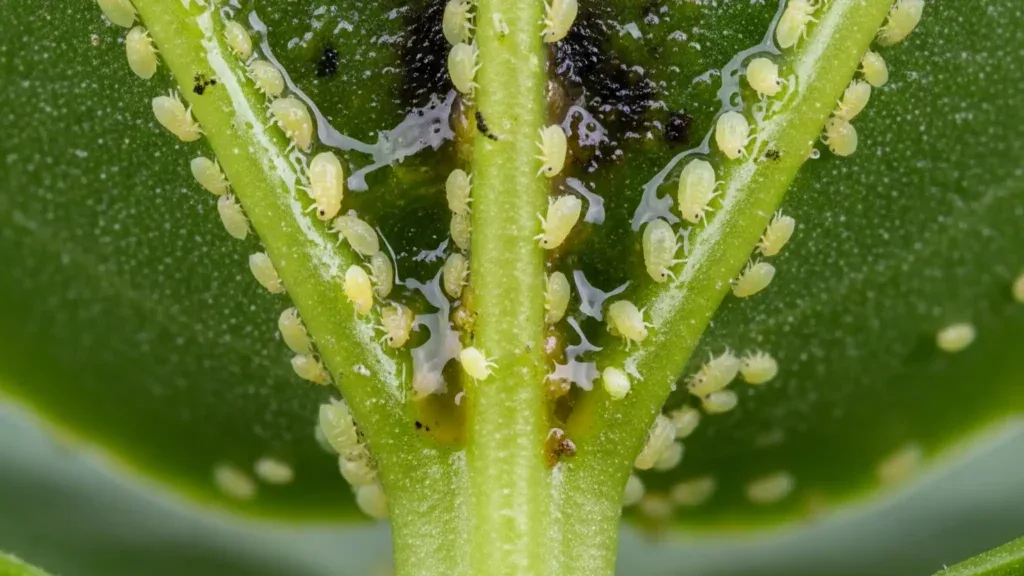
Image source: Bing (Web (fair-use with source credit))
Quick Answer
The fastest way to kill whiteflies is a two-pronged approach. Use yellow sticky traps to catch adults immediately. Then spray the undersides of all leaves with insecticidal soap every 3 to 5 days for two weeks.
Repeat treatments are essential because sprays only kill nymphs and adults, not eggs.
Are They Actually Whiteflies? A 30-Second ID Check
Before you start any treatment, you need to confirm you're dealing with whiteflies and not something else. Many gardeners confuse them with aphids, fungus gnats, or small moths. The good news is that whiteflies are easy to spot once you know what to look for.
Whiteflies are tiny insects about 1/16 inch long, which is roughly the size of a pinhead. Their bodies are pale yellow, and they have two pairs of pure white wings that look like they're coated in fine powder. When you shake the plant or blow on the leaves, they flutter up in a small cloud but quickly settle back down.
That cloud of tiny white specks is your main clue.
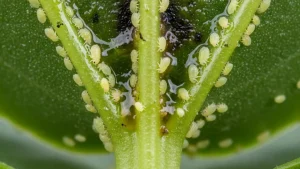
The eggs and nymphs tell a different story. On the undersides of leaves, you'll find clusters of tiny oval eggs standing on short stalks. The nymphs look like translucent, flat scales that don't move.
They resemble small white or pale green ovals stuck to the leaf surface. If you see sticky, shiny "honeydew" on the leaves or a black sooty mold growing on that honeydew, whiteflies are almost certainly the cause.
Use this quick table to tell whiteflies apart from lookalikes.
| Insect | Size | Color | Location | Movement |
|---|---|---|---|---|
| Whitefly | 1/16 inch | White wings, yellow body | Underside of leaves | Flies up in cloud when disturbed |
| Aphid | 1/8 inch | Green, black, or brown | Stems and leaf tips | Moves slowly, rarely flies |
| Fungus gnat | 1/8 inch | Dark gray or black with clear wings | Near soil surface | Hovers near soil, weak flier |
| Thrips | 1/20 inch | Slender, brown or yellow | Inside flower buds, leaf veins | Fast crawling, jump when disturbed |
If your insects match the whitefly row in this table, proceed to the decision tree. If they don't, you'll need a different strategy for whatever pest you're dealing with.
Where Are They? Indoor Plants, Greenhouses, or Outdoor Garden Beds
Your location determines every treatment option. Whiteflies on indoor houseplants need a different approach than whiteflies in a vegetable garden. Let's break down the three main scenarios.
Indoor houseplants: This is the most controlled environment, which works both for and against you. You can isolate the infested plant immediately. Move it to a separate room or at least 6 feet away from any other plants.
The downside is that indoor populations can explode year round since there's no winter cold or natural predators to slow them down. Your treatments should lean toward low-odor, low-toxicity options like insecticidal soap or neem oil. You don't want harsh chemical fumes inside your living space.
Greenhouses: This is where whiteflies thrive most. They love warm, humid conditions with no rain to wash them off. In a greenhouse, you have access to biological control options that work incredibly well.
Beneficial insects like Encarsia formosa, a tiny parasitic wasp that lays its eggs inside whitefly nymphs, can keep populations under control. You can also use higher-strength sprays since you control the ventilation.
Outdoor garden beds: Whiteflies outdoors have natural enemies like ladybugs and lacewing larvae, but they also have unlimited space to spread. Treatment needs to be fast to prevent them from jumping to nearby plants. You can use stronger chemicals here since plants are well ventilated, but you must protect pollinators.
Never spray anything during bloom when bees are active.
If you're dealing with an outdoor infestation, you should also check any neighboring plants even if they look healthy. Whiteflies often spread before you see visible damage.
Mild or Heavy Infestation: Match Your Strategy to the Scale
The amount of whiteflies you're dealing with determines whether you can use simple traps or need a full chemical assault. Here's how to decide.
A mild infestation means you see only a few whiteflies on one or two plants. You might notice 10 to 20 adults when you shake the plant. There's little to no sticky honeydew on the leaves, and the plant looks healthy.
At this stage, you can often control the problem with yellow sticky traps alone combined with a single round of insecticidal soap spray. You caught it early, which is the best possible situation.
A heavy infestation looks very different. You'll see dozens or hundreds of whiteflies rise up when you touch the plant. The leaves feel sticky or look shiny from honeydew.
You might see black sooty mold coating the upper leaf surfaces. The plant itself may look weak, with yellowing leaves and stunted growth. At this stage, you need a multi-week treatment plan.
Sticky traps alone won't cut it. You'll need repeated sprays and possibly systemic insecticides.
Use this quick checklist to gauge your situation.
- Mild: Whiteflies present but plant looks healthy
- Mild: No sticky leaves or sooty mold
- Mild: Whiteflies on 1 to 2 plants only
- Heavy: Leaves feel sticky or have black mold
- Heavy: Multiple plants affected
- Heavy: Plant shows yellowing or leaf drop
Count how many boxes you check. If any of the heavy boxes are true, proceed to the heavy infestation path in the decision tree below.
The Whitefly Decision Tree: Which Treatment Path Is Right for You?
Here's where we put it all together. Based on your location and infestation level, you have three clear paths forward. Read each option and choose the one that matches your situation.
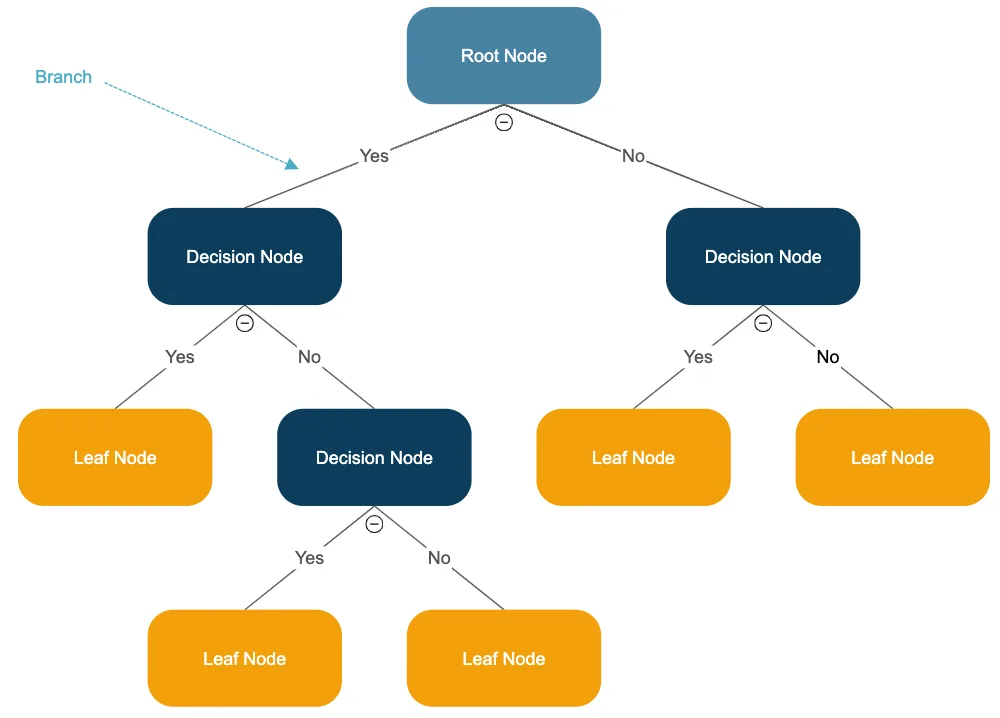
Image source: Web (Bing) / fity.club (Web image (fair-use with source credit))
Path 1: Mild infestation on indoor or outdoor plants
This is the simplest route. Start with 3 to 5 yellow sticky traps per plant. Place them as close to the leaf canopy as possible, ideally within 6 to 12 inches of the whiteflies.
The bright yellow attracts them, and they get stuck. This catches the flying adults and prevents them from laying eggs. While the traps work, apply insecticidal soap to the undersides of every leaf.
Reapply once every 5 days for two weeks. This should break the life cycle.
Path 2: Heavy infestation on indoor plants or ornamentals
You need more firepower here. Start by pruning off the most heavily infested leaves and stems. Bag them and throw them in the trash, not the compost pile.
Then spray thoroughly with neem oil or insecticidal soap, making sure to hit every leaf underside. Repeat this spray every 3 to 4 days for at least three weeks. If the plant is small enough, consider replacing the top inch of soil to remove any fallen eggs or pupae.
You can also use a systemic insecticide drench for ornamental plants only. Never use systemics on anything you plan to eat.
Path 3: Heavy infestation on outdoor vegetables or fruit trees
This path requires the most caution because you're treating food crops. Never use systemic neonicotinoids on edible plants. Stick to contact sprays like insecticidal soap or horticultural oil.
Apply at dusk to avoid harming pollinators. Spray every 3 to 5 days for three weeks. In addition, you can introduce beneficial insects.
Release lacewing larvae or Encarsia formosa wasps after the spray residue dries. They will hunt down any whiteflies you missed.
For a quick comparison of the three paths:
| Factor | Path 1 (Mild) | Path 2 (Heavy Indoor) | Path 3 (Heavy Outdoor Food) |
|---|---|---|---|
| Sticky traps | Yes, 3-5 per plant | Yes, as many as needed | Yes, as many as needed |
| Pruning | Optional | Recommended | Recommended |
| Spray type | Insecticidal soap | Neem oil or insecticidal soap | Insecticidal soap or horticultural oil |
| Spray frequency | Every 5 days, 2 weeks | Every 3-4 days, 3 weeks | Every 3-5 days, 3 weeks |
| Systemic allowed | No | Yes, ornamentals only | No |
| Beneficial insects | Optional | Optional | Strongly recommended |
If you're still unsure which path fits, start with Path 1. It's the lowest effort, and you can escalate to Path 2 or 3 if the sticky traps and light spray don't get the job done within a week.
Step-by-Step Treatment Workflow for Each Path
Now let's turn those paths into actual steps you can follow. This is the actionable part you came here for.
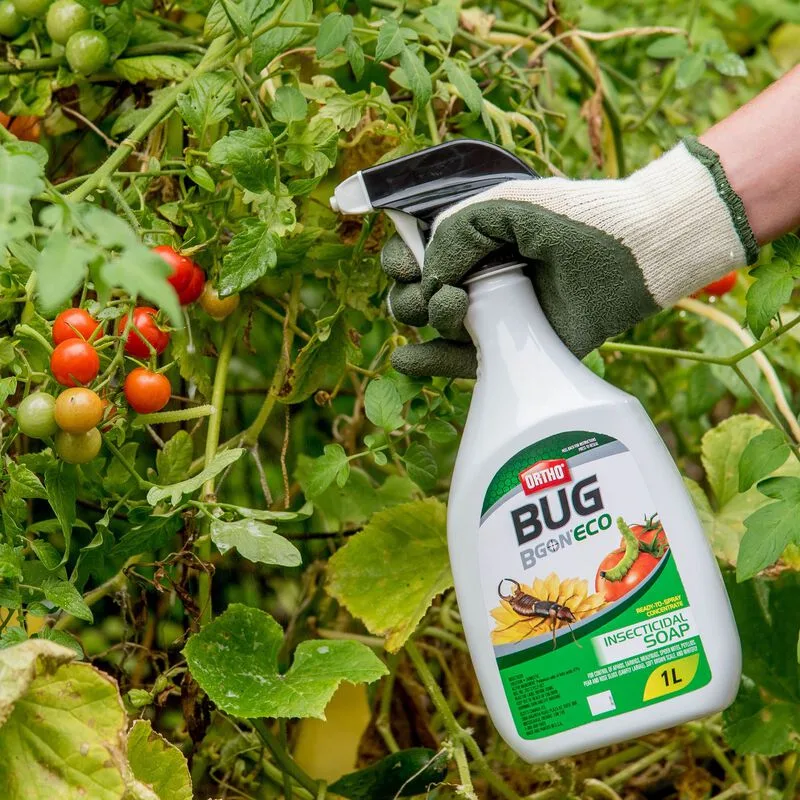
Image source: Web (Bing) / kayomoto.com.pe (Web image (fair-use with source credit))
Step 1: Isolate the infested plant. Move it away from all other plants. For outdoor gardens, stop any plants you're moving near unaffected beds. Whiteflies fly, so physical distance matters.
Step 2: Prune the worst leaves. Cut off leaves that are heavily covered in whiteflies, honeydew, or sooty mold. Use clean pruning shears. Dispose of the clippings in a sealed plastic bag.
Don't compost them.
Step 3: Apply yellow sticky traps. Insert the traps into the soil or hang them from stems. Place them close to the leaf canopy. You want the whiteflies to hit the trap before they land on the plant.
Step 4: Mix and fill your sprayer. Use insecticidal soap or neem oil. Follow the label directions exactly. Most insecticidal soaps call for 1 to 2 tablespoons per gallon of water.
If you're using neem oil, you'll need to mix it with a little mild liquid soap as an emulsifier.
Step 5: Spray the leaf undersides. This is the most important step and the one most people get wrong. Hold the sprayer nozzle at an angle and spray upward into the underside of each leaf. Get every leaf.
The whiteflies and nymphs are hiding there. If you only spray the top, you wasted your time.
Step 6: Wait 3 to 5 days and repeat. The first spray kills the nymphs and adults. The eggs survive. After 3 to 5 days, those eggs hatch into new nymphs.
Your second spray catches them before they mature and lay more eggs. You must continue this cycle for two to three weeks to break the life cycle completely.
Step 7: Monitor with sticky traps. Keep an eye on your yellow traps. If you see fresh whiteflies caught each week, continue spraying. When you go a full week with no new whiteflies on the traps, you're likely in the clear.
Continue monitoring for another two weeks to be safe.
The full treatment cycle typically takes 3 to 4 weeks from start to finish. Don't give up at the two-week mark if you still see a few whiteflies. Persistence is the difference between winning and dealing with a recurring infestation every season.
For heavy outdoor infestations on vegetables, you can also use a foliar spray of horticultural oil. Per the USDA Agricultural Research Service guidelines, horticultural oils smother whitefly eggs and nymphs effectively when applied at a 2 percent solution. Make sure the temperature is below 85 degrees Fahrenheit and the plant is well watered to avoid leaf burn.