Imagine stepping into your kitchen and picking fresh basil, mint, or rosemary, all grown by you, just a few steps away. Starting your own indoor herb garden isn’t just a dream—it’s a simple and rewarding reality.
You don’t need a sprawling backyard or a green thumb to succeed. With a bit of guidance and the right approach, you can transform any small space into a lush, fragrant herb haven. This guide will walk you through every step, ensuring your herbs thrive and your meals come alive with fresh flavors.
Ready to dive into the world of indoor gardening and bring nature into your home? Let’s get started.
Benefits Of Indoor Herb Gardening
Growing herbs indoors offers fresh flavors year-round and enhances home cooking. It saves money and adds greenery to your space.
Starting an indoor herb garden can be a rewarding experience. It offers numerous benefits that enhance your lifestyle. Fresh herbs can transform your cooking, adding vibrant flavors to your dishes. Cultivating herbs indoors provides easy access to these aromatic plants all year round.
Convenience And Accessibility
Growing herbs indoors means you have fresh ingredients at your fingertips. No need to run to the store for basil or mint. Simply snip a few leaves as you cook.
Health Benefits
Indoor herb gardening supports a healthier lifestyle. Fresh herbs are packed with nutrients. They can boost your immune system and improve overall health.
Cost-effective Solution
Buying herbs at the store can be expensive. Growing them at home saves money. You invest once in seeds or plants and enjoy endless harvests.
Enhances Air Quality
Plants are natural air purifiers. Indoor herbs improve air quality by filtering out toxins. They create a fresher environment.
Decorative Appeal
Herbs can beautify your home. Their lush green leaves add charm to any space. They bring a touch of nature indoors.
Stress Relief And Mental Wellbeing
Gardening is a relaxing activity. Tending to plants reduces stress and anxiety. It promotes mental well-being and calmness.
Educational Opportunity
Indoor gardening is a learning experience. It teaches patience, responsibility, and care. Great for adults and children alike.
Climate Control
Indoor gardening is not weather-dependent. Herbs thrive regardless of outside conditions. You control their environment. Enjoy the many benefits of starting an indoor herb garden. It is a simple yet fulfilling hobby.
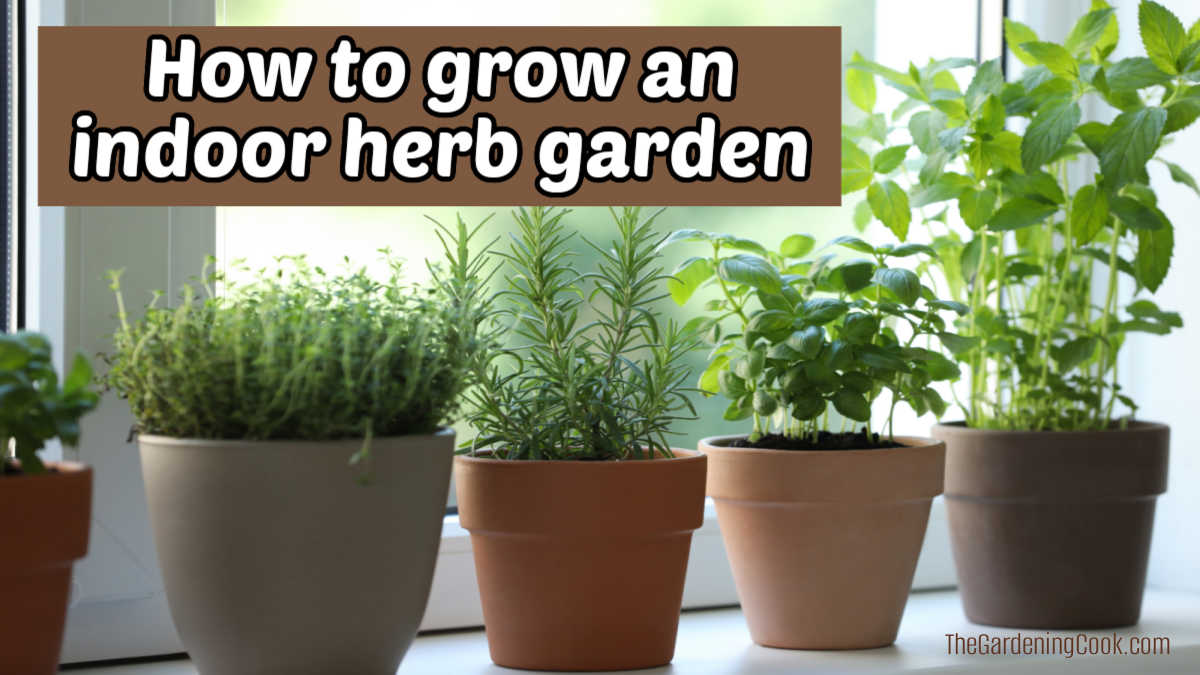
Credit: thegardeningcook.com
Choosing The Right Herbs
Selecting suitable herbs for your indoor garden is essential. Consider light needs and your cooking preferences. Basil, mint, and chives are popular and easy to grow, making them great choices for beginners.
Choosing the Right Herbs Selecting the right herbs for your indoor garden is crucial for a successful and rewarding experience. The herbs you choose should align with your lifestyle and the space available. Consider what you’ll use them for—whether it’s for cooking, medicinal purposes, or simply for their aromatic qualities.
Easy Herbs For Beginners
Starting with easy-to-grow herbs can boost your confidence as a budding gardener. Basil, mint, and chives are great choices because they are resilient and forgiving. Imagine plucking fresh basil leaves to add to your pasta or mint for your morning tea. These herbs thrive indoors with minimal care and provide quick gratification. Ensure they receive ample sunlight, and don’t overwater them. A sunny windowsill can be their best friend.
Herbs For Culinary Use
If you love cooking, why not have fresh herbs at your fingertips? Parsley, thyme, and oregano are perfect for culinary use and add vibrant flavors to dishes. Picture yourself garnishing your homemade soup with fresh parsley. These herbs can transform simple recipes into gourmet meals. They require consistent sunlight and a bit of pruning to encourage growth. Keep a pair of scissors nearby to snip what you need for your next culinary masterpiece.
Herbs For Medicinal Use
Herbs like lavender, chamomile, and lemon balm can be your go-to for medicinal purposes. They are known for their calming and soothing properties. Imagine sipping on a cup of chamomile tea to unwind after a long day. Growing these herbs can offer both aromatic pleasure and health benefits. They require a bit more attention to avoid pests but are well worth the effort. Consider researching each herb’s specific needs to maximize their medicinal potential. Choosing the right herbs involves thinking about your needs and the care each plant requires. What will you enjoy most—fresh flavors for your meals or natural remedies for relaxation? The choice is yours!
Selecting Containers
Selecting the right containers ensures your indoor herb garden thrives. Choose small pots with drainage holes for healthy roots. Consider materials like clay or plastic, which affect moisture retention.
Selecting the right containers is crucial for a successful indoor herb garden. Containers influence your herbs’ growth and health. They need to suit your space and style.
Types Of Containers
Different materials offer unique benefits. Clay pots are porous and keep soil moist. They work well for most herbs. Plastic pots are lightweight and cheap, ideal for small spaces. Metal containers add a modern touch. They need liners to prevent rust. Wooden containers offer a rustic look. They need good drainage and lining.
Size And Drainage Considerations
Container size affects plant growth. Larger pots allow roots to expand. Small pots suit herbs with compact roots. Drainage is vital. It prevents water logging. Choose pots with holes at the bottom. Use saucers to catch excess water. Ensure the pot depth matches the herb type. Some herbs need deeper pots. Others thrive in shallow containers.
Credit: blog.growlink.com
Ideal Growing Conditions
Indoor herb gardens thrive in well-lit spaces, with ample sunlight or grow lights. Maintain consistent warmth and humidity to encourage healthy growth. Ensure proper drainage to prevent waterlogging and promote vigorous root development.
Starting an indoor herb garden can be rewarding. To succeed, you need to provide the right growing conditions. Each herb has specific needs for light, temperature, and humidity. Understanding these factors ensures your plants thrive indoors.
Light Requirements
Herbs need sunlight to grow. Position your garden near a bright window. South-facing windows usually provide the best light. If natural light is limited, consider using grow lights. They mimic sunlight and help herbs grow healthy. Adjust the height of the lights to prevent leaf burn. Most herbs require 6-8 hours of light daily. Check the light needs of each herb for best results.
Temperature And Humidity
Herbs prefer warm temperatures. Keep your indoor garden between 65°F to 75°F. Avoid placing herbs near drafty windows or doors. Sudden temperature changes can harm them. Humidity is also crucial. Most herbs thrive in moderate humidity levels. Dry air can stress plants, so use a humidifier if needed. You can mist the leaves lightly to improve humidity. Regularly monitor the environment to ensure conditions are ideal for growth.
Soil And Planting Essentials
Starting an indoor herb garden is a rewarding journey. The key lies in understanding soil and planting essentials. These aspects ensure your herbs grow healthy and thrive indoors.
Choosing The Right Soil
Soil quality impacts plant health significantly. For indoor herbs, use a well-draining potting mix. This type of soil prevents waterlogging and root rot. Look for soil with organic matter, like peat moss or coconut coir. These materials retain moisture without drowning the roots.
Avoid garden soil for indoor plants. It compacts easily and lacks proper drainage. A light, airy mix gives herbs room to grow. You can find suitable potting mixes at garden centers or online.
Planting Techniques
Proper planting techniques are vital for herb growth. Start with clean pots that have drainage holes. Fill each pot with the potting mix, leaving space for the herb plant.
Gently remove the herb from its nursery pot. Be careful not to damage the roots. Place it in the new pot, covering the roots with soil. Press the soil lightly to secure the plant.
Water the herbs after planting. Ensure the water drains well. This step settles the soil around the roots. Maintain a routine to keep the soil moist but not soggy.
Position the pots where they receive indirect sunlight. Most herbs need around six hours of light daily. Use artificial lights if natural light is insufficient.
Watering And Maintenance
Proper watering is crucial for an indoor herb garden. Ensure soil remains slightly moist, not soggy. Regular pruning encourages growth and keeps herbs healthy.
Starting an indoor herb garden is a rewarding hobby. The key to success lies in proper watering and maintenance. These tasks ensure your herbs stay healthy and flavorful. With the right care, your indoor herb garden will thrive all year long.
Watering Schedule
Watering is crucial for an indoor herb garden. Most herbs prefer slightly moist soil. Check the soil with your finger. If the top inch feels dry, it is time to water. Use a watering can with a narrow spout. This helps avoid splashing water on the leaves. Overwatering can cause root rot, a common problem. Make sure excess water drains out well.
Pruning And Harvesting Tips
Pruning keeps your herbs bushy and robust. Use clean scissors or shears. Cut just above a leaf node. This encourages new growth. Harvest herbs regularly for the best flavor. Morning is the best time to pick herbs. The oils that give herbs their scent and taste are strongest then. Remove any dead or yellow leaves. This helps keep your plant healthy. Regular pruning and harvesting make herbs grow better.
Pest And Disease Management
Ensure healthy herbs by selecting disease-resistant varieties. Regularly inspect for pests and use organic control methods. Maintain proper humidity and air circulation to prevent mold and mildew.
Managing pests and diseases is crucial for maintaining a thriving indoor herb garden. Even though indoor environments can limit exposure to some pests, they are not entirely immune. Unchecked, these invaders can quickly damage your precious plants. So, how do you keep your herbs healthy and flourishing without resorting to harsh chemicals?
Common Pests
Indoor herb gardens are often targeted by a few usual suspects. Aphids, small sap-sucking insects, can weaken your plants if left unchecked. Spider mites are another common threat, particularly in warm, dry conditions. Fungus gnats, while often mistaken for fruit flies, can damage the roots of your plants. Recognizing these pests early can save your herbs. For instance, if you notice tiny webs on the underside of leaves, spider mites might be the culprits. Have you ever spotted tiny, flying insects hovering around your pots? That’s likely the work of fungus gnats.
Organic Solutions
Combatting these pests with organic solutions is both effective and environmentally friendly. One simple method is using a mixture of water and mild dish soap to spray on affected plants. This can deter many pests without harming your herbs. Introducing beneficial insects like ladybugs or lacewings can naturally control aphid populations. For those annoying fungus gnats, a layer of sand on top of the soil can disrupt their lifecycle. Consider using neem oil, a natural pesticide that repels a variety of pests. It’s a great way to protect your plants without introducing harmful chemicals into your home. Have you tried setting yellow sticky traps? They can catch flying pests and give you a quick visual of any infestations. Managing pests organically not only protects your plants but also ensures that the herbs you consume are safe and healthy. So, what methods will you try in your herb garden?

Credit: goebbertspumpkinfarm.com
Creative Herb Garden Ideas
Starting an indoor herb garden can be both fun and rewarding. It brings fresh flavors to your kitchen and a touch of nature indoors. For those eager to add a creative twist, there are numerous ways to design your herb garden. Let’s explore some imaginative ideas.
Vertical Gardens
Vertical gardens save space and look stunning. Use a wooden pallet or a tiered shelf. Attach pots to the structure with hooks or brackets. This setup allows you to grow multiple herbs in a small area. Basil, parsley, and mint thrive well in vertical arrangements. Hang your vertical garden near a sunny window for the best results.
Windowsill Arrangements
Windowsills offer the perfect spot for growing herbs. They receive natural sunlight, essential for plant growth. Use small pots or repurposed jars. Line them up neatly on the windowsill. This creates a beautiful and functional display. Choose herbs like rosemary, thyme, and chives that enjoy the sun. Remember to rotate the pots for even growth.
Frequently Asked Questions
When Should Herbs Be Started Indoors?
Start herbs indoors 6-8 weeks before the last expected frost. Use seed trays or small pots. Ensure adequate sunlight and consistent watering for optimal growth. This timing allows herbs to establish strong roots before being transplanted outdoors. Adjust the schedule based on your specific climate zone.
How Do You Start An Herb Garden For Beginners?
Begin by choosing a sunny spot with well-drained soil. Select easy-to-grow herbs like basil, mint, or rosemary. Use containers or garden beds, and water regularly. Space plants correctly and harvest often to encourage growth. Ensure proper sunlight and nutrients for a thriving herb garden.
Can I Grow Herbs Indoors All Year Round?
Yes, you can grow herbs indoors all year round. Ensure proper lighting, temperature, and humidity. Use LED grow lights for adequate light. Maintain consistent watering and use well-draining soil. Choose herbs like basil, mint, and parsley that thrive indoors. Regularly prune to promote growth and keep your indoor garden flourishing.
What Is The Easiest Herb Plant To Grow Indoors?
Basil is the easiest herb to grow indoors. It thrives in sunlight and needs well-drained soil. Regular watering keeps basil healthy. Place near a window for optimal growth. Fresh basil elevates any dish and adds vibrant flavor to meals. Ideal for beginners, it requires minimal maintenance.
Conclusion
Starting an indoor herb garden brings joy and flavor to your home. Fresh herbs enhance meals and create a soothing atmosphere. Follow simple steps for success. Choose the right herbs. Basil, mint, and parsley are popular options. Find a sunny spot for your plants.
Water them regularly but not excessively. Use quality soil and containers. A small investment yields delicious rewards. Enjoy the scent and taste of fresh herbs all year. Try new recipes. Experiment with flavors. Gardening indoors is fun and relaxing. Perfect for beginners or seasoned gardeners.
Begin your herb journey today!


