Imagine walking into your kitchen and instantly being greeted by the fresh, invigorating scent of basil, rosemary, and mint. Creating an indoor herb garden isn’t just about adding a touch of greenery to your home; it’s about transforming your cooking and living experience.
You don’t need a green thumb or a spacious backyard to enjoy the endless benefits of fresh herbs. With a few simple steps, you can start your own indoor herb garden that thrives all year round. Whether you’re a culinary enthusiast looking to elevate your dishes or simply someone who loves the idea of fresh aromas wafting through your home, this guide will show you how easy it is to get started.
Let’s delve into how you can bring nature indoors and spice up your life with homegrown herbs.
Choosing The Right Herbs
Selecting the right herbs involves understanding your space and climate. Opt for easy-to-grow varieties like basil, mint, and rosemary. Consider sunlight needs and available space to ensure a flourishing indoor herb garden.
Creating an indoor herb garden can be a rewarding endeavor, offering fresh herbs at your fingertips while adding a dash of greenery to your space. However, the success of your garden largely depends on the herbs you choose. Picking the right ones can mean the difference between a thriving indoor oasis and a collection of struggling plants. Consider factors like light requirements, maintenance level, and the culinary uses you desire. But which herbs are best suited for indoor growth?
Best Herbs For Indoors
Some herbs adapt better to indoor conditions than others. Mint is a fantastic choice as it thrives in containers and doesn’t need direct sunlight. It’s perfect for adding to teas or desserts. Basil, with its aromatic leaves, loves the warmth of indoor environments and pairs well with tomatoes and mozzarella. Chives are another excellent option; they grow well in pots and are great for garnishing dishes or adding flavor to salads.
Herbs For Beginners
If you’re new to gardening, start with easy-to-grow herbs that don’t require much maintenance. Parsley is forgiving and can withstand varying light conditions, making it ideal for beginners. Thyme is another herb that is resilient and can be used in numerous dishes, providing a robust flavor. Cilantro is a bit more sensitive to light but grows quickly, offering fresh leaves for your salsa or guacamole in no time. Selecting herbs for your indoor garden involves understanding your space and lifestyle. Do you have a sunny windowsill or a shaded corner? Are you looking for herbs to spice up your cooking or for their health benefits? These questions will guide you in choosing the perfect mix for your indoor herb garden.

Credit: www.youtube.com
Gathering Essential Supplies
Begin by gathering essential supplies like pots, soil, and seeds. Choose herbs like basil, mint, or rosemary. Ensure pots have good drainage and place them in a sunny spot indoors.
Creating an indoor herb garden is a rewarding endeavor that brings freshness and flavor right to your kitchen. Before you begin planting, gathering essential supplies is crucial for success. With the right tools and materials, you can ensure your herbs thrive indoors. Here’s what you need to start your indoor gardening journey.
Containers And Pots
Choosing the right containers is vital for healthy herb growth. Consider pots with drainage holes to prevent root rot. Clay pots are breathable and help regulate moisture, while plastic pots are lightweight and affordable. Think about the size of the container as well. Herbs like basil and mint need more space to spread their roots. If you’re short on space, consider vertical planters or hanging pots to maximize your growing area.
Soil And Fertilizers
Quality soil is the foundation of a thriving herb garden. Opt for a well-draining potting mix specifically designed for herbs. Avoid garden soil as it may compact in pots and restrict root growth. Fertilizers can boost herb growth, but too much can be harmful. Use a balanced, water-soluble fertilizer every few weeks to maintain nutrient-rich soil. Organic options are great for those who prefer a natural approach.
Lighting Options
Adequate lighting is essential for indoor herbs. Natural sunlight is ideal, so place your garden near a south-facing window. If natural light is limited, consider investing in grow lights. LED grow lights are energy-efficient and provide the full spectrum of light herbs need. Position the lights about 6 inches above the plants and adjust as they grow. How will you ensure your herbs get the light they need to thrive?
Planting Your Herbs
Cultivate an indoor herb garden by choosing a sunny spot with proper pots and soil. Select herbs like basil, mint, and parsley for easy growth. Regular watering and trimming will keep your herbs fresh and thriving year-round.
Planting your herbs is a rewarding journey that brings the freshness of nature right into your home. Whether you’re starting from seeds or transplanting seedlings, understanding the basics can make all the difference. Imagine the joy of picking fresh basil for your pasta or mint for your tea, all grown by you.
Seed Starting Tips
Starting herbs from seeds can be an exciting project. First, choose the right containers with good drainage to prevent waterlogging. Recycled yogurt cups or biodegradable pots work wonders. Fill them with a high-quality seed starting mix that retains moisture but doesn’t stay soggy. Plant the seeds according to the depth specified on the seed packet. Cover them lightly with soil and mist with water to keep the surface moist. Place the containers in a warm spot with indirect sunlight. Consider using a seedling heat mat to encourage faster germination. This little trick can cut down waiting time and lead to more robust seedlings.
Transplanting Seedlings
Once your seedlings have developed a few true leaves, it’s time to transplant them into larger pots. Choose containers with enough space for root growth, ensuring they have drainage holes. Did you know that clay pots can be beneficial as they allow air circulation around the roots? Gently remove the seedlings from their initial containers, taking care not to damage the delicate roots. Plant them at the same depth they were growing before, and firm the soil around the base. Water the transplanted seedlings thoroughly to help them settle in their new homes. Position the pots in a sunny window where they can get at least six hours of light each day. Remember, a south-facing window is ideal for most herbs. Are you excited to get your indoor herb garden flourishing? With a little care and attention, your kitchen will soon be brimming with lush, flavorful herbs ready to elevate your dishes.
Caring For Your Herb Garden
Creating an indoor herb garden is easy and rewarding. Choose pots with good drainage and a sunny spot. Regular watering and trimming help herbs thrive indoors.
Caring for your indoor herb garden is essential for a thriving collection. With the right care, your herbs will grow healthy and flavorful. Understanding their needs helps keep them vibrant and lush.
Watering Guidelines
Watering is crucial for healthy herbs. Keep the soil moist, not soggy. Check the top inch of soil with your finger. If it feels dry, it’s time to water. Use a watering can with a spout for gentle watering. Overwatering can lead to root rot. Ensure pots have drainage holes.
Pruning And Harvesting
Regular pruning encourages growth and prevents legginess. Trim herbs like basil and mint from the top. This promotes bushier growth. Use clean scissors for cutting. Harvest leaves in the morning for the best flavor. Avoid cutting more than one-third of the plant at a time. This keeps the plant healthy and productive.
Dealing With Common Issues
Creating an indoor herb garden involves addressing common issues like insufficient sunlight and poor soil drainage. Choose suitable containers with proper drainage holes, and place them near windows that receive ample sunlight. Regular watering and occasional fertilization ensure healthy growth and vibrant herbs.
Creating an indoor herb garden can be a rewarding experience, but it comes with its fair share of challenges. Understanding how to deal with common issues can make your gardening journey smoother and more successful. Even the most seasoned indoor gardeners face occasional setbacks, but with the right knowledge and tools, you can keep your herbs thriving.
Pest Management
Pests can wreak havoc on your indoor herb garden if not addressed promptly. Regularly inspect your plants for signs of insects like aphids, spider mites, and whiteflies. A simple solution of mild dish soap and water can be an effective natural pesticide. Remember to gently spray the mixture on the leaves and stems, covering all areas. It’s crucial to maintain cleanliness around your garden; pests often thrive in unclean environments. Keep an eye out for sticky residues, which are a common indicator of insect activity.
Preventing Diseases
Diseases can spread quickly and devastate your indoor herb garden if not managed properly. Ensuring good air circulation around your plants can significantly reduce the risk of fungal infections. Consider using a small fan to keep the air moving, especially in cramped spaces. Water your herbs at the base to prevent wet foliage, which is a breeding ground for fungi and bacteria. Always use clean pots and sterilized soil to minimize disease risk. Are you noticing yellowing leaves or stunted growth? It might be time to reassess your watering schedule or the health of your soil. Regularly rotating your plants ensures even light distribution and can boost their immune systems, making them more resilient to diseases.

Credit: www.cbc.ca
Creative Display Ideas
Create a lush indoor herb garden with simple containers and creative arrangements. Use shelves, hanging pots, or windowsills to display vibrant herbs. Transform your kitchen space into a fresh and aromatic oasis effortlessly.
Creating an indoor herb garden is a rewarding endeavor, especially when you consider the joy of fresh herbs at your fingertips. But how can you make your herb garden not just functional, but also a visual delight? The answer lies in creative display ideas. By innovatively arranging your herbs, you can transform your space while keeping fresh flavors within easy reach. Whether you live in a cozy apartment or a spacious house, here are some brilliant ways to showcase your indoor herb garden.
Vertical Gardens
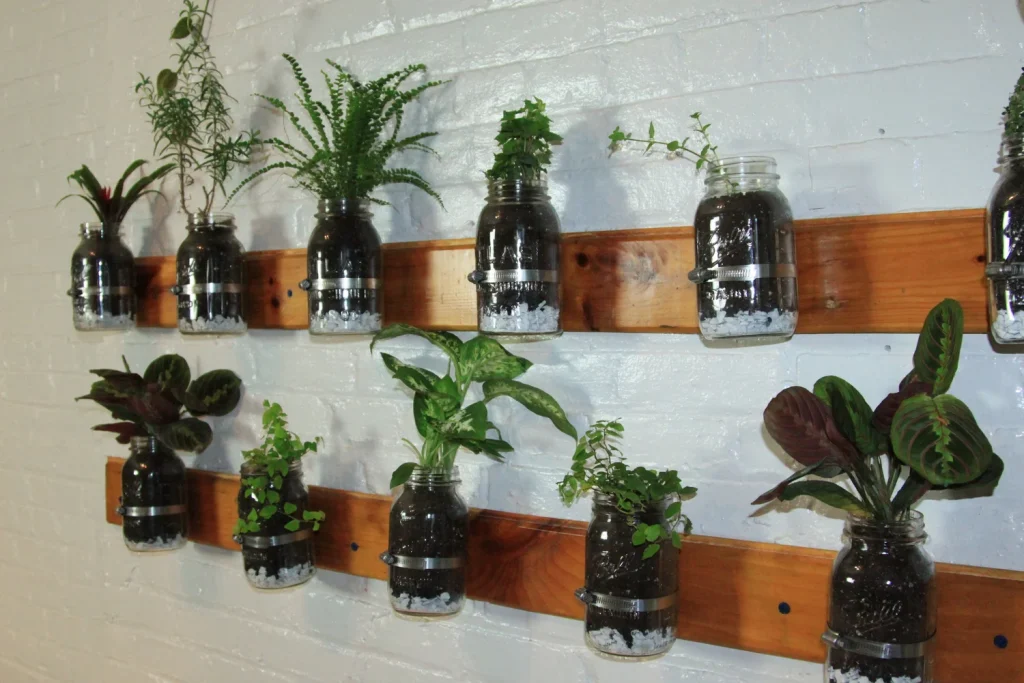
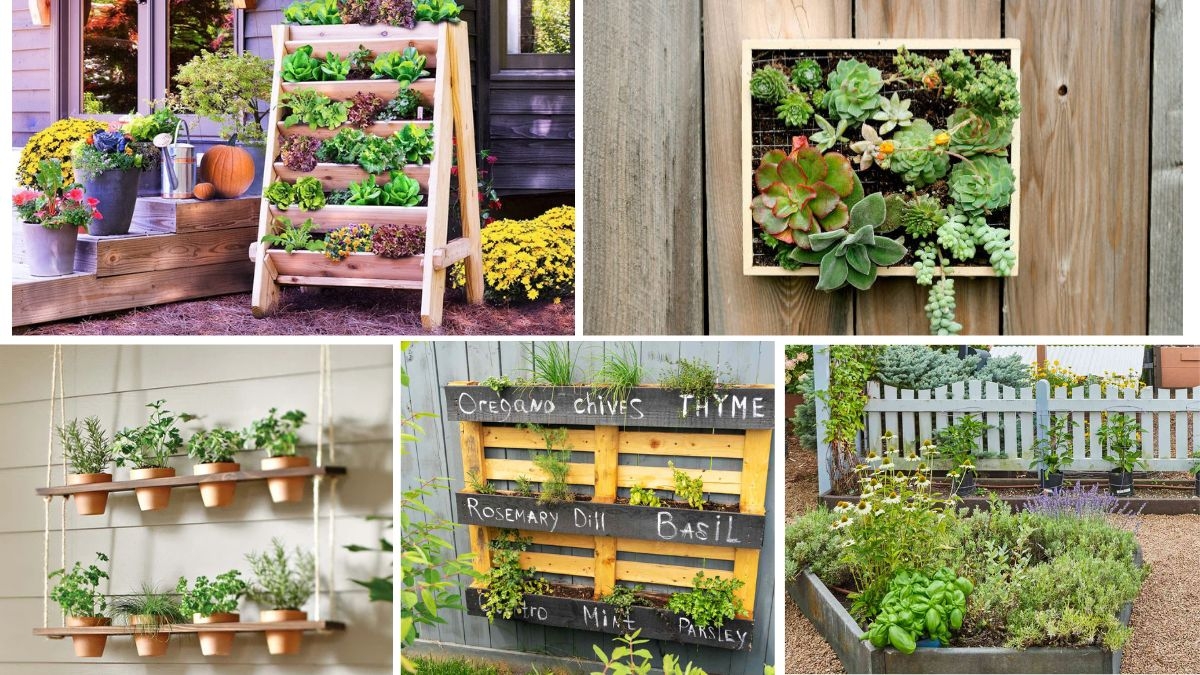
Vertical gardens are perfect for maximizing space and adding greenery to your walls. Think about utilizing a blank wall in your kitchen or living room. You can install shelves or use a wall-mounted planter system. These systems not only save space but also create a striking visual impact. Consider arranging pots at different heights for a dynamic look. You can even paint the wall with a contrasting color to make your herbs pop. Another idea is using a pegboard; hang small pots or baskets filled with herbs. It’s easy to rearrange and add new plants as your garden grows. How will you fill your vertical space with lush, aromatic herbs?
Window Sill Arrangements
Window sills offer the perfect location for herbs that crave sunlight. Line up pots on your kitchen window sill for easy access while cooking. Choose pots of varying sizes to create an interesting visual pattern. You can also use a tiered stand to display your herbs. This arrangement not only looks elegant but also helps maximize the use of your window space. Imagine the sunlight streaming in, highlighting the vibrant greens of your basil and mint. Don’t forget about hanging planters. Suspend them from the curtain rod or ceiling hooks for a delightful, floating garden. This setup is a conversation starter and can inspire others to explore their own creative herb displays. Think about how these simple arrangements can transform your indoor herb garden into a charming focal point.
Seasonal Care Tips
Creating an indoor herb garden is a rewarding experience. Proper seasonal care ensures your herbs thrive. Each season brings unique challenges. Being prepared keeps your garden healthy year-round.
Adjusting For Temperature Changes
Temperature affects herb growth. Indoor environments vary from season to season. In summer, herbs may need less sunlight. Move pots away from hot windows. In winter, give them more light. Place them near sunnier spots.
Monitor indoor humidity. Use a humidifier if air becomes too dry. Herbs prefer balanced moisture levels. Check soil regularly. Adjust watering based on seasonal temperature shifts.
Winterizing Your Herb Garden
Winter can be harsh for indoor herbs. Ensure proper care to maintain their health. Reduce watering frequency. Winter air is less dry, so overwatering is a risk. Check for signs of root rot.
Prune dead leaves and stems. This encourages new growth. Keep herbs compact and healthy. Use fertilizer sparingly. Winter growth is slower, so avoid overfeeding.
Protect herbs from cold drafts. Avoid placing near doors and windows. Insulate pots if necessary. This helps retain warmth.
Credit: pune-okayamafriendshipgarden.com
Frequently Asked Questions
What Do I Need To Start An Indoor Herb Garden?
Start with pots, quality soil, and herb seeds. Ensure adequate sunlight or use grow lights. Keep plants hydrated and prune regularly. Choose easy herbs like basil, mint, or parsley. Maintain a consistent temperature and humidity. Enjoy fresh herbs year-round.
What Herbs Can You Grow Together Indoors?
Basil, parsley, and cilantro thrive together indoors due to similar light and water needs. Mint and oregano also pair well, as do chives and sage. Ensure good drainage and adequate sunlight for healthy growth. Grouping herbs with similar requirements ensures they flourish together in your indoor garden.
Can You Have An Indoor Herb Garden All Year Round?
Yes, you can maintain an indoor herb garden all year. Choose herbs like basil, mint, and rosemary. Ensure adequate sunlight, or use grow lights. Regular watering and proper drainage are essential for healthy growth. Indoor gardens provide fresh herbs for cooking anytime, enhancing flavors in meals year-round.
Which Herbs Should Not Be Planted Together?
Mint and parsley should not be planted together. Mint spreads aggressively, overshadowing parsley. Dill and fennel should also be separated as they can cross-pollinate, affecting growth. Basil and sage compete for nutrients, so keep them apart. Ensure herbs have compatible growth habits and nutrient needs for optimal growth.
Conclusion
Creating an indoor herb garden is simple and rewarding. Fresh herbs enhance meals and boost health. Start with easy-to-grow plants like basil and mint. Ensure good light and water for healthy growth. Use pots or trays that fit your space.
Regularly prune to encourage new growth. Enjoy your garden’s aroma and taste every day. Gardening relaxes and connects you to nature. Share your bounty with friends and family. Growing herbs indoors transforms any home into a cozy, green oasis. Embrace the joys of nurturing plants right in your kitchen.


