Are you eager to enjoy fresh, home-grown potatoes straight from your garden? Imagine digging your hands into the soil, pulling up your own crop, and savoring the delicious taste of potatoes you’ve nurtured yourself.
Planting potatoes is easier than you might think, and it’s a rewarding experience for any garden enthusiast. In this guide, you’ll discover simple steps that will transform your backyard into a potato haven. Whether you’re a seasoned gardener or a complete beginner, you’ll find that growing potatoes can be both fun and fulfilling.
Ready to unlock the secrets to a bountiful harvest? Let’s dig in and get your garden thriving!

Credit: www.youtube.com
Choosing The Right Potato Variety
Choosing the right potato variety can make all the difference in your gardening success. Whether you’re hoping for a bountiful harvest or simply trying to avoid common growing pitfalls, selecting the perfect spud is key. Let’s dive into what you should consider when picking your potato variety.
Best Varieties For Different Climates
Not all potatoes thrive in every climate. If you live in a cooler area, varieties like ‘Yukon Gold’ or ‘Russet’ might be your best bet. They are known for their resilience to colder temperatures and shorter growing seasons.
In warmer climates, consider planting ‘Red Pontiac’ or ‘Kennebec’ potatoes. These varieties can handle heat better and often produce a higher yield. Take a moment to research which type suits your local climate best. Your choice here can lead to a flourishing garden or a disappointing harvest.
Seed Potatoes Vs. Store-bought
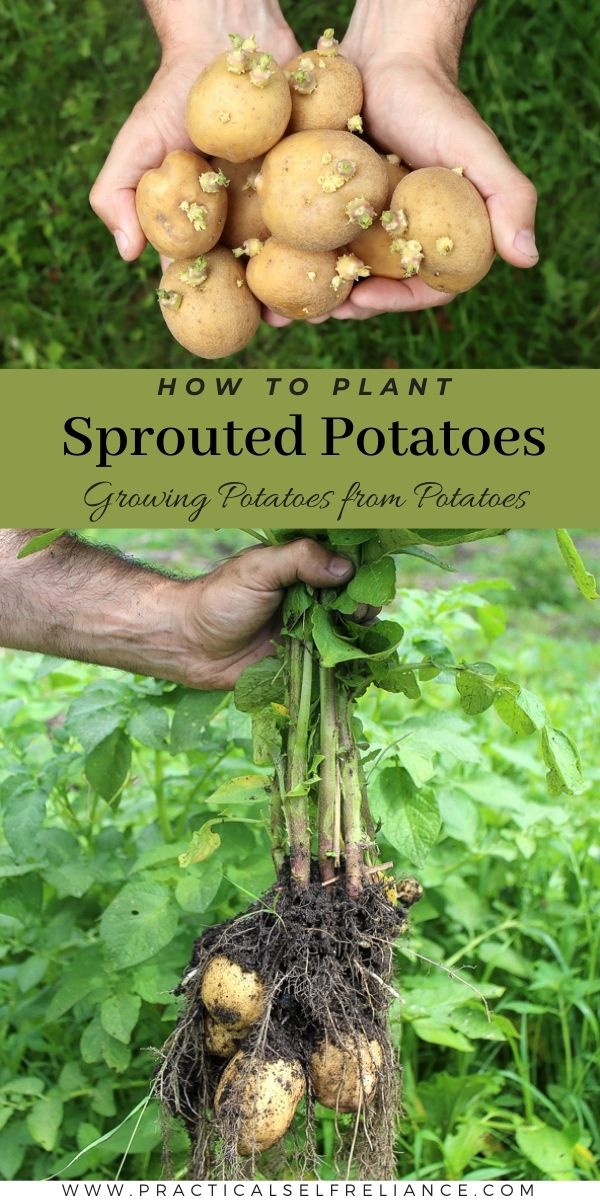
You might be tempted to grab potatoes from your local grocery store for planting, but there’s a catch. Store-bought potatoes are often treated to prevent sprouting. This means they may not grow well, if at all.
Seed potatoes, on the other hand, are specifically meant for planting. They haven’t been treated and are usually disease-free. Yes, they may cost a bit more, but their potential for producing a healthy crop is worth it. Investing in quality seed potatoes can be the difference between a flourishing garden and a failed experiment.
Have you ever tried planting store-bought potatoes? What was your experience? Share your thoughts and help fellow gardeners make informed choices.
Preparing The Planting Site
Preparing the Planting Site Choose a sunny spot with well-drained soil for your potatoes. Remove weeds and rocks to create a smooth area. Add compost or manure to enrich the soil, ensuring healthy growth.
Before you begin planting potatoes in your garden, it’s crucial to prepare the planting site properly. This preparation ensures your potatoes have the best start possible and can lead to a bountiful harvest. Let’s dive into the essential steps to set up your garden for growing healthy, delicious potatoes.
Soil Requirements
The success of your potato crop starts with the right soil. Potatoes thrive in loose, well-drained soil that’s slightly acidic, with a pH between 5.0 and 6.0. If your garden soil is heavy clay or too sandy, don’t worry. You can improve its quality by adding organic matter like compost or aged manure. This addition not only enhances drainage but also boosts nutrient content. Compacted or poorly drained soil can lead to disease and poor growth. Consider using raised beds if you’re dealing with such challenges.
Ideal Sunlight Conditions
Potatoes are sun-loving plants that need ample sunlight to flourish. Aim for a spot in your garden that receives at least 6 to 8 hours of direct sunlight daily. Observe your garden throughout the day to identify areas with the most consistent sun exposure. Avoid shaded locations, as potatoes grown in low light can become leggy and produce fewer tubers. Have you ever noticed how plants seem to lean towards the sun? Ensuring your potatoes get enough sunlight helps them grow straight and strong, maximizing your yield. Remember, the preparation phase is your opportunity to set the stage for a successful potato harvest. Are you ready to transform your garden into a potato paradise?
Planting Techniques
Choose a sunny spot and prepare the soil by loosening it. Plant seed potatoes with eyes facing up. Cover them with soil and keep the area moist.
Planting potatoes in your garden can be rewarding. Different techniques cater to varied spaces and preferences. Each method offers unique benefits. Let’s explore some popular planting techniques.
Traditional Row Method
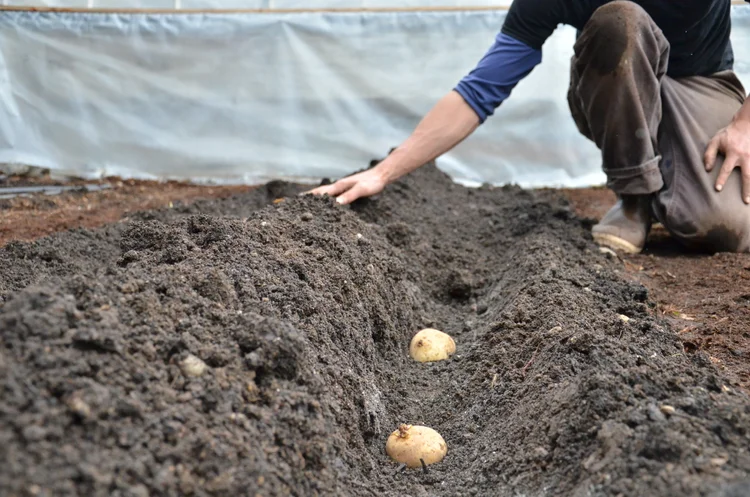
This method is classic for a reason. It allows easy access to plants. Start by tilling the soil to 12 inches deep. Ensure the soil is loose and free of rocks. Create furrows about 3 inches deep and 2 feet apart. Place seed potatoes in the furrow, cut side down, every 12 inches. Cover them with soil, then water gently.
Container Gardening Option
Container gardening suits small spaces. Choose a container with good drainage. Fill it with a mix of potting soil and compost. Plant seed potatoes about 6 inches deep. Ensure they have enough space to grow. Water the container regularly to keep soil moist. Place in a sunny spot for best results.
Using Raised Beds
Raised beds offer better control over soil and pests. Build beds at least 12 inches high. Fill with quality soil mixed with compost. Plant seed potatoes 6 inches deep and spaced 12 inches apart. Raised beds warm quickly, promoting growth. Water consistently for healthy plants. Keep an eye on soil moisture levels.
Credit: practicalselfreliance.com
Watering And Fertilization
Potatoes thrive with proper watering and fertilization. These elements are crucial for healthy growth and high yields. Watering ensures the potatoes get the moisture they need. Fertilization provides necessary nutrients. Both aspects must be carefully managed to avoid issues like rot or nutrient deficiency.
Proper Watering Schedule
Potatoes need consistent moisture, especially during tuber formation. It’s best to water deeply once a week. Ensure the soil is moist but not soggy. Use a drip irrigation system to maintain consistent moisture levels. Check the soil regularly. If the top inch is dry, it’s time to water.
Organic Fertilizer Options
Organic fertilizers enrich the soil naturally. Compost is a popular choice. It improves soil structure and provides nutrients. Manure is another option. It releases nutrients slowly over time. Bone meal boosts phosphorus levels, aiding root development. Apply fertilizers before planting and during growth phases.
Pest And Disease Management
Planting potatoes in your garden requires careful pest and disease management. Regularly check for signs of blight and remove affected plants immediately. Use natural repellents to deter common pests like aphids and beetles.
Pest and disease management is crucial for a healthy potato garden. Without proper care, pests and diseases can ruin your hard work. Understanding common threats helps you protect your crops. Implementing preventive measures ensures a bountiful harvest.
Common Pests To Watch For
Several pests can target potato plants. Colorado potato beetles are common. These bugs eat leaves and weaken plants. Aphids are tiny but can spread diseases. They suck the sap and leave plants vulnerable. Slugs and snails also pose a threat. They feast on young plants and can cause serious damage. Regular monitoring helps catch these pests early.
Disease Prevention Strategies
Good practices can prevent diseases in your potato garden. Start with healthy, certified seed potatoes. This reduces the risk of introducing diseases. Ensure proper spacing between plants. Crowded plants can spread diseases more easily. Rotate your crops each year. Avoid planting potatoes in the same spot consecutively. This helps break disease cycles. Keep your garden clean by removing plant debris. It reduces habitat for pests and pathogens. Water at the base to prevent fungal diseases from wet leaves. These strategies promote a healthy growing environment.
Harvesting Tips
Plant potatoes in your garden by choosing a sunny spot with well-drained soil. Space seed potatoes 12 inches apart and cover with soil. Water regularly and mound soil as plants grow.
Harvesting potatoes is a rewarding experience that marks the culmination of your gardening efforts. As you anticipate digging up those delicious tubers, it’s essential to know when and how to harvest them for the best results. This section offers practical tips on recognizing when your potatoes are ready for harvest and the tools you’ll need to do it properly.
Signs Potatoes Are Ready
Waiting for the right time to harvest is crucial for a bountiful potato yield. Look for signs like the yellowing and dying back of the plant’s foliage, which indicates that the potatoes are mature. You can also perform a small test dig to check the size of the tubers. If they’re about the size of a hen’s egg or larger, it’s time to harvest. Consider the weather conditions too. It’s best to harvest on a dry day to avoid muddy potatoes and potential rot. Have you noticed that your plants are starting to wilt and the soil is dry? These are perfect conditions for harvesting.
Proper Harvesting Tools
Having the right tools makes harvesting easier and prevents damage to the potatoes. A garden fork is ideal for loosening the soil around the plants without cutting into the tubers. Be gentle as you lift the potatoes to avoid bruising them. A bucket or basket is handy for collecting your harvest. This helps keep the potatoes clean and minimizes handling. Remember to wear gloves to protect your hands from scratches or cuts when digging. Are you equipped with the right tools? Ensuring you have everything ready can transform your harvest day into a smooth and enjoyable experience.
Storing Your Harvest
Harvesting potatoes requires careful storage to preserve freshness. Store your crop in a cool, dark place with good ventilation. Keep potatoes away from sunlight to prevent sprouting and spoilage.
After you’ve enjoyed the fruits of your labor in the garden, storing your potato harvest properly is crucial to ensure they remain fresh and flavorful for months. How you store your potatoes can make a significant difference in their longevity and taste. Let’s dive into some best practices for storing your potato harvest.
Best Storage Practices
Storing potatoes isn’t just about tossing them in a cupboard and hoping for the best. The environment plays a significant role in keeping your spuds fresh. Consider a cool, dark, and dry place—like a basement or a pantry. Place your potatoes in burlap sacks or paper bags. These materials allow air circulation, preventing moisture buildup that can lead to rot. Avoid using plastic bags, as they trap moisture and encourage spoilage.
Avoiding Spoilage
Potatoes are sensitive to light, which can cause them to turn green and become inedible. Ensure they are stored away from direct sunlight. Regularly check your stored potatoes for signs of spoilage or sprouting. Remove any potatoes showing signs of decay immediately to prevent the spread to others. If you’re wondering why some potatoes spoil faster, it could be due to improper harvesting. Handle them gently during harvest to avoid bruising, which can lead to quicker spoilage. Storing your harvest correctly can make all the difference in the longevity and taste of your potatoes. Are you ready to savor your garden’s bounty for months to come?
Frequently Asked Questions
What Is The Proper Way To Plant Potatoes?
To plant potatoes, choose a sunny spot with well-drained soil. Cut seed potatoes into chunks with eyes. Plant them 4 inches deep and 12 inches apart. Cover with soil, water regularly, and mound soil around stems as they grow. Harvest when foliage dies back.
How Many Potatoes Do You Put In Each Hole?
Plant one potato per hole for optimal growth. Ensure each hole is 3-4 inches deep. Space holes 12 inches apart for healthy development. Cover potatoes with soil and water consistently. This method promotes robust growth and maximizes yield.
Can I Just Throw Potatoes In The Ground?
Planting potatoes directly in the ground is possible. Use seed potatoes for better results. Ensure soil is well-drained and fertile. Cover them with soil and water regularly. They need sunlight and space to grow. Harvest when the plants flower and the foliage begins to die back.
What Not To Do When Planting Potatoes?
Avoid planting potatoes in waterlogged soil. Do not plant them too early in cold conditions. Avoid overcrowding; ensure proper spacing. Do not neglect pest control measures. Avoid replanting in the same soil without rotating crops.
Conclusion
Growing potatoes in your garden is rewarding and simple. Start by choosing healthy seed potatoes. Prepare the soil with proper nutrients. Plant them in well-drained soil. Water regularly but avoid overwatering. Watch out for pests and diseases. Harvest when the plants die back.
Enjoy fresh, homegrown potatoes in your meals. Gardening teaches patience and care. Potatoes are a versatile crop. Perfect for new gardeners. Try it this season. Experience the joy of growing your own food. Share your harvest with friends and family.
Gardening connects us to nature. Happy planting!


