Are you confused about choosing between potting mix and garden soil for your plants? You’re not alone.
Many gardeners and plant enthusiasts often find themselves puzzled when it comes to these two essential gardening components. Knowing the difference can be the key to healthier, more vibrant plants, whether you’re nurturing a lush indoor jungle or cultivating a productive vegetable garden.
Unlock the secrets to successful gardening by understanding what sets potting mix apart from garden soil. This knowledge doesn’t just empower your green thumb; it could be the game-changer in your gardening journey. Dive in to discover which option is best for your plants and why making the right choice can transform your gardening experience. Let’s get to the root of it, shall we?
Potting Mix Characteristics
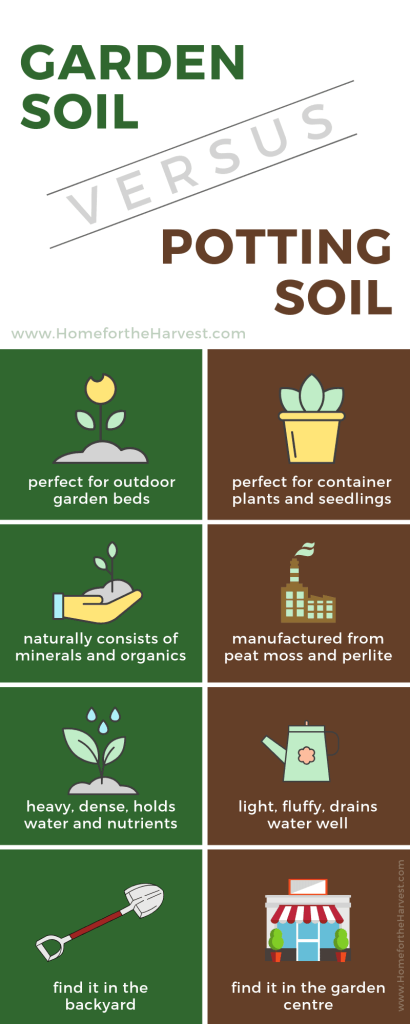
Potting mix is lighter and drains better than garden soil. It’s ideal for potted plants, offering nutrients and good aeration. Garden soil, denser and heavier, is suited for outdoor beds. It retains moisture and supports stronger root systems.
Potting mix is a tailored blend designed to meet the specific needs of container plants. Unlike garden soil, potting mix offers several distinct characteristics that make it ideal for potted environments. Understanding these attributes can significantly enhance your gardening experience, ensuring your plants thrive in their confined spaces.Composition And Ingredients
Potting mix is typically composed of lightweight materials like peat moss, vermiculite, or perlite. These ingredients are chosen for their ability to maintain a balance of air and moisture, which is crucial for healthy root development. You might find potting mixes that include bark or coconut coir, adding extra aeration and organic matter. Have you ever noticed how your potted plants seem to grow effortlessly? That’s largely due to the thoughtfully curated ingredients that support robust growth.Water Retention And Drainage
One of the essential characteristics of potting mix is its superior water retention paired with excellent drainage. This combination prevents root rot, a common issue in containers where water can easily become trapped. Think about how often you water your plants. With potting mix, you can maintain consistent moisture without over-saturating the roots, giving you more freedom in your watering schedule.Nutrient Content
Potting mixes often come enriched with essential nutrients to kickstart plant growth. Fertilizers are frequently added to provide a balanced diet for your plants, supporting their development and flowering. However, be cautious as these nutrients can deplete over time. Regularly check the nutrient levels, and consider supplementing with additional fertilizers to keep your plants nourished. How often do you feed your potted plants? It might be time to evaluate if your mix is still delivering the nutrients they need.
Credit: www.facebook.com
Garden Soil Features
Potting mix is designed for containers, ensuring good drainage and aeration. Garden soil is heavier, suitable for outdoor beds. Each serves distinct purposes for plant growth.
Garden soil is a fundamental element for every garden. It provides the foundation for plants to thrive. Understanding its features can enhance your gardening experience. Let’s explore the unique attributes of garden soil.Natural Composition
Garden soil is rich in minerals and organic matter. It contains elements from decomposed plants and animals. This natural composition supports plant growth efficiently. The soil’s organic content improves water retention and fertility. Healthy garden soil teems with beneficial microorganisms. These organisms break down organic matter, releasing nutrients for plants.Soil Structure And Texture
The structure and texture of garden soil vary. It can be sandy, clayey, or loamy. Sandy soil drains water quickly but holds fewer nutrients. Clayey soil retains water but may compact easily. Loamy soil is ideal, balancing drainage and nutrient retention. The right texture helps roots spread and access nutrients. It also influences how air and water move through the soil.Nutrient Availability
Garden soil is a natural reservoir of nutrients. It provides essential minerals like nitrogen, phosphorus, and potassium. These nutrients are crucial for healthy plant growth. Soil tests can reveal nutrient levels and deficiencies. Amending soil with compost can replenish nutrients. Healthy soil ensures plants have a steady nutrient supply.Key Differences
Potting mix is lightweight and designed for containers, providing drainage and nutrients. Garden soil is heavier and used for outdoor planting, offering natural minerals and organic matter.
Understanding the key differences between potting mix and garden soil is crucial for any gardener. Whether you’re growing vibrant indoor plants or nurturing an outdoor garden, using the right material can make all the difference. Let’s dive into the primary distinctions that set these two gardening essentials apart.Intended Use And Application
Potting mix is specially formulated for container gardening. It’s designed to support the unique needs of potted plants, providing them with the right balance of moisture and nutrients. On the other hand, garden soil is meant for outdoor gardens and is mixed with existing ground soil to enhance its quality. When you use potting mix in your indoor planters, your plants thrive because of the controlled environment. If you’ve ever tried using garden soil in a pot, you might have noticed poor drainage and compaction, which can harm your plant’s roots. Choosing the right medium based on where you’re planting is vital for healthy growth.Weight And Density
Potting mix is lightweight and airy, ensuring that roots have enough space to breathe. This property makes it perfect for pots, where heavy soil can suffocate plants. Garden soil, however, is denser and heavier, which is suitable for outdoor use where it mixes with existing soil. Imagine lifting a pot filled with garden soil; it would be unnecessarily heavy. Potting mix, with its light texture, makes moving and repotting plants manageable. Always consider the weight and density when selecting the soil for your gardening project.Microbial Content
Garden soil is rich in natural microbes, which are essential for breaking down organic matter and improving soil fertility. However, this can be a double-edged sword as it might also contain pathogens harmful to potted plants. Potting mix, in contrast, is sterilized to eliminate such risks, providing a safe environment for container plants. You might wonder if these microbes are beneficial or detrimental. In an outdoor garden, they play a crucial role in maintaining a healthy ecosystem. But in a confined pot, sterilized potting mix protects your plants from diseases, ensuring they stay vibrant and healthy. Choosing between potting mix and garden soil isn’t just about preference; it’s about understanding and meeting the needs of your plants. Are you giving your plants the best possible environment to thrive?
Credit: archwhispers.com
Choosing The Right Medium
Choosing the right medium for your plants can make a big difference. Potting mix is ideal for potted plants, offering better drainage and aeration. Garden soil, on the other hand, is suitable for outdoor gardens, providing nutrients and structure to support plant growth.
Choosing the right medium for your plants can be the difference between a thriving garden and one that struggles. Whether you’re a seasoned gardener or just starting out, understanding the unique needs of your plants is crucial. Potting mix and garden soil each have their strengths, and the choice depends on a variety of factors.Plant Type Considerations
Different plants have different needs. Houseplants, for instance, often thrive in potting mix because it offers better drainage and aeration. On the other hand, outdoor plants might benefit more from garden soil, which has nutrients suited for larger spaces. Consider the root structure and growth pattern of your plants. If you are growing succulents, they prefer a fast-draining mix to prevent root rot. Meanwhile, vegetables might require the nutrient-rich environment that garden soil can provide.Climate And Environmental Factors
Your local climate plays a significant role in deciding between potting mix and garden soil. In arid regions, garden soil may retain moisture better, supporting plant growth during dry spells. Conversely, in humid areas, a well-draining potting mix can prevent excess moisture. Environmental conditions like sunlight and temperature also impact your choice. In colder climates, potting mix can offer better insulation for roots, while garden soil might work better in warmer areas where evaporation is a concern.Budget And Accessibility
Cost and availability can influence your decision. Potting mix is often more expensive due to its specific composition and packaging, making it a pricier option for large projects. However, if you’re working with a limited budget, garden soil can be a more economical choice, especially if you have access to compost or can enrich the soil yourself. Accessibility is also key—potting mix is readily available at most garden centers, while quality garden soil might require a bit more effort to source, especially if you’re looking for organic options. Choosing between potting mix and garden soil doesn’t have to be daunting. By considering plant type, climate conditions, and your budget, you can make an informed decision that supports your gardening goals. What factors are most important to you when selecting your planting medium?Pros And Cons
Potting mix is lightweight and ideal for containers, offering better aeration and drainage than garden soil. Garden soil is denser, providing nutrients and support for plants in beds but might compact in pots.
Understanding the pros and cons of potting mix and garden soil can guide you in making the right choice for your gardening needs. Each has its unique advantages and potential drawbacks, which can significantly impact plant growth. Let’s dive into what each offers and where they might fall short.Advantages Of Potting Mix
Potting mix is lightweight, which makes it easy to handle and ideal for container gardening. It offers excellent drainage, reducing the risk of overwatering and root rot. Most potting mixes are sterile, protecting your plants from pests and diseases.Advantages Of Garden Soil
Garden soil is often rich in nutrients, providing a nourishing environment for plants to thrive. It’s cost-effective, especially if you have a large area to cover. Over time, garden soil can improve the structure and fertility of your garden as organic matter breaks down.Potential Drawbacks
Potting mix can be more expensive, especially if you have a large number of containers. It may require frequent fertilization since it typically doesn’t contain a lot of nutrients. Garden soil, on the other hand, can be heavy and challenging to work with, particularly if it’s clay-based. It might harbor weeds, pests, or diseases, potentially affecting your plants’ health. When choosing between potting mix and garden soil, consider your specific gardening needs and constraints. Is ease of use more important to you, or do you prioritize cost-effectiveness? Your answer could guide your decision and lead to flourishing plants.Common Misconceptions
Common misconceptions about potting mix and garden soil can lead to gardening mishaps. Many believe these two are interchangeable, but they serve different purposes. Understanding these differences can save your plants and enhance your gardening experience.
Interchangeability Myth
A common myth is that potting mix and garden soil can be swapped without consequence. Potting mix is formulated for container gardening, optimized for drainage and aeration. Garden soil, on the other hand, is designed for outdoor beds, providing structure and nutrients for in-ground plants.
Using garden soil in pots can suffocate roots due to poor drainage. Conversely, using potting mix in garden beds may lack the weight and nutrients needed for robust plant growth. Have you ever tried using garden soil in a pot and noticed your plant’s struggle?
Cost Vs. Quality Debate
The debate often arises over the cost of potting mix compared to garden soil. Potting mix can be more expensive, but it offers benefits that justify the price. Its lightweight and sterile composition prevents pests and diseases in container plants.
Garden soil is usually more affordable, but quality can vary widely. Investing in quality soil ensures better plant health and yield. Would you compromise quality for a lower price if it means risking your plant’s health?
Tips For Effective Use
Understanding the difference between potting mix and garden soil is key for healthy plants. Potting mix is lightweight and drains well, perfect for container plants. Garden soil is heavier and nutrient-rich, ideal for outdoor gardens.
When it comes to nurturing your plants, understanding the difference between potting mix and garden soil is crucial. Each has its unique properties and uses. Knowing how to effectively use them can greatly impact your gardening success. Here are some tips to make the most out of potting mix and garden soil.Mixing Potting Mix With Garden Soil
Combining potting mix with garden soil can improve drainage. It helps balance moisture levels for plants sensitive to overwatering. Mix equal parts of potting mix and garden soil for better aeration. This blend is ideal for container gardening. It offers nutrients and prevents soil compaction.Enhancing Soil Quality
Enhancing soil quality is essential for healthy plant growth. Add organic matter like compost to garden soil. It enriches nutrients and improves texture. Use potting mix to provide a balanced environment for roots. It often contains peat moss, which retains moisture. Also, look for mixes with perlite or vermiculite for better aeration.Maintaining Plant Health
Maintaining plant health involves regular checks and adjustments. Ensure soil is neither too dry nor too wet. Use potting mix for indoor plants to avoid pests. Refresh the soil or mix annually to replenish nutrients. Monitor pH levels to match plant needs. Adjust with lime or sulfur if necessary. Regularly remove weeds to reduce competition for resources.
Credit: archwhispers.com
Frequently Asked Questions
Can I Use Potting Mix Instead Of Garden Soil?
Yes, you can use potting mix instead of garden soil. Potting mix is designed for container gardening. It provides better drainage and aeration. Garden soil might compact in pots, affecting plant growth. For optimal results, choose a potting mix with added nutrients suitable for your plants.
What’s The Difference Between Miracle-gro Garden Soil And Potting Mix?
Miracle-Gro garden soil is for outdoor use and improves existing soil. Potting mix is designed for container plants, offering better drainage and aeration.
Can I Use Potting Mix In Garden Beds?
Yes, you can use potting mix in garden beds. It improves soil drainage and nutrient content. Ensure to mix it well with existing soil for the best results. Potting mix is ideal for container gardening but also benefits raised garden beds.
Adjust the ratio based on your plants’ needs.
Is There A Big Difference Between Garden Soil And Potting Soil?
Yes, garden soil differs significantly from potting soil. Garden soil is denser and retains moisture longer. Potting soil is lightweight, drains well, and often contains nutrients for container plants. Each is designed for specific planting needs, ensuring optimal plant growth and health.
Choose based on your planting requirements.
Conclusion
Choosing between potting mix and garden soil depends on your needs. Potting mix suits containers. It’s light and drains well. Perfect for indoor plants. Garden soil is best for outdoor beds. Rich in nutrients, it supports strong root growth. Each has its place.
Know your plant’s requirements. Consider the environment. Make informed choices for healthy gardens. These options aid plant life. They cater to different gardening styles. Understanding their differences leads to better plant care. Enjoy nurturing your green space. Make your garden thrive with the right choice.


