Are you battling with mint invading your garden like an uninvited guest? If you’ve ever planted mint, you know it can quickly become a garden tyrant, taking over every inch of soil it can reach.
While its refreshing scent and culinary uses are appealing, mint’s aggressive nature can crowd out other plants you love. But don’t worry; you’re not alone in this struggle, and there’s a solution. Imagine a garden where each plant thrives in harmony, without the relentless advance of mint.
In this guide, you’ll discover simple, effective ways to reclaim your garden space and keep mint in check for good. Read on to learn how you can enjoy the benefits of mint without letting it dominate your garden.

Credit: www.yahoo.com
Identifying Mint In Your Garden
Identifying mint in your garden is crucial for removal. Look for square stems and fragrant, serrated leaves. Recognizing these features helps in addressing its invasive growth effectively.
Mint can be a delightful herb, but its invasive nature often poses challenges. Recognizing mint in your garden is crucial before tackling its removal. This section will guide you in identifying mint effectively, ensuring you’re well-prepared for the next steps in garden management.
Leaf Shape And Texture
Mint leaves are distinctively oval with pointed tips. They have a serrated edge and are slightly fuzzy. This texture sets them apart from other herbs. Their vibrant green color is another key identifier.
Aromatic Scent
Mint is famous for its refreshing scent. Crush a leaf between your fingers. A strong, pleasant aroma will confirm its identity. This scent is unmistakable and easily distinguishes mint from other plants.
Growth Pattern
Mint grows rapidly and spreads quickly. It forms dense patches through underground runners. If you notice this spreading habit, it’s likely mint. Observing its growth pattern can help in early identification.
Flower Characteristics
Mint flowers are small and clustered, usually pale purple or white. These blooms appear in summer. Identifying these flowers can further confirm mint presence. Look for them along the stem.
Stem Structure
Mint stems are square-shaped and sturdy. They are slightly hairy and can be easily bent. This unique stem structure is another distinctive feature. Checking the stem will aid in identification.
Understanding Mint’s Growth Patterns
Mint spreads quickly through its underground roots. Digging out these roots completely can prevent regrowth. Regularly checking and removing new shoots helps maintain control.
Understanding Mint’s Growth Patterns Mint is a hardy plant with rapid growth patterns. It spreads quickly, overtaking garden space. Recognizing its growth habits helps in controlling it effectively. Mint prefers moist soil and partial sun. Its underground roots, called rhizomes, extend far and wide. These roots make mint challenging to contain. Understanding these patterns is crucial for successful removal.
Rhizome Spreading
Mint grows through rhizomes, underground stems. Rhizomes spread horizontally, creating new plants. This makes mint invasive in gardens. It requires vigilant monitoring. Regular checks are vital to manage its spread.
Above-ground Growth
Mint also grows above ground rapidly. Its stems reach up to two feet tall. Leaves are aromatic and dense. This growth pattern can shade other plants. It competes for sunlight and nutrients.
Seasonal Growth Cycle
Mint thrives in spring and summer. Growth slows in cooler months. Understanding this cycle aids in planning control measures. It’s easier to manage mint during its dormant phase.
Preferred Growing Conditions
Mint enjoys moist soil. It prefers partial sunlight. These conditions boost its growth. Altering these can help control its spread. Drying the soil and providing less sun can restrain mint.
Natural Reproduction
Mint reproduces naturally through seeds. Seeds spread by wind or water. This leads to more mint plants. Removing flowers before seeds form is crucial. This prevents further spreading.
Physical Removal Techniques
Pull mint plants by hand to remove them from the garden. Dig deep to ensure roots are completely extracted. Regularly check and remove any new growth to prevent spread.
Mint can be a delightful addition to your garden with its aromatic leaves and versatile uses. However, its aggressive growth can quickly turn it from friend to foe. If you’re battling a mint invasion, physical removal techniques can be your best ally. These methods, though labor-intensive, offer a straightforward approach to reclaiming your garden space.
Hand Pulling Methods
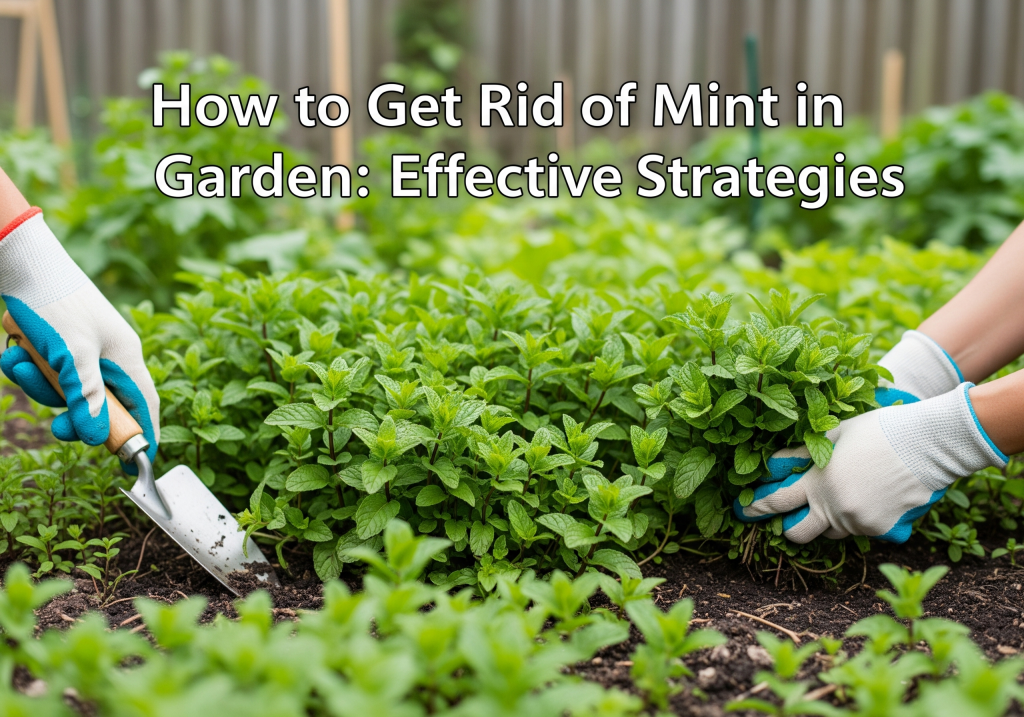
Hand pulling is a simple yet effective way to tackle mint. Begin by grasping the mint plant close to the base. Ensure you pull steadily and firmly to remove the entire root system. This prevents the mint from regenerating. For better results, tackle the mint patch when the soil is moist. This makes it easier to pull out the roots intact. Consider wearing gloves to protect your hands from any irritants. Have you ever thought of it as a mindfulness exercise? Embrace the repetitive motion and enjoy a moment of zen in your garden.
Digging And Excavation
Sometimes, mint’s roots run deep, requiring more than just a tug. Digging and excavation provide a thorough approach to removing stubborn mint patches. Use a spade or shovel to dig around the plant, ensuring you go deep enough to extract all the roots. Create a trench around the mint area, and carefully lift the soil to reveal the hidden roots. It might seem like a big task, but the satisfaction of a mint-free garden is worth it. Why not involve the family? Turn this task into a fun, educational experience. Share stories about how mint has taken over gardens worldwide, and together, work to reclaim your space. These physical removal techniques, though demanding, can be an engaging way to manage mint in your garden. Have you tried any of these methods? What worked best for you?

Credit: www.facebook.com
Using Barriers To Control Spread
Installing barriers in the garden can help control the spread of mint. Use sturdy materials like plastic or metal edging. These barriers keep mint roots contained, preventing them from overtaking other plants.
Using barriers can help control mint’s rapid spread in gardens. Mint grows quickly and can invade other areas. Barriers are a simple solution to keep it contained. They act as a physical block, preventing roots from spreading too far. This ensures your garden stays organized and mint-free.
Installing Root Barriers
Root barriers are a practical choice for controlling mint. They stop roots from spreading underground. Here’s how to install them: – Choose a strong, durable material like metal or plastic. – Dig a trench around the mint plant, at least 12 inches deep. – Place the barrier in the trench, ensuring it reaches the desired depth. – Fill the trench back with soil, compacting it firmly. This method keeps mint roots from invading other plants.
Raised Bed Solutions
Raised beds offer another effective way to control mint. They limit where mint can grow. To create a raised bed: – Build a frame using wood, stone, or brick. – Ensure the frame is at least 12 inches high. – Fill the bed with quality soil and plant your mint. This confines the mint to a designated area, making it easy to manage. Raised beds also improve soil drainage and accessibility. This makes them a versatile choice for gardeners.
Applying Natural Herbicides
Mint can become invasive in gardens, spreading quickly and taking over. Applying natural herbicides is an effective way to control its growth without harming the environment. These methods use everyday ingredients that are safe and easy to find.
Vinegar Solutions
Vinegar is a powerful natural herbicide. Its acidity can kill unwanted plants. Mix vinegar with water in a spray bottle. Spray directly on mint leaves. The solution dries the plant, leading to its demise. Use this method on sunny days for best results. Repeat the application weekly until mint is gone.
Boiling Water Method
Boiling water is simple yet effective. Pour boiling water over mint plants. It burns and kills them instantly. Target the roots for maximum impact. This method is best for small areas. Avoid pouring on nearby plants. Use caution to prevent burns. It’s a quick solution for stubborn mint.
Chemical Control Options
Mint can be a delightful addition to your garden, but its invasive nature can quickly turn your aromatic haven into a sprawling mint jungle. If you’re seeking to reclaim your garden space, chemical control options offer a solution. While not always the first choice for every gardener, these methods can be effective when implemented with care and precision. Let’s explore how selective herbicides and safety considerations can help you manage mint effectively.
Selective Herbicides
Selective herbicides target specific plant types, allowing you to eliminate mint without harming other beloved plants. Look for products labeled for broadleaf control, as mint falls into this category. Brands like Ortho Weed B Gon can be effective, but always ensure to read the label for mint-specific instructions.
Application timing is crucial. Aim to treat mint when it’s actively growing for the best results. Consider a calm, windless day to prevent drift to nearby plants. Have you ever noticed how plants react differently to treatments depending on weather conditions? This is a prime example where timing plays a pivotal role.
Safety Considerations
Safety should be a priority when handling chemicals. Always wear protective clothing, including gloves and goggles, to shield yourself from potential exposure. Have you ever wondered about the long-term impact of garden chemicals on your health and the environment?
Store herbicides securely, away from children and pets, and follow disposal guidelines to prevent contamination. Consider the impact on beneficial insects and soil health when choosing your products. Are you willing to compromise the ecosystem balance for mint control? Thoughtful consideration can lead to responsible gardening practices.
Preventive Measures
Containing mint in the garden involves regular trimming and careful planting in containers. Use barriers to prevent underground spreading. Keep an eye out for unwanted growth and act promptly to maintain control.
Preventive measures are crucial when trying to control the spread of mint in your garden. Mint, with its rapid growth and invasive nature, can quickly overtake other plants if not managed properly. By adopting proactive strategies, you can maintain a balanced and healthy garden environment, preventing mint from becoming a nuisance.
Regular Monitoring
Keeping an eye on your garden is essential. Regularly check the areas where mint is planted and nearby spots where it might spread. If you notice new growth outside the designated area, act swiftly to remove it. It’s easier to pull out young shoots than to tackle established plants. Make it a habit to walk through your garden weekly. Consistent monitoring prevents a minor issue from becoming a major problem.
Companion Planting
Companion planting is a natural way to manage mint’s spread. Some plants can help keep mint in check by competing for resources. Consider planting species like rosemary or lavender nearby, which can thrive alongside mint without being overwhelmed. Planting mint in containers is another effective strategy. This way, you can enjoy its benefits without the worry of it invading other areas. What combinations have you tried in your garden?

Credit: www.reddit.com
Maintaining A Mint-free Garden
Mint spreads quickly, overrunning gardens with ease. Regularly pull up mint roots to control its growth. Use barriers or containers to prevent mint from spreading further.
Maintaining a mint-free garden requires diligence and a touch of strategic planning. Mint, while aromatic and delightful in controlled spaces, can become a garden invader if left unchecked. The secret to keeping your garden free from this persistent plant lies in consistent care and informed practices.
Regular Weeding Routine
Consistency is your best friend when it comes to keeping mint at bay. Dedicate a specific day each week to check your garden for new mint growth. Pull them out by the root to prevent regrowth. Early morning is ideal for weeding, as the soil is typically moist and pliable, making it easier to remove the entire root. Consider using a hand trowel or a weeding fork for stubborn roots. Remember, regular attention minimizes the risk of mint spreading unnoticed.
Soil Care Practices
Healthy soil is less inviting to invasive plants like mint. Turn your soil periodically to disrupt mint rhizomes hidden beneath the surface. This practice not only prevents mint spread but also aerates the soil, promoting healthy plant growth. Adding organic matter such as compost can improve soil structure and nutrient content, creating an environment where desired plants thrive. Be mindful of drainage—well-drained soil discourages mint, which prefers moisture-rich environments. Have you considered companion planting? Certain plants, like garlic and onion, can naturally deter mint. By planting these alongside your preferred flora, you create a natural barrier against mint intrusion. These strategies, though simple, require commitment. Reflect on your gardening routine: Are you ready to commit to a mint-free zone?
Frequently Asked Questions
How To Get Rid Of Mint Permanently?
Dig up mint roots completely, ensuring no fragments remain. Apply a non-selective herbicide to any regrowth. Cover the area with a thick mulch or landscape fabric to prevent sunlight. Regularly monitor and remove any new sprouts. Persistence is key for permanent removal.
What To Do With Excess Mint In The Garden?
Dry mint leaves for tea or seasoning. Create mint-infused oils or syrups. Freeze mint for future use. Make refreshing mint ice cubes. Share or gift mint to friends.
What Pesticide Kills Mint?
Glyphosate effectively kills mint plants. It targets and eliminates the entire plant, including roots. Use with caution, as it can harm surrounding vegetation. Always follow label instructions for safe application.
Will Mint Grow Back If Cut Down?
Yes, mint will grow back after being cut down. It is a resilient herb that regrows quickly. Regular trimming promotes healthier and bushier growth. Ensure proper watering and sunlight for optimal regrowth.
Conclusion
Mint can be tough to control in gardens. But with patience, it’s possible. Start by pulling out roots regularly. Use barriers to limit spread. Cover areas with mulch or fabric. Keep the soil dry to prevent growth. Regular maintenance is key.
Don’t let mint overpower your plants. Stay vigilant. Watch for new shoots. With these steps, you can manage mint effectively. Enjoy a balanced garden space. Mint-free, stress-free. It takes time, but it’s worth it. Your garden will thank you. Happy gardening!