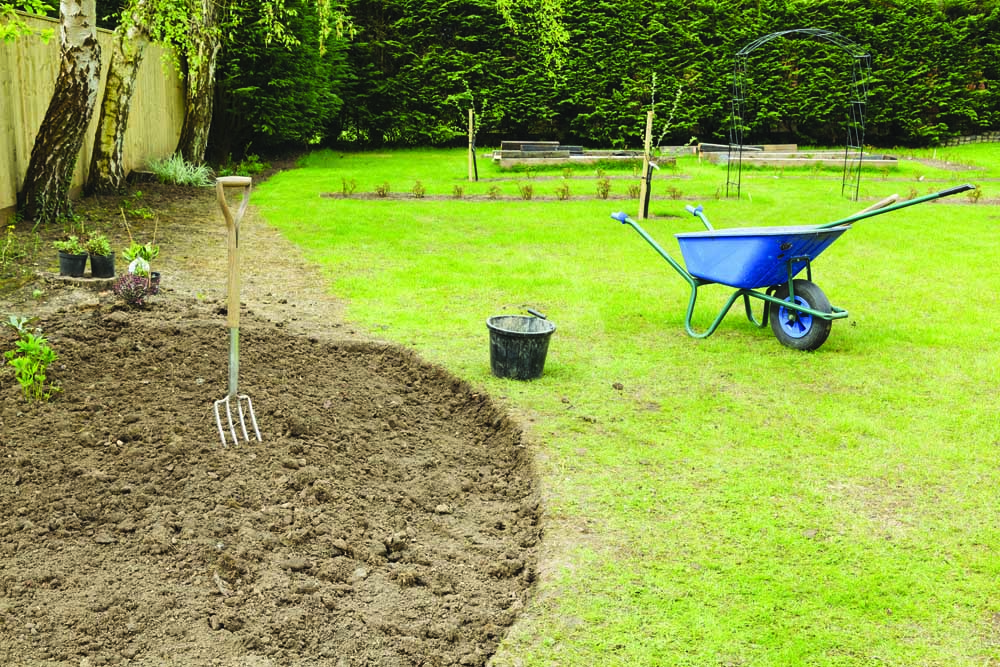
Are you ready to transform your garden into a lush, thriving paradise? The secret to vibrant plants and bountiful blooms lies beneath the surface—in the soil.
Understanding how to prepare garden soil is the cornerstone of successful gardening. Whether you’re a seasoned green thumb or just starting out, getting the soil right can feel like decoding a mysterious puzzle. But fear not; you’re about to unlock the secrets that will make your garden the envy of the neighborhood.
Imagine the joy of watching your plants flourish, knowing you’ve laid the perfect foundation. So, grab your gardening gloves and let’s dig into the simple steps that will revolutionize your garden. You won’t want to miss a single detail!
Understanding Soil Types
Understanding soil types is crucial for a healthy garden. Different soil types offer unique characteristics affecting plant growth. Knowing these traits helps in preparing the best garden soil.
Sandy Soil Characteristics
Sandy soil has large particles. It drains water quickly, preventing root rot. This type of soil warms up fast in spring, which is beneficial for early planting. However, it doesn’t hold nutrients well. Adding organic matter can improve its fertility.
Clay Soil Traits
Clay soil has small, compact particles. It retains water and nutrients effectively, which can be advantageous. But it often drains poorly and can become waterlogged. Clay soil can be hard to work with when wet. Improving drainage by adding organic material helps.
Loamy Soil Benefits
Loamy soil is a balanced mixture of sand, silt, and clay. It is considered ideal for gardening. It offers good drainage and nutrient retention. Loamy soil is easy to work with and supports healthy plant growth. Adding compost can enhance its quality further.

Credit: www.epicgardening.com
Testing Soil Health
Testing soil health is a crucial step in preparing your garden for a bountiful harvest. Understanding the condition of your soil can directly impact the growth and quality of your plants. By evaluating aspects such as pH levels and nutrient content, you can tailor your approach to meet the specific needs of your garden.
Conducting A Ph Test
Knowing the pH level of your soil is essential because it influences nutrient availability to your plants. You might be wondering how to determine this vital factor. A simple pH test can be done using a home testing kit available at garden centers. Follow the kit instructions to collect samples from different areas of your garden.
Once you have your results, compare them against the ideal pH levels for the plants you intend to grow. Most vegetables prefer slightly acidic soil, around 6.0 to 7.0. If your soil is too acidic or alkaline, you can adjust it by adding lime or sulfur. Don’t be surprised if this step transforms your garden’s productivity.
Identifying Nutrient Deficiencies
Beyond pH, nutrients play a pivotal role in plant health. Consider what might be lacking in your soil. A comprehensive soil test can reveal deficiencies in essential nutrients like nitrogen, phosphorus, and potassium. These nutrients are the building blocks for vigorous growth.
To address these deficiencies, use targeted fertilizers or organic amendments like compost or manure. For example, if nitrogen is low, adding a nitrogen-rich fertilizer can boost foliage growth. It’s fascinating how a little attention to detail can make a significant difference in your garden’s success.
Have you ever noticed your plants struggling despite your best efforts? Identifying nutrient deficiencies could be the missing piece in your gardening puzzle. By optimizing soil health, you’re setting the stage for robust and resilient plants.
Improving Soil Structure
Preparing garden soil improves its structure, enhancing plant growth. Add organic matter like compost or well-rotted manure to boost nutrients. This practice promotes better drainage and air circulation in the soil.
Improving the soil structure in your garden is vital for healthy plant growth. Well-structured soil promotes good drainage, retains necessary moisture, and provides a robust environment for roots to expand and thrive. Whether you’re a seasoned gardener or just starting out, understanding how to enhance soil structure can significantly impact your garden’s productivity. Let’s dive into practical ways to improve your garden soil.Incorporating Organic Matter
Adding organic matter to your soil is like giving it a nutritious boost. Organic materials such as compost, aged manure, and leaf mold enrich the soil, improving its texture and fertility. Think of compost as your garden’s multivitamin. It not only supplies essential nutrients but also encourages beneficial microorganisms that break down organic materials. These organisms enhance soil aeration and drainage, crucial for root health. Consider starting a compost pile if you haven’t already. It’s an efficient way to recycle kitchen scraps and yard waste while creating a valuable resource for your garden.Using Mulch Effectively
Mulching serves multiple purposes beyond just making your garden look neat. It acts as a protective layer, helping to retain moisture, suppress weeds, and regulate soil temperature. Choose mulch that suits your garden needs. Organic mulches like straw, wood chips, or grass clippings break down over time, adding nutrients and enhancing soil structure. Have you ever noticed how mulch can transform the soil beneath it? Over time, the soil becomes looser and richer, making it easier for plants to absorb nutrients. This is an effect you definitely want for your garden. Do you find yourself battling weeds constantly? Mulch can be your ally. It prevents sunlight from reaching weed seeds, reducing the need for frequent weeding. Remember, a layer of mulch can also reduce soil erosion during heavy rains. This helps maintain the integrity of your garden’s soil structure. Improving soil structure might seem like a daunting task at first, but with these tips, you’ll notice your garden thriving in no time. What changes will you make to your soil this season?
Credit: stantonins.com
Enhancing Soil Fertility
Enhancing soil fertility begins with choosing the right organic matter for your garden. Mixing compost and natural fertilizers boosts nutrients. Regularly testing soil pH ensures ideal growing conditions.
Enhancing soil fertility is a crucial step in preparing your garden soil for a bountiful harvest. Healthy soil is the foundation of a thriving garden, providing plants with the nutrients they need to grow strong and productive. By focusing on boosting your soil’s fertility, you can ensure that your garden will flourish throughout the growing season.Choosing The Right Fertilizers
Selecting the appropriate fertilizers is essential for boosting soil fertility. Consider the specific needs of your plants and the current condition of your soil. Conduct a soil test to understand what nutrients are lacking. Opt for fertilizers that contain the necessary nutrients, like nitrogen, phosphorus, and potassium. If you notice your plants have yellowing leaves, it might indicate a nitrogen deficiency. In this case, a nitrogen-rich fertilizer can work wonders. Remember, less is more when applying fertilizers. Over-fertilizing can damage plants and harm beneficial soil organisms. Always follow the recommended application rates on the package.Natural Amendments For Enrichment
Adding natural amendments is a sustainable way to enrich your soil. Compost is a fantastic option, providing a balanced mix of nutrients while improving soil structure. Start a compost pile with kitchen scraps and yard waste, and you’ll have rich compost ready in a few months. Consider using well-rotted manure, which is an excellent source of organic matter. Make sure it’s fully decomposed to avoid burning plant roots. Green manures, such as clover or vetch, can be grown and tilled back into the soil, adding nitrogen and improving soil texture. Have you ever tried using coffee grounds or eggshells in your garden? They’re excellent sources of potassium and calcium, enhancing your soil’s health naturally. Taking these steps not only enriches your soil but also promotes a sustainable gardening practice. What natural amendments have you found most effective in your garden? Share your experiences and insights to inspire others!Drainage And Aeration
Proper drainage and aeration are crucial for healthy garden soil. They allow roots to access oxygen and prevent waterlogging. Good drainage ensures water flows through the soil, while aeration introduces air pockets. Together, they create an ideal environment for plants to thrive. Let’s explore how to improve both aspects effectively.
Methods For Improving Drainage
Improving drainage involves several simple techniques:
- Organic Matter:Add compost or aged manure. This improves soil structure.
- Raised Beds:Elevate garden beds to enhance water flow.
- Sand or Grit:Mix with soil to increase permeability.
- Drainage Pipes:Install pipes to redirect excess water.
Tools For Soil Aeration
Effective aeration requires the right tools:
- Garden Fork:Use to poke holes and loosen soil.
- Aerator Shoes:Walk over the soil to create air passages.
- Plug Aerator:Removes small plugs, improving aeration.
- Manual Core Aerator:Ideal for small areas. Simple to use.
Preparing Soil For Planting
Healthy soil is key for successful planting. Begin by clearing weeds and debris from the garden area. Mix organic compost into the soil to enrich nutrients and improve texture.
Preparing the soil for planting is a crucial step in ensuring your garden thrives. Healthy soil provides the nutrients, air, and water that plants need to grow strong. Whether you’re a seasoned gardener or just starting out, taking the time to prepare your soil can make all the difference in your garden’s success.Tilling And Turning The Soil
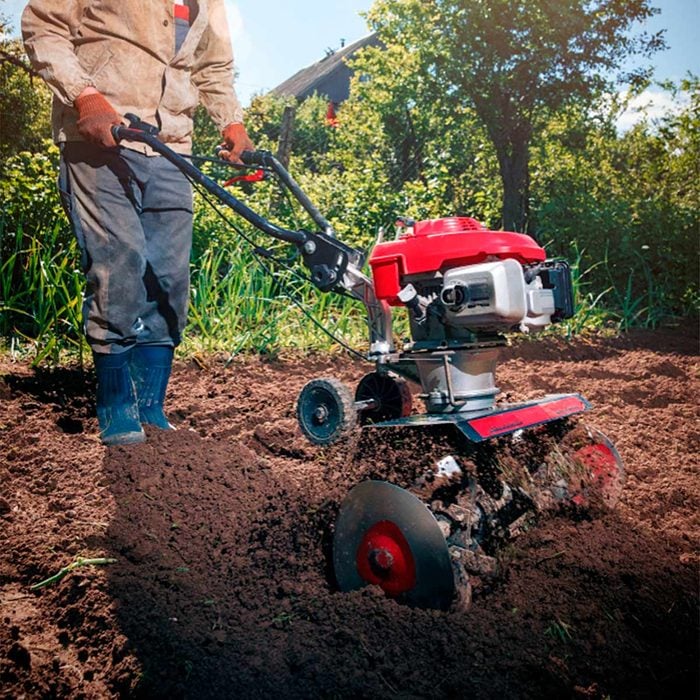
Tilling the soil helps break up compacted earth, making it easier for roots to penetrate. Use a garden fork or tiller to turn the soil to a depth of about 8-10 inches. This process aerates the soil, improving drainage and allowing oxygen to reach the roots. Removing weeds and rocks during tilling is essential. These obstacles can hinder root growth and steal nutrients from your plants. After tilling, rake the soil to create a smooth, even surface.Creating Raised Beds
Raised beds can be a game-changer if your soil quality is poor or drainage is an issue. They allow you to control the soil composition and improve drainage. Construct them using materials like wood, stone, or metal, ensuring they are at least 12 inches high. Fill your raised beds with a mix of topsoil, compost, and organic matter. This rich mixture provides a nutrient-dense foundation for your plants. Raised beds also warm up faster in spring, giving you a head start on the growing season. Have you ever wondered why some gardens flourish while others falter? Often, the secret lies beneath your feet. By investing time in preparing your soil, you set the stage for a bountiful harvest.Seasonal Soil Care
Seasonal soil care ensures a thriving garden year-round. By understanding the needs of your garden soil in different seasons, you can nurture it effectively. Each season brings unique challenges and opportunities for soil care. Winter and spring require specific attention to prepare your soil for productive growth.
Winter Soil Protection
Winter can be harsh on garden soil. Protecting it during this season is crucial. Start by adding a layer of mulch to insulate the soil. Mulch retains moisture and prevents erosion. Cover crops also help during winter. They protect the soil and prevent nutrient loss. Choose crops like rye or clover. They will enrich the soil with organic matter.
Consider using frost blankets. They provide extra warmth and shield the soil. Remove weeds before winter sets in. Weeds can compete with your plants for nutrients. Clearing them ensures your soil remains healthy.
Spring Soil Preparation
Spring is the time to rejuvenate your garden soil. Begin by testing the soil’s pH level. A balanced pH is vital for plant health. Use lime to raise pH or sulfur to lower it. Aerate the soil to improve drainage. This lets roots breathe and grow stronger.
Add compost to enrich the soil. Compost provides essential nutrients. It also improves soil texture. Turn the soil with a spade or tiller. This mixes in the compost and breaks up clumps. Finally, apply a balanced fertilizer. It ensures your plants receive all needed nutrients.
Credit: www.familyhandyman.com
Common Mistakes To Avoid
Preparing garden soil is crucial for healthy plant growth. Mistakes can hinder your gardening success. Understanding common errors helps prevent them. Here are some pitfalls to avoid.
Over-fertilizing Pitfalls
Over-fertilizing can harm plants. It may cause nutrient burn. Leaves turn yellow or brown. Plants may become weak. Excess fertilizer can pollute water sources. Always follow recommended amounts. Conduct a soil test. Know your soil’s needs before applying fertilizers.
Ignoring Soil Ph Levels
Soil pH affects nutrient availability. Plants need specific pH levels to thrive. Ignoring pH can limit growth. Use a pH meter to test soil. Amend soil based on results. Use lime to raise pH. Add sulfur to lower it. Match pH levels to plant needs for optimal growth.
Frequently Asked Questions
What Is The Best Way To Prepare Soil For A Garden?
Prepare garden soil by removing weeds and debris. Test soil pH and nutrient levels. Add compost for organic matter. Till the soil to improve aeration and drainage. Use organic mulch to retain moisture and suppress weeds. Ensure the soil is loose and well-drained for optimal plant growth.
What Is The Best Thing To Mix To Make Garden Soil?
Mix compost, peat moss, and perlite or vermiculite for optimal garden soil. This blend improves drainage and nutrient content. Amend with organic matter like aged manure for added fertility. Ensure the soil pH is balanced for your plants’ needs. Regularly test and adjust soil conditions for best results.
Do I Need To Add Anything To Garden Soil?
Yes, adding organic matter like compost improves soil structure and nutrients. Test soil pH for adjustments. Consider adding mulch to retain moisture and control weeds. Use fertilizers based on plant needs for optimal growth. Regular soil checks ensure healthy garden conditions.
What Is 3 Ingredient Garden Soil?
3 ingredient garden soil is a blend of compost, topsoil, and sand. It provides essential nutrients and drainage for plants. This mixture supports healthy plant growth and is ideal for raised beds and container gardening. Ensure the soil components are well mixed for optimal results.
Conclusion
Preparing garden soil is a rewarding task. Healthy soil supports plant growth. Start with testing soil pH. Add organic matter for nutrients. Mix soil well to improve texture. Ensure proper drainage for roots. Regularly check moisture levels. Avoid overwatering plants.
Rotate crops each season. This prevents soil depletion. Enjoy watching your garden thrive. With care, your garden flourishes. Gardening brings peace and joy. Simple steps make a big difference. Anyone can create a vibrant garden. Follow these tips for success.
Happy gardening!