If you've ever bought a sad little pot of oregano at the garden center, brought it home, and watched it turn brown within two weeks, you're not alone. Growing oregano seems like it should be simple, but this Mediterranean herb has very specific opinions about how it wants to live.
The good news? Once you understand what oregano actually needs, it becomes one of the easiest, most forgiving herbs you'll ever grow. In fact, most people kill oregano with kindness: too much water, too much fertilizer, too much babying.
The USDA classifies oregano as hardy in zones 5 through 10, which means most of North America can grow it outdoors year-round with zero fuss. Let's fix your oregano game starting right now.
Quick Answer
Oregano needs full sun, well-drained soil, and minimal water. Give it six to eight hours of direct sunlight daily. Let the soil dry out completely between waterings.
Use sandy or gritty soil with excellent drainage. Avoid fertilizer; oregano thrives in poor soil. This Mediterranean herb likes it hot, dry, and a little neglected.
Start With Your Growing Situation: Pots, Ground, or Windowsill?
Before you buy a single seed packet, you need to figure out where your oregano is going to live. This decision drives everything else: soil mix, watering schedule, container size, and even which variety you should pick.
If you're growing in a pot, you have the most flexibility. Containers let you move the plant around to chase the sun, bring it inside during harsh winters, and control the soil completely. The trade-off is that pots dry out faster, so you'll need to monitor moisture more closely.
Look for a pot with drainage holes, and get one that's at least 8 inches deep. Oregano has a surprisingly robust root system for such a small plant, and it hates sitting in water.
If you're planting directly in the ground, you're playing the long game. Garden oregano will spread, sometimes aggressively, and can become a permanent fixture in your landscape. That's great if you want a reliable perennial herb patch.
Just make sure your soil drains well. If you have heavy clay that turns into a mud pit after rain, you'll need to amend it with sand or perlite before planting, or your oregano will rot.
If you're growing indoors, you're taking on the biggest challenge. Indoor oregano needs intense light, more than most windowsills provide in winter. A south-facing window can work during summer months, but winter light is often too weak.
Plan for a grow light if you want year-round harvests. Indoor oregano also needs airflow to prevent fungal issues, so keep it away from stagnant corners.
Here's the thing, though. Your situation isn't permanent. Tons of growers start oregano in a pot, then transplant it to the garden in spring.
Others dig up a garden plant in fall and bring it inside for winter. The key is understanding what oregano needs in each environment, then choosing the path that fits your current space.
If you're still unsure, start with a pot. It's the easiest to correct if something goes wrong, and you can always move the plant later.
The Non-Negotiables: Sun, Soil, and Water Oregano Can't Survive Without
Oregano is not a delicate houseplant that needs coddling. It's a tough, sun-baked Mediterranean native that evolved to thrive in rocky, dry hillsides. Three things matter more than anything else.
Sunlight is the absolute top priority. Oregano wants a full day of sun, and it's not exaggerating. Six hours is the bare minimum, but eight hours or more produces noticeably better flavor. The essential oils that give oregano its punchy, aromatic character develop in response to intense light.
Shade-grown oregano tastes weak and grassy, like the plant never woke up. If you're growing indoors, this is where most people fail, plain and simple. You need a grow light capable of delivering high-intensity light for 12 to 14 hours a day.
Soil quality is the second pillar. Oregano wants soil that drains in seconds, not minutes. A gritty, sandy, or rocky mix works best. The less organic matter, the better, surprisingly enough.
Rich, compost-heavy soil encourages lush leaf growth but dilutes the essential oils. You end up with a big, pretty plant that tastes like nothing. A good rule of thumb: if your soil holds water like a sponge, it's wrong for oregano.
Amend container soil with coarse sand or perlite, up to one-third of the total volume. For garden beds, test drainage by digging a hole six inches deep, filling it with water, and timing how long it takes to drain. It should empty within 15 minutes, max.
If it doesn't, plant in raised beds instead.
Water is the easiest to get wrong. Most people overwater oregano, and the plant dies silently. Inadequate watering is rarely the problem. Oregano's roots will rot if they stay wet for more than a couple of days.
The plant prefers to dry out completely between waterings, and it handles drought with impressive resilience. A good watering schedule looks like this: water deeply, then wait for the top inch of soil to feel completely dry to the touch, then water again. During hot, dry summer weeks, that might mean twice a week.
During cooler months, it might mean once every ten days. Pay attention to the soil, not the calendar.
Three Growing Paths: Containers, Garden Beds, and Indoor Setups
Here's where the decision tree branches. Each growing path has its own rules, and the mistakes you might make differ significantly depending on which one you choose.
Containers: The Small-Space and Cold-Climate Saviors
Containers solve most oregano problems before they start. You control the soil completely, which means you can create that perfect gritty, fast-draining mix. You can also move the pot to chase the sun as seasons shift, and you can bring it indoors when frost threatens.
Use a pot that's 8 to 12 inches in diameter and at least 8 inches deep. Material matters less than drainage. Terracotta is nice because it wicks moisture away from the roots, but it dries out faster.
Plastic is fine for moisture retention, but you must ensure drainage holes exist. The pot should have at least four holes at the bottom.
Fill it with a mix of 60 percent standard potting soil and 40 percent coarse sand or perlite. Add a handful of small gravel at the bottom for extra drainage insurance. Skip the fertilizer entirely; your soil mix already contains everything oregano needs for its first season.
Container oregano freezes in cold climates. If you're in zone 6 or colder, either move the pot to an unheated garage or shed for winter, or trim it back, mulch it heavily, and hope for the best. Many growers overwinter container oregano indoors under a grow light, which works well if you have the setup.

Image source: Bing (Web (fair-use with source credit))
Garden Beds: The Mediterranean-Climate Favorite
If you have well-draining soil and a sunny garden bed, oregano will thrive there for years. This is the easiest long-term path, since established oregano plants are deeply drought-tolerant once their roots are settled.
Plant oregano 12 to 18 inches apart in a sunny spot. Space them properly, because oregano spreads through creeping stems and can quickly smother neighboring plants. Some varieties, particularly wild oregano, can become aggressive and take over a garden bed entirely.
Consider planting near the edge of a bed where you can control the spread, or bury a bottomless container to act as a root barrier.
Garden oregano needs the least attention of all the paths. Once established, it's essentially a weed with benefits. Water it during the first month while roots establish, then back off dramatically.
Established plants can survive on natural rainfall alone in most climates. The worst thing you can do is irrigate them regularly.
Indoor Setups: Growing Oregano on a Windowsill or Under Lights
Indoor oregano is the hardest path, but it's very doable with the right equipment. The two big challengers are light and airflow.
A south-facing windowsill can work from late spring through early fall in many locations. But during shorter winter days, the light is simply inadequate. You'll notice the plant getting leggy, meaning it stretches toward the light and produces sparse, elongated stems.
This is the plant begging for more sun. A full-spectrum LED grow light positioned three to six inches above the plant solves this entirely.
Airflow is the second issue. Stagnant indoor air encourages powdery mildew and damping-off disease. Place a small fan nearby, set to low, and run it a few hours each day.
Keep the plant away from cold drafts and heat vents, which stress it out.
Indoor oregano also needs repotting sooner than you'd think. The roots fill a pot fast, and root-bound oregano degrades quickly.
Step-by-Step: From Seeds, Seedlings, or Cuttings to First Harvest
You can start oregano three ways, and each has its own trade-offs. Seeds are cheapest but slowest, taking up to 14 days to germinate and three to four months to reach harvestable size. Seedlings give you a head start, and cuttings from an existing plant are the fastest and most reliable method of all.
Oregano seeds are tiny, dust-like particles that need light to germinate. Sprinkle them on the surface of moist soil and press them gently, but never cover them with dirt. Mist the soil lightly to keep it damp, and cover the container with plastic wrap to create a miniature greenhouse effect.
Place the tray somewhere warm, around 65 to 70 degrees Fahrenheit. Seeds typically sprout within 7 to 14 days. Once you see the first true leaves, remove the plastic wrap immediately.
Grow them under bright light until they reach two inches tall, then thin them so each plant has a couple of inches of space.
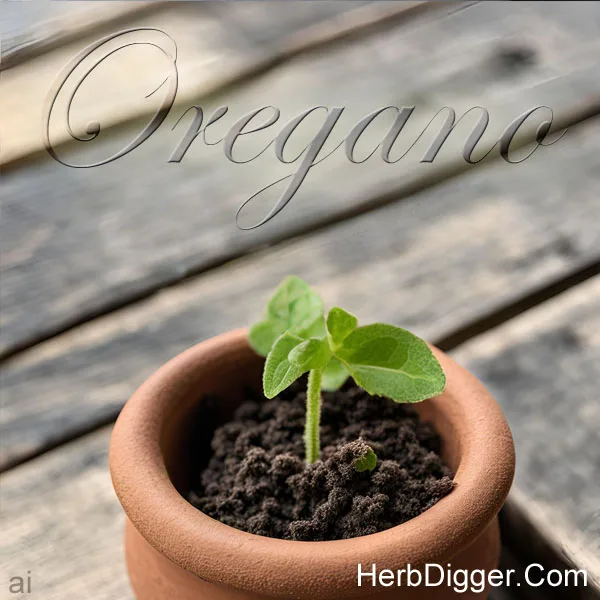
Image source: Web (Bing) / herbdigger.com (Web image (fair-use with source credit))
If you're starting with seedlings, plant them at the same depth they were in their nursery pot, then water them in thoroughly. That's the entire planting step. Just don't bury the stem, which invites rot.
Cuttings are the secret to fast, reliable oregano. Take a three-inch stem from a healthy plant, strip the lower leaves, and place it in water. Roots appear within one to two weeks.
Alternatively, stick the cutting directly into moist potting soil and keep it humid under a cloche. This method works beautifully and gives you an identical copy of the parent plant, with the same flavor profile.
Regardless of how you start, the harvest timing is identical. Once the plant is at least four inches tall, you can start snipping leaves. Take individual leaves as you need them, or harvest whole stems.
Cut above a leaf node, and the plant will bush out with two new branches. Harvesting regularly actually makes oregano grow denser.
The flavor peaks right before flowering. Once flower buds form, the leaves get bitter and tough. If you want the best taste, keep pinching off those buds as they appear.
For the strongest oregano you've ever tasted, harvest right before the flowers open, then dry it immediately.
Mistakes That Kill Oregano (and How to Fix Them)
Oregano is forgiving, but certain mistakes are fatal. Here are the most common ones we see in aggregate gardening forums, plus the fix for each.
Overwatering is the number one killer. If your oregano's leaves turn yellow and the stem feels mushy, overwatering is almost certainly the culprit. The roots are rotting. This fix is often impossible to reverse, so the best strategy is prevention.
If you catch it early, repot immediately into bone-dry soil and leave the plant alone until the foliage firms up.
Too little sun causes leggy growth. If your oregano is stretching tall with sparse leaves and pale color, it's starving for light. This happens frequently with indoor plants and with garden beds planted near buildings or trees. The fix is simpler than you'd think: move the pot to the sunniest spot you have, or cut back overhanging tree branches.
For indoor plants, add a grow light.
Rich soil kills the flavor. If your oregano looks massive and healthy but tastes like grass, the soil is too fertile. Oregano's essential oils develop under stress. Poor, sandy soil and moderate drought produce the most aromatic leaves.
Fix it by adding sand or perlite to the soil and stopping any fertilization. The flavor will return within a few weeks.
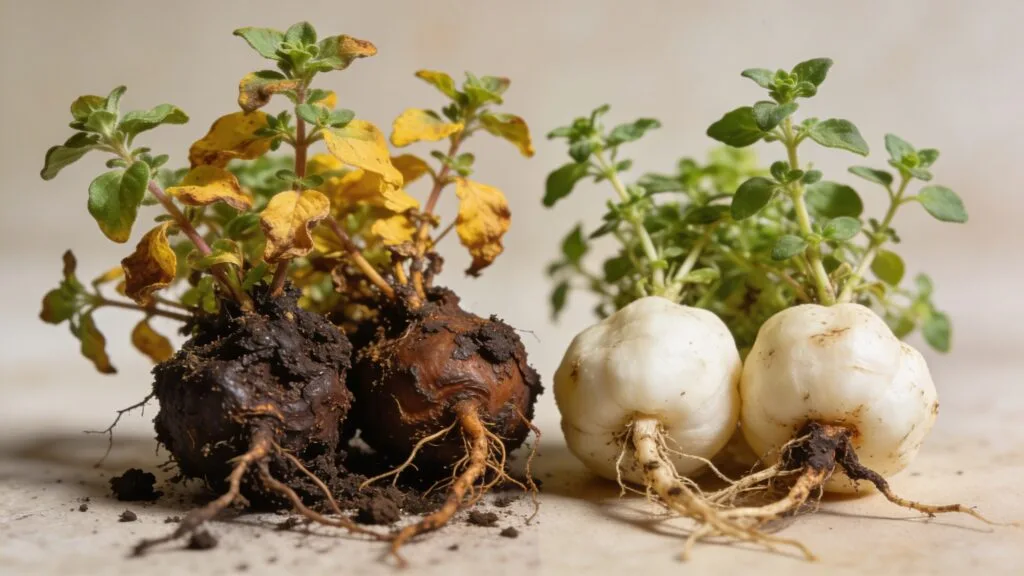
Image source: Web (Bing) / bulbsociety.org (Web image (fair-use with source credit))
Root-bound plants dehydrate fast. If your oregano is in a pot and the leaves keep wilting even after watering, check the roots. A root-bound plant has roots circling the pot and filling the entire soil volume. The soil can't hold enough water for the roots.
This is the most common hidden cause of container oregano failure. Fix it by potting up to a container two to four inches larger, or by dividing the root ball into sections and replanting.
Mold and mildew thrive in stagnant air. If you see white powdery spots on the leaves, that's powdery mildew. It typically appears on indoor plants in rooms with poor circulation. Fix it with airflow and by watering at the base rather than overhead.
If it persists, trim affected leaves and increase ventilation.
Overly damp soil causes stem rot. If a seedling keels over at the soil line, it has damping-off disease, a fungal issue that thrives in wet, cool conditions. Prevent it with sterile seed-starting mix, bottom watering, and ensuring the soil surface stays on the dry side.
FAQ: Your Oregano Growing Questions, Answered
Can I grow oregano from grocery store cuttings?
Yes, if the stems are fresh and not dried out. Place a three to four inch cutting in a glass of water and change the water every two days. Roots typically appear within one to two weeks.
Once the roots are about an inch long, transplant the cutting into a small pot with well-draining soil.
How long does oregano take to grow from seed?
Oregano seeds germinate in 7 to 14 days under ideal conditions. The plant reaches harvestable size, meaning four to six inches tall, in roughly 70 to 90 days from planting. Full flavor development takes another few weeks after that.
Why does my oregano smell like nothing?
Poor flavor usually means too much water, too much fertilizer, or not enough sunlight. Oregano produces its aromatic essential oils under mild stress: dry soil, full sun, and lean conditions. Move the plant to a sunnier spot, reduce watering, and stop fertilizing.
The flavor returns within a few weeks.
Should I let oregano flower?
That depends on your goal. Oregano flowers attract pollinators and look pretty, but the leaves turn bitter once flowering begins. If you want the best flavor for cooking, pinch off flower buds as they appear.
If you want bees and butterflies in your garden, let it bloom.
Does oregano come back every year?
Yes, most oregano varieties are perennials in USDA hardiness zones 5 through 10. The plant dies back to the ground in winter and regrows from the roots in spring. In colder zones, mulch heavily around the base in late fall to protect the roots from freeze-thaw cycles.
Can I grow oregano indoors during winter?
You can, but you need a strong grow light. South-facing windowsills rarely provide enough light during winter months. Use a full-spectrum LED light positioned three to six inches above the plant for 12 to 14 hours daily.
Add a small fan for airflow to prevent powdery mildew.
Final Verdict: Choose Your Best Oregano Path Based on Your Setup
Here's the short version. If you have a sunny garden bed with fast-draining soil, plant Greek oregano in the ground and barely touch it. If you live in an apartment or a cold climate, start with an 10 inch pot filled with gritty soil and place it in the sunniest spot you can find.
If you must grow indoors, invest in a grow light and a small fan.
The decision really comes down to your space, your light, and how much attention you want to give the plant. Oregano rewards neglect, not fussing. Give it sun, give it dry soil, and get out of its way.
As of 2026, these fundamentals haven't changed. Oregano is still a Mediterranean herb that thrives on tough love. Pick your path, follow the watering rules above, and you'll have more oregano than you can use within a single season.
Looking to cultivate another high-flavor kitchen staple right alongside your oregano? Check out our step-by-step guide on how to grow fresh ginger at home.