Growing ginger isn't as tricky as people make it sound, but it does punish a few specific mistakes. The good news? If you've ever kept a houseplant alive, you've got the baseline skills.
The key is understanding what a ginger rhizome wants before you bury it.
According to the University of Florida IFAS Extension, ginger needs soil temperatures between 70°F and 80°F to sprout reliably. That's the single most important number to remember. Get that right, and the rest is mostly patience and water.
Why Growing Ginger Is Easier Than You Think (But Easy to Get Wrong)
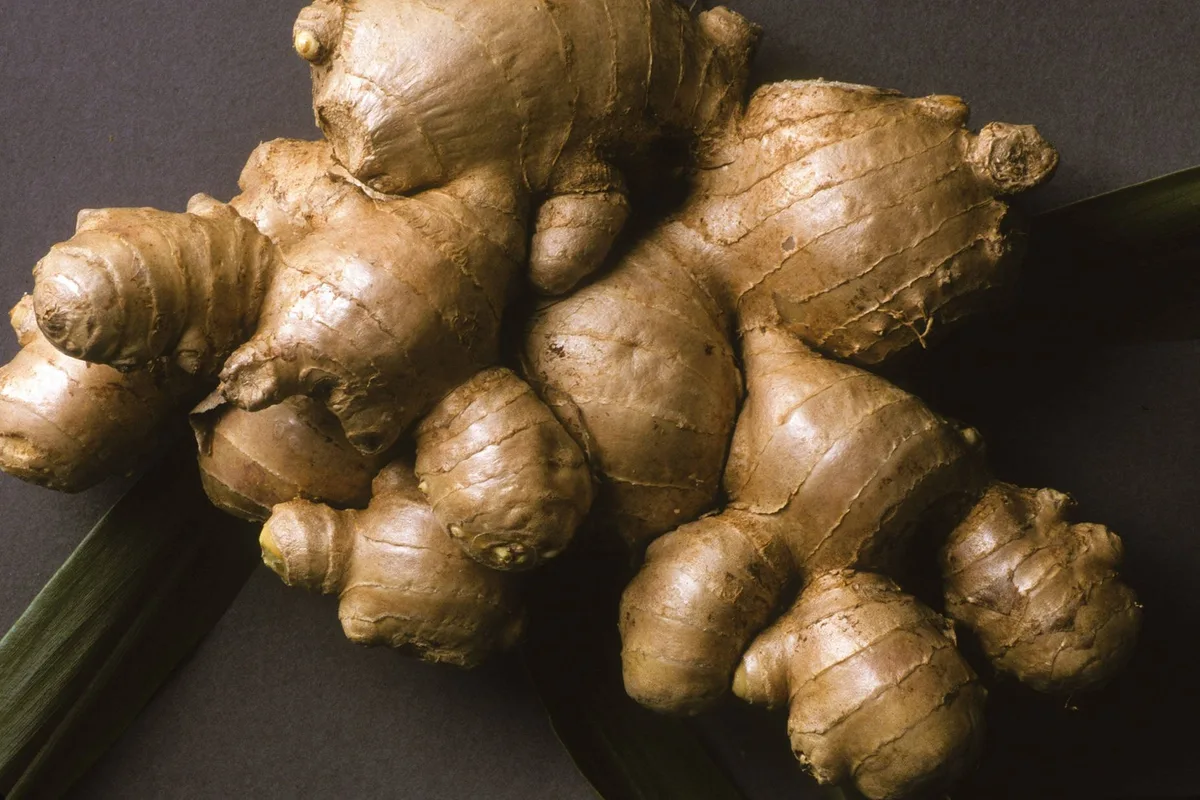
Image source: Web (Bing) / wallpapers.com (Web image (fair-use with source credit))
Here's the truth: ginger isn't a diva plant. It doesn't need a greenhouse or a tropical vacation. It needs three things: warmth, moisture, and patience.
Most people who fail are either planting too early or watering too eagerly.
The rhizome's biggest enemy is cold soil. If the ground is below 70°F, it just sits there and rots. That's why so many first-timers end up with mushy, moldy lumps instead of fresh sprouts.
As of 2026, home growing of ginger has jumped in popularity, largely because people want organic roots without the store markup.
The process takes 8 to 10 months, but the active effort is about 30 minutes a month. You're mostly waiting, not working. So if you've been scared off by stories of tangled roots and picky plants, shake that off.
Ginger is forgiving in non-dramatic ways.
What Ginger Actually Needs: Climate, Soil, and the Right Rhizome
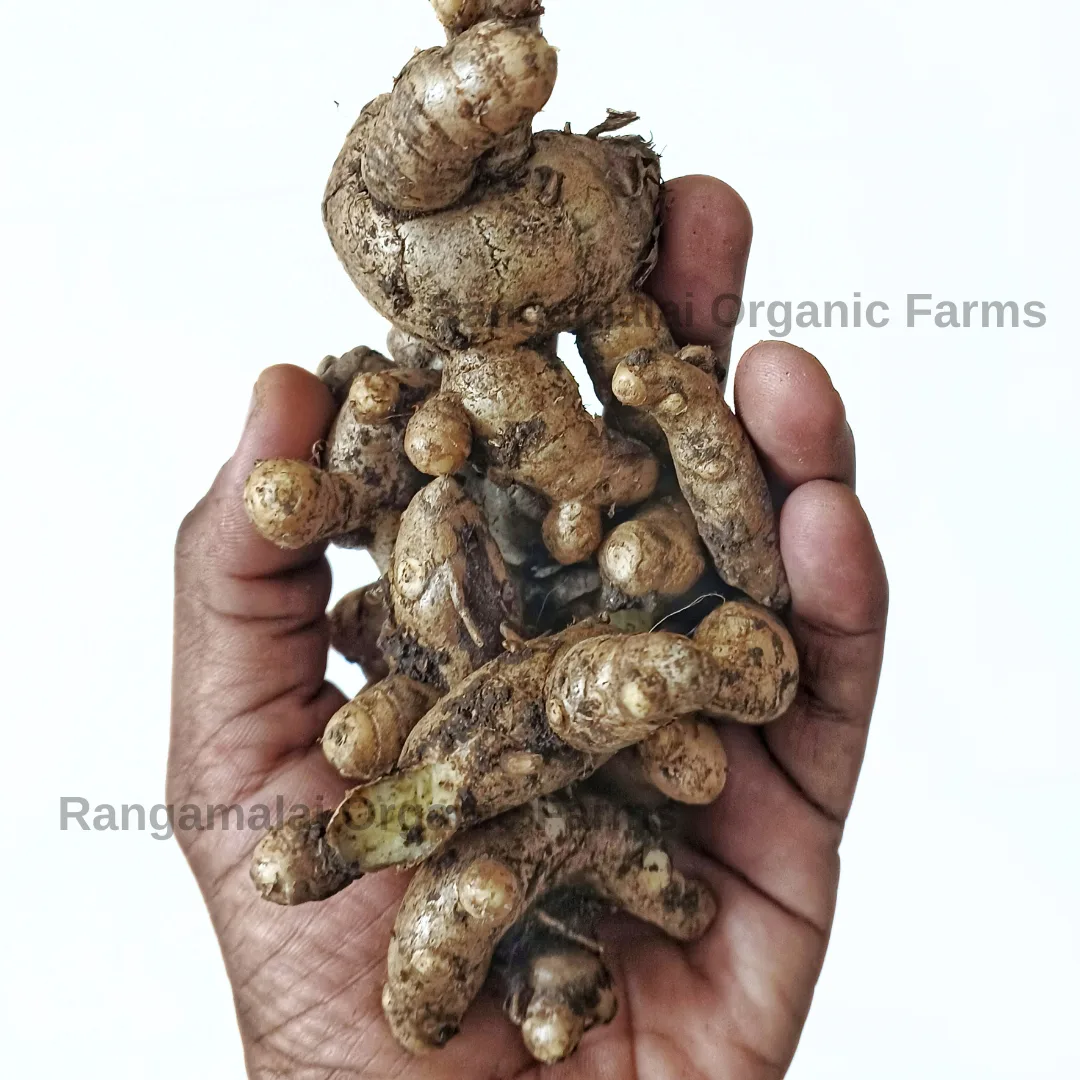
Image source: Web (Bing) / goodfoodtoall.com (Web image (fair-use with source credit))
Let's talk climate first. Ginger is a tropical perennial, which means it loves heat and humidity. In USDA zones 9 through 12, you can plant it outdoors and let it come back year after year.
For the rest of us, it's an annual you grow in a container and bring inside before frost.
Soil matters just as much. Ginger hates standing water, so the loose, free-draining mix you'd use for tomatoes works perfectly. Aim for a pH between 5.5 and 6.5, and work in plenty of compost before planting.
Heavy clay? Skip the ground and use a grow bag.
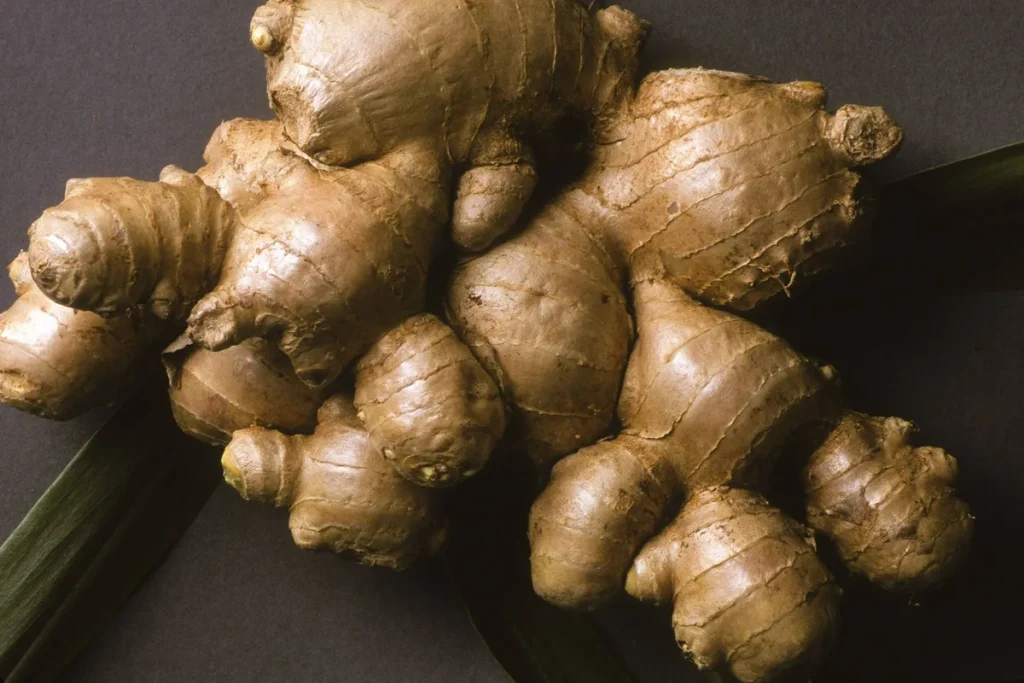
The rhizome itself is the real deciding factor. Look for seed ginger from a nursery or a trusted organic source. It should be plump, firm, and have visible "eyes" or buds.
Grocery-store ginger sometimes works, but it's often treated with growth inhibitors to stop sprouting. Check the label for organic certification or simply buy from a seed catalog.
Step-by-Step Guide to Planting Ginger Rhizomes
The steps are straightforward, but each one has a "do it right" twist. Here's the sequence that gets the best results.
Choose your rhizome. Pick pieces that are plump and have at least two eyes. If you're splitting a larger clump, cut it into 1-2 inch sections, each with 2-3 eyes.
Callus the cut pieces. Let freshly cut surfaces dry for 24-48 hours. This prevents rot before the roots have a chance to grow.
Pre-sprout for a head start. Set the pieces on a warm windowsill, eyes pointed up, and let them sit for a week. This wakes the buds and speeds up the process once planted.
Plant at the right depth. Dig a hole 2-4 inches deep, place the piece with eyes up, and cover loosely. Space each piece 8-12 inches apart so the roots have room.
Water sparingly until shoots appear. Keep the soil just barely damp, not soggy. Too much water now causes rot. Once you see green, start watering more consistently but let the top inch dry between waterings.
Maintain the temperature. If you're in a cold climate, use a heat mat or keep the pot in a warm, bright spot. Aim for a steady 75°F and don't let it dip below 65°F at night.
Common Ginger Growing Mistakes (And How to Avoid Them)
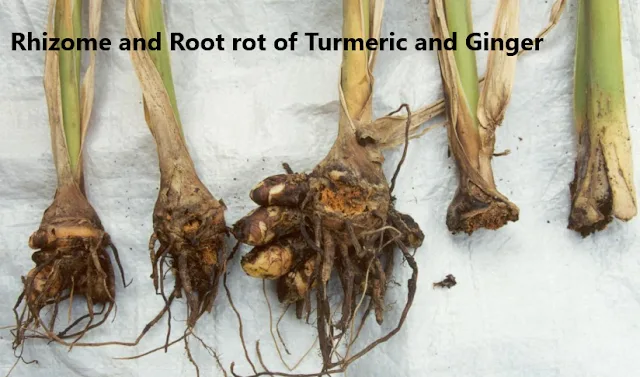
Image source: Web (Bing) / agriculturistmusa.com (Web image (fair-use with source credit))
Ginger doesn't have many failure points, but the ones it does have are dramatic. Here's a quick look at what goes wrong and how to dodge it.
| Mistake | What Happens | The Fix |
|---|---|---|
| Planting in cold soil | Rhizome rots before sprouting | Wait for 70°F or pre-sprout indoors |
| Overwatering in early stages | Soft, moldy roots | Water only when top 1 inch is dry |
| Using grocery-store ginger | No sprouts due to growth inhibitors | Buy organic or nursery seed ginger |
| Cutting pieces without eyes | Nothing grows, just dried-out chunks | Always check for active buds |
| Planting too shallow | Roots dry out and plant collapses | Bury at least 2 inches deep |
The most common silent killer is inconsistent moisture. Ginger likes steady, even watering, not a deluge every other day. If your container is in full sun, check the soil regularly.
A good mulch helps lock in humidity and keeps the roots cool.
One more mistake people make: harvesting too early. Ginger needs at least 8 months to develop real size. If you dig up a little knob at 4 months, you'll get a sad, stringy lump with almost no flavor.
Patience pays off.
Harvesting Ginger: Baby Ginger vs. Mature Ginger
You've got two harvest windows, and each gives you something different. Baby ginger is harvested after about 5-6 months. The skin is pale pink, the texture is tender, and the flavor is mild with a citrusy kick.
It's the stuff you see at upscale markets and it costs a fortune for a reason.
Mature ginger takes 8-10 months. The skin darkens, the flesh turns fibrous, and the pungent, spicy kick develops fully. This is what you're used to in the grocery store, but with much more aroma.
The choice really comes down to how you want to use it.
- Baby ginger for pickling, stir-fry, or eating fresh in salads.
- Mature ginger for tea, baking, drying, and anything that needs strong spice.
To harvest, gently dig around the base with a garden fork and lift the whole clump. Don't yank it out by the leaves, you'll break the rhizome. For baby ginger, you can also just dig up the edges and leave the center to keep growing, a trick called "side harvest."
Fresh ginger stores for weeks in the fridge. Peel and freeze the rest for up to 6 months, no blanching required. Just chop or grate it straight from the freezer for cooking.
Use a sealed container to keep the smell from spreading to everything else.
Overwintering and Storing Your Ginger Crop
If you live outside USDA zones 9 through 12, your ginger won't survive winter outdoors. But you've got options. The simplest is to treat ginger as an annual and start fresh each year from saved seed ginger.
For container-grown plants, bring the pot inside before the first frost. Stop watering and let the leaves yellow and die back naturally. Once the stem is fully dry, cut it at soil level.
The rhizome will enter dormancy on its own.
Store the dormant pot in a cool, dark place, ideally between 55°F and 65°F. A basement or garage works well. Check it monthly for signs of rot or shriveling.
If the soil gets bone dry, give it a light mist. Don't water heavily, that triggers early sprouting.
You can also dig up the rhizomes and store them loose. Brush off excess soil and let them dry for a day. Wrap each piece in newspaper and place them in a cardboard box.
Keep them in the same cool, dark conditions and they'll hold for 3 to 4 months.
For fresh harvested ginger, storage is simpler. Unpeeled mature ginger keeps in the fridge for 3 to 4 weeks in a paper bag. For longer storage, peel and freeze it.
Frozen ginger retains its flavor for 6 to 12 months. Grate it straight from the freezer, no thawing needed.
Frequently Asked Questions About Growing Ginger
Can I grow ginger from store-bought ginger?
Yes, but the success rate varies. Many commercial growers treat rhizomes with growth inhibitors to prevent sprouting. Look for organic ginger with visible eyes.
Soak it in warm water overnight to help break any remaining dormancy, then plant as you would seed ginger.
How long does ginger take to grow from planting to harvest?
Baby ginger is ready in 5 to 6 months. Mature ginger takes 8 to 10 months. The plant tells you it's done when the leaves start to yellow and the stems fall over.
Don't rush the harvest, bigger rhizomes need that full season.
Why is my ginger not sprouting?
The most common cause is cold soil. Ginger needs a steady 70°F to 80°F to sprout. Soil that's below 65°F will delay or stop growth entirely.
Other factors include planting a piece without viable eyes, or using ginger treated with growth inhibitors.
Can I grow ginger indoors year-round?
Absolutely. Ginger thrives as a houseplant if you give it warmth and indirect light. Use a pot at least 12 inches deep with drainage holes.
Keep it in a bright spot away from cold drafts. It won't grow as fast as outdoors, but you'll get steady leaves and a smaller harvest.
How do I know when to water ginger?
Stick your finger into the soil up to the second knuckle. If it feels dry, water. If it's still damp, wait.
Ginger likes consistent moisture but not soggy roots. Overwatering is a faster killer than underwatering.
Does ginger need full sun or shade?
Ginger prefers dappled sunlight or partial shade. Full direct sun can scorch the leaves and dry out the soil too quickly. A spot that gets morning sun and afternoon shade works perfectly.
Indoors, an east-facing window is ideal.
Final Verdict: Is Growing Ginger Worth It?
Yes, with one condition: you have patience. Ginger is not a fast crop. You wait 8 to 10 months for a mature harvest, and a baby ginger crop still takes half a year.
But the active work is minimal.
The math works out in your favor. One $10 seed ginger piece can yield 6 to 12 times its weight in fresh rhizomes. That's a return of $60 to $120 worth of organic ginger from a single planting.
Grocery store organic ginger runs $6 to $10 per pound, so you're saving real money.
Beyond the economics, homegrown ginger tastes better. It's more aromatic, less woody, and you control the growing conditions. No pesticides, no growth inhibitors, no plastic packaging.
If you have a warm windowsill, a 12-inch pot, and the willingness to wait, growing ginger is one of the most rewarding kitchen garden projects you can try. The effort is low. The payoff is genuinely fresh.
To expand your homegrown culinary herb garden, pair your ginger crop with our complete beginner’s walkthrough on how to grow oregano indoors or in outdoor garden beds.