When it comes to growing a thriving vegetable garden, sunlight is your best friend. But have you ever wondered whether your garden craves the gentle rays of morning sun or the warm embrace of the afternoon light?
This simple choice can be the difference between a bountiful harvest and a lackluster yield. You might be surprised at how much this decision influences the flavor and growth of your vegetables. Keep reading to discover the secrets behind optimal sun exposure for your garden, and ensure your veggies are not only lush and vibrant but also bursting with taste.
Prepare to unlock the full potential of your garden with insights that may change the way you nurture your plants forever.
Credit: www.gardeningknowhow.com
Importance Of Sunlight For Vegetables
Morning sun is crucial for vegetable gardens, offering gentle light that helps photosynthesis. Afternoon sun can be too intense, risking plant stress.
The sun is a vital source of energy for vegetable gardens. Plants use sunlight to produce food through photosynthesis. This process helps them grow and yield healthy vegetables.Why Sunlight Is Vital For Growth
Plants need sunlight to create energy. This energy is crucial for developing roots and leaves. Without enough light, vegetables may struggle to thrive. Sunlight influences the color, taste, and size of vegetables.The Role Of Photosynthesis
Photosynthesis is how plants convert sunlight into energy. This energy fuels growth and development. The process requires light, water, and carbon dioxide. A sunny spot ensures plants get enough light. Morning sun is gentle and less intense. It helps plants start their day with energy. Afternoon sun can be harsh but provides strong light. Both are important for healthy growth.Optimal Sunlight Duration
Vegetables generally need 6 to 8 hours of sun daily. This duration supports photosynthesis effectively. Less sunlight can lead to weak plants and poor yields. Ensure your garden gets adequate sunlight.Sunlight’s Impact On Soil
Sunlight also warms the soil, aiding seed germination. Warm soil encourages root development. It helps plants absorb nutrients effectively. Sun exposure balances soil moisture and temperature.Choosing The Right Spot
Select a location with ample sun exposure. Ensure no tall buildings or trees block sunlight. A spot with morning and afternoon sun is ideal. This choice supports optimal plant growth.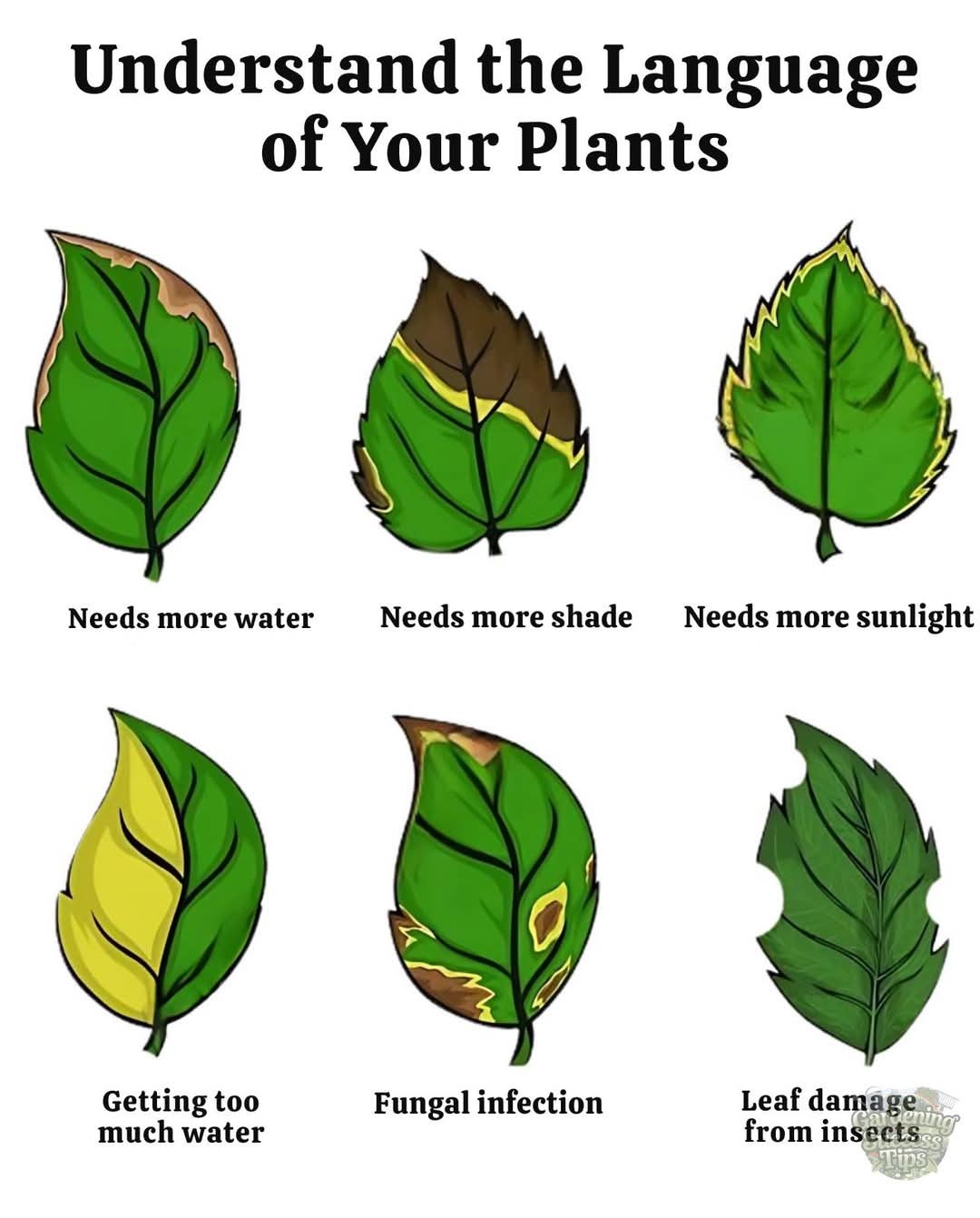
Credit: www.facebook.com
Morning Sun Vs. Afternoon Sun
Choosing between morning or afternoon sun is crucial for a thriving vegetable garden. Morning sun provides gentle warmth, promoting early growth and reducing moisture-related diseases. Afternoon sun can be intense, often causing stress and wilting in delicate plants. Consider your garden’s needs to decide which sunlight suits best.
Choosing between morning sun and afternoon sun for your vegetable garden can significantly impact plant health and productivity. Both have their unique benefits and understanding these can help you optimize your garden’s potential. Let’s explore how morning and afternoon sun affects your vegetable garden.Morning Sun: The Gentle Awakener
Morning sun is often considered gentler, providing a softer light that is less likely to scorch young plants. This early sun helps dry morning dew on leaves, preventing mold and disease. In my garden, plants like lettuce and spinach thrive when they receive the nurturing warmth of the morning sun.Afternoon Sun: The Power Booster
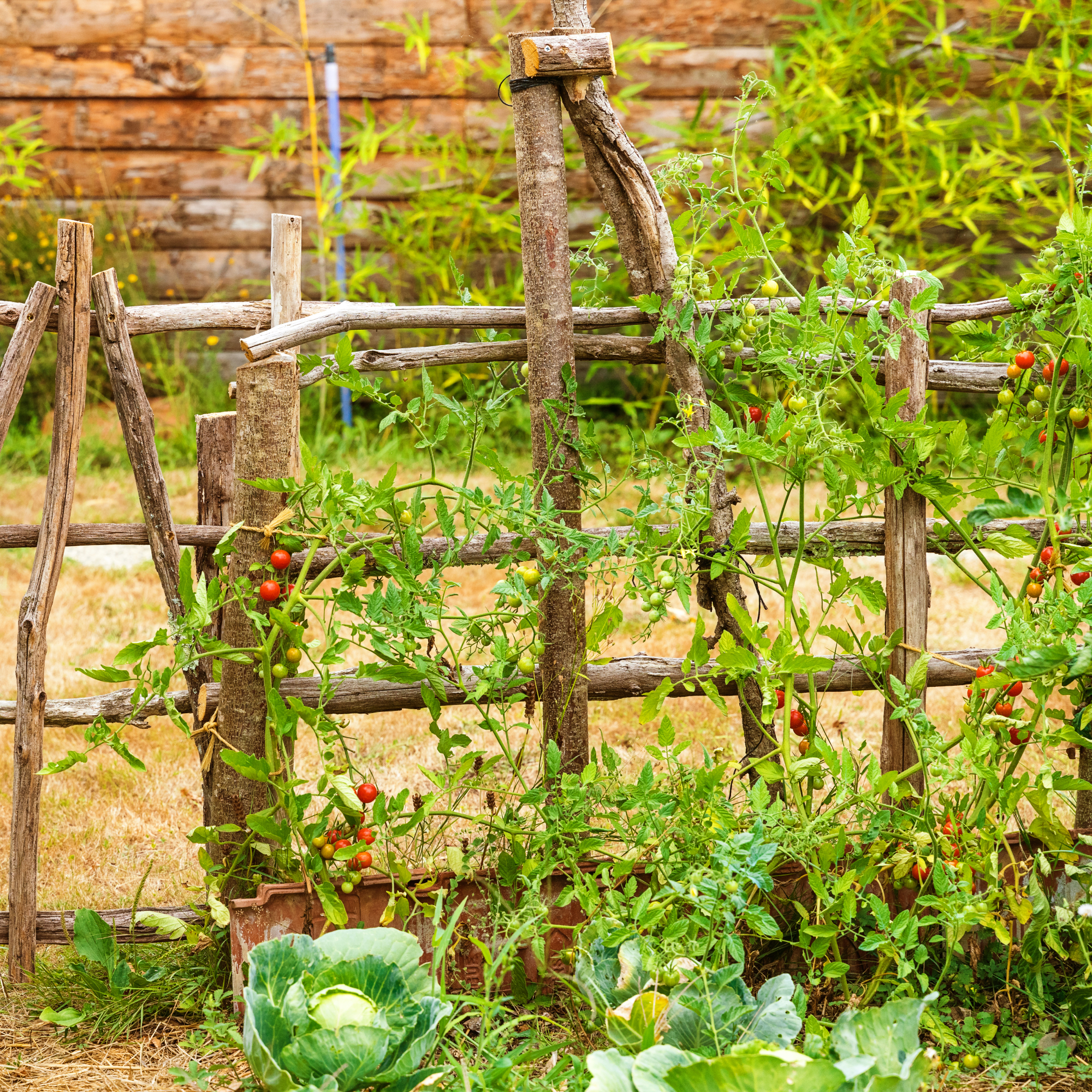
The afternoon sun is more intense, providing a powerful boost of energy to sun-loving vegetables like tomatoes and peppers. This period of sunlight helps these plants develop strong stems and produce abundant fruit. However, it’s important to ensure they have enough water to withstand the heat.Balancing The Light
Consider the specific needs of your vegetables when deciding on sun exposure. Leafy greens and herbs might prefer the cooler morning sun, while fruiting plants may benefit from the afternoon’s intensity. Have you noticed how your plants respond to different sunlight? Observing this can guide your decisions.Creating Optimal Conditions
You might need to strategically plant taller crops to provide shade for sensitive plants during the hottest part of the day. This can create a natural balance, letting you enjoy the best of both worlds. Also, using shade cloths or garden structures can help manage light exposure effectively. Ultimately, the choice between morning and afternoon sun depends on your garden layout and the specific needs of your plants. By understanding these differences, you can tailor your gardening practices for a more bountiful harvest. Remember, your garden is a living experiment—don’t be afraid to adjust and adapt as you learn what works best.Benefits Of Morning Sun
When you plan your vegetable garden, one crucial factor is ensuring your plants receive the right sunlight. Morning sun is often preferred by gardeners for several reasons, offering unique advantages that can enhance the growth and health of your vegetables. Let’s explore why morning sun might be the best choice for your garden.
Gentler Light Conditions
Morning sun provides a softer light that is less intense than afternoon rays. This gentler sunlight reduces the risk of sunburn on delicate leaves and promotes steady growth. Imagine sipping your coffee as the sun rises and gently warms your garden, setting a perfect environment for your plants to thrive. In contrast, the harsh afternoon sun can sometimes scorch tender plants, causing stress and potentially hindering growth.
Evaporation Of Dew And Moisture
As the sun rises, it helps in evaporating dew and excess moisture from your plants. This natural drying process minimizes the risk of fungal diseases, which thrive in damp conditions. If you’ve ever noticed how your garden glistens in the morning light, it’s not just beautiful but beneficial. By mid-morning, the dew is gone, and your plants are left refreshed and ready to soak up nutrients without the threat of mold. Do you remember the last time you walked through your garden barefoot on a dewy morning? That sensation is nature doing its work to keep your plants healthy.
Advantages Of Afternoon Sun
Afternoon sun provides essential warmth for vegetable gardens. It helps plants photosynthesize efficiently, boosting growth and productivity. Sunlight during this time also aids in reducing excess moisture, preventing fungal diseases.
Growing a vegetable garden involves many decisions, one of which is determining the best time for sunlight exposure. The afternoon sun offers several advantages that can significantly benefit your garden. Understanding these benefits can help you make informed decisions about where and when your vegetables receive sunlight. Let’s explore some of the advantages of afternoon sun.Intense Light For Growth
Afternoon sun provides more intense light compared to morning sun. This intensity can boost the growth of sun-loving vegetables like tomatoes and peppers. These plants thrive under strong sunlight, developing robust structures and producing bountiful yields. Have you ever noticed how plants in shaded areas stretch toward the light? They crave that afternoon intensity. Ensuring your garden receives this sunlight can lead to healthier, more productive plants.Extended Light Exposure
Afternoon sun extends the amount of light your garden receives throughout the day. This extended exposure is crucial for vegetables that require longer periods of sunlight to thrive. Think about crops like eggplants and zucchinis, which need ample sunlight to grow well. Providing them with afternoon sun can meet their requirements for light, leading to better growth and development. Consider the impact of extended light on your garden’s ecosystem. More sunlight means more energy for photosynthesis, which can result in tastier, more nutritious produce for your table. What are your thoughts? Have you tried positioning your garden to take advantage of the afternoon sun? Your experiences might just shine a light on the best practices for others.Impact Of Sunlight On Different Vegetables
Understanding the impact of sunlight on different vegetables can transform your gardening success. Each type of vegetable has unique sunlight needs, and knowing these can mean the difference between a bountiful harvest and a lackluster one. Sunlight affects not only growth but also flavor and nutritional value.
Leafy Greens
Leafy greens like spinach, lettuce, and kale thrive with morning sun. The gentle, cooler rays help them grow lush without wilting. Morning sunlight also minimizes the risk of bolting, keeping your greens tender for longer.
Root Vegetables
Root vegetables such as carrots, beets, and radishes benefit from afternoon sun. The consistent warmth helps them develop sweeter, more flavorful roots. However, ensure they’re not exposed to scorching heat, which can cause them to dry out.
Fruiting Plants
Fruiting plants like tomatoes, peppers, and cucumbers need plenty of sun, ideally throughout the day. More sunlight leads to better flowering and fruit production, enhancing both yield and taste. Have you noticed how tomatoes grown in full sun taste far better?
By aligning your vegetable garden’s layout with these sunlight preferences, you can maximize growth and enjoy a more productive and delicious harvest. Which sunlight strategy will you try in your garden this season?

Credit: www.facebook.com
Factors Influencing Sunlight Requirements
Vegetable gardens flourish best with morning sun. Morning sunlight provides gentle warmth, aiding in photosynthesis early. Afternoon sun can be too harsh, causing stress on plants. Choosing the right sunlight ensures healthy growth and abundant harvests. Consider your garden’s location to optimize light exposure.
Understanding the sunlight requirements for your vegetable garden can make the difference between a bountiful harvest and a disappointing yield. Several factors influence how much sun your garden needs, and knowing these can help you optimize growth and productivity. Let’s dive into some of these crucial factors.Geographical Location
Your geographical location plays a significant role in determining the sun exposure your garden receives. In northern regions, the sun sits lower in the sky, which might mean your garden gets less direct sunlight. Here, morning sun can be more beneficial as it tends to be less intense and helps dry dew, reducing the risk of disease. In contrast, southern areas often experience stronger and more direct sunlight. Afternoon sun can be intense, potentially scorching plants. Consider positioning your garden to receive morning sun, allowing plants to start photosynthesizing early in the day without the risk of overheating.Seasonal Changes
The changing seasons also affect sunlight availability. During spring and summer, the days are longer, and your garden will likely receive ample sunlight regardless of morning or afternoon exposure. However, in fall and winter, the days shorten, and the sun’s path shifts, which might result in reduced sunlight. If you’ve ever noticed your plants looking droopy in the afternoon during summer, it might be due to the harsh sun. Adjusting for seasonal changes by planting shade-loving plants or using shade cloth can help mitigate this issue. Think about how your garden changes throughout the year and adapt your strategies accordingly. Have you ever considered the angle of the sun at different times of the year? This small detail could change how you plan your garden layout and ensure your plants get the sunlight they need.Tips For Maximizing Sunlight
Vegetable gardens thrive with morning sunlight, which helps plants absorb nutrients and start photosynthesis early. Afternoon sun can be intense, leading to wilting and stress. Position your garden to capture gentle morning rays for healthier growth.
Maximizing sunlight in your vegetable garden can make a significant difference in the health and yield of your plants. Morning sun is generally preferred because it helps dry off any dew, reducing the risk of fungal diseases. However, afternoon sun can be beneficial for plants that need more warmth. The key is to understand your garden’s unique sun patterns and plan accordingly. Here are some actionable tips to help you capture the most sunlight.Garden Layout Strategies
Consider the orientation of your garden. Align rows north to south to ensure each plant gets an equal share of sunlight throughout the day. Taller plants should be positioned on the northern side of your garden to prevent them from shading smaller ones. Think about the spacing between your plants. Adequate spacing prevents overcrowding, allowing sunlight to reach lower leaves. Use paths and walkways strategically to break up the garden and allow more light to penetrate.Using Reflective Materials
Reflective materials can enhance the amount of sunlight your plants receive. Place mirrors or aluminum foil strategically around your garden to bounce light onto shaded areas. This simple trick can be especially useful in urban gardens where space and sunlight are limited. Consider white or light-colored mulch. It reflects sunlight back onto the plants, providing a dual benefit of increased light and weed suppression. Have you ever tried using reflective materials in your garden? It might be the boost your plants need. By making these adjustments, you can ensure your garden receives the optimal amount of sunlight, leading to healthier plants and a more bountiful harvest. Happy gardening!Frequently Asked Questions
Is Morning Sun Or Evening Sun Better For A Vegetable Garden?
Morning sun is better for a vegetable garden. It helps dry dew and reduces disease risk. Sunlight in the morning encourages photosynthesis, boosting growth. Ensure your garden receives at least 6-8 hours of direct sunlight daily for optimal results.
Do Tomatoes Prefer Morning Or Afternoon Sun?
Tomatoes thrive best with morning sun. Morning sunlight helps dry leaves and reduces the risk of diseases. Ensure tomatoes receive at least 6-8 hours of sunlight daily for optimal growth and fruit production. Consistent morning sun promotes healthier and more productive plants.
Do Cucumbers Prefer Morning Or Afternoon Sun?
Cucumbers thrive best with morning sun. Morning sunlight helps in drying dew, reducing the risk of diseases. Ensure they receive at least six hours of sunlight daily. Afternoon sun might be too intense and can cause leaf scorch, so morning light is ideal for healthy cucumber growth.
Do Veggies Need Afternoon Sun?
Most veggies thrive with afternoon sun. It provides essential energy for photosynthesis and growth. Some leafy greens prefer cooler morning sun. Ensure adequate sunlight for healthy plants. Consider shade for sensitive varieties during peak heat. Check specific vegetable needs for optimal sunlight exposure.
Conclusion
Choosing the right sun exposure is key for a healthy vegetable garden. Morning sun helps dry leaves, reducing disease risk. Afternoon sun boosts growth and yields. Both options have benefits. Consider your climate and plant types. Some vegetables prefer cooler morning sun.
Others thrive with afternoon warmth. Test different spots in your garden. Observe your plants closely. Adjust as needed for best results. A thriving garden rewards your effort. Enjoy fresh produce all season. Your garden will thank you for thoughtful planning.
Happy gardening!