Are you planning to start a new garden or refresh your existing one? One of the first questions you might ask yourself is, “How deep should I till my garden?”
This might seem like a simple question, but getting the depth right can make a huge difference in the health and productivity of your plants. Imagine your garden bursting with vibrant flowers or yielding a bountiful harvest, all because you got the basics right.
By understanding the right tilling depth, you’re setting the stage for your plants to thrive. Curious about how deep you really need to go to achieve this lush paradise? Keep reading, because the secret to a flourishing garden may be just a few inches beneath the surface.
Benefits Of Tilling
Determining the ideal depth for tilling can enhance soil aeration and nutrient distribution. Typically, tilling 8-12 inches deep helps break up compacted soil, promoting healthier root growth. Properly tilled gardens boost water absorption, supporting robust plant development.
Tilling your garden is more than just turning over the soil. It’s an essential practice that can unlock numerous benefits for your garden’s health and productivity. When you till, you are setting the stage for your plants to thrive. But how deep should you till? Understanding the benefits of tilling can guide you in making informed decisions and ensuring your garden flourishes.
Enhances Soil Aeration
Tilling breaks up compacted soil, allowing air to circulate more freely. This improved aeration benefits the roots by providing them with the oxygen they need to grow strong and healthy. When I first started gardening, I noticed my plants were struggling. After tilling, the increase in soil aeration made a remarkable difference in their growth.
Improves Water Drainage
Waterlogged soil can be detrimental to plant health. Tilling helps create pathways for water to drain efficiently, preventing root rot and promoting better moisture balance. Have you ever wondered why some areas of your garden remain soggy after rain? Tilling might be the answer to achieving optimal water drainage.
Incorporates Organic Matter
Adding compost or other organic matter is crucial for enriching the soil. Tilling mixes these nutrients evenly throughout the soil, making them readily available to plants. Imagine the delight of your plants receiving a consistent supply of nutrients, resulting in lush and vibrant growth.
Controls Weed Growth
A weed-infested garden can hinder the growth of your plants. Tilling disrupts weed roots and buries weed seeds, reducing their chances of germination. I once faced a weed invasion in my garden, but regular tilling transformed it into a weed-free haven.
Facilitates Soil Warming
In the spring, tilling helps the soil warm up faster, which can lead to earlier planting opportunities. Warmer soil encourages seed germination and accelerates growth. Are you eager to start planting as soon as the season changes? Tilling might give you a head start. Engaging with your garden through tilling is not just a task; it’s a rewarding experience that can elevate your gardening game. Consider these benefits and see how deep tilling can make a difference in your garden’s vitality.
Soil Types And Tilling Depth
Tilling depth varies with soil type. It’s crucial for successful gardening. Different soils need different tilling approaches. Understanding these helps optimize plant growth.
Clay Soil Considerations
Clay soil is dense and heavy. It retains moisture well but drains poorly. Tilling clay too deeply can worsen compaction. Aim for a depth of 6 to 8 inches. This promotes better root penetration. Break up large clods to improve aeration. Consider adding organic matter. It helps improve texture and drainage.
Sandy Soil Adjustments
Sandy soil is loose and well-draining. It dries out quickly. Tilling depth should be around 8 to 10 inches. This depth helps retain moisture better. It’s beneficial to add organic matter. It enhances water retention and nutrient capacity. Avoid over-tilling. It can lead to excessive dryness.
Loamy Soil Tips
Loamy soil is ideal for gardening. It’s a balanced mix of sand, silt, and clay. Tilling loamy soil should be around 8 inches deep. This depth supports healthy root growth. Loamy soil benefits from occasional tilling. It keeps the soil structure optimal. Add compost to maintain fertility.
Seasonal Tilling
Tilling your garden is vital for healthy plant growth. It helps improve soil aeration and nutrient distribution. Different seasons offer unique benefits for tilling. Understanding these can enhance your gardening efforts.
Spring Tilling Advantages
Spring tilling can prepare your garden for planting. It breaks up compacted soil, making it loose and workable. This allows roots to penetrate deeper. Spring tilling also helps to mix organic matter into the soil. This boosts its fertility, giving plants a healthy start.
Another benefit is weed control. Turning the soil in spring can bury weed seeds deep. This prevents them from germinating. Freshly tilled soil warms up faster. This can lead to an earlier planting season.
Fall Tilling Benefits
Fall tilling has its own advantages. It helps to incorporate organic matter left from summer crops. This material breaks down over winter. It enriches the soil for spring planting.
Tilling in fall can also disrupt pest life cycles. Many pests lay eggs in soil. Turning the soil exposes these eggs to predators and cold. This reduces pest problems in the coming season.
Fall tilling can improve soil structure. The freezing and thawing of winter months help break down clumps. This results in finer soil for spring planting.
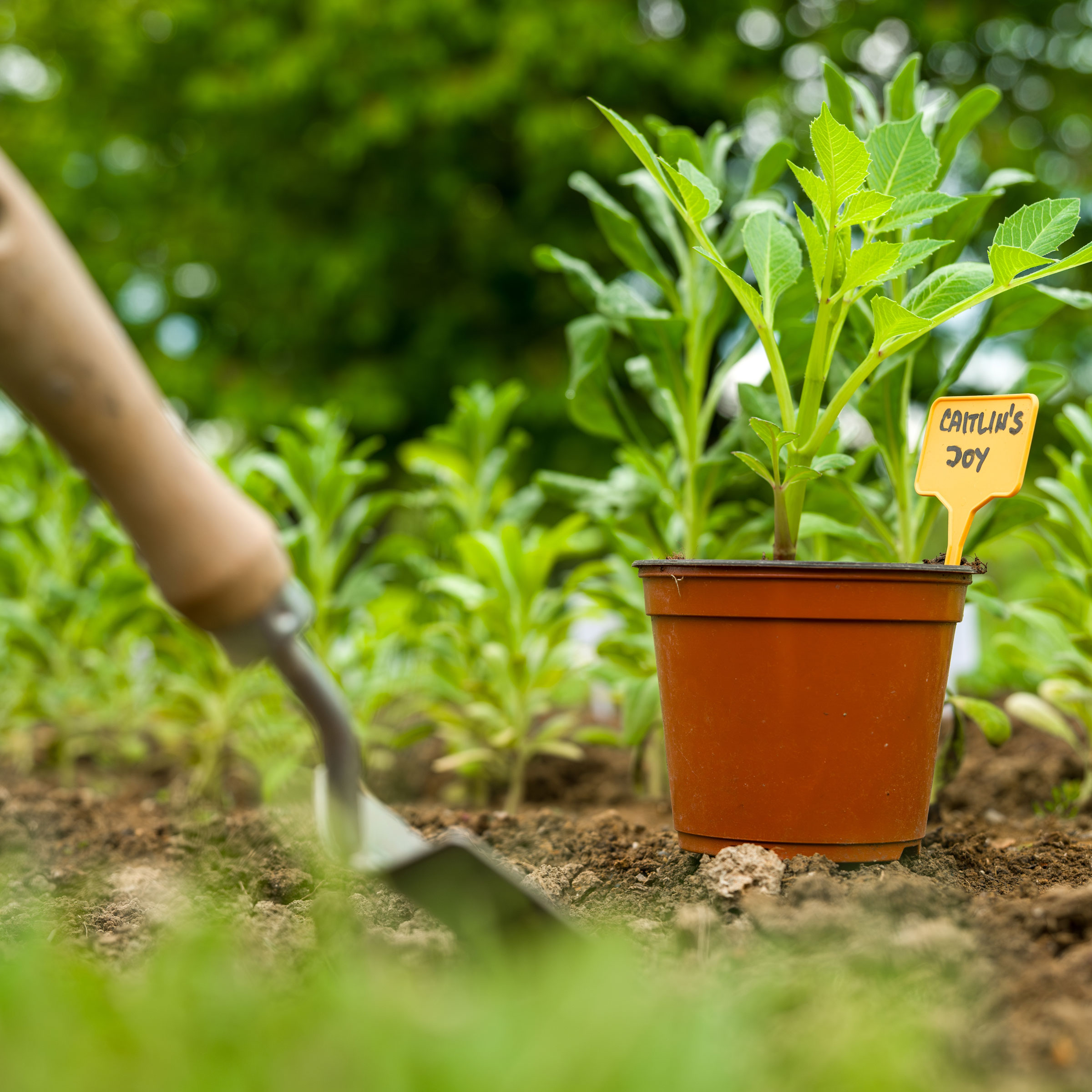
Credit: www.gardeningknowhow.com
Tools For Effective Tilling
Proper tilling depth enhances soil quality and plant growth. Aim for 8 to 12 inches deep for most gardens. This depth ensures roots have room to spread and access nutrients efficiently.
Tilling your garden is like giving it a fresh start, and the right tools make all the difference. Whether you’re preparing a brand-new plot or revitalizing an old one, the tools you choose can significantly impact the health and yield of your plants. Let’s dive into the essentials that will help you till effectively and efficiently.
Choosing The Right Tiller
Selecting the right tiller depends on your garden’s size and soil type. For a small garden, a lightweight tiller may suffice, making it easier to navigate tight spaces. Larger gardens with heavy clay soil might demand a more robust machine. Consider the depth you need to reach. If you’re breaking new ground, a tiller with adjustable tines can help you reach deeper layers. Remember, your tiller should work with you, not against you.
Manual Vs. Powered Options
The choice between manual and powered tillers often boils down to personal preference and garden requirements. Manual tillers, like hand forks or hoes, offer precision and are perfect for small gardens or raised beds. They’re also a good workout! Powered tillers, on the other hand, make quick work of larger areas. Electric tillers are quieter and eco-friendly, while gas-powered ones tend to be more powerful. Imagine tilling your garden with ease, saving time and effort that you could spend planning your next crop. Have you thought about how much time you want to spend preparing your garden soil? Balancing efficiency and enjoyment is key. Consider testing both manual and powered options to see which feels right for you and your garden’s needs.
Avoiding Over-tilling
Determining how deep to till your garden is vital for healthy soil. Over-tilling can harm soil structure and reduce nutrients. Aim to till only 6 to 8 inches deep to preserve soil life and structure.
Avoiding over-tilling your garden is essential for healthy soil. Tilling too much disrupts the soil structure. It harms beneficial organisms and leads to compaction. This can result in poor plant growth. Understanding the signs of over-tilling helps maintain a balanced garden ecosystem.
Signs Of Over-tilling
Over-tilled soil looks fine and powdery. It may feel dry and dusty. Water drains too quickly, leaving plants thirsty. You might notice fewer earthworms. Plants struggle to establish strong roots. Growth is often stunted and leaves may yellow.
Corrective Measures
Stop tilling and let the soil recover. Add organic matter like compost to improve structure. Mulch the surface to retain moisture. Plant cover crops to naturally aerate the soil. Avoid walking on the soil to prevent compaction. Test soil regularly to monitor health.

Credit: www.yahoo.com
Incorporating Organic Matter
Tilling garden soil around 8 to 12 inches deep helps incorporate organic matter effectively. This depth ensures nutrients reach plant roots, improving growth and health.
Incorporating organic matter is essential for a thriving garden. It enriches the soil, boosts nutrient content, and improves water retention. Knowing how to blend organic materials into your garden is key to successful planting.
Best Materials To Use
Selecting the right materials is crucial. Here are some top choices:
- Compost: Rich in nutrients and easy to make at home.
- Manure: Provides nitrogen, enhancing plant growth.
- Peat Moss: Improves soil texture and retains moisture.
- Grass Clippings: Adds nitrogen and suppresses weeds.
- Leaf Mold: Improves soil structure and fertility.
Use these materials to ensure your garden flourishes.
Mixing Techniques
Mixing organic matter into the soil requires proper technique. Here are some methods:
- Layering: Spread materials in layers over the soil.
- Double Digging: Dig deeper to mix organic matter well.
- Top Dressing: Sprinkle material on top and let it settle.
- Forking: Use a fork to blend materials lightly.
- Tilling: Mix materials while tilling for even distribution.
These techniques help integrate organic matter efficiently.
Tilling For Different Plants
Determining tilling depth varies by plant type. Vegetables like carrots need 12 inches, while shallow-rooted herbs thrive with 6 inches. Proper depth ensures healthy root growth and nutrient absorption.
Tilling for different plants involves understanding their unique needs. The depth of tilling can affect plant health and growth. Different plants require different soil preparation for optimal results. Knowing the right depth ensures your garden flourishes.
Vegetable Garden Depth
Vegetables need well-aerated soil for root development. Most vegetables thrive with a tilling depth of 12 inches. This depth allows roots to access nutrients and water efficiently. It’s essential to break up compacted soil and remove weeds. Deep tilling helps incorporate organic matter into the soil. This enriches the soil with essential nutrients.
Flower Bed Considerations
Flowers often require less depth compared to vegetables. A depth of 6 to 8 inches is ideal for most flower beds. This allows roots to spread easily and anchor well. Shallow tilling helps retain moisture crucial for flowers. It’s important to avoid disturbing the soil too deeply. This prevents harming existing plant roots and soil organisms.
Credit: www.youtube.com
Environmental Impacts
Tilling depth affects soil health and ecosystem balance. Digging too deep can disturb beneficial organisms and soil structure. Optimal depth preserves nutrients and minimizes environmental impact.
Tilling your garden affects more than just the soil’s surface. It’s an essential practice that can have significant environmental impacts. Understanding these impacts can guide you in making better decisions for your garden’s health and the environment.
Soil Erosion Prevention
Tilling too deep can disrupt the soil structure, leading to increased erosion. This might wash away the topsoil, which is rich in nutrients. To prevent this, consider tilling only as deep as necessary, usually around 6 to 8 inches for most gardens. This depth helps maintain the soil’s integrity and prevents it from being carried away by wind or rain. Have you noticed how your garden looks after a heavy rain? Proper tilling can keep your soil where it belongs.
Conserving Soil Moisture
The depth of your tilling also affects moisture retention. Shallow tilling can help conserve soil moisture by reducing evaporation. This is particularly useful during dry seasons when water conservation becomes crucial. By keeping the soil’s natural layers intact, you’re allowing it to hold moisture more effectively. Think about how much water your plants really need. Tilling at the right depth can save water, effort, and resources. Balancing environmental impacts with gardening needs can be challenging. But small changes in your tilling practices can lead to positive outcomes for your garden and the environment. How deep will you choose to till next time?
Frequently Asked Questions
What Is The Best Depth For Tilling A Garden?
The ideal depth for tilling a garden is 6 to 8 inches. This depth allows proper root growth and nutrient absorption. Avoid tilling deeper to prevent disturbing beneficial soil organisms. Adjust depth based on specific plant needs and soil type for optimal results.
Should A Garden Be Tilled In The Fall?
Tilling the garden in fall helps break up compacted soil and incorporates organic matter. This process improves soil aeration and drainage, preparing it for spring planting. Avoid tilling if your soil is wet to prevent damage. Consistent fall tilling can enhance soil health over time.
Can I Plant Immediately After Tilling?
Yes, you can plant immediately after tilling. Ensure soil is not too wet and remove debris. Tilling aerates soil and improves nutrient absorption. Plant at the appropriate depth for each seed type. Check for weather conditions suitable for the specific plants.
How Deep Should I Dig To Start A Garden?
Dig 6-12 inches deep for a garden. This depth allows roots to grow and access nutrients. Ensure the soil is loose and well-aerated for better plant growth. Remove any rocks or debris during digging. Adding compost can improve soil quality and fertility for your garden.
Conclusion
Tilling depth matters for a healthy garden. Shallow tilling suits small plants. Deep tilling benefits larger roots and tough soil. Consider your plant types and soil conditions. Experiment and observe results each season. Adjust tilling depth based on your garden’s needs.
Proper tilling enhances soil aeration and nutrient absorption. This results in healthier plants and better yields. Keep tools sharp and clean for efficient work. Regular maintenance makes gardening easier. Happy gardening! Enjoy watching your garden thrive with the right tilling approach.