
Are you looking for a way to boost your garden’s health using everyday household items? Imagine turning your morning coffee routine into a secret gardening weapon.
Coffee grounds, the remnants of your daily brew, might just be the hidden treasure your garden needs. But, are coffee grounds really good for your garden? This question might be brewing in your mind like a fresh pot of coffee.
We’ll uncover the truth behind this popular gardening hack. You’ll discover how to use coffee grounds effectively, the benefits they bring, and any potential downsides you should be aware of. Keep reading to unlock the secrets of using coffee grounds in your garden and see how you can cultivate a thriving, vibrant oasis right outside your door.
Benefits Of Coffee Grounds
Coffee grounds enrich soil with nutrients, improving plant growth. They also deter pests and enhance compost quality.
Coffee grounds are a hidden gem in the gardening world, offering a myriad of benefits that can transform your garden into a thriving oasis. Whether you’re a seasoned gardener or just starting out, incorporating coffee grounds into your soil can give your plants a nutrient boost, improve soil structure, and even help deter pests naturally. Let’s dive into how coffee grounds can enhance your gardening efforts.Nutrient-rich Composition
Coffee grounds are packed with essential nutrients like nitrogen, potassium, and phosphorus, which are vital for plant growth. These nutrients can improve the health and vigor of your plants, making them more resistant to diseases. Imagine waking up to a garden with lush, green foliage that’s the envy of your neighborhood. By sprinkling coffee grounds around your plants, you’re essentially giving them a natural fertilizer that encourages healthy growth. Moreover, coffee grounds can enhance the microbial activity in the soil, promoting a balanced ecosystem that supports plant life. Have you noticed how your compost pile smells richer and breaks down faster with coffee grounds mixed in?Improved Soil Structure
Coffee grounds can significantly improve soil aeration and drainage. Their coarse texture helps create air pockets in the soil, allowing roots to breathe and absorb nutrients more effectively. Think about the frustration of dealing with compacted soil that stifles plant growth. Adding coffee grounds can help loosen the soil, making it easier for roots to penetrate and expand. Additionally, coffee grounds can retain moisture, reducing the need for frequent watering. This is particularly beneficial in areas prone to drought, where water conservation is crucial.Natural Pest Deterrent
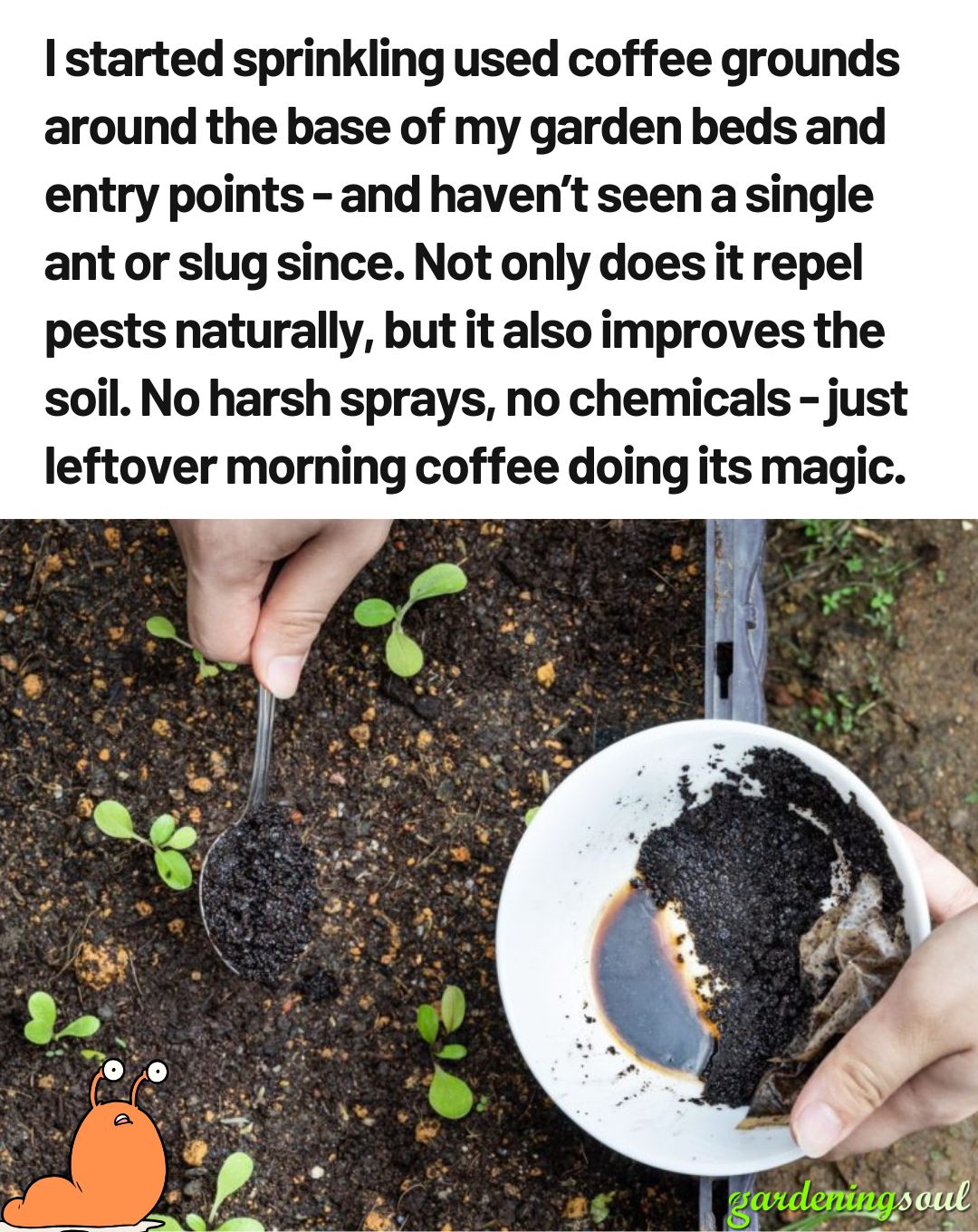
Are pests wreaking havoc in your garden? Coffee grounds can act as a natural deterrent, keeping unwanted visitors like slugs and snails at bay. Their strong aroma and gritty texture are unappealing to these pests, providing a chemical-free solution. Wouldn’t it be great to enjoy your morning coffee knowing that the grounds will help protect your garden? You can sprinkle them around plant bases or even mix them into the soil to create an inhospitable environment for pests. Moreover, some gardeners have found that coffee grounds can help repel cats from using their garden beds as litter boxes. Is there anything more satisfying than finding eco-friendly solutions to common gardening problems? Now that you know the benefits of coffee grounds, are you ready to give them a try in your garden?How Coffee Grounds Impact Plant Growth
Coffee grounds are more than just remnants of your morning brew; they can significantly impact plant growth in your garden. Using coffee grounds as a natural fertilizer can enhance the soil’s nutrients and improve plant health. But how exactly do these grounds affect the plants you love to nurture?
Enhancing Soil Ph Balance
Are you aware that the acidity of coffee grounds can actually help balance the pH levels in your soil? While fresh coffee grounds are acidic, used grounds are closer to a neutral pH, making them safe for most plants. Mixing coffee grounds into your soil can gently adjust its acidity, benefiting plants that thrive in slightly acidic conditions like tomatoes and blueberries.
Have you ever tested your garden soil? If it’s too alkaline, coffee grounds might just be the simple solution you need to create a more harmonious environment for your plants.
Influence On Microbial Activity
Coffee grounds are rich in nitrogen, which is a key nutrient for healthy plant growth. But did you know that they also boost microbial activity in the soil? This increased activity helps break down organic material, releasing nutrients that are crucial for your plants.
Imagine tiny helpers working in your garden, ensuring your plants get the nutrients they need. By adding coffee grounds, you’re inviting a beneficial community of microbes to thrive, which in turn supports your garden’s ecosystem.
Boosting Water Retention
Is your garden soil prone to drying out quickly? Coffee grounds can improve water retention, helping your soil hold moisture more effectively. This is particularly useful during hot summers when plants are at risk of drying out.
Sprinkle coffee grounds around your plants, and you might notice that the soil stays moist for longer periods. This helps reduce the frequency of watering, saving you time and ensuring your plants have a constant supply of water.
Have you tried using coffee grounds in your garden yet? Their impact on soil pH, microbial activity, and water retention might just be the game-changer you’ve been looking for.
Using Coffee Grounds In Different Garden Types
Coffee grounds can enhance soil quality in gardens. They add nutrients and improve drainage in various garden types. Different plants benefit from coffee grounds due to their acidity and organic matter.
Using coffee grounds in different garden types can be a game-changer for your plants. The grounds are rich in nitrogen, a nutrient that boosts plant growth. They’re also a great way to recycle waste and improve soil health. Whether you have a vegetable garden, flower beds, or container plants, coffee grounds can offer unique benefits. Let’s dive into how you can use them effectively in each garden type.Vegetable Gardens
Coffee grounds can be particularly beneficial for vegetable gardens. They improve soil structure, helping your veggies thrive. Sprinkle them around the base of your plants to deter pests like slugs and snails. Consider mixing coffee grounds into your compost pile. This will enrich the compost with nitrogen, making it a superfood for your tomatoes and peppers. Are you ready to see your vegetable garden flourish with a little coffee magic?Flower Beds
Your flower beds can also benefit from coffee grounds. They act as a slow-release fertilizer, providing essential nutrients over time. Mix them into the soil to improve drainage and aeration. Do you have roses or hydrangeas? Coffee grounds can enhance their color and vigor. The slight acidity helps flowers bloom with vibrant hues. Have you ever noticed how your garden wakes up after a sprinkle of coffee?Container Plants
Container plants love coffee grounds too! Use them to boost growth and maintain moisture. Add a thin layer to the topsoil of your pots. The grounds will help retain water, reducing the need for frequent watering. Be cautious not to overdo it, as too many grounds can lead to mold. You can mix them with potting soil for an extra nutrient kick. Have you tried adding coffee grounds to your indoor plants and noticed a difference? By understanding how coffee grounds can benefit different types of gardens, you can tailor your approach to suit your needs. Why not give it a try and see the transformation in your garden?
Credit: www.youtube.com
Potential Downsides
Coffee grounds have become a popular choice among gardeners as a natural fertilizer, thanks to their rich nutrient content. However, like any gardening method, there are potential downsides to consider. While coffee grounds can benefit your garden, it’s essential to understand the risks associated with their use to ensure your plants thrive.
Excessive Use Risks
Using too many coffee grounds can lead to over-fertilization. This can overwhelm your plants, causing them to suffer from nutrient burn. If you’ve ever noticed yellowing leaves or a decline in plant growth, excess nutrients might be the culprit. Moderation is key; balance coffee grounds with other organic materials to maintain healthy soil.
Concerns With Seedlings
Seedlings are delicate and require careful attention. Coffee grounds can create a dense layer that may inhibit the growth of young plants. This layer can impede root development and moisture absorption. If you’re starting seeds, consider using a lighter mix of soil to ensure your seedlings have the best chance to flourish.
Impact On Soil Acidity
Coffee grounds are slightly acidic, which can alter the pH balance of your soil. While some plants thrive in acidic environments, others may struggle. Test your soil’s pH level regularly to ensure it suits the needs of your plants. Adjust with lime or other amendments if necessary to create the optimal growing conditions.
Have you ever thought about the impact small changes can have on your garden? Monitoring how these factors affect your plants can make a significant difference in the long run.
Best Practices For Application
Coffee grounds enrich soil with nutrients, boosting plant growth. Spread thin layers to avoid mold. They improve drainage and attract earthworms, promoting healthy roots.
Applying coffee grounds in the garden requires some care. They can enrich soil and help plants grow. But using them correctly is key. Below are best practices to follow.Proper Amounts And Frequency
Use coffee grounds sparingly. A thin layer is enough. Too much can create a barrier. This stops water and air from reaching roots. Apply every couple of weeks. This keeps the balance just right.Mixing With Other Materials
Blend coffee grounds with other organic matter. This prevents clumping. Mix with leaves or grass clippings. This adds variety to the soil. It helps in creating a healthy environment for plants.Composting Coffee Grounds
Add coffee grounds to your compost pile. They act as a green material. This speeds up the composting process. Balance them with brown materials. Like dried leaves or straw. This creates nutrient-rich compost. Perfect for your garden.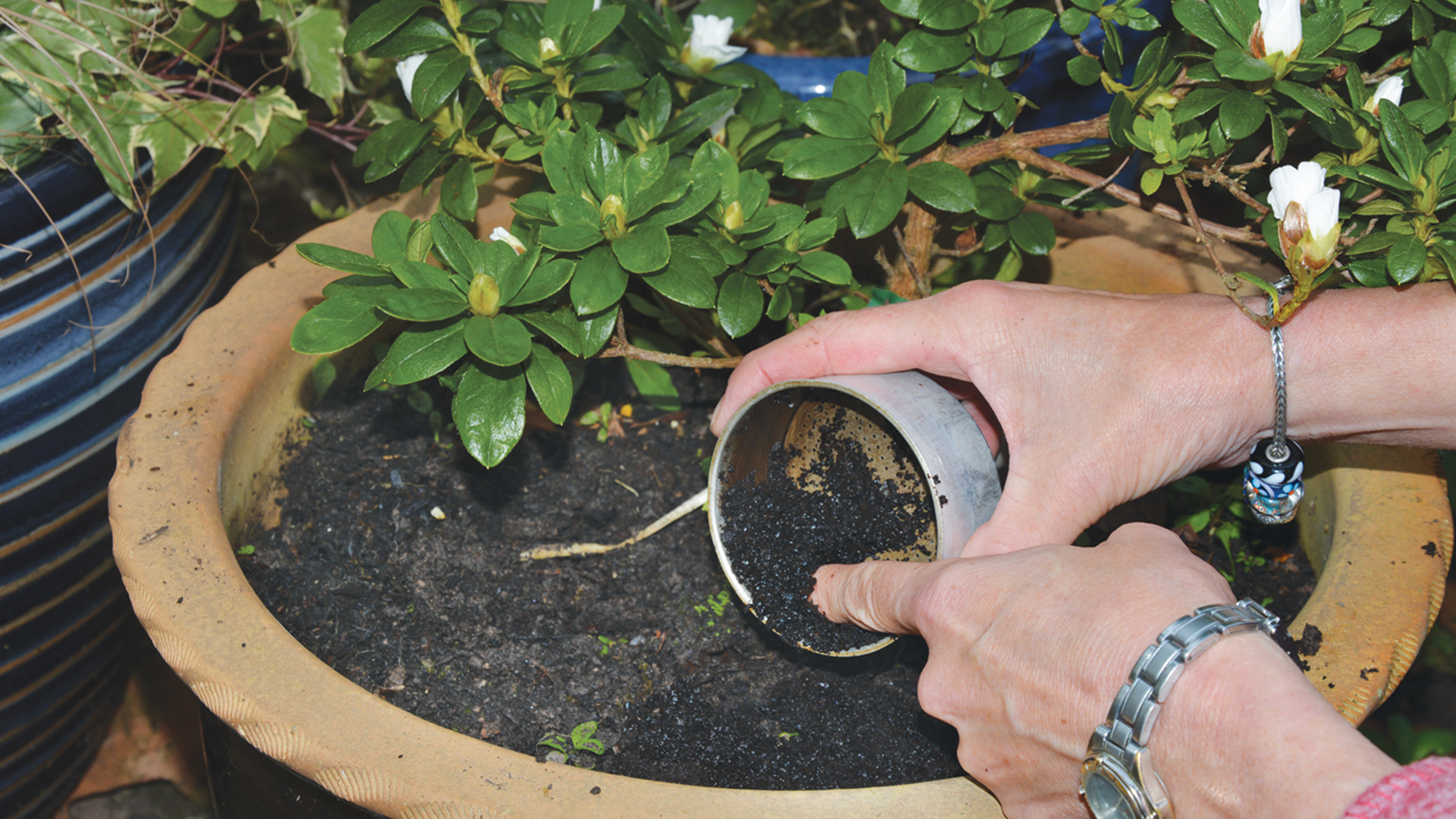
Credit: www.womanandhome.com
Alternative Uses For Coffee Grounds In The Garden
Coffee grounds can enrich soil, offering nutrients like nitrogen for plants. They deter pests and enhance compost quality. Using coffee grounds in the garden improves soil structure and water retention, benefiting plant growth.
Alternative Uses for Coffee Grounds in the Garden Are you a coffee lover with a green thumb? You might be surprised to find that your morning brew can do wonders for your garden. Coffee grounds are not just waste; they’re a treasure trove of nutrients and benefits for your plants. Let’s explore some practical and creative ways to use coffee grounds in your garden.Creating Mulch
Coffee grounds can be a fantastic mulch alternative. They help retain moisture, regulate soil temperature, and even deter weeds. Simply spread a thin layer of coffee grounds around the base of your plants. Mixing them with other organic materials, like leaves or grass clippings, can enhance their effectiveness. Have you ever noticed how fresh coffee grounds smell? They also help keep your garden smelling earthy and fresh.Compost Addition
Adding coffee grounds to your compost pile is a great way to enrich your compost with nitrogen. This nutrient is crucial for plant growth and helps create a well-balanced compost. To do this, mix the coffee grounds with other compost materials like fruit peels, vegetable scraps, and dried leaves. This combination will accelerate the decomposition process, resulting in a rich, fertile compost. Isn’t it fascinating how something as simple as coffee grounds can boost your compost’s quality?Slug And Snail Barrier
If you’re battling slugs and snails in your garden, coffee grounds might be your new best friend. These pests dislike the texture and acidity of coffee grounds, making them an effective barrier. Sprinkle a ring of coffee grounds around the plants you want to protect. It’s a simple and natural solution that can save your precious plants from unwanted nibblers. Have you tried using coffee grounds for this purpose? It’s surprisingly satisfying to see your plants thriving without chemical pesticides. Incorporating these simple practices into your gardening routine can transform your garden. Are you ready to give your coffee grounds a second life?Expert Opinions And Studies
Have you ever wondered if your morning coffee could do more than just wake you up? Coffee grounds are touted as a secret weapon for gardens, but what do the experts say? Exploring the intersection of gardener testimonials, scientific research findings, and real-world case studies can reveal the truth behind this common belief. Let’s dive into the expert opinions and studies that shed light on whether coffee grounds truly benefit your garden.
Gardener Testimonials
Many seasoned gardeners swear by coffee grounds. They often highlight the improved soil texture and increased earthworm activity after using them. Some have noted how coffee grounds effectively deter pests, keeping their plants healthier without harsh chemicals.
One gardener shared her experience of using coffee grounds to enrich her rose bushes, resulting in more vibrant blooms. Another enthusiast noticed fewer snails in her vegetable patch, attributing this change to the coffee grounds she sprinkled around her plants.
Scientific Research Findings
Scientific studies provide a more objective look at coffee grounds’ impact on gardens. Research shows that coffee grounds can boost soil health due to their organic matter content. They improve drainage and water retention, crucial for healthy plant growth.
Studies also suggest that coffee grounds can enhance soil acidity. For acid-loving plants like blueberries and azaleas, this can be particularly beneficial. However, scientists caution against using them excessively to avoid potential pH imbalances.
Case Studies And Experiments
Real-world experiments put theories to the test, offering valuable insights. In one case study, a community garden experimented with coffee grounds to improve soil fertility. Participants reported stronger plant growth and fewer weeds.
Another experiment involved comparing plants grown with and without coffee grounds. The results showed that those with coffee grounds had faster growth rates and more robust foliage. Such findings encourage gardeners to consider coffee grounds as a natural amendment.
Do these insights inspire you to try coffee grounds in your own garden? The combined wisdom of gardeners and scientists offers a compelling case for their use. Still, it’s essential to monitor your soil’s reaction and adjust accordingly.
Credit: www.facebook.com
Frequently Asked Questions
When Should You Not Use Coffee Grounds In The Garden?
Avoid using coffee grounds if your soil is already acidic. Do not use them on dry soil. Coffee grounds can inhibit seed germination and attract pests. They may harm plants sensitive to caffeine. Use cautiously with young plants.
Which Plants Do Not Like Coffee Grounds?
Plants like tomatoes, lavender, and rosemary dislike coffee grounds. These grounds are too acidic for them. Avoid using coffee grounds on plants that prefer alkaline soil. Always test soil pH before applying coffee grounds to ensure compatibility.
Can I Put Coffee Grounds Straight On The Garden?
Yes, coffee grounds can be used directly in the garden. They enrich soil with nitrogen, improve drainage, and deter pests. Spread them thinly to avoid mold growth. Mixing them with other organic matter enhances their benefits. Avoid using too much to prevent soil acidity.
What Kind Of Plants Can You Put Coffee Grounds In?
Coffee grounds benefit acid-loving plants like roses, azaleas, rhododendrons, camellias, and hydrangeas. They enhance soil acidity and improve drainage. Additionally, coffee grounds deter pests and enrich the soil with nutrients. Always use them in moderation to avoid over-acidifying the soil.
Conclusion
Coffee grounds can be a great addition to your garden. They enrich soil, boost nutrients, and improve structure. Earthworms love coffee grounds. They help break down organic matter. This leads to healthier plants. Be mindful of the amount you use.
Too much can harm your garden. Mix them with other compost materials. This ensures balance in your soil. Experiment with small amounts first. See how your plants respond. Adjust as needed. Coffee grounds are a sustainable choice. They reduce waste and benefit your garden.
Embrace this natural method for a thriving garden. Happy gardening!


