Are ants invading your garden and turning your peaceful outdoor space into their bustling highway? You’re not alone.
Many garden enthusiasts find themselves in a battle against these tiny intruders. While ants can actually be beneficial for your garden ecosystem, too many of them can cause problems. They can protect harmful pests like aphids or disturb your plants’ roots.
So, how do you reclaim your garden without harming the environment or using harsh chemicals? The answer might surprise you. By understanding a few simple strategies, you can send those ants packing while keeping your garden lush and thriving. Let’s dive into the secrets of creating an ant-free oasis right in your backyard.
Identify Ant Species
Understanding ant species helps in choosing effective control methods for your garden. Identifying ants guides you in selecting targeted remedies and natural deterrents.
Identifying the ant species in your garden is crucial. Different ants require different solutions. Knowing the species helps you target them effectively. It saves time and effort. Some ants are harmless, while others damage plants. Let’s explore how to identify them.
Observe The Ants’ Physical Characteristics
Look at the color and size. These are key indicators. Some ants are red, others black or brown. Sizes vary from tiny to medium. Use a magnifying glass if needed. Note the details. This helps in distinguishing species.
Examine The Nesting Habits
Observe where they build nests. Some prefer soil, others in wood or under rocks. Ants in soil may be garden ants. Those in wood might be carpenter ants. Location gives clues about the species.
Identify Feeding Preferences
Watch what they eat. Some ants like sweet foods, others prefer proteins. Sweet-loving ants could be sugar ants. Protein feeders might be fire ants. Feeding habits narrow down the possibilities.
Check For Specific Behaviors
Notice their movement patterns. Some ants move in straight lines. Others wander randomly. Straight-line movers may be Argentine ants. Random wanderers could be pavement ants. Behavior offers important hints.
Use Online Ant Identification Guides
Find guides on the internet. They offer detailed pictures and descriptions. Compare your observations with these resources. Guides can confirm your findings. They are valuable tools for identifying ants. Understanding these factors can help manage ants in your garden efficiently.

Credit: www.youtube.com
Natural Deterrents
Use natural deterrents like vinegar and lemon to repel ants from your garden. Sprinkle cinnamon or cloves around plants to keep ants away. These eco-friendly methods help maintain a healthy and pest-free garden environment.
When ants invade your garden, it can feel like they are taking over your precious plants. However, using natural deterrents can help you manage these tiny intruders effectively and safely. You might be surprised by how some everyday household items can keep ants at bay without resorting to harsh chemicals.
Diatomaceous Earth
Diatomaceous earth is a natural powder made from fossilized aquatic organisms. This fine powder poses no threat to humans or pets but is deadly to ants. When ants come into contact with it, their exoskeletons are damaged, leading to dehydration. To use it in your garden, sprinkle a thin line around your plants. Just ensure it stays dry to maintain its effectiveness. Have you tried this versatile powder for other pests?
Vinegar Solutions
Vinegar is not just for salads. Its strong scent disrupts the pheromone trails ants use to navigate. Mix equal parts of vinegar and water in a spray bottle. Spray the solution directly on ant trails and entry points. Regular application can deter them from returning. Plus, your garden will have a fresh, clean scent. Have you noticed how vinegar can also deter other pests?
Essential Oils
Certain essential oils are powerful ant repellents. Peppermint, tea tree, and citrus oils disrupt ants’ scent trails and deter them. Mix 10-15 drops of essential oil with water in a spray bottle. Spray the mixture around your garden, focusing on areas where ants are prevalent. This natural solution not only repels ants but also adds a pleasant aroma to your garden. Which essential oil will you try first for a fragrant and ant-free garden? By integrating these natural deterrents, you can keep your garden thriving without ants. These solutions are not only effective but also safe for your plants and the environment. Why not try them out and see the difference for yourself?
Garden-friendly Plants
Keep ants away by planting mint, lavender, or marigolds. These plants naturally repel ants. Encourage a healthier garden environment.
Garden-friendly plants can be your best allies in keeping ants at bay. Instead of resorting to chemical solutions, embrace nature’s own repellents. These plants not only add beauty to your garden but also work tirelessly to deter unwelcome ant visitors. Imagine strolling through your garden, surrounded by vibrant blooms and lush greenery, knowing that each plant is playing its part in safeguarding your space. A garden filled with these natural defenders can be both an aesthetic delight and a practical solution. Have you ever wondered how simple plant choices can transform your garden into a fortress against ants? Dive into these selections and see how easy it is to make your garden ant-free.
Herbs That Repel Ants
Planting herbs like mint, lavender, and rosemary can be an effective way to keep ants away. Their strong scents are not only pleasant to humans but also act as natural deterrents for ants. Imagine a garden where the aroma of mint fills the air, enticing for you, yet repelling for ants. Mint grows rapidly, providing both a fragrant atmosphere and an insect-repellent barrier. Lavender, with its beautiful purple blooms, not only repels ants but also attracts beneficial insects like bees and butterflies. Picture yourself enjoying a cup of tea surrounded by lavender’s soothing scent, knowing it’s working hard to keep ants at bay.
Companion Planting
Companion planting involves strategically placing plants that complement each other’s growth and repel pests like ants. This method is like a natural teamwork approach to gardening, where plants support each other in thriving. Consider planting marigolds alongside your vegetables. Marigolds have properties that deter ants, ensuring your vegetable garden remains safe from their intrusion. Plus, their bright colors add a cheerful touch to your garden landscape. Another effective pair is garlic and tomatoes. Garlic not only enhances the flavor of tomatoes when harvested but also acts as a natural ant deterrent. This pairing creates a win-win situation: delicious produce and a pest-free garden. By choosing garden-friendly plants, you can cultivate a thriving garden that naturally resists ants. Which plant will you add first to your garden’s defense team?
Barrier Methods
Creating physical barriers can effectively deter ants from entering your garden. Use diatomaceous earth or talcum powder to form protective lines around plants. These substances disrupt ants’ movement, keeping them away naturally and safely.
Keeping ants out of your garden can be a challenging task, but employing barrier methods can effectively deter these tiny invaders. By creating a physical blockade, you can prevent ants from accessing your plants and causing any harm. Barrier methods are not only practical but also environmentally friendly, making them a perfect choice for those who wish to maintain a healthy garden ecosystem.
Physical Barriers
Physical barriers are one of the simplest ways to keep ants at bay. You can use materials like gravel, sand, or diatomaceous earth around your plants to create a hostile environment for ants. These materials can irritate ants, making it difficult for them to travel across. Consider creating a moat around your plants by digging a shallow trench and filling it with water. Ants are unable to swim, and this can effectively stop them from reaching your plants. It’s a straightforward yet effective way to protect your garden.
Copper Tape
Copper tape is a popular choice for gardeners looking to deter ants. You can easily find this in garden centers or online. The tape can be applied around the base of plant pots or along raised garden bed edges. The science behind copper tape is fascinating. When ants come into contact with copper, it creates a small electric shock that repels them without harming your plants. This method is both safe and efficient, providing a chemical-free solution to your ant problem. Have you ever tried using copper tape in your garden? You might be surprised at how effective such a simple tool can be. Give it a try and see how this small investment can make a big difference in protecting your plants.
Bait And Traps
Using bait and traps can effectively remove ants from your garden. Place sugar-based bait near ant trails to attract them. Employ non-toxic traps to capture and eliminate ants without harming plants.
Dealing with ants in the garden can be challenging. Ants can disrupt plant growth and soil health. Using bait and traps provides an effective solution. These tools lure ants away from plants. This makes it easier to manage their population. Below, explore homemade baits and commercial traps. Each offers unique benefits for your garden.
Homemade Baits
Homemade baits are cost-effective and easy to make. Use simple ingredients found in your kitchen. Sugar and borax are key components. Ants are attracted to sugar. Borax acts as a natural poison. Mix them with water to form a paste. Place the paste near ant trails. Ensure it is out of reach of pets and children. Another option is using peanut butter and borax. Ants love the scent of peanut butter. Combine it with borax to attract and eliminate ants. Apply the mixture near their nests. Check the bait regularly and refresh as needed.
Commercial Traps
Commercial traps offer convenience and effectiveness. Many brands offer ready-to-use options. These traps contain insecticide that kills ants. Place them along ant paths. They work well indoors and outdoors. Some traps use sticky substances. Ants get trapped when they walk over them. These traps are non-toxic and safe for pets. Choose a product that suits your garden needs. Always follow the instructions provided on the packaging. Regular checks ensure the traps remain effective.
Credit: extension.msstate.edu
Biological Controls
Biological controls offer a natural way to remove ants from your garden. Introduce beneficial insects like predatory beetles to control ant populations. These insects target ants without harming plants, promoting a healthy garden ecosystem.
Biological controls offer a natural solution for managing ants in your garden, reducing reliance on chemical pesticides. These methods enhance your garden’s ecosystem, inviting nature to do the work for you. Imagine a garden where beneficial insects and microorganisms keep pests in check, allowing your plants to thrive in harmony. Let’s dive into two effective biological controls: beneficial insects and nematodes.
Beneficial Insects
Beneficial insects, such as ladybugs and lacewings, are nature’s pest controllers. They feast on aphids, which ants often farm for their sweet honeydew. By reducing aphids, you indirectly disrupt the ants’ food supply, encouraging them to move elsewhere. You can purchase these insects online or from local garden centers. Release them in your garden during cooler parts of the day to maximize their effectiveness. It’s fascinating to watch as these tiny warriors patrol your plants, making your garden healthier without any effort from chemical sprays.
Nematodes
Nematodes are microscopic worms that attack soil-dwelling pests, including ants. They are safe for plants and humans, making them an excellent choice for organic gardeners. When applied to the soil, nematodes seek out and destroy ant larvae, reducing future generations of ants. Mix nematodes with water and apply them to moist soil for best results. Use them as part of your regular garden care routine. It’s surprising how something so tiny can make such a big impact, helping you maintain a balanced garden ecosystem. Have you ever considered using nature as your pest control partner? These methods not only protect your garden but also promote biodiversity and sustainability.
Chemical Solutions
Chemical Solutions Mix water with vinegar or lemon juice to repel ants from your garden. Spray the solution on ant trails and nests for effective results. Avoid harming plants by focusing only on ant-infested areas.
Chemical solutions can be an effective way to manage ants in your garden when other methods haven’t worked. While chemical solutions might sound intimidating, they offer a range of options that can be safe and effective. With the right approach, you can keep your garden thriving without unwanted ant invasions.
Safe Pesticides
When it comes to using pesticides in your garden, safety should be your top priority. Look for pesticides labeled as safe for use around plants and animals. Many brands offer organic or natural options that minimize environmental impact. Consider products containing diatomaceous earth or boric acid, which are known for their effectiveness against ants. These substances are less harmful to beneficial insects in your garden. You might feel anxious about using chemicals, but choosing safe options can ease your mind and protect your garden’s ecosystem.
Application Tips
Applying pesticides effectively requires precision and care. Make sure to read the instructions carefully before you begin. Use a targeted approach to apply pesticides only where ants are active. This helps protect other areas of your garden from unnecessary exposure. Timing is crucial—apply pesticides during dry weather to ensure they adhere properly and don’t wash away. Have you ever noticed how ants seem to appear in waves? Consider reapplying the pesticides after a couple of weeks to tackle new ants that may have emerged. Could a routine inspection of your garden reveal ant hotspots you might have missed? Be proactive in checking and reapplying as needed to maintain control.
Preventive Measures
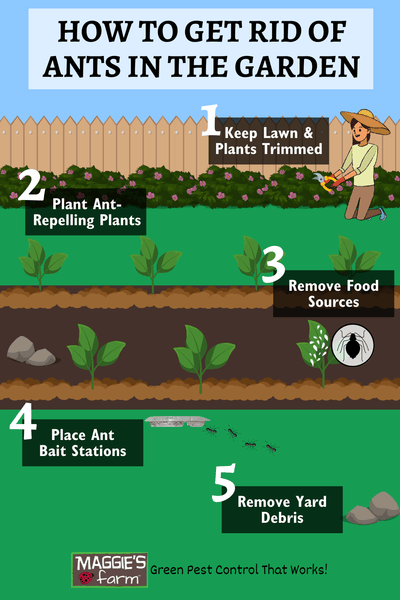
Remove food sources like fallen fruits and sugary substances to deter ants. Use natural deterrents such as vinegar or citrus peels. Ensure proper garden drainage to minimize moisture, discouraging ant colonies.
Preventive measures are essential to keep ants from invading your garden. By taking proactive steps, you can maintain a healthy garden environment that discourages ants from settling in. These measures not only help in controlling ants but also contribute to the overall well-being of your garden.
Regular Maintenance
Commit to regular garden maintenance to deter ants. Trim back overgrown plants and remove debris, as these can serve as perfect hiding spots for ants. Inspect your garden frequently for ant trails and nests to catch any issues early. Watering your garden properly is also crucial. Overwatering can create a moist environment that attracts ants. Ensure your garden has adequate drainage to avoid water pooling. Keep your garden clean. Fallen fruits and rotting plants are magnets for ants. Dispose of these promptly to keep ants at bay.
Mulching Techniques
Mulching can be a double-edged sword when it comes to ants. Choose mulch materials that deter ants, like cedar or pine needles, which have natural repellent properties. Spread a thin layer to prevent ants from nesting while still enjoying the benefits of moisture retention and weed control. Consider using a mulch barrier. Create a physical barrier by leaving a small gap between the mulch and plant stems. This prevents ants from having easy access to your plants. Experiment with different mulching techniques. For instance, try using stone mulch instead of organic options. It provides fewer hiding spots for ants and can still be effective in retaining soil moisture. Have you ever noticed how small changes in your gardening routine can make a big difference? By implementing these preventive measures, you create a garden that’s less inviting to ants and more enjoyable for you.

Credit: maggiesfarmproducts.com
Frequently Asked Questions
What’s The Best Way To Get Rid Of Ants In A Garden?
Use diatomaceous earth around plants to deter ants. Introduce beneficial insects like ladybugs. Plant mint or lavender as natural repellents. Keep the garden clean of debris and fallen fruit. Create barriers with vinegar or lemon juice to disrupt ant trails.
How Do You Get Rid Of Ants Without Harming The Soil?
Use diatomaceous earth around ant trails. Apply citrus peels or vinegar near entry points. Introduce beneficial nematodes to soil. Plant mint or tansy to repel ants naturally. Keep the area clean and remove food sources.
Do Coffee Grounds Repel Ants?
Coffee grounds can deter ants due to their strong scent. Sprinkling them around entry points may help. They disrupt ants’ scent trails and act as a natural repellent. Regularly refresh the grounds for effectiveness. While not a guaranteed solution, they offer a chemical-free method to manage ant problems.
What Eats Ants In The Garden Naturally?
Birds, frogs, and toads naturally eat ants in the garden. Spiders and some beetles also prey on ants. Lizards and some small mammals, like shrews, help control ant populations. Encouraging these predators can maintain a balanced garden ecosystem.
Conclusion
Ants can be pesky in your garden. But you can manage them. Use natural methods to keep ants away. Try vinegar or lemon juice. These are safe for plants. Remove food sources to discourage ants. Clean up fallen fruits quickly.
Use barriers like cinnamon or chalk. Ants dislike these. Regularly check your garden for ant nests. Early action prevents big infestations. Encourage helpful insects. They control ant populations. Stay persistent with your efforts. Your garden can thrive without ants. Keep it healthy and ant-free.
Enjoy your beautiful garden!