Are you tired of finding your beautiful garden turned into a feline playground? Those cute little paws might be charming, but they can wreak havoc on your flowers and plants.
If you’re searching for effective ways to keep cats out of your garden without causing harm, you’ve come to the right place. Imagine stepping into your garden and seeing your plants thriving and undisturbed. That can be your reality with just a few simple strategies.
Read on to discover easy, humane, and effective techniques to reclaim your garden space. Your plants deserve protection, and you deserve peace of mind. Let’s dive in and find the perfect solution for you and your garden.
Understanding Cat Behavior
Understanding Cat Behavior Cats often invade gardens due to their curiosity. To deter them, use natural repellents like citrus peels. Creating barriers with plants like lavender can also help keep them away.
Understanding cat behavior is key to keeping your garden cat-free. By understanding what draws them to your garden and recognizing their habits, you can develop effective strategies to deter them. Cats are curious creatures, often exploring new environments to satisfy their inquisitive nature or fulfill their needs. Understanding these motivations can help you create a garden that doesn’t cater to their interests.
Why Cats Visit Gardens
Cats are often drawn to gardens for several reasons. One of the primary attractions is the scent and texture of the soil, which they find perfect for digging and marking territory. Gardens often provide a safe and quiet refuge away from noisy streets, making them ideal for relaxation or even taking a nap. Plants, especially catnip, can be irresistible for cats, encouraging them to explore and interact with your greenery. Additionally, gardens often host small animals like birds or mice, providing an exciting hunting ground for these natural predators.
Common Cat Habits
Understanding common cat habits can help you anticipate their behavior and plan accordingly. Cats are creatures of habit, often returning to the same spots to rest, play, or hunt. They are also territorial, marking their favorite areas with scent markings to stake their claim. Cats tend to be most active during dawn and dusk, which are prime times for hunting. If you notice increased cat activity in your garden, consider these times when planning deterrents. Furthermore, cats love to climb and perch, often using trees or fences to survey their surroundings. By recognizing these habits, you can identify the most attractive features of your garden and begin to adjust them to make your space less appealing to feline visitors.
:max_bytes(150000):strip_icc()/GettyImages-987124336-cfedea8ab77e4e97b7f0b142f8163e2d.jpg)
Credit: www.thespruce.com
Natural Deterrents
Keeping cats out of your garden can be a challenge. Many gardeners prefer natural methods to deter these furry visitors. Natural deterrents are safe, eco-friendly, and often effective. Let’s explore some methods to keep cats at bay.
Using Plants Cats Dislike
Some plants naturally repel cats. Consider planting these around your garden:
- Lavender:Cats dislike its strong scent.
- Rosemary:Its aroma is off-putting to cats.
- Coleus canina:Known as the “scaredy-cat plant” for a reason.
- Lemon balm:Cats find its citrus scent unpleasant.
These plants not only deter cats but also beautify your garden. Experiment with different plants to see which works best.
Scents That Repel Cats
Cats have a keen sense of smell. Certain scents can keep them away:
- Citrus peels:Scatter orange or lemon peels around the garden.
- Coffee grounds:Cats dislike the strong aroma of coffee.
- Vinegar:Spray diluted vinegar near plants to deter cats.
- Essential oils:Use oils like eucalyptus or peppermint sparingly.
These scents are easy to apply and reapply as needed. They are a simple, natural way to keep your garden cat-free.
Physical Barriers
Install fences or netting around your garden to deter cats. Use chicken wire or mesh to block entry points. These barriers prevent cats from entering and protect your plants effectively.
Physical barriers can be a game-changer when it comes to keeping cats out of your garden. These tangible solutions not only protect your plants but also provide peace of mind knowing your garden is safe from feline intruders. Let’s explore some effective strategies to create barriers that deter cats from visiting your green haven.
Fencing Solutions
Imagine having a fence that not only adds charm to your garden but also acts as a guard against cats. A simple wire mesh fence can do wonders. It’s affordable and easy to install. Make sure the fence is tall enough to prevent cats from jumping over. You might want to consider adding a slight outward angle at the top. This small tweak can be surprisingly effective in keeping agile cats at bay. Have you ever thought about using chicken wire? It’s flexible and can be shaped to fit any garden layout. Plus, it’s durable enough to withstand weather elements.
Mulching And Gravel Options
Creating uncomfortable surfaces is another smart way to deter cats. Why not use mulch or gravel to add texture to your garden beds? Cats dislike walking on uneven surfaces. Think about how a simple switch to gravel pathways could make your garden less appealing to cats. The crunchy sound and shifting surface can discourage them from strolling around. Have you considered using pine cones or thorny plants as mulch? These natural elements not only enrich the soil but also act as a deterrent for cats. As you explore these physical barriers, ask yourself: How can you creatively integrate these solutions into your garden design? Your garden can be a sanctuary for plants, not a playground for curious cats.
Technological Solutions
Keeping cats out of your garden can be a challenge. They dig, scratch, and sometimes damage plants. Fortunately, technology offers solutions to deter them effectively. These gadgets are humane and easy to use. Let’s explore some of the best technological tools for this task.
Motion-activated Sprinklers
Motion-activated sprinklers work wonders. They detect movement and spray water automatically. Cats dislike sudden sprays and avoid the area. These devices are simple to install and adjust. Most are solar-powered, making them eco-friendly and cost-effective. Place them strategically in your garden for maximum effect.
Ultrasonic Cat Repellers
Ultrasonic cat repellers emit high-frequency sounds. Humans can’t hear these sounds, but cats can. The noise is unpleasant for them, causing them to leave. These devices are safe and won’t harm the cats. Many models offer different frequency settings. Adjust them to find the most effective one. Install them in areas where cats frequent the most.
Training And Behavior Modification
Training and Behavior Modification Create a cat-friendly area with toys and shelter to entice them away from the garden. Use natural deterrents like citrus peels or motion-activated sprinklers to keep cats at bay.
Training and behavior modification can help keep cats out of gardens. By understanding feline instincts, you can guide their actions. This approach is gentle and effective for redirecting unwanted behavior.
Positive Reinforcement Techniques
Cats respond well to positive reinforcement. Reward desirable actions with treats or affection. This encourages them to repeat good behaviors. For example, when the cat avoids the garden, offer a treat. Praise them with gentle words. This builds a strong connection between good behavior and rewards. Consistency is key. Use these techniques regularly for best results.
Redirecting Cat Behavior
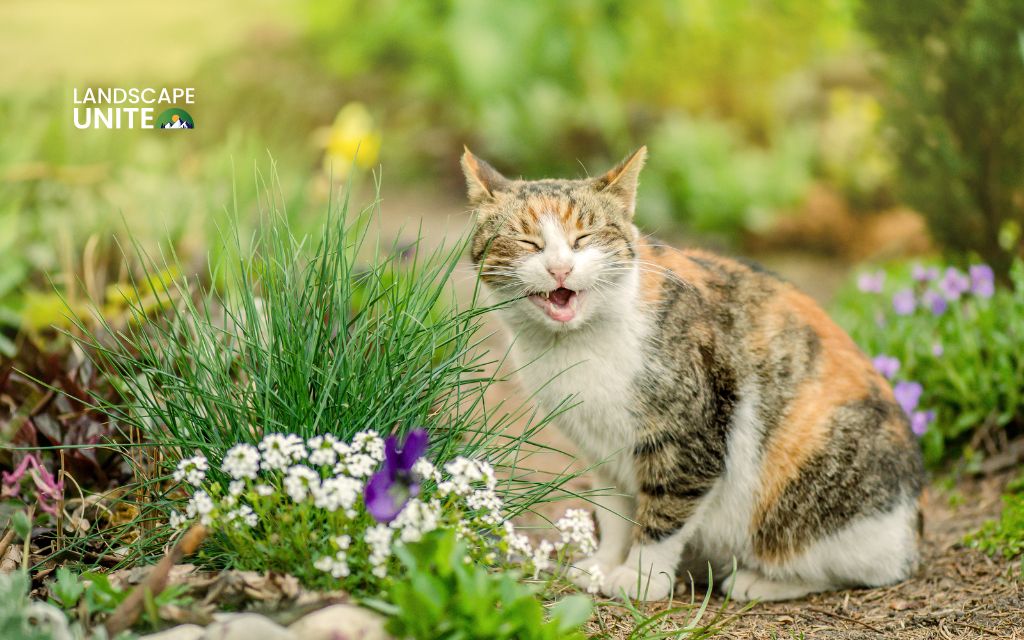
Redirecting unwanted behavior is crucial. Provide alternatives to the garden. Create a designated play area. Use toys and scratching posts to attract them. If they head towards the garden, gently guide them elsewhere. Distract them with engaging activities. This will make the garden less appealing. Use scent deterrents around the garden’s edge. Cats dislike certain smells like citrus or lavender. These scents can help redirect their focus.
Credit: landscapeunite.com
Community And Legal Considerations
Respecting neighborhood rules and laws is essential. Some places have specific ordinances about animal control. Knowing these can help avoid fines and ensure community harmony.
Having a neighborhood full of curious cats can be a delightful sight unless they view your garden as their personal playground. It’s essential to handle the situation with care, ensuring that your actions respect both the community and the law. Here’s how you can navigate these considerations effectively.
Engaging With Neighbors
Open a dialogue with your neighbors about the cat situation. They might not even realize their furry friends are causing issues in your garden. A friendly conversation can lead to collaborative solutions, like using shared deterrents or adjusting feeding times. Consider hosting a small neighborhood gathering to discuss pet boundaries. This approach creates a sense of community and encourages mutual respect. Plus, you might discover that other neighbors have similar concerns.
Understanding Local Regulations
Familiarize yourself with local laws regarding stray or roaming cats. Some areas have specific rules about trapping or deterring animals, and it’s crucial to stay within legal boundaries. Check with local animal control or shelters for advice on humane cat deterrent methods. They can offer resources or even assist in rehoming efforts if necessary. Understanding these regulations ensures that your actions are both effective and compliant. Avoiding legal trouble is just as important as protecting your garden. By being mindful of community dynamics and legal requirements, you can maintain harmony while keeping your garden safe. Are you ready to take the first step towards a cat-free garden?
Long-term Garden Maintenance
Maintaining a cat-free garden requires effort and consistency. Long-term garden maintenance can help keep cats away. It involves regular inspections and sustainable practices. These methods ensure your garden stays healthy and cat-free.
Regular Inspection Tips
Inspect your garden weekly. Look for signs of cat activity. Check for dug-up soil and paw prints. Use barriers where cats enter. Consider installing fences or netting. Keep areas tidy to deter cats. Remove food sources like fallen fruits. Cats are less likely to visit clean gardens.
Sustainable Garden Practices
Embrace natural deterrents. Plant herbs like lavender or rosemary. Cats dislike their strong scents. Use mulch to cover soil. It discourages digging. Water regularly to keep soil moist. Cats prefer dry surfaces. Install motion-activated sprinklers. They surprise visiting cats. Choose native plants for your garden. They attract fewer pests, reducing cat visits.

Credit: www.youtube.com
Frequently Asked Questions
How Do I Keep Cats Out Of My Garden?
Use citrus peels or coffee grounds to deter cats. Install motion-activated sprinklers for added protection. Plant cat-repelling herbs like lavender or rosemary. Place chicken wire on the soil to prevent digging. Secure fences to block entry points.
How To Get A Cat To Leave Your Garden?
Use citrus peels or coffee grounds as natural repellents. Install motion-activated sprinklers to deter cats. Plant strong-scented herbs like lavender or rosemary. Secure trash bins and eliminate food sources. Create a designated cat-friendly area elsewhere.
What Repels Cats From The Garden Naturally?
Use citrus peels, coffee grounds, or vinegar to repel cats. Plant lavender or rosemary for natural deterrents. Spread cayenne pepper or use motion-activated sprinklers to keep them away. These methods are eco-friendly and effective. Keep your garden cat-free with these simple solutions.
What Smell Do Cats Absolutely Hate?
Cats absolutely hate the smell of citrus fruits like oranges and lemons. They also dislike vinegar and strong spices like cayenne pepper. Essential oils such as eucalyptus, lavender, and peppermint can be unpleasant for them too. These scents can deter cats effectively.
Conclusion
Cats love gardens. Keeping them out can be tricky. Natural deterrents work well. Try citrus peels or coffee grounds. Plant cat-repelling herbs like lavender. Secure your garden with fences or nets. Use motion-activated sprinklers for surprise. Offer alternative spaces for cats to explore.
They may prefer a sandbox. Consistency is key. Stick to your methods. Over time, cats learn to avoid your garden. Enjoy a peaceful, cat-free space. Gardening becomes easier without feline visitors. Protect your plants. Keep your garden beautiful. Your efforts will pay off.
Happy gardening!