Are ants taking over your vegetable garden? You’re not alone.
Many gardeners face this pesky problem, and it can feel overwhelming when these tiny invaders start to wreak havoc on your hard work. Ants may be small, but their impact can be big, especially when they protect aphids and other pests that damage your plants.
If you’re tired of seeing ants march through your garden like they own the place, you’re in the right spot. You’ll discover effective strategies to reclaim your garden and protect your vegetables from these unwanted guests. Imagine enjoying a thriving, healthy garden where ants are no longer a concern. Keep reading to find out how you can achieve this with simple, practical solutions.
Identifying Ant Infestations
Spotting ant trails or nests indicates an infestation in your vegetable garden. Addressing these pests early helps protect your plants. Use natural remedies like diatomaceous earth or vinegar to deter ants effectively.
Identifying ant infestations in your vegetable garden is crucial. Ants can harm plants and soil health. Spotting them early helps manage them effectively.
Recognizing Ant Trails
Ants often move in organized lines. These trails lead to food sources. Check your garden for these trails. They often appear near plants and soil.
Finding Ant Nests
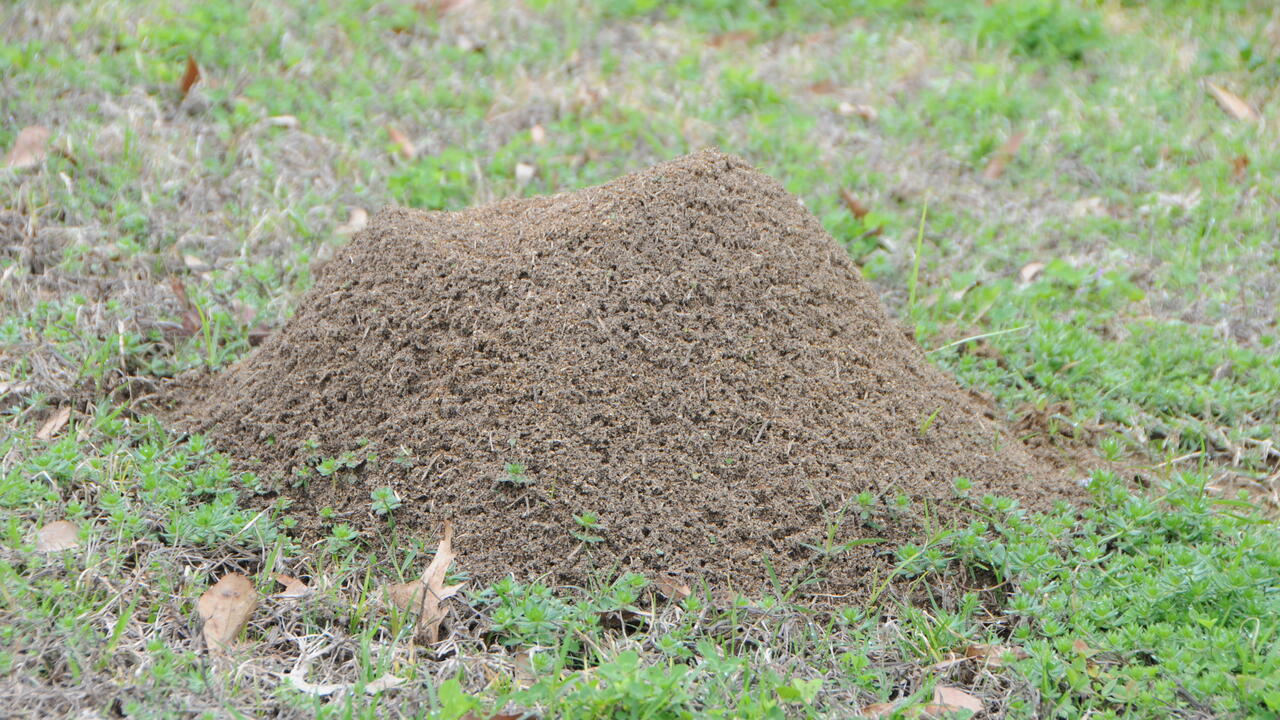
Ant nests are small mounds of dirt. Look for them in your garden. They may be near vegetable roots or in open spaces.
Noticing Plant Damage
Ants can damage plants in various ways. Look for wilted leaves or disturbed soil. These signs can indicate an infestation.
Observing Ant Activity During Daytime
Ants are active in daylight. Watch your garden during the day. Note any increased ant activity around plants.
Checking Soil Condition
Healthy soil is crucial for plants. Ants can disturb soil structure. Examine the soil for any unusual changes.
Listening For Ant Sounds
In quiet moments, listen closely. Ants make faint rustling noises. These sounds can help identify their presence.

Credit: www.instagram.com
Natural Remedies
Natural remedies offer effective solutions for controlling ants in vegetable gardens. Use diatomaceous earth to disrupt and dehydrate these pests. Coffee grounds can also deter ants while enriching the soil.
Natural remedies offer a gentle and effective approach to dealing with ants in your vegetable garden. These eco-friendly solutions not only keep your plants safe but also preserve the environment. Whether you want to deter ants or eliminate them, using household items can make the process simple and affordable. Let’s explore some natural methods to control ants without harming your garden.
Vinegar Solutions
Vinegar is a powerful ant deterrent. Mix equal parts water and vinegar in a spray bottle. Spray this solution around ant trails and nests. The strong scent disrupts ant communication. Regular application keeps ants at bay. Vinegar is safe for plants, making it ideal for gardens.
Citrus Peels
Ants dislike the smell of citrus. Collect citrus peels like oranges and lemons. Grind them into a paste using water. Spread this paste near ant entry points. The scent repels ants effectively. Citrus peels also enrich soil as they decompose. It’s a natural and beneficial way to deter ants.
Diatomaceous Earth
Diatomaceous earth is a natural powder. Sprinkle it around ant nests and trails. The powder dehydrates ants, eliminating them. Ensure it’s food-grade for garden use. It poses no harm to plants or pets. Diatomaceous earth is a safe option for persistent ant problems. Regular use ensures effective ant control.
Organic Methods
Organic ant control in vegetable gardens involves safe and natural methods. Use diatomaceous earth or a vinegar solution. Both can deter ants without harming plants or soil.
Organic methods are a wonderful choice for tackling ant infestations in your vegetable garden. They offer environmentally-friendly solutions that won’t harm your plants or disrupt the ecosystem. By opting for these methods, you ensure that your veggies remain safe to consume while effectively managing ants. Let’s dive into a couple of organic solutions that can help you reclaim your garden space.
Neem Oil
Neem oil is a powerful ally against ants. It disrupts their hormonal balance, deterring them from your garden. You can easily make a spray by mixing water and a few drops of neem oil. Apply it generously on affected plants and soil areas. One summer, I noticed ants marching through my tomato patch. A few applications of neem oil spray did the trick! It was amazing to see how this natural oil could reclaim my garden. Have you tried neem oil before? If not, it might be time to give it a shot.
Boric Acid Baits
Boric acid baits are another effective organic method. Ants are attracted to sweet substances mixed with boric acid, which eventually dehydrates and kills them. You can create baits using sugar, water, and boric acid, placing them strategically near ant trails. I remember setting up boric acid baits around my lettuce rows. Within days, the ant problem was under control. It’s fascinating how a simple mixture can make such a difference. Would you be willing to experiment with this approach in your garden? Choosing organic methods not only protects your vegetables but also keeps the environment safe. Consider giving these natural solutions a try and watch your garden flourish without the pesky presence of ants.
Credit: extension.msstate.edu
Chemical Solutions
When ants invade your vegetable garden, chemical solutions might be your go-to option for swift results. Using chemical pesticides can effectively eradicate ants, but it’s crucial to select products that won’t harm your vegetables or the environment. This section guides you on choosing safe pesticides and provides application guidelines to ensure your garden remains productive and healthy.
Choosing Safe Pesticides
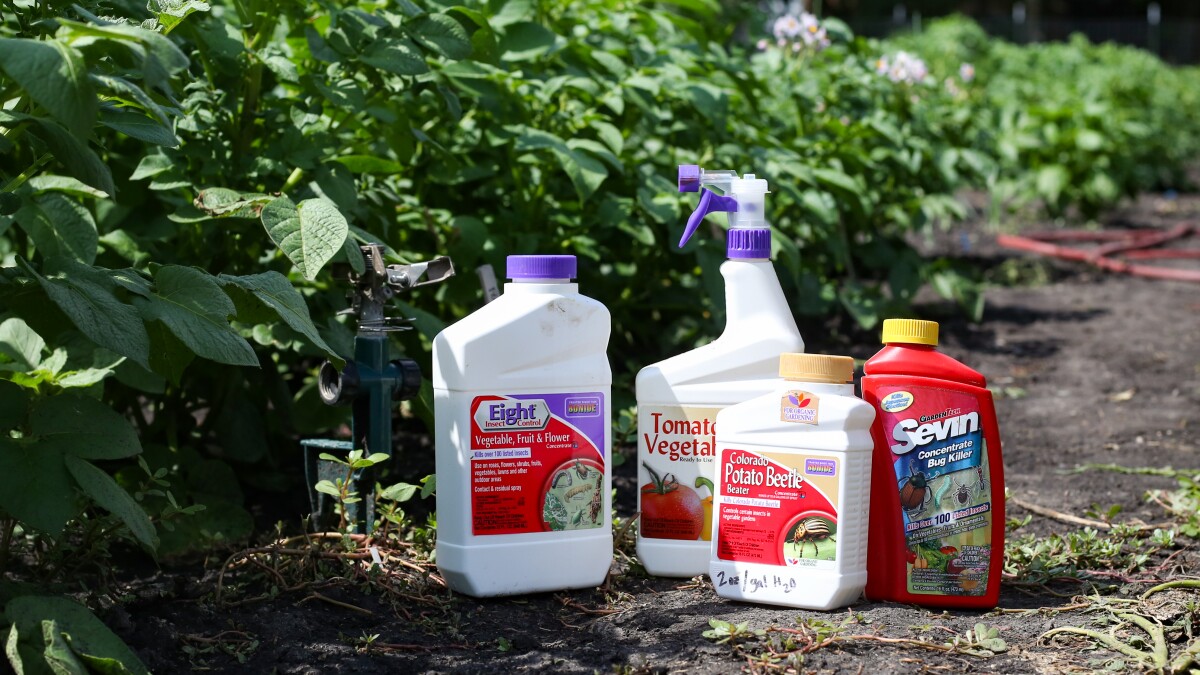
Not all pesticides are created equal, especially when it comes to using them in a vegetable garden. You want to choose products that target ants without damaging your plants or leaving harmful residues. Look for pesticides labeled as safe for vegetable gardens and organic options if possible. Many gardeners swear by insecticidal soaps and horticultural oils, which can be effective against ants while being gentle on plants.
It’s also essential to read product labels thoroughly. Check for active ingredients like pyrethrins, which are derived from chrysanthemum flowers and considered less toxic. Avoid broad-spectrum pesticides that kill beneficial insects along with the pests. Would you feel comfortable using a pesticide that risks eliminating helpful pollinators?
Application Guidelines
Once you’ve chosen a safe pesticide, the application process becomes paramount. Timing matters; apply pesticides during early morning or late afternoon when beneficial insects are less active. This strategy reduces the risk of collateral damage to the garden’s ecosystem. Use spray bottles for small areas, ensuring even coverage without soaking the plants.
Precision is key—target ant trails and nests rather than indiscriminately spraying the entire garden. Spot treatments can be more effective and prevent unnecessary chemical exposure to your vegetables. Always follow the manufacturer’s instructions for dilution and application rates. Have you ever paused to consider how much pesticide is too much?
Remember to wear protective gear like gloves and masks when applying chemicals to avoid skin irritation and inhalation risks. It’s not just about protecting your garden; it’s about keeping you safe too. After application, monitor your garden closely to assess the effectiveness and make adjustments if needed.
Preventive Measures
Eliminate ants in vegetable gardens by maintaining cleanliness and removing food sources. Use natural repellents like cinnamon or peppermint oil. Regularly inspect plants and soil, ensuring quick action against ant infestations.
Preventive measures are key in keeping ants out of your vegetable garden. By addressing the root causes, you can maintain a healthy and ant-free environment. Implementing some simple strategies can significantly reduce the chance of ant infestations.
Regular Garden Maintenance
Keeping your garden clean and tidy is essential. Regularly remove fallen leaves and other debris that attract ants. Mulch is beneficial, but too much can create a cozy home for ants, so use it sparingly. Inspect your garden often. Look for signs of ant activity like small mounds or trails. Early detection allows for quick action, preventing larger infestations. Encourage healthy soil. Ants are less likely to thrive in well-drained, nutrient-rich soil. Regularly aerate and add organic matter to maintain good soil health.
Companion Planting
Some plants naturally repel ants. Consider planting mint, marigolds, or garlic around your vegetables. These plants act as natural deterrents, keeping ants at bay. Mixing up plant varieties can confuse ants. They prefer uniform environments, so a diverse garden layout can disrupt their patterns. Have you thought about the benefits of basil in your garden? Not only does it repel ants, but it also attracts beneficial insects. This dual-purpose plant can enhance your garden’s ecosystem. By integrating these preventive measures, you can enjoy a thriving, ant-free vegetable garden. What changes will you make to protect your garden?
Credit: www.inforum.com
Monitoring And Maintenance
Regular garden checks help spot ant infestations early. Remove any debris where ants might nest. Use safe, natural ant repellents to protect plants and maintain garden health.
Monitoring and maintenance are key aspects of keeping your vegetable garden free from ants. While it may seem like a daunting task, consistent attention can save your plants from these tiny invaders. You’ll find that a proactive approach makes a significant difference in controlling ant populations.
Regular Inspection Tips
Conducting regular inspections is crucial for early detection of ant activity. Begin by examining the soil closely, looking for disturbed areas or ant trails. Check the undersides of leaves where ants might be hiding or farming aphids. Consider creating a simple checklist to ensure nothing is overlooked during your inspections.
Adjusting Strategies Over Time
Your initial methods may need tweaking as ant behavior changes with the seasons. Observe their activity patterns and adjust your interventions accordingly. For instance, if a bait is ineffective, try varying the placement or type. Remember, flexibility in your approach can often yield better results than sticking rigidly to one tactic. What new strategy could you introduce that might turn the tide in your favor?
Frequently Asked Questions
How Do I Get Rid Of Ants In My Raised Vegetable Bed?
Use diatomaceous earth around the base to repel ants. Introduce natural predators like ladybugs. Maintain cleanliness by removing debris and food sources. Apply organic insecticidal soap for quick relief. Regularly inspect and adjust watering to prevent infestations.
How Do I Keep Ants Off My Vegetable Garden?
Use diatomaceous earth around plants to deter ants. Plant mint or garlic as natural repellents. Regularly remove debris and fallen leaves. Apply a vinegar-water solution to discourage ants. Keep the garden free from aphid infestations, as they attract ants.
Will Ants Ruin A Vegetable Garden?
Ants usually don’t ruin vegetable gardens. They aerate soil, aiding plant growth. However, they may protect harmful pests like aphids. Monitor ants and manage aphids to ensure garden health. Use natural deterrents if necessary to keep ants at bay. Regularly check your garden for any signs of pest activity.
What Is Best To Kill Ants In The Garden?
Use diatomaceous earth or a mixture of vinegar and water to kill ants in the garden effectively. Sprinkle these solutions directly on ant trails and nests for best results. Both options are natural and safe for plants, ensuring an eco-friendly approach to pest control.
Conclusion
Creating a healthy vegetable garden free from ants is possible. Use natural methods like diatomaceous earth or vinegar. These solutions keep your plants safe and organic. Ants can harm your crops, but consistent care works wonders. Check plants regularly for any ant activity.
Maintain garden hygiene to prevent ant invasions. A clean garden repels pests naturally. Protect your vegetables with simple strategies. Enjoy fresh produce without ant concerns. Happy gardening is within reach. With patience and effort, your garden thrives. Ant-free and flourishing.


