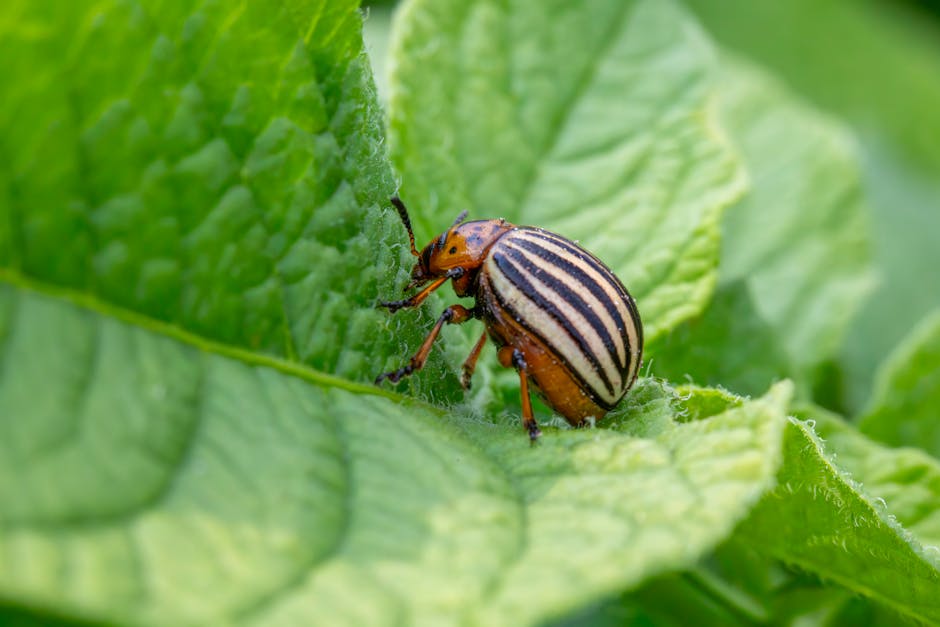
If you’ve ever spotted a swarm of grasshoppers feasting on your vegetable garden, you know the frustration they can cause. These little critters might look harmless, but they can wreak havoc on your precious plants, threatening to turn your gardening dreams into a nightmare.
You might feel like you’re in a constant battle to protect your greens from being devoured, but don’t worry—you’re not alone. Imagine being able to stroll through your garden, admiring your hard work without the fear of finding chewed leaves and stunted growth.
Sounds peaceful, right? In this guide, you’ll discover effective ways to rid your garden of these pesky invaders, ensuring your vegetables thrive. Curious about how to reclaim your garden and enjoy the fruits of your labor? Keep reading to unlock the secrets to a grasshopper-free garden.

Credit: www.facebook.com
Identifying Grasshoppers
Grasshoppers can cause havoc in vegetable gardens. Identifying these pests early helps manage their impact. Understanding their characteristics ensures timely action.
Common Species In Gardens
Several grasshopper species invade gardens. The Differential Grasshopper is common. It has a yellow body with brown markings. The Two-striped Grasshopper is another frequent visitor. It displays two distinct stripes along its wings. The Red-legged Grasshopper is notable for its reddish hind legs. Knowing these species helps spot them easily.
Signs Of Infestation
Look for chewed leaves and stems. Grasshoppers leave ragged edges on plants. Notice if plants have holes. These pests munch through leaves, creating visible damage. Check for droppings near plants. Grasshopper feces resemble tiny, dark pellets. Spotting these signs signals a need for control measures.
Natural Repellents
Use natural repellents like garlic spray or neem oil to deter grasshoppers in your vegetable garden. These solutions are safe and easy to apply, keeping your plants healthy and pest-free.
Natural Repellents are a fantastic way to keep grasshoppers at bay in your vegetable garden without resorting to harsh chemicals. These methods utilize the power of plants and household items to create an environment that grasshoppers find unpleasant. You’ll be surprised at how simple and effective these strategies can be, often with ingredients you already have at home. Let’s dive into some practical solutions that can help safeguard your garden.Companion Planting
Companion planting is a clever strategy that uses specific plants to deter pests naturally. Marigolds, for instance, are a popular choice among gardeners. They emit a scent that repels grasshoppers. Plant them alongside your vegetables as a natural barrier. Another option is cilantro. This aromatic herb can confuse and repel grasshoppers, making it an excellent addition to your garden. Try interspersing cilantro between rows of your vegetable plants. Lavender is not only beautiful but also a strong deterrent for grasshoppers. Its fragrance is pleasant to humans but off-putting to many pests. Consider planting lavender around the perimeter of your garden.Homemade Sprays
Creating homemade sprays is a cost-effective and environmentally-friendly way to tackle grasshoppers. Garlic spray is a favorite among gardeners. Simply mix minced garlic with water and let it steep overnight. Spraying this mixture on your plants can deter grasshoppers due to the strong scent. Another effective spray is made from hot peppers. Blend hot peppers with water, strain the mixture, and use it to spray your plants. The spicy solution is a natural repellent for grasshoppers. You can also try vinegar sprays. Mix equal parts of vinegar and water, and apply it to your plants. The acidity is often enough to discourage grasshoppers from munching on your vegetables. Do you have a favorite homemade spray or companion plant that has worked wonders in your garden? Share your experiences and insights in the comments below!Biological Control
Biological control is an eco-friendly way to manage grasshopper infestations in vegetable gardens. Introducing natural predators like birds or beneficial insects can help reduce grasshopper populations effectively. This approach maintains garden health without relying on chemical pesticides.
Biological control offers a natural way to reduce grasshoppers in your garden. Using nature’s balance, you can manage pests without chemicals. This method can be very effective. It also supports the ecosystem of your garden. Let’s explore some biological control strategies.Beneficial Insects
Ladybugs are excellent allies. They love to eat grasshopper eggs and nymphs. You can buy ladybugs online or at garden centers. Release them in the evening. They’ll stay and feast on pests. Lacewings are another great option. They also eat grasshopper eggs. Encourage them with plants like dill and fennel.Birds And Natural Predators
Birds are natural grasshopper hunters. Attract them with bird feeders and baths. They will visit and help control the pest population. Chickens are another choice. They roam and eat grasshoppers. Ensure they do not harm your plants. Frogs and toads also eat grasshoppers. Provide a small pond or moist area. This will invite them to your garden. Snakes, though not always welcome, can help too. They eat grasshoppers and other pests.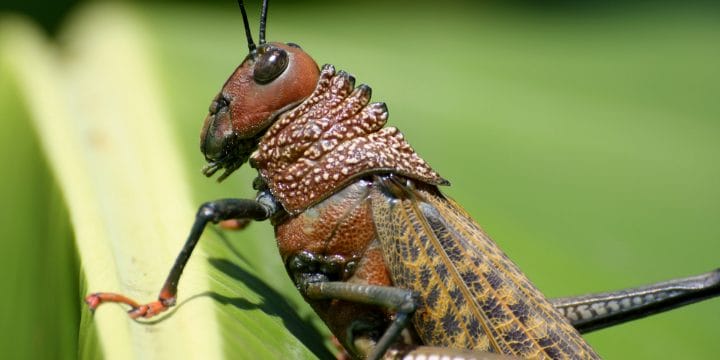
Credit: littlesproutslearning.co
Physical Barriers
Physical barriers like netting or row covers can shield your vegetable garden from pesky grasshoppers. Ensure these barriers are tightly secured to prevent entry and protect your plants effectively.
Physical barriers are a practical and eco-friendly way to protect your vegetable garden from pesky grasshoppers. By creating a physical shield around your plants, you can significantly reduce the chances of these insects munching on your hard-earned produce. Plus, physical barriers are easy to implement and can be customized to suit your garden’s specific needs. Let’s dive into a couple of effective options.Garden Netting
Garden netting is a versatile tool that acts as a protective shield against grasshoppers. You can drape the netting over your plants or create a structure using stakes to hold it in place. This method allows sunlight and water to reach your vegetables while keeping grasshoppers at bay. Choose a netting with small enough holes to prevent grasshoppers from squeezing through. Lightweight and easy to install, garden netting is a great choice for those who want to maintain a natural-looking garden. Have you ever thought about using it as a temporary fence for young seedlings?Row Covers
Row covers are another excellent option for protecting your vegetable garden. These covers create a microclimate, keeping pests out while allowing light and moisture in. They’re perfect for both small and large garden areas. You can opt for floating row covers that rest directly on the plants or supported covers that are held above the plants using hoops. This method not only deters grasshoppers but can also help extend the growing season by providing some insulation. Imagine the satisfaction of harvesting veggies that are untouched by pests! By implementing these physical barriers, you can safeguard your garden without resorting to chemical pesticides. Have you tried using these methods in your garden? If not, it might be time to give them a go!Chemical Solutions
Eliminate grasshoppers in your vegetable garden with chemical solutions. Use insecticides specifically designed for grasshoppers. Follow instructions carefully to protect your plants.
Chemical solutions can effectively manage grasshoppers in your vegetable garden. They offer quick results and can be tailored to different needs. Choose between organic and chemical pesticides based on your preference and garden’s health.Organic Pesticides
Organic pesticides use natural ingredients to deter grasshoppers. They are safer for the environment and non-target organisms. Neem oil is a popular organic pesticide. It disrupts the life cycle of grasshoppers. Another option is garlic spray, which repels these pests. Mix garlic with water and spray on plants. Diatomaceous earth is also effective. It dehydrates grasshoppers on contact. Sprinkle it around your garden to form a protective barrier.Chemical Pesticides
Chemical pesticides act fast and have strong effects. They contain synthetic ingredients to kill grasshoppers instantly. Carbaryl is a common choice. It is effective but must be used cautiously. Read the label carefully before applying. Pyrethroid-based products are another option. They target the nervous system of grasshoppers. Ensure you wear protective gear when using these products. Always follow the manufacturer’s instructions for best results.Preventative Measures
Natural predators like birds can help control grasshopper populations in vegetable gardens. Planting garlic or cilantro acts as a deterrent, while maintaining clean garden edges reduces hiding spots.
Preventative Measures are essential when it comes to safeguarding your vegetable garden from grasshoppers. By proactively implementing strategies, you can reduce the likelihood of an infestation and protect your precious crops. Let’s explore some practical approaches to keep these pesky insects at bay.Regular Garden Maintenance
Consistent upkeep of your garden is crucial in preventing grasshopper invasions. Start by removing weeds and debris that provide hiding spots for these insects. A tidy garden is less inviting to pests. Consider planting trap crops like clover or tall grasses at the edges of your garden. These attract grasshoppers away from your vegetables. It’s a simple yet effective way to divert their attention. Regularly inspect your plants for any signs of grasshopper activity. Early detection can prevent a small issue from becoming a major problem. What changes can you make today to enhance your garden’s defenses?Seasonal Strategies
Understanding the life cycle of grasshoppers can inform your seasonal strategies. In early spring, tilling the soil can disrupt grasshopper eggs before they hatch. This reduces the number of potential pests later in the season. During the peak season, introduce natural predators like birds and beneficial insects. Encourage these allies by providing water sources and nesting areas. Have you considered how your garden can naturally deter pests? In late summer, focus on planting crops that mature quickly. These are less likely to suffer severe damage from grasshoppers. Quick-growing vegetables can also provide a harvest before pest numbers peak. By implementing these preventative measures, you can enjoy a bountiful garden with fewer pest-related challenges. What steps will you take to fortify your garden against grasshoppers this season?Monitoring And Maintenance
Regularly inspect your vegetable garden to catch grasshopper infestations early. Remove weeds and debris to minimize hiding spots. Use natural predators or organic sprays to control their population effectively.
Monitoring and maintenance play a crucial role in managing grasshoppers in your vegetable garden. Regular checks help you catch problems early. This ensures your garden thrives. Consistent care can prevent infestations. It also helps in adjusting methods as needed.Regular Inspections
Frequent inspections are vital for catching grasshoppers early. Walk through your garden weekly. Check the leaves and stems for damage. Look for signs like chewed leaves. This helps spot issues before they escalate. Use a magnifying glass for a closer look. This helps identify tiny pests. Keep a journal of your findings. Note any changes or new damage.Adjusting Control Methods
Adapt your control methods based on your findings. If grasshopper numbers grow, consider stronger methods. You might need more traps or barriers. Natural predators, like birds, can help control pests. Encourage them by placing bird feeders nearby. Chemical treatments should be a last resort. Always follow safety guidelines if you use them. Rotate different strategies for better results. This prevents grasshoppers from adapting to one method.
Credit: www.facebook.com
Frequently Asked Questions
How Do I Keep Grasshoppers Out Of My Vegetable Garden?
Use floating row covers to shield plants from grasshoppers. Introduce natural predators like birds and frogs. Apply neem oil for organic pest control. Plant companion herbs like cilantro to repel them. Maintain garden cleanliness to reduce breeding spots.
What Kills Grasshoppers But Not Plants?
Neem oil effectively kills grasshoppers without harming plants. It is a natural insecticide. Diatomaceous earth also controls grasshoppers safely. Beneficial insects like praying mantises can help manage grasshopper populations. Pyrethrin-based sprays target grasshoppers but spare plants. Use these options to protect your garden naturally.
How Long Will A Grasshopper Infestation Last?
A grasshopper infestation can last several weeks to months, depending on weather conditions and food availability. Warm, dry weather extends the infestation period. Natural predators, pesticides, and environmental changes can help control the population. Monitor the situation closely to determine the best control methods for your area.
What Is The Most Effective Grasshopper Control?
Neem oil effectively controls grasshoppers by disrupting their growth and feeding. Introduce natural predators like birds or chickens to reduce their population. Applying diatomaceous earth around plants can deter grasshoppers. Consistent monitoring and early intervention ensure successful grasshopper control.
Conclusion
Grasshoppers can be tough pests in your vegetable garden. But you can manage them. Use natural methods first. Try planting flowers that repel them. Consider using neem oil. It is effective and safe for plants. Keep your garden clean and free of debris.
This reduces hiding spots for grasshoppers. Regularly check for signs of damage. Act quickly if you spot them. Protecting your garden is important. With patience and care, you can enjoy healthy vegetables. Your hard work will pay off. Happy gardening!


