
Have you ever found yourself craving a delicious plate of pasta, only to feel a pinch in your wallet when the bill arrives at Olive Garden? You’re not alone.
Many diners wonder why a meal at this popular Italian-American restaurant chain comes with a seemingly hefty price tag. You’re curious to know if you’re truly getting your money’s worth, and that’s exactly what we’ll explore here. By understanding the factors that contribute to Olive Garden’s pricing, you can make more informed dining choices.
Dive in as we uncover the elements behind the costs, and discover if the experience is as rich as the flavors they serve. Your curiosity is about to be satisfied, just like your taste buds.
Ingredient Quality
Olive Garden is known for its warm ambiance and delicious Italian food. One reason for its higher prices is the quality of ingredients. Freshness and taste are key factors that affect the cost. Higher quality ingredients often come with a bigger price tag.
Sourcing Premium Ingredients
Olive Garden prioritizes sourcing premium ingredients for its dishes. They choose high-quality cheese, olive oil, and meats. These ingredients enhance the flavors and offer a genuine Italian experience. Such dedication to quality comes at a cost. The restaurant invests in reliable suppliers, ensuring consistent taste and freshness.
Impact Of Fresh Produce
Fresh produce is central to Olive Garden’s menu. Vegetables and herbs are carefully selected for maximum flavor. Fresh produce ensures vibrant, tasty dishes. It also guarantees nutritional benefits. Maintaining freshness demands careful storage and quick turnover. This adds to operational costs, influencing menu pricing. But it ensures a delightful dining experience with every meal.

Credit: medium.com
Operational Costs
Olive Garden, known for its delicious Italian-inspired dishes and warm, inviting atmosphere, often surprises guests with its pricing. One key factor contributing to these costs is the operational expenses involved in running a restaurant of its caliber. These expenses are essential to maintain quality and service but can lead to higher menu prices. Let’s dive into some specific aspects of operational costs.
Staffing And Training
Imagine walking into Olive Garden and being greeted by a friendly host, served by attentive waitstaff, and having your meal prepared by skilled chefs. This level of service requires a well-trained team, and training isn’t cheap. Olive Garden invests significantly in ensuring their staff is knowledgeable about their menu and able to provide excellent customer service.
Consider the number of staff required during peak hours. Each staff member must be paid fairly, which includes wages, benefits, and sometimes overtime. These costs quickly add up. So, when you see a higher price tag, think about the smiling face that made your dining experience memorable.
Restaurant Maintenance
Keeping Olive Garden’s ambiance inviting and facilities in top shape is no small feat. Regular maintenance of kitchen equipment, dining furniture, and decor is crucial. Over time, things wear out, break, or simply become outdated. Replacing or repairing these elements requires significant investment.
Have you ever noticed how clean and well-maintained Olive Garden is? That’s not by accident. They allocate substantial resources to ensure you dine in a pristine environment. This level of upkeep is reflected in the pricing to ensure you enjoy every visit without worry.
Operational costs are a necessary part of the Olive Garden experience. Next time you dine there, consider how these expenses contribute to the overall quality and enjoyment of your meal. Would you prefer a cheaper experience that sacrifices these comforts? The choice often comes down to what you value most in a dining experience.
Menu Development
Olive Garden is a beloved restaurant known for its Italian-inspired menu, but many wonder why the prices seem steep compared to other casual dining options. One key reason lies in the intricate process of menu development, which involves careful crafting and innovation to deliver unique and memorable dining experiences. This behind-the-scenes effort contributes to the overall cost, ensuring that each dish meets high standards of quality and flavor.
Crafting Unique Dishes
The journey of creating a dish at Olive Garden begins with the idea of offering something distinctive yet comforting. Chefs and culinary experts brainstorm and experiment to blend traditional Italian flavors with contemporary twists. This creative process often involves sourcing premium ingredients to achieve authentic tastes that resonate with diners.
Consider the signature Alfredo sauce. It’s not just about mixing cream and cheese; it’s about finding the right balance and texture that sets it apart. Each ingredient is chosen for its quality, ensuring that the final dish feels indulgent. This meticulous attention to detail is a significant factor in the pricing.
Testing And Innovation
Before a dish makes it to your table, it undergoes rigorous testing. Olive Garden invests in trial runs and taste tests to refine flavors and presentation. These trials ensure that every new menu item is not only delicious but also consistent with the brand’s standards.
Innovation plays a crucial role in keeping the menu exciting. Olive Garden frequently updates its offerings, introducing seasonal items or new recipes based on customer feedback and culinary trends. This constant evolution requires investment in research and development, influencing the overall cost of maintaining a fresh and appealing menu.
Have you ever wondered what goes into perfecting your favorite dish? Behind every bite is a story of creative effort and precise execution. Would you pay a little extra to savor a dish that has been thoughtfully crafted and tested to meet high standards?
Marketing Expenses
Olive Garden’s high costs stem from significant marketing expenses. These expenses include advertising and promotions to attract diners.
Olive Garden’s pricing often raises eyebrows. A significant factor is marketing expenses. These costs are crucial for maintaining their brand presence. Let’s dive into the specifics of these expenses.Advertising Campaigns
Advertising is a big part of Olive Garden’s strategy. They invest heavily in TV and digital ads. These campaigns keep the brand visible and appealing. Ads showcase their menu and dining experience. The cost of producing and airing ads is substantial. This contributes to higher pricing.Brand Partnerships
Olive Garden collaborates with other brands. These partnerships enhance their market reach. Collaborations involve co-branded products or promotions. Such partnerships require financial investment. Partnering boosts their brand image and attracts new customers. The costs involved impact menu pricing.Ambiance And Experience
Dining at Olive Garden offers more than just a meal. The ambiance and experience significantly contribute to its pricing. Patrons are not just paying for food, but for an immersive experience.
Decor And Design
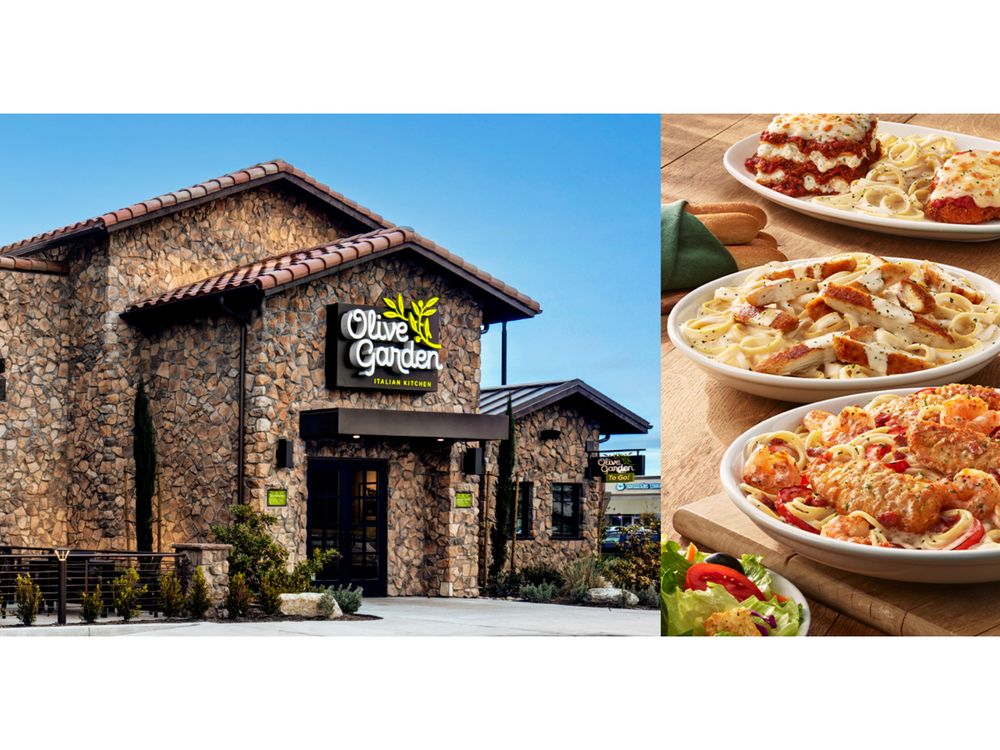
Olive Garden’s decor reflects a warm Italian vibe. The interior design includes rustic elements like wooden beams and stone accents. Soft lighting creates a cozy atmosphere. Each table is set with elegant dishware, enhancing the dining experience. The layout provides privacy, making diners feel special.
Customer Service Focus
Customer service at Olive Garden stands out. Staff greet you warmly upon arrival. Servers ensure your needs are met promptly. The team is trained to offer personalized recommendations. They maintain a friendly and attentive attitude. This level of service enhances the overall dining experience.
Location Factors
Understanding why Olive Garden is expensive can start with its location factors. Location impacts many costs, from rent to utilities. These costs vary based on whether a restaurant is in an urban or suburban area. Each location type comes with its own set of financial challenges. These factors contribute significantly to the overall pricing of meals at Olive Garden.
Urban Vs. Suburban Sites
Urban locations often mean higher costs. Restaurants in city centers pay more for rent. They also face higher expenses for utilities. Urban sites often have greater foot traffic, which can justify the higher costs. But these costs are passed on to customers. Suburban locations might be cheaper. Yet, they have other challenges. Less foot traffic can mean lower sales. Olive Garden must balance these factors when setting prices.
Rent And Utilities
Rent is a major expense for any restaurant. Urban areas have high rent due to demand. Olive Garden in these areas faces steep monthly payments. This is a key reason for higher meal prices. Utilities also cost more in cities. Electricity and water rates tend to be higher in urban settings. These expenses add up quickly. Restaurants must cover these costs to stay in business. So, they adjust their prices accordingly. This directly affects the price you see on the menu.
Supply Chain Challenges
Olive Garden’s price tag often leaves diners pondering the reasons behind its costly dishes. A significant factor contributing to its pricing is supply chain challenges. From global sourcing issues to logistics and distribution complexities, these hurdles are woven into the fabric of Olive Garden’s operations, influencing the cost you see on the menu.
Logistics And Distribution
Have you ever considered how far that plate of pasta travels before it reaches your table? Olive Garden has a vast network to maintain, ensuring fresh ingredients from various locations arrive on time. The process involves intricate logistics and distribution systems that require constant attention.
Every ingredient, from tomatoes to herbs, needs careful handling and transportation. This adds layers of cost related to storage, fuel, and packaging. Imagine the journey of a ripe tomato from a farm in Italy to your plate in a bustling city. Each step in this journey adds to the expense, ultimately reflected in the menu prices.
Global Sourcing Issues
The allure of Olive Garden lies in its authentic Italian flavors, but sourcing globally comes with its own set of problems. Currency fluctuations, trade policies, and international relations can all impact the cost of ingredients. When supply chains face disruptions, prices inevitably rise.
Think of the complexities involved in sourcing olive oil from Italy or cheese from Switzerland. These global sourcing issues mean Olive Garden must adapt constantly, sometimes paying a premium to maintain quality. How much are you willing to pay for authenticity?

Credit: www.yahoo.com
Credit: m.yelp.com
Frequently Asked Questions
Why Is Olive Garden Raising Prices?
Olive Garden raises prices due to increased food costs, labor expenses, and inflation. They aim to maintain quality and service while addressing economic challenges. Adjustments help sustain operations and meet customer expectations.
How To Get Olive Garden Cheaper?
Sign up for Olive Garden’s eClub for exclusive discounts. Visit during lunch for cheaper prices. Use coupons and gift cards. Opt for family-style meals to save more. Check Groupon for deals.
How Much Does All You Can Eat At Olive Garden Cost?
Olive Garden’s all-you-can-eat pasta deal typically costs around $10. 99. Prices may vary by location and promotions. Always check Olive Garden’s website or contact your local restaurant for current offers and pricing details. Enjoy unlimited refills of pasta with delicious sauces and toppings.
Can Two People Eat At Olive Garden For $25?
Two people might eat at Olive Garden for $25 by sharing an appetizer and choosing cheaper menu items. Opt for lunch specials or split a pasta dish. Ordering water instead of drinks helps save money. Prices can vary by location, so check the menu beforehand.
Conclusion
Olive Garden’s pricing reflects various factors. Quality ingredients cost more. Experienced chefs demand fair wages. The restaurant’s ambiance and service contribute to higher costs. Marketing and location also play a role. Customers pay for the experience, not just food. Many enjoy the familiar taste and setting.
Olive Garden invests in maintaining its brand image. This leads to higher prices. Understanding these factors helps explain the cost. Dining at Olive Garden offers a unique experience. Some find it worth the price. Others opt for cheaper alternatives. Choice depends on personal priorities and budget.


