
Discover how spending time outdoors improves your mental health, boosts mood, reduces stress, and enhances overall happiness. Learn 9 proven benefits of being in nature.
Why Is Being Outside Good for Your Mental Health?
In today’s digital world, we spend most of our time indoors — staring at screens, sitting at desks, and scrolling through social media. But did you know that simply stepping outside can dramatically improve your mental health? Science shows that nature has a profound effect on your brain, mood, and stress levels. Let’s explore how being outdoors helps you feel calmer, happier, and more connected.
1. Nature Reduces Stress and Anxiety
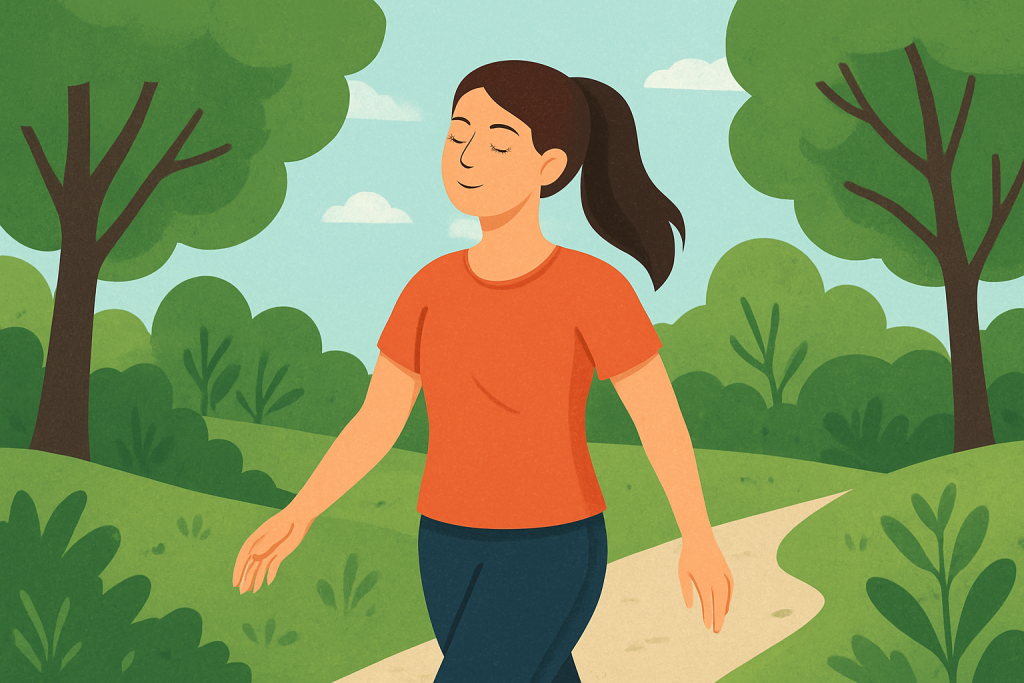
Spending time outdoors lowers the production of cortisol, the body’s main stress hormone. Studies show that even a 20-minute walk in the park can calm your nervous system, reduce anxiety, and improve emotional balance.
Try this: Take a break from screens and breathe deeply under the open sky. You’ll feel the difference immediately.
2. Sunshine Boosts Your Mood
Sunlight triggers your body to produce serotonin, a natural mood enhancer that helps you feel focused and happy. That’s why people often feel more energetic on sunny days.
Just 15–30 minutes of sunlight a day can lift your mood and help fight seasonal depression (SAD).
3. Fresh Air Clears Your Mind
Indoor air is often full of toxins and stale energy. When you step outside, fresh oxygen flows into your lungs and brain, improving concentration and clarity. A walk in the fresh air is one of the simplest ways to refresh your mind after a long, stressful day.
4. Outdoor Activity Improves Brain Health
When you walk, jog, cycle, or hike outdoors, you’re not just moving your body—you’re stimulating your brain. Physical activity increases blood flow to the brain, boosting memory, creativity, and focus.
Outdoor exercise is shown to reduce symptoms of depression and improve mental sharpness.
5. Being in Nature Enhances Creativity
Ever noticed how your best ideas come when you’re walking outside? Studies show that spending time in nature enhances creative thinking by allowing your brain to rest and reset.
Nature helps you enter a “flow state” — where ideas come easily and inspiration flows naturally.
6. Social Connection Improves Happiness
Whether you’re walking your dog, meeting friends at the park, or joining a hiking group, outdoor activities encourage real-world social connections.
These social interactions increase oxytocin, the “bonding hormone,” making you feel more loved, supported, and emotionally secure.
7. Being Outdoors Improves Sleep
Exposure to natural daylight helps regulate your circadian rhythm, which controls your sleep-wake cycle.
Getting morning sunlight signals your brain when to wake up and when to wind down, leading to deeper and more restful sleep at night.
8. Nature Builds Mindfulness and Gratitude
When you’re surrounded by trees, birds, and gentle wind, it’s easier to slow down and be present. Nature encourages mindfulness, helping you let go of worries and focus on the moment.
This sense of calm and gratitude reduces overthinking and promotes inner peace.
9. Outdoor Time Strengthens Resilience
Regular exposure to nature helps build mental resilience — the ability to bounce back from challenges. Whether it’s hiking a tough trail or simply facing the elements, being outdoors teaches patience, persistence, and adaptability.
Final Thoughts: Step Outside for a Healthier Mind
Being outdoors isn’t just a leisure activity — it’s a powerful natural therapy. From reducing stress to improving sleep and creativity, nature offers everything your mind needs to thrive.
FAQ
1. How does being outside improve mental health?
Spending time outdoors helps reduce stress, anxiety, and depression by lowering cortisol levels and boosting mood-enhancing hormones like serotonin. It also increases mindfulness and promotes relaxation.
2. How much time should I spend outside each day for mental health benefits?
Experts recommend spending at least 20–30 minutes outdoors daily. Even short walks in natural environments can have noticeable positive effects on your mood and stress levels.
3. Can being outside help with anxiety and depression?
Yes. Exposure to sunlight, fresh air, and green surroundings has been scientifically proven to reduce symptoms of anxiety and mild depression by regulating serotonin and dopamine levels.
4. Why does sunlight make people feel happier?
Sunlight boosts serotonin production — a key hormone that helps stabilize mood, improve focus, and promote happiness. It also helps regulate your body’s sleep-wake cycle through vitamin D synthesis.
5. What outdoor activities are best for mental health?
Activities like walking, hiking, cycling, gardening, yoga in the park, or even sitting under a tree with a book can all positively impact your mental well-being.
6. Can nature exposure improve sleep quality?
Yes. Spending time outdoors during the day helps regulate your circadian rhythm, making it easier to fall asleep and stay asleep at night.
7. Is being outside better for mental health than exercising indoors?
Outdoor exercise offers additional benefits like sunlight exposure, fresh air, and connection with nature, which can enhance your mood more effectively than indoor workouts.


