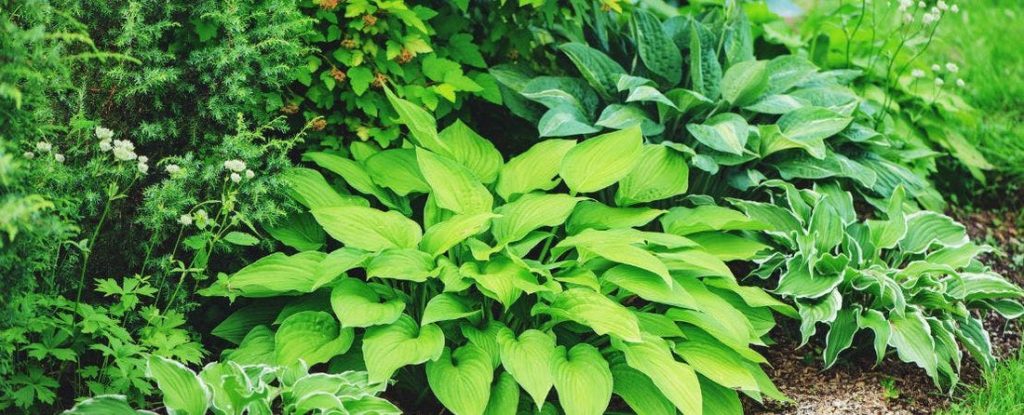
Are you looking to create a lush, green oasis in your garden? Hostas might be the perfect solution for you.
These versatile plants are known for their stunning foliage and ability to thrive in various conditions. But to truly unlock their potential, you need to know exactly where to plant them in your garden. Imagine walking outside and being greeted by a sea of vibrant greens and unique textures.
Doesn’t that sound appealing? You’ll discover the best spots to plant hostas, ensuring they flourish and elevate the aesthetic of your outdoor space. Get ready to transform your garden into the envy of the neighborhood. Let’s delve into the secrets of perfect hosta placement!

Credit: frustratedgardener.com
Ideal Light Conditions
Planting hostas in your garden is a delightful choice, but understanding the ideal light conditions is crucial for their thriving growth. Hostas are known for their lush foliage and ability to brighten up shaded areas, but finding the right balance of light is key. Are you curious about how much light your hostas really need to flourish?
Partial Shade Preferences
Hostas generally prefer partial shade, making them perfect for areas in your garden that receive filtered sunlight. This light condition mimics their natural woodland habitat. In my experience, planting them under deciduous trees provides the perfect dappled sunlight they love, especially during spring and summer.
Too much direct sunlight can scorch the leaves, leading to a faded appearance. Consider placing them near larger shrubs or garden features that can offer some protection from harsh afternoon rays. Have you noticed how hostas under partial shade tend to have more vibrant colors?
Full Shade Tolerance
While hostas thrive in partial shade, they also tolerate full shade quite well. This makes them an excellent choice for those tricky garden spots that rarely see the sun. In full shade, hostas may grow slower, but they maintain their lush appearance.
However, the degree of shade can affect their growth pattern and leaf size. In my garden, hostas in full shade often develop larger leaves but fewer flowers. It’s fascinating to observe how different shade levels can influence their growth. What unexpected spots in your garden might hostas transform with their hardy shade tolerance?
Soil Requirements
Hostas are a beloved choice for gardeners seeking lush greenery and vibrant foliage. However, ensuring they thrive requires understanding their specific soil needs. Soil requirements are crucial for hostas, influencing their growth, color, and resistance to pests. Let’s dive into the essentials for creating the perfect environment for these beautiful plants.
Nutrient-rich Soil
Hostas flourish in soil rich in organic matter. Think compost, aged manure, or leaf mold. Adding these nutrients fuels growth and enriches the soil. Consider how your hostas’ color deepens and leaves grow broader with the right nutrients.
Test your soil for pH balance. Hostas prefer slightly acidic to neutral conditions, ideally between 6.0 and 7.5. Regular testing ensures your soil remains optimal for growth. Have you ever noticed how vibrant hostas look when given the right nutrients?
Drainage Needs
While hostas love moisture, they despise waterlogged roots. Ensure good drainage by amending heavy clay soils with sand or perlite. This helps prevent root rot, a common issue in poorly drained areas.
Raised beds can be a lifesaver for hostas in areas prone to flooding. Elevate your hostas and watch them thrive, free from excess moisture. Can you imagine the difference proper drainage makes?
Climate Considerations
Understanding climate considerations is key to growing healthy hostas. These lush plants thrive in specific weather conditions. Knowing their climate needs helps ensure vibrant growth and longevity.
Temperature Tolerance
Hostas prefer moderate temperatures. They thrive in zones with cool summers. Extreme heat can stress hostas, leading to wilting. Plant them in areas with morning sun and afternoon shade. This helps maintain cooler temperatures. Frost is another concern. Hostas withstand mild frosts but need protection from harsh cold. Consider mulching to safeguard roots in colder climates.
Humidity And Moisture
Hostas love humidity. Moist air promotes lush foliage. Dry conditions can cause leaves to brown. Consider planting near water features. This can help maintain humidity levels. Soil moisture is crucial too. Hostas need consistently moist soil. They dislike soggy conditions, so proper drainage is vital. Water regularly, especially during dry spells. This ensures roots remain hydrated without being waterlogged.

Credit: www.familyhandyman.com
Proximity To Other Plants
Plant hostas in shaded areas, avoiding direct sunlight. Ensure they are not crowded, allowing space for proper growth.
Proximity to other plants is crucial when planting hostas in your garden. Hostas thrive in harmony with their surroundings. Choosing the right companions can enhance their growth and beauty. Consider their needs and how they interact with neighbors.Companion Planting
Hostas enjoy the company of certain plants. Good companions share similar light and moisture needs. Ferns, astilbes, and heucheras are great choices. These plants create a lush, layered garden look. They also thrive in shade like hostas do. Use companion planting to create a balanced ecosystem. This reduces pests and encourages healthy growth.Avoiding Competition
Hostas need space to grow their roots. Avoid planting them too close to aggressive neighbors. Plants like bamboo and large trees can outcompete hostas. They consume too much water and nutrients. Ensure there’s enough room for hostas to breathe. Space them apart to avoid resource struggles. This ensures each plant gets adequate sunlight and water.Landscape Design Tips
Locate hostas in shady garden areas for best growth. They thrive under trees or beside taller shrubs. Ensure well-drained soil to prevent root rot.
When planning your garden, hostas can transform ordinary spaces into lush, elegant landscapes. Their large, textured leaves and varying shades of green make them a versatile choice for gardeners. Understanding where to plant hostas can enhance your garden’s aesthetics while providing a serene, calming environment.Creating Focal Points
Hostas excel in creating striking focal points in your garden. Their broad leaves draw the eye, especially when placed in strategic locations. Consider planting them at the end of a pathway to signal a transition or at the center of a flower bed for visual interest. Imagine walking through your garden and suddenly being greeted by a vibrant cluster of hostas. Their presence can guide you through the landscape, offering a moment of pause and appreciation. Is there a spot in your garden that could use a little drama or emphasis?Incorporating With Water Features
Hostas thrive near water features, such as ponds or fountains, where they benefit from the increased humidity. The reflection of their lush foliage on the water’s surface creates a dynamic visual effect. It’s an ideal setting that mirrors their natural habitat, providing both the moisture and shade they prefer. Picture a tranquil pond surrounded by a variety of hostas, their leaves gently swaying in the breeze. The combination of water and greenery can transform your garden into a peaceful retreat. Have you considered the calming impact this could have on your outdoor space? By thoughtfully placing hostas around your garden, you can create a harmonious landscape that blends beauty with tranquility. Whether they serve as focal points or complement a water feature, hostas add a touch of elegance and serenity to any garden setting.Seasonal Planting Times
Choosing the right time to plant hostas can impact their growth. Both spring and fall offer unique advantages for planting these lush foliage plants. Understanding these seasonal benefits can guide you to optimal planting times for your garden.
Spring Planting Benefits
Spring offers a fresh start for hostas. The soil is warming, which helps roots establish quickly. Rainfall in spring is typically plentiful. This natural irrigation supports young plants. Longer daylight hours encourage strong growth. Hostas planted in spring have the whole growing season to develop. This head start can lead to robust plants by summer.
Fall Planting Advantages
Fall is another excellent time to plant hostas. Cooler temperatures reduce stress on new plants. The soil remains warm, aiding root development. Hostas planted in fall have less competition from weeds. They also face fewer pests. Fall rains provide ample moisture for root establishment. This timing allows hostas to focus on root growth. When spring arrives, these plants are ready to thrive. Planting in fall can lead to a burst of healthy foliage in spring.
Common Mistakes To Avoid
Plant hostas in areas with partial shade to avoid sunburn. Ensure they have well-draining soil to prevent root rot. Avoid planting them too close to trees, as tree roots compete for nutrients.
Planting hostas in your garden can transform your outdoor space with lush greenery and bold foliage. However, even with the best intentions, mistakes can happen. Understanding common pitfalls can save you time and energy, ensuring your hostas thrive. Let’s dive into some key errors to avoid when planting these gorgeous plants.Overexposure To Sun
Hostas are generally shade-loving plants. Yet, one of the most frequent mistakes is placing them in areas with too much direct sunlight. While some hosta varieties can tolerate sun, excessive exposure can lead to scorched leaves and stunted growth. Instead, opt for areas with dappled shade or morning sunlight, especially in warmer climates. Do you have a spot under a tree or near a north-facing wall? These locations might be perfect for hostas.Ignoring Soil Ph
Hostas thrive in well-draining, slightly acidic to neutral soil. Ignoring soil pH can lead to nutrient deficiencies and poor plant health. Before planting, test your soil using a simple pH kit available at gardening stores. If your soil is too alkaline, consider adding peat moss or pine needles to adjust the pH. Taking this small step can make a huge difference in your hostas’ growth. Have you ever wondered why your plants aren’t flourishing despite good care? It might just be the soil pH! Avoid these common mistakes, and you’ll find your hostas rewarding you with vibrant growth and lush leaves.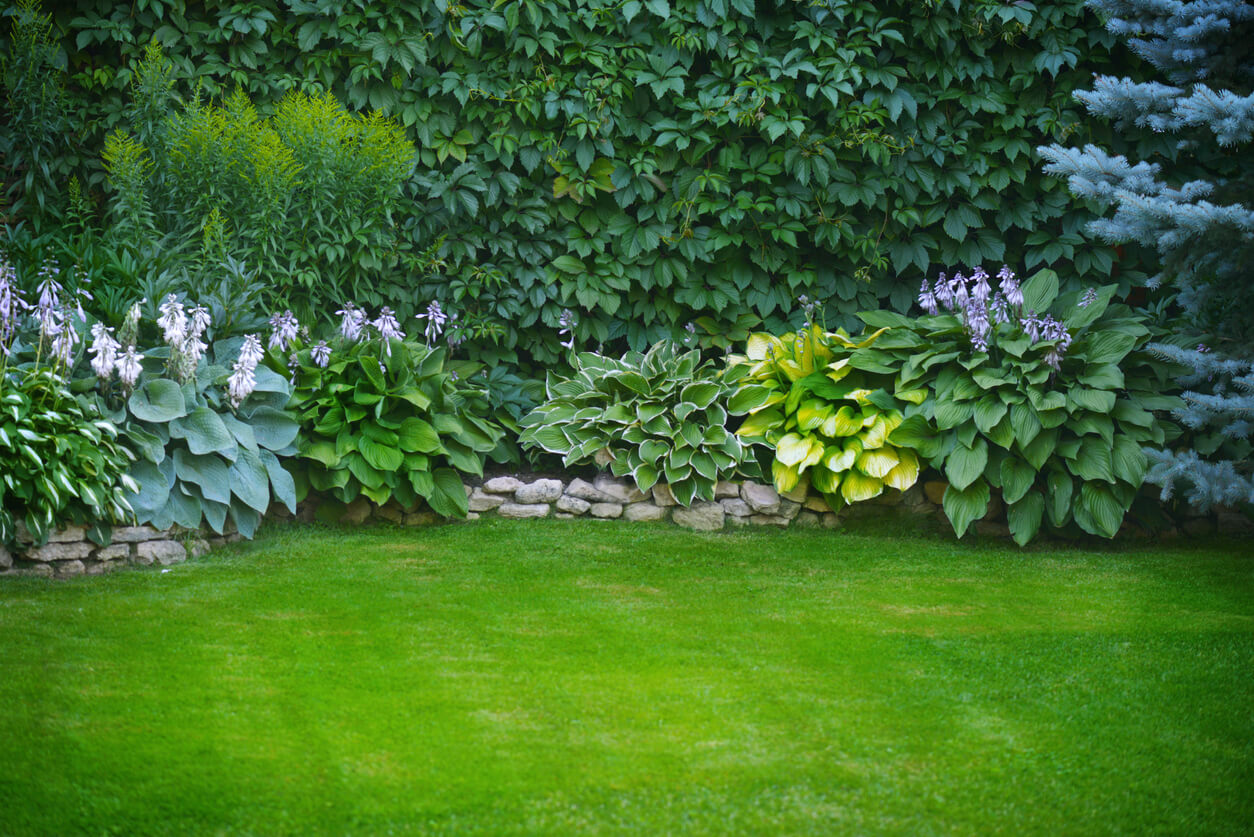
Credit: glenecho.com
Frequently Asked Questions
Where Not To Plant Hostas?
Avoid planting hostas in full sun, as they prefer shade. Don’t plant in poorly drained soil, which causes root rot. Steer clear of areas with heavy foot traffic to prevent damage. Keep hostas away from invasive tree roots that compete for nutrients.
Avoid windy locations to prevent leaf damage.
How Many Hostas Should You Plant Together?
Plant hostas 18-24 inches apart for optimal growth. Group 3-5 hostas for a lush appearance. Ensure proper spacing to prevent overcrowding and encourage healthy development. Consider the mature size of the hosta variety to plan spacing effectively.
What Month Should You Plant Hostas?
Plant hostas in early spring or early fall. These months ensure optimal soil conditions and cooler temperatures for successful growth. Make sure the ground is workable and not frozen. Planting during these times allows hostas to establish roots before extreme weather.
Do Hostas Come Back Every Year?
Yes, hostas are perennial plants. They return every year, thriving in shady garden areas. Proper care ensures their yearly comeback. These hardy plants can survive winter dormancy, sprouting anew in spring. Regular watering and fertilization promote healthy growth. Hostas are popular for their lush foliage and easy maintenance.
Conclusion
Hostas thrive in shady garden spots. They need protection from direct sun. So, find areas with dappled light. Choose spots with rich, well-drained soil. Hostas enjoy moisture but dislike soggy roots. Keep them away from harsh winds. Use mulch to retain soil moisture.
Plant them near trees or tall shrubs. Add companion plants for variety. Hostas fill empty spaces beautifully. They add texture and color to gardens. With the right placement, they flourish. Observe their growth and adjust care. Gardening brings joy and peace.
Hostas make gardens vibrant and serene. Enjoy your lush, green haven!


