Are you dreaming of a lush herb garden that bursts with flavor and fragrance? Imagine stepping outside your door to pick fresh dill, a herb that elevates your culinary creations and delights your senses.
But before you can enjoy that fresh aroma, there’s an essential question you need to answer: where should you plant dill in your garden? This decision could make all the difference in the health and flavor of your dill. Get it right, and you’ll enjoy a bountiful harvest.
Get it wrong, and you might be left with a lackluster crop. We’ll guide you through the best spots to plant dill, ensuring you make choices that lead to thriving growth and delicious results. Read on to discover where your dill will flourish, and unlock the secret to a garden that’s both beautiful and practical.
Understanding Dill’s Growth Needs
Dill thrives in sunny spots with well-drained soil, enhancing its growth and flavor. Choose a location with full sunlight and ensure the soil is slightly acidic. Proper placement in the garden ensures healthy development of this aromatic herb.
Understanding Dill’s Growth Needs Dill is a favorite in many gardens. Its feathery leaves and aromatic seeds are great for cooking. Knowing how to grow dill makes all the difference. Let’s explore what dill needs to thrive.Soil Requirements
Dill loves well-drained soil. It dislikes heavy clay or compacted earth. Sandy or loamy soil works best. Test the soil pH before planting. Aim for a pH between 5.5 and 6.5. Compost enriches the soil and boosts growth. Organic matter is key.Sunlight Preferences
Dill enjoys full sun. It needs at least six hours daily. Avoid shady spots. Bright sunlight encourages healthy growth. Place dill where it gets direct light. Sunlight supports stronger stems and more leaves.Watering Needs
Water dill sparingly. Overwatering leads to root rot. Allow the soil to dry between waterings. Moist, not soggy, is ideal. Use a watering can for even moisture. Early morning watering is best. It helps prevent fungal diseases. Understanding dill’s needs leads to a flourishing herb garden. Follow these tips for lush, vibrant dill plants.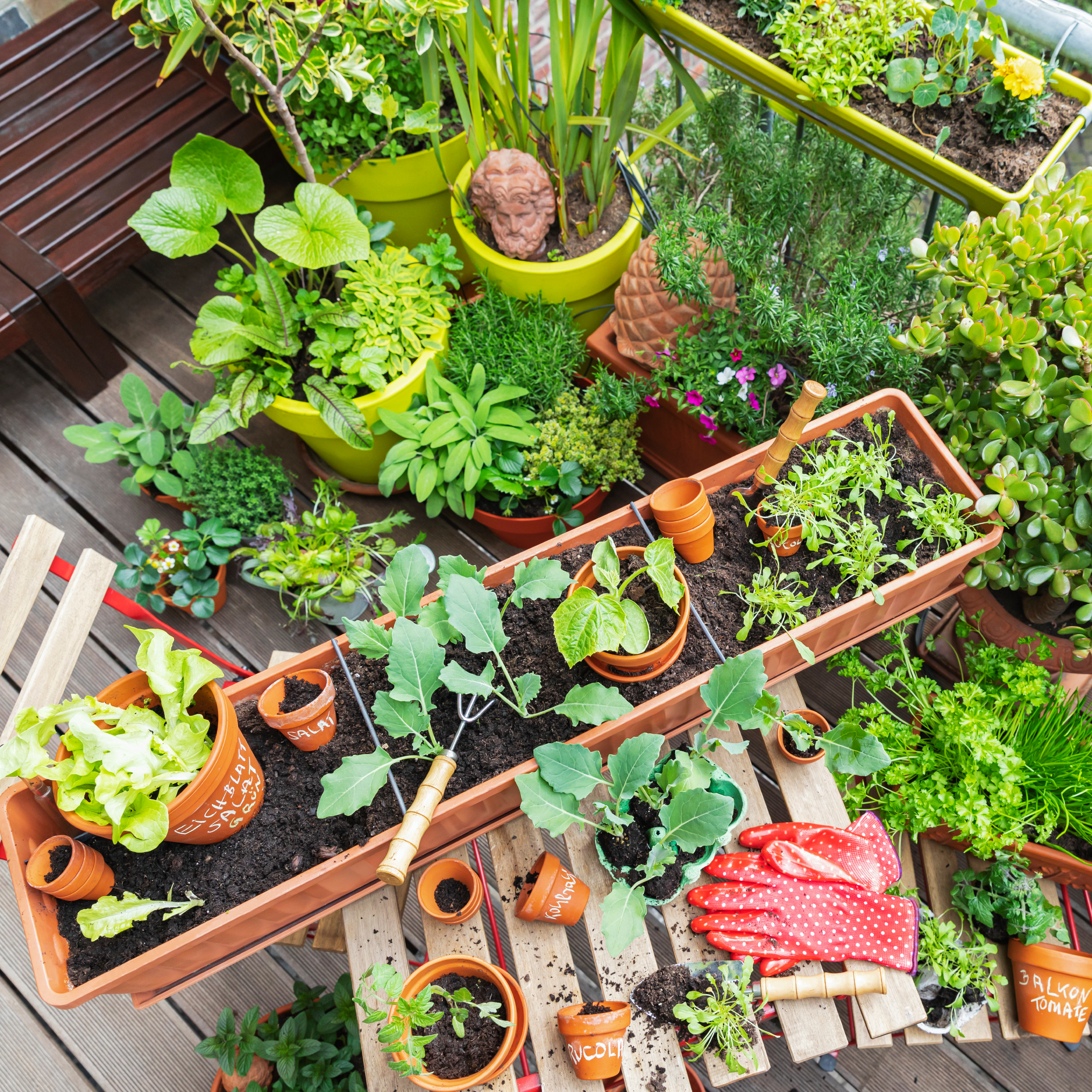
Credit: www.gardeningknowhow.com
Choosing The Right Garden Spot
Choosing the right garden spot for dill is essential for healthy growth. Dill thrives in sunny locations with well-drained soil. It requires careful consideration to ensure the plant receives optimal conditions.
Evaluating Garden Spaces
Start by assessing different areas in your garden. Look for spots with ample sunlight. Dill needs six to eight hours of sunlight daily. Check the soil drainage in each area. Well-drained soil prevents root rot.
Avoiding Shade
Avoid planting dill near tall plants or structures. Shade can stunt its growth. Ensure the spot is open and receives direct sunlight. If your garden has trees, choose an area away from their shadows.
Proximity To Water Sources
Consider the location of water sources in your garden. Dill requires regular watering, especially in dry periods. Plant dill near a hose or water tap for convenience. This ensures dill gets the water it needs without hassle.
Companion Planting Benefits
Plant dill near cabbage or lettuce to deter pests naturally. Its tall, feathery growth provides shade and enhances the garden’s visual appeal. Dill also attracts beneficial insects like ladybugs, promoting a healthy ecosystem.
Planting dill in your garden is more than just adding a splash of flavor to your dishes; it’s about creating a harmonious environment for your plants. Companion planting is a technique that can enhance the growth and health of your garden by strategically placing compatible plants together. This practice can improve soil conditions, deter pests, and boost yields. But how do you know which plants are the best companions for dill, and which should be avoided? Let’s explore the benefits of companion planting with dill.Best Companion Plants
Dill thrives alongside certain plants that benefit from its presence. Consider adding cabbage to your garden; dill helps repel pests like cabbage worms. Tomatoes can also be great companions. Dill attracts pollinators, which can increase tomato yields. Onions are another excellent choice. They can keep aphids at bay, a common pest for dill. Are you looking for a natural way to repel destructive insects from your carrots? Dill is your answer. It confuses carrot flies, reducing their damage. Additionally, planting dill near lettuce can help improve its growth.Plants To Avoid Near Dill
Some plants don’t mix well with dill, and their proximity can hinder growth. Caraway and fennel are two such examples. They can cross-pollinate with dill, resulting in less favorable flavors. Lavender should also be avoided as it prefers dry conditions, unlike dill. If you have peppers in your garden, keep them at a distance from dill. They have different soil nutrient requirements, leading to competition. Potatoes are another plant to avoid near dill as they can attract similar pests that may overwhelm your garden. What strategies do you use to ensure your dill grows healthy and strong? Consider experimenting with companion planting to see remarkable results in your garden.
Credit: www.instagram.com
Maximizing Dill’s Growth Potential
Choose a sunny spot in your garden for planting dill. Ensure well-drained soil to promote healthy growth. Avoid overly wet areas, as dill thrives best in dry conditions.
Maximizing Dill’s growth potential starts with smart planting choices. This flavorful herb thrives with the right conditions. Understanding how to optimize space and timing is crucial.Proper Spacing
Dill needs room to grow properly. Plant dill seeds 12 inches apart. This spacing allows air circulation. It reduces the risk of disease. Crowded plants struggle for nutrients. They may not reach full height.Seasonal Considerations
Dill prefers cooler weather. Plant in early spring or late summer. Avoid extreme heat. Dill bolts quickly in hot weather. It flowers and stops producing leaves. In mild climates, sow seeds directly in the garden. In colder areas, start indoors, then transplant.Common Mistakes In Dill Placement
Selecting the wrong location for dill in your garden can hinder growth. Avoid shaded areas and overly wet soil. Ensure the plant receives full sunlight and has well-drained soil to thrive.
Planting dill in your garden might seem straightforward, but it’s easy to overlook certain aspects that can make or break your herb-growing success. Many gardeners are surprised by how much the placement of dill affects its growth. By avoiding some common mistakes, you can ensure a bountiful harvest of this fragrant herb.Overcrowding Issues
Dill needs space to breathe and grow. When dill plants are crowded, they compete for nutrients and water, leading to stunted growth. Imagine trying to fit too many books on a small shelf; eventually, things start to fall apart. Make sure to plant dill at least 12 to 15 inches apart. This spacing allows for proper air circulation and prevents diseases. Consider thinning seedlings if they start to grow too close together.Inadequate Sun Exposure
Dill thrives on sunlight, needing about six to eight hours of direct sun each day. Placing dill in a shady corner of your garden can limit its growth and flavor. Would you thrive in a dimly lit room all day? Assess your garden throughout the day to find a sunny spot for your dill. If necessary, trim back overhanging branches or relocate other plants that might cast shade. A little effort goes a long way in ensuring your dill bathes in sunlight. In conclusion, paying attention to where you plant dill can make all the difference. Avoid overcrowding and inadequate sun exposure to enjoy a flourishing herb garden. What’s your next step in perfecting your garden’s layout?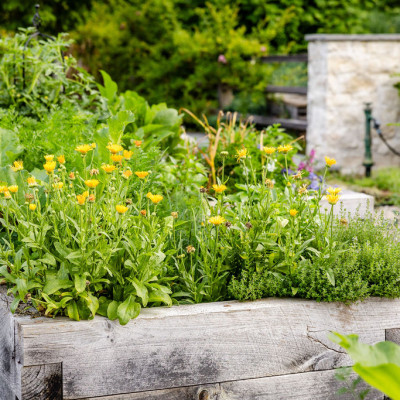
Credit: www.gardenary.com
Tips For Successful Dill Harvest
Growing dill in your garden can be a rewarding experience, offering fresh, aromatic herbs to enhance your culinary creations. To ensure a successful dill harvest, it’s essential to understand the nuances of timing and preservation. These tips will guide you in maximizing your dill yield and maintaining its vibrant flavor.
Timing The Harvest
Timing is crucial for a successful dill harvest. Dill leaves are at their peak flavor when harvested just before the plant flowers. This usually occurs about 6-8 weeks after planting.
Keep an eye on the buds. Once you see the first signs of flowering, it’s time to pick the leaves for the best taste. If you’re after dill seeds, allow the plant to flower and the seeds to mature before harvesting.
Consider the plant’s lifecycle. Harvesting regularly encourages more foliage growth, which means more dill for your recipes. It’s a win-win situation!
Preserving Dill
Preserving dill is essential to extend its use beyond the growing season. You can freeze dill leaves to retain their flavor and aroma. Simply wash, dry, and store them in airtight containers in the freezer.
Another option is drying dill. Hang small bunches upside down in a dry, well-ventilated area. Once dried, crumble the leaves and store them in sealed jars away from light.
Ask yourself, how can you preserve the essence of your garden’s bounty? Experiment with dill-infused oils or vinegar for a unique twist in your kitchen. These methods ensure you have a delicious supply of dill year-round.
Frequently Asked Questions
What Should Not Be Planted Near Dill?
Avoid planting dill near carrots, fennel, and tomatoes. Dill can stunt carrot growth and cross-pollinate with fennel. Tomatoes may experience reduced growth due to dill’s allelopathic properties. Maintain proper spacing to ensure optimal growth for all plants in your garden.
Where Is The Best Place To Plant Dill?
Plant dill in well-drained soil with full sun exposure. Choose a spot sheltered from strong winds. Dill prefers slightly acidic soil and can thrive in containers or gardens. Regular watering ensures healthy growth, but avoid overwatering. Keep dill away from plants that require frequent fertilization.
Does Dill Grow Back Every Year?
Dill is an annual herb, meaning it completes its life cycle in one year. It does not regrow automatically. To enjoy dill each year, gardeners need to reseed it annually. Dill self-seeds easily, often resulting in new plants the following year without additional planting effort.
Does Dill Like Morning Or Afternoon Sun?
Dill thrives best in morning sun. It prefers full sunlight for optimal growth, especially in cooler climates. Ensure dill receives at least 6 hours of sun daily. Afternoon sun is acceptable if morning sun is limited. Proper sunlight exposure enhances flavor and health of dill plants.
Conclusion
Plant dill in sunny spots for best growth. Choose well-drained soil. Keep dill spaced to allow good air flow. Water regularly, but avoid waterlogging. Dill prefers cooler weather, so plant early spring or late summer. Companion planting helps dill thrive.
Good neighbors include cabbage and onions. Avoid planting near carrots. Watch for pests like aphids. Harvest dill leaves once they reach desired size. Enjoy fresh dill in salads, soups, or as garnish. Gardening is rewarding, and dill is easy to grow.
Experiment with different locations. Experience the joy of gardening success.