Imagine stepping out into your garden, ready to plant the seeds of your dreams, only to realize that the soil you need is out of reach or just too expensive. You want lush plants, vibrant flowers, and a bountiful vegetable harvest, but without the right soil, your garden might not thrive.
What if I told you that there are places where you can get quality soil for free? Yes, free! We’ll reveal secret spots and savvy tactics to help you find the soil your garden craves without spending a dime. Get ready to dig into a treasure trove of resources that can transform your gardening game.
Stay with us, and you’ll discover how to enrich your garden while keeping your wallet happy.
Credit: www.homedepot.com
Community Gardens
Community gardens are fantastic places to not only nurture your green thumb but also to gather free soil for your own gardening projects. These communal spaces often foster a sense of togetherness, where local residents come together to share resources, knowledge, and yes, even soil. Engaging with community gardens can be a rewarding way to access free soil while contributing to a larger cause.
Local Garden Initiatives
Many community gardens are part of local initiatives that aim to promote sustainability and green living. These gardens often have partnerships with local government or environmental organizations, making soil available to community members as part of their sustainability programs.
- Check local government websites or social media pages for announcements about community garden programs.
- Visit your nearest community garden and speak with the organizers about soil availability.
- Join local gardening groups to stay informed about soil distribution events.
Have you ever wondered how much soil goes unused in these community projects? By tapping into these resources, you not only get free soil but also help reduce waste.
Volunteer Opportunities
Volunteering at community gardens is a win-win situation. Not only do you contribute to the community, but you also gain access to free soil. Many gardens offer soil to volunteers as a token of appreciation for their time and effort.
- Find volunteer opportunities through local community boards or online platforms like Meetup.
- Offer your skills in exchange for soil; whether it’s planting, weeding, or organizing garden events.
- Network with fellow volunteers who may have tips on other places to get free soil.
Imagine the satisfaction of seeing your garden flourish with soil you helped gather through community efforts. Wouldn’t it be fulfilling to know that your garden grows in tandem with the community’s growth?

Credit: www.instagram.com
Municipal Compost Facilities
Local municipal compost facilities offer a great opportunity to obtain free soil for gardening. These facilities transform organic waste into nutrient-rich compost, perfect for enriching garden soil. Check with your community for availability and pickup details.
Municipal Compost Facilities offer a fantastic opportunity for gardeners seeking free soil. These facilities transform local organic waste into nutrient-rich compost, which many cities provide free of charge to residents. This not only helps you enrich your garden soil but also contributes to sustainable waste management practices.City Compost Programs
Many cities have established compost programs as part of their waste reduction initiatives. These programs collect organic waste like yard trimmings, food scraps, and leaves, turning them into compost over time. You can often find details on your city’s official website, including the availability of compost and any scheduled distribution days. Engaging with city compost programs can lead to exciting discoveries. On a visit to a local facility, I once met a fellow gardener who shared tips on how to effectively use municipal compost in raised beds. This unexpected encounter added value to my gardening experience, proving that these programs offer more than just free soil.Eligibility And Access
Eligibility to access free soil from municipal compost facilities typically depends on residency. Cities often require proof of address, such as a utility bill, to ensure that only residents benefit from the service. Some facilities might also have specific hours during which residents can collect compost. Check whether you need to bring your own containers or tools for loading the compost, as facilities may not provide these. Also, consider if there are any limits on the amount of compost you can take per visit. By being prepared, you can make the most of this valuable resource for your garden. Have you ever wondered how much of an impact accessing free compost could have on your gardening costs? By utilizing municipal compost facilities, you not only save money but also support environmental sustainability. This small step can lead to significant benefits for both your garden and the community.Construction Sites
Construction sites can be a great source for free soil. They often have excess dirt from excavation work. It’s worth asking site managers if you can take some for your garden.
Ever walked past a construction site and noticed mounds of dirt being shifted around? These sites can be unexpected treasure troves for gardeners seeking free soil. Often, construction projects require excavation, leaving behind piles of earth that need disposing. This surplus soil can be perfect for your garden, but how do you go about getting your hands on it?Contacting Contractors
Reaching out to contractors can be your first step. They are usually keen to offload extra soil to reduce disposal costs. A quick phone call or email introducing yourself and your gardening passion can go a long way. Ask if they have excess soil that they need removed. You might be surprised how many are willing to help, especially if you offer to pick it up yourself. It’s a win-win situation — they save on disposal, and you get free soil for your garden.Safety And Permissions
Safety should be your priority when collecting soil from construction sites. Always ensure that the soil is free from contaminants. It’s crucial to ask contractors about the soil’s origin and whether it’s suitable for gardening. Moreover, make sure you have permission to take the soil. Trespassing on a construction site without permission can lead to legal issues. Always seek explicit consent from the site manager or contractor before entering the premises. Would you be willing to invest a little time to gain free soil? The rewards could be plentiful, but ensure you’re following the right steps to make the most of this opportunity.
Credit: www.youtube.com
Online Platforms
Discover community forums offering free soil from local gardeners. Explore online classifieds for giveaways. Connect with local gardening groups on social media for soil sharing opportunities.
Gardening enthusiasts often face the challenge of sourcing good-quality soil without breaking the bank. Fortunately, online platforms can be a treasure trove for finding free soil. With a bit of patience and a keen eye, you can locate rich soil for your garden without spending a dime.Freecycle And Craigslist
Freecycle and Craigslist are excellent resources for finding free soil. On Freecycle, the community spirit is strong, with users frequently giving away items they no longer need—including soil. Simply search for your local Freecycle group, sign up, and keep an eye on the listings. Craigslist, on the other hand, is a more straightforward platform. Navigate to the “free” section under the “for sale” category, and use keywords like “free soil” or “garden soil” to find listings. It’s always a good idea to respond quickly to postings and be ready to pick up the soil when it’s available.Social Media Groups
Social media platforms like Facebook can also connect you with people who have extra soil to give away. Many local gardening groups or buy-and-sell groups have members eager to share resources. Join these groups and actively participate by posting your soil needs. Often, members who have completed landscaping projects are looking to dispose of excess soil and will appreciate your willingness to take it off their hands. It might be surprising how many people are willing to help you out. Have you ever thought about using social media for such practical purposes? Engaging with these communities not only helps you find soil but also builds connections with fellow gardeners.Landscaping Companies
Local landscaping companies sometimes offer free soil for gardens. They often have excess soil after completing projects. Contacting them could be a cost-effective way to enhance your garden.
Landscaping companies can be a goldmine for free soil if you know where to look and how to ask. Many of these businesses regularly haul away excess soil from job sites, which often ends up as waste. By reaching out to them, you can potentially source quality soil for your garden without spending a dime. Plus, you’d be helping them reduce disposal costs, making it a win-win situation.Negotiating For Excess Soil
Start by contacting local landscaping companies and expressing your interest in their excess soil. Be clear about the type of soil you’re looking for and how much you need. Offer to pick it up at their convenience, which can make your request more appealing. Show genuine interest in their work and ask about upcoming projects that might involve soil removal. Sometimes, building a friendly rapport can lead to better deals or even long-term arrangements. Have you ever thought about how many opportunities might pass you by simply because you didn’t ask?Types Of Available Soil
Landscaping companies often have various types of soil, depending on their recent projects. You might find topsoil, which is great for planting, or fill dirt that’s ideal for leveling. Be sure to inquire about the soil’s origin to ensure it meets your gardening needs. Sometimes, you might come across soil mixed with organic material, perfect for enriching your garden beds. Always inspect the soil for contaminants or weeds before bringing it home. Could this be the secret ingredient your garden has been missing? By connecting with local landscapers, you open up a world of possibilities for your garden while keeping costs low.Local Farms
Local farms can be a treasure trove for gardeners seeking free soil. Many farmers are more than willing to share their resources, especially when it comes to organic waste like manure and compost. Not only does this help you, but it also aids farmers in managing their waste effectively.
Manure And Compost Offers
Many local farms generate a surplus of manure and compost, which they often offer for free or at a low cost. This is a win-win situation: you get rich, organic material for your garden, while farmers reduce their waste. Check their websites or local community boards for any postings about available manure or compost.
Don’t hesitate to visit in person. Farmers appreciate the direct approach and may even show you around, explaining how their composting process works. This personal interaction can sometimes lead to more generous offers.
Building Relationships With Farmers
Establishing a good rapport with local farmers can open up a steady supply of free soil resources. Start by attending local farmers’ markets and engaging in conversations. Show genuine interest in their work and express how beneficial their resources can be for your garden.
Consider volunteering at a farm. It’s a fantastic way to build trust and often leads to access to free materials. This relationship can turn into a long-term source of not just soil, but also valuable gardening advice.
Have you ever thought about how building these connections could enrich both your garden and your community? Investing time in relationship-building can yield fruitful rewards for both you and the farmers.
Tree Removal Services
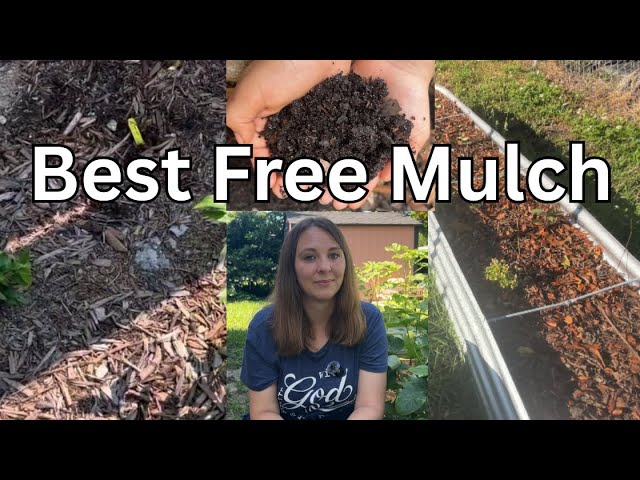
Local tree removal services often provide free soil for gardens. Recycled tree debris turns into nutrient-rich mulch or compost. This can be a great resource for improving your garden’s soil quality without spending extra.
Tree removal services can be an unexpected treasure trove for gardeners looking for free soil materials. When trees are removed, they are often chipped into wood chips or turned into mulch, which can be a valuable addition to your garden. These services are usually eager to get rid of the byproducts, and you might just get them for free if you know how to ask. Plus, using locally sourced mulch can help your garden thrive by retaining moisture and suppressing weeds.Wood Chips And Mulch
Wood chips and mulch are not just waste products; they are gardening gold. Wood chips can help prevent soil erosion and maintain soil temperature. Mulch, on the other hand, decomposes over time, enriching the soil with nutrients. Consider asking your local tree removal service if they have any wood chips or mulch to spare. These materials can transform the health of your soil without costing you a dime.How To Contact
Reaching out to tree removal services is easier than you might think. Start by searching online for local tree service companies. A quick phone call or email can open the door to free resources for your garden. When contacting them, be polite and straightforward. Explain that you’re interested in any leftover wood chips or mulch and ask if they could deliver some to your location. You might be surprised at how willing they are to help, especially if it saves them the disposal effort. Have you considered the benefits of building a relationship with these local services? It might lead to a long-term source of free materials for your garden.Neighborhood Exchanges
Neighborhood exchanges offer a great way to get free soil for your garden. Residents often share excess soil from their gardens, making it easy to find. Connect with local gardening groups or community boards to discover these opportunities.
Neighborhood exchanges are a fantastic way to source free soil for your garden while fostering a sense of community. By engaging with your neighbors, you might be surprised at what resources are available right on your street. These exchanges not only help you get the soil you need but also strengthen local bonds, creating a more connected and supportive neighborhood.Community Swap Events
Community swap events are a goldmine for garden enthusiasts. They provide the perfect platform for exchanging gardening resources, including soil, seeds, and plants. These events often take place in local parks or community centers, bringing together people with a shared passion for gardening. Imagine attending a local swap and walking away with not only free soil but also new friends and gardening tips. You might find someone who has extra compost or topsoil they’re willing to share. Look out for flyers or social media posts about upcoming swaps in your area.Building Local Connections
Building connections with your neighbors can lead to unexpected gardening perks. Perhaps you have a neighbor who renovates their garden and has excess soil they need to get rid of. By simply reaching out and asking, you could score some free soil while helping them clear their space. Joining local online groups or forums can also open doors to these opportunities. Platforms like Facebook or Nextdoor allow you to connect with other gardeners nearby. Don’t be shy—introduce yourself and express your gardening needs; you might be amazed at how eager people are to help out and share their resources. Have you ever thought about how your gardening journey could be a shared experience? Engaging with your community not only enriches your garden but also your life.Frequently Asked Questions
What Is The Cheapest Way To Get Garden Soil?
Collect compost from kitchen scraps and yard waste. Mix it with local dirt. Use free municipal compost.
How To Get Free Plant Soil?
Visit local gardening centers for free soil samples. Join community garden groups for soil giveaways. Check online marketplaces for free soil offers. Use compost from kitchen waste to enrich your soil. Connect with neighbors for surplus soil exchanges.
Where Can I Get Free Stuff For My Garden?
You can find free gardening supplies on local community groups like Freecycle or Facebook Marketplace. Check local gardening clubs for giveaways. Visit plant swaps or community gardens. Ask neighbors for extra seeds or cuttings. Local recycling centers sometimes offer free compost.
Does Tractor Supply Carry Garden Soil?
Yes, Tractor Supply carries garden soil. They offer various types suitable for different gardening needs. You can find products in-store or online. Their selection includes organic options and specialized soils for specific plants. Check their website or visit a store for availability and pricing.
Conclusion
Finding free soil can boost your gardening plans. Community gardens often have surplus soil. Local farms might share extra compost. Neighbors sometimes offer soil from yard projects. Online platforms like Freecycle list free garden supplies. Remember, healthy soil supports plant growth.
Check the soil quality before using it. Ensure it’s free from chemicals. Free soil helps save money. It also promotes recycling. Enjoy gardening with your new soil. Happy planting!