Are you curious about the mysteries of the ancient world? The Garden of Eden, a paradise lost to time, stirs imaginations and ignites debates.
But what if its location is not as mythical as it seems? Picture this: a lush, untouched oasis hidden somewhere within the vast, diverse landscapes of Africa. Intriguing, right? You’re not alone in wondering where this fabled paradise might be.
You’ll uncover clues and theories that suggest Africa could be the key to unraveling this age-old mystery. Ready to delve into a tale that blends history, legend, and a touch of the unexpected? Keep reading, and let’s explore the possibilities together.
Historical References
The Garden of Eden, a paradisiacal sanctuary from the biblical narrative, has intrigued historians and adventurers for centuries. Africa, with its rich tapestry of history and geography, often becomes a focal point in discussions about Eden’s possible location. Historical references provide fascinating insights that weave together tales of ancient civilizations and geographical clues.
Historical Maps And Texts
Throughout history, explorers and scholars have attempted to pinpoint Eden’s location using ancient maps and texts. These documents often depict Africa’s vast and varied landscapes as potential sites. Some maps highlight regions near the Nile River, suggesting it could be one of the four rivers mentioned in the Genesis account.
Archaeology plays a crucial role in understanding the historical context of Eden’s location. Excavations in African regions have unearthed artifacts that hint at advanced ancient societies. These discoveries lead to intriguing speculation about whether these civilizations could have been linked to the legendary garden.
Ancient African Civilizations
Africa is home to numerous ancient civilizations that boast rich histories and cultures. The kingdoms of Nubia and Kush, for example, had flourishing societies along the Nile. Could their prosperity and knowledge be remnants of a paradise lost to time?
Geographical Correlations
Geographical features mentioned in biblical texts often correlate with African landscapes. The presence of lush environments and fertile lands in parts of Africa aligns with descriptions of Eden. This raises the question: Is it possible that the biblical paradise was nestled amidst Africa’s diverse terrain?
As you ponder these historical references, consider the blend of myth and reality. Could the Garden of Eden be more than just a story, hidden in the annals of African history? Your curiosity might lead you to explore further, seeking answers in the rich history that Africa offers.

Credit: www.youtube.com
Biblical Descriptions
Explorations suggest the Garden of Eden might be in Africa, possibly near the Tigris and Euphrates rivers. Ancient texts hint at regions like Ethiopia as potential locations. This captivating mystery continues to intrigue scholars and enthusiasts alike.
The quest for the Garden of Eden’s location captivates many minds. Biblical descriptions offer intriguing clues, with vivid imagery and geographical hints. These ancient texts provide a fascinating insight into this mythical paradise. Let’s delve into these descriptions to uncover more about its possible location in Africa.Geographical Clues
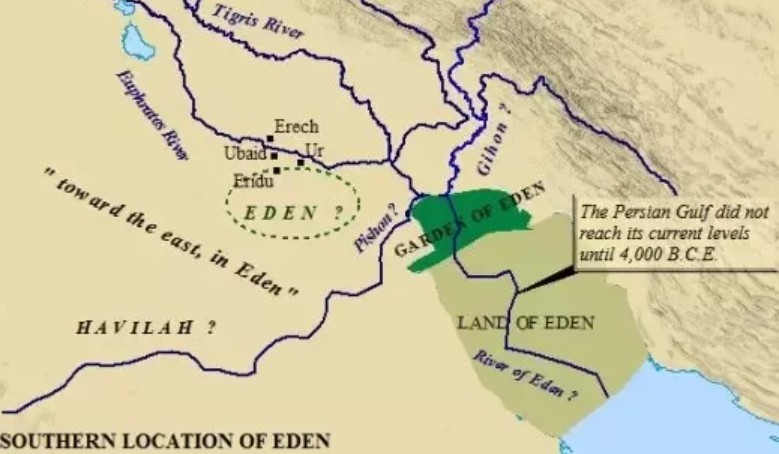
The Bible describes Eden as having four rivers. These rivers are Pishon, Gihon, Tigris, and Euphrates. Some believe these rivers point to Africa. The Gihon is often linked to the Nile River. This association suggests a possible African setting. The Pishon is less clear but might relate to ancient watercourses in North Africa.Botanical References
Eden is described as lush and fertile. The Bible mentions abundant trees and fruits. Africa has regions with diverse flora. This richness supports theories of Eden’s African location. The continent’s plant variety matches biblical descriptions of paradise.Historical Context
The Garden of Eden is set in ancient times. Africa’s history spans many millennia. Early civilizations thrived here. These historical roots align with Eden’s timeline. Understanding Africa’s past helps explore Eden’s possible presence. The continent’s ancient cultures might have influenced biblical narratives.Cultural Interpretations
Different cultures interpret Eden’s location uniquely. Some African traditions describe an earthly paradise. These stories bear resemblance to biblical accounts. Cultural interpretations enrich the debate on Eden’s location. They provide valuable insights into its possible African setting. Exploring these biblical descriptions deepens our understanding of Eden’s mystique. Each clue offers a piece of the puzzle, contributing to this enduring mystery.Theories And Speculations
Speculations arise about the Garden of Eden’s possible location in Africa, with theories pointing to regions like Ethiopia. Some believe ancient texts hint at its existence near the Nile River, suggesting a rich cultural heritage.
Theories and speculations surrounding the location of the Garden of Eden have fascinated scholars, theologians, and adventurers for centuries. Africa, with its rich historical tapestry and diverse landscapes, offers an intriguing backdrop for these discussions. Could this mythical paradise once have existed on African soil? Let’s explore some captivating possibilities that have been suggested over time.Ethiopia’s Ancient Ties
Ethiopia is often considered a cradle of human civilization. Its deep-rooted history and ancient cultures might provide clues to Eden’s whereabouts. Some believe that the lush landscapes and fertile valleys of Ethiopia could have inspired biblical descriptions. Ethiopia’s rich biodiversity and unique geography make it a compelling candidate. Imagine wandering through its verdant highlands, a place that seems to echo the tranquility described in ancient texts. Does the spirit of Eden still linger in Ethiopia’s breathtaking terrain?The Nile’s Influence
The Nile River, Africa’s lifeblood, has shaped civilizations for millennia. Its significance in ancient history raises questions about its role in Eden’s narrative. The river’s nurturing waters and fertile banks might have been the source of the biblical garden’s legendary abundance. Consider the journey down the Nile, witnessing the lush greenery that flanks its path. Could such a vibrant ecosystem have inspired the tales of Eden’s paradise? The Nile invites us to ponder the possibility of Eden’s existence along its majestic course.Zimbabwe’s Mysterious Ruins
Zimbabwe, home to the enigmatic Great Zimbabwe ruins, adds another layer to the Eden mystery. These ancient structures, shrouded in mystery, have sparked theories about a lost civilization possibly connected to Eden. The grandeur and sophistication of these ruins hint at a once-flourishing society. As you explore the ruins, you might wonder about the stories they hold. Could the echoes of Eden’s paradise have once resonated through this land? The enigmatic beauty of Zimbabwe’s ruins invites endless speculation and curiosity.
Credit: www.youtube.com
Geological Evidence
The quest to pinpoint the Garden of Eden’s location in Africa is a captivating journey through time and earth’s formations. Geological evidence offers substantial clues, suggesting that this mythical paradise might have once existed in the continent’s ancient landscapes. By examining river systems and climate patterns over time, we can gather insights into this intriguing possibility.
River Systems And Landscapes
Imagine standing on the banks of a river, where the flow of water has shaped the land for millions of years. Africa boasts some of the world’s oldest river systems, like the Nile and the Congo. Their ancient paths may hold secrets about the geographical layout during the time the Garden of Eden might have existed.
Consider the intricate network of rivers that once crisscrossed the continent. These waterways could have provided the lush environment necessary for a garden teeming with life. The fertile lands along these rivers may have been a cradle of early civilization, adding weight to the Eden hypothesis.
Climate Patterns Over Time
Climate is another vital piece of the puzzle. Over the millennia, Africa’s climate has undergone significant shifts. Could these changes have transformed an Eden-like paradise into the diverse ecosystems we see today?
Think about how ancient climate patterns might have influenced the vegetation and wildlife. A once temperate climate could have supported a vibrant garden, rich in biodiversity. This transformation over time begs the question: Could we still find traces of the Garden’s existence in Africa’s soil today?
By understanding these geological aspects, you might unlock new perspectives on the Garden of Eden’s possible location in Africa. What other hidden stories does the land hold?
Cultural Significance
The Garden of Eden holds immense cultural significance across Africa. This legendary paradise is deeply woven into the continent’s rich tapestry of myths and traditions. Its influence transcends mere geographical curiosity, touching the spiritual and cultural lives of many African communities. The tales surrounding its existence are diverse, offering insights into the beliefs and values cherished by different societies.
Local Legends And Folklore
Local legends abound regarding the Garden of Eden’s location. Many African tribes have their own stories, each with unique elements. These tales reflect the diverse cultures and landscapes of Africa. Some stories describe the garden as a lush, green haven, brimming with life. Others depict it as a mystical realm, guarded by ancient spirits. Through oral traditions, these legends have been passed down through generations, keeping the mystery alive. The narratives vary from region to region, highlighting the cultural richness of Africa.
Impact On African Identity
The Garden of Eden’s legend has a profound impact on African identity. It symbolizes a connection to a divine past and a sense of belonging. Many African communities view the garden as a sacred place, integral to their cultural heritage. This belief fosters unity and pride among people, reinforcing ties to their ancestral roots. The garden’s symbolism extends beyond religious narratives, influencing art, music, and literature. Its presence in cultural expressions underscores its significance in shaping African identity.

Credit: www.youtube.com
Archaeological Discoveries
Exploring Africa for the Garden of Eden reveals intriguing archaeological mysteries. Some researchers suggest it might be near Ethiopia’s Rift Valley. This area is rich in ancient artifacts, supporting theories of Eden’s African roots.
Archaeological Discoveries The quest to uncover the mysteries of the Garden of Eden has led many archaeologists to the heart of Africa. This continent, rich in history and culture, offers tantalizing clues through its ancient artifacts and excavation sites. As you explore these discoveries, consider how they reshape our understanding of humanity’s origins and the legends that have captivated us for centuries.Key Excavations
In Africa, several key excavation sites have emerged as potential links to the fabled Garden of Eden. One notable site is the Olduvai Gorge in Tanzania, where researchers have unearthed fossils dating back millions of years. These findings provide a window into the lives of early humans, offering insights into their environment and survival strategies. Further south, in the Great Rift Valley, ongoing digs have revealed stone tools and ancient dwellings. These discoveries suggest advanced social structures and hint at a civilization that may have thrived in a lush, garden-like landscape. As you delve into these excavations, consider what they reveal about the resilience and adaptability of early human societies.Artifacts And Relics
Africa’s archaeological sites are brimming with artifacts that offer glimpses into the past. Pottery fragments and jewelry found near ancient riverbeds suggest a culture deeply connected to nature. The intricate designs on these items reflect a reverence for the natural world, aligning with stories of a paradise-like garden. Stone tools, some of the oldest in existence, have been uncovered in various African locations. These relics tell a story of innovation and resourcefulness, painting a picture of a community thriving amidst abundant resources. As you examine these artifacts, ponder their significance in the context of Eden’s legendary bounty. What do these discoveries mean for our understanding of the Garden of Eden? Could Africa hold the key to unraveling one of history’s greatest mysteries?Challenges In Locating Eden
The Garden of Eden’s exact location in Africa remains a mystery, sparking debates among historians and archaeologists. Some theories suggest regions like Ethiopia or South Africa, but evidence is scarce. The quest to pinpoint this biblical paradise continues to intrigue explorers and scholars alike.
Unearthing the secrets of the Garden of Eden’s location in Africa presents a labyrinth of challenges. The quest is akin to piecing together a puzzle with missing pieces. While the allure of uncovering such a profound mystery is undeniable, a multitude of obstacles stand in the way.Lack Of Concrete Evidence
The quest for Eden is hindered by a lack of tangible evidence. Ancient texts and religious scriptures offer poetic descriptions, but they fall short of providing precise geographical markers. Imagine trying to find a treasure with a map that only says “somewhere over there.” Archaeologists and historians often grapple with interpreting ancient texts. Without physical artifacts or reliable archaeological evidence, any claim about Eden’s exact location remains speculative. This uncertainty can be frustrating, leaving you to wonder if the truth will ever be found.Myth Vs. Reality
Distinguishing myth from reality is another significant hurdle. The Garden of Eden is shrouded in religious narratives, making it difficult to separate fact from fiction. Legends often carry a grain of truth, but how do you sift through the layers of allegory to find it? This dilemma is not just academic; it challenges our understanding of history and faith. Have you ever considered how myths shape our perception of the past? As you ponder this, the line between what is real and what is myth becomes increasingly blurred. The search for Eden in Africa is a captivating journey filled with complexities. It invites you to question, explore, and ultimately, to wonder about the mysteries of our world.Modern Interpretations
Explorations of the Garden of Eden’s location often point to Africa, sparking curiosity and debate. Some theories suggest Ethiopia or Tanzania as possible sites, inviting further investigation and intrigue.
In the quest to pinpoint the Garden of Eden’s location, theories abound. Many scholars and enthusiasts turn to modern interpretations. These interpretations blend science, religion, and historical evidence. Africa frequently emerges as a focal point in these discussions. The continent’s rich history and diverse landscapes offer tantalizing clues. Let’s delve into the various perspectives shaping this ongoing debate.Scientific Perspectives
Scientists explore Africa’s ancient landscapes for answers. They focus on the region’s biodiversity and geological history. Some researchers consider the Great Rift Valley a possible location. This area is rich in archaeological finds. Fossils and artifacts suggest early human activities. These elements support theories of human origins linked to Eden. Another scientific angle involves genetic studies. Researchers analyze DNA to trace human ancestry. Findings often point to Africa as the cradle of civilization. This evidence strengthens arguments for Africa’s connection to Eden. The continent’s varied ecosystems also play a role. They mirror descriptions of Eden’s lush and fertile nature.Religious Views
Religious scholars offer diverse insights into Eden’s location. Some interpretations align with traditional religious texts. The Bible describes a garden filled with life and beauty. Many believe its rivers and resources match African landscapes. Christian and Jewish perspectives often focus on specific regions. Ethiopia, for example, holds significant religious importance. Some traditions link it to early biblical events. These beliefs add weight to theories of Eden in Africa. Islamic scholars also contribute to the dialogue. They reference Quranic descriptions of paradise. Some interpret these as aligning with African geography. This perspective adds a unique dimension to the discussion. Each religious view adds layers to the Eden narrative. They enrich the debate and invite deeper exploration.Frequently Asked Questions
Where Is The Garden Of Eden Located Today?
The exact location of the Garden of Eden remains unknown. Many believe it was in Mesopotamia, near modern-day Iraq. Some theories also suggest locations in Turkey or Iran. The Garden of Eden is often considered a symbolic or mythical place rather than a physical location.
Where Is The Garden Of Eden Located Today In Africa?
The exact location of the Garden of Eden in Africa remains unknown. Some theories suggest Ethiopia or the area near the Tigris and Euphrates rivers. There is no archaeological evidence to confirm its existence, making it a subject of speculation and religious interpretation.
Was The Garden Of Eden In Africa Bible Verse?
The Bible does not specify that the Garden of Eden was in Africa. It describes it as being near the Tigris and Euphrates rivers, which are in modern-day Iraq. Some scholars suggest a Middle Eastern location, but its exact location remains unknown.
Where Do Scientists Believe The Garden Of Eden Is Located?
Scientists speculate the Garden of Eden might be near the Tigris and Euphrates rivers in Mesopotamia. Some suggest southern Iraq. Others propose locations in Turkey or Africa. No definitive evidence exists to confirm its exact location. The story remains a fascinating subject of theological and historical debate.
Conclusion
The search for the Garden of Eden sparks curiosity. Its location in Africa remains a mystery. Many theories suggest different places. Some say Ethiopia. Others believe South Africa. The truth might never be known. The legend continues to captivate hearts.
It inspires exploration and wonder. The Garden of Eden represents more than a place. It symbolizes harmony and beauty. A connection to nature and ancient times. Exploring these ideas enriches our understanding. It invites us to reflect on history. And dream of paradise.
The journey is as fascinating as the destination.


