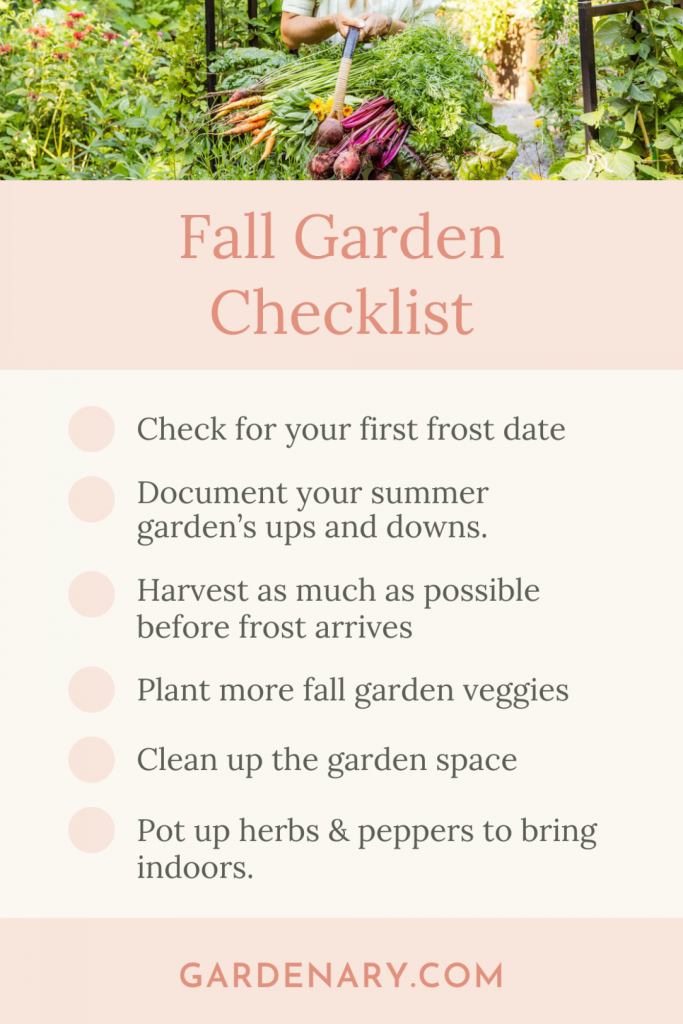
Have you ever thought about extending your garden’s bounty beyond the summer months? Planting a fall garden might be your golden ticket to enjoying fresh, crisp vegetables even as the days start to cool.
But here’s the catch: timing is everything. If you’re wondering when to plant a fall garden, you’re not alone. This decision can seem daunting, but mastering it can lead to a thriving garden full of nutritious veggies. Imagine the satisfaction of harvesting your own produce while others are just packing up their gardening tools.
Curious about how to make it happen? Keep reading to discover the perfect timing and strategies for planting your successful fall garden. Your future self—and taste buds—will thank you!
Benefits Of A Fall Garden
Choosing the right time to plant a fall garden is key for a bountiful harvest. Cooler temperatures help crops like lettuce and kale thrive. Start planting as summer ends to enjoy fresh produce well into autumn.
Planting a fall garden can be a rewarding experience. It not only extends your growing season but also brings a new set of benefits that a summer garden may not offer. Whether you’re looking to optimize your garden space or enjoy fresh produce well into the cooler months, a fall garden has something for every gardener.Less Pest Pressure
In fall, many common garden pests have completed their life cycles. This means you’ll spend less time battling unwanted insects. Your plants can thrive with minimal interference, reducing the need for pest control measures.Improved Flavor
Cooler temperatures can enhance the flavor of many vegetables. Carrots, for example, can become sweeter as the cold weather turns their starches into sugars. You might find yourself enjoying your harvest more than ever before.Extended Harvest
A fall garden allows you to enjoy home-grown produce longer. With the right planning, you can have fresh vegetables on your table until the first frost. This extension of your harvest season means more fresh meals and less reliance on store-bought produce.Better Growing Conditions
Fall often brings more predictable weather. The intense heat of summer is replaced by cooler, more stable temperatures. This can lead to healthier plants that are less stressed by the environment.Soil Health And Preparation
Planting in the fall can improve your soil for the next growing season. As you harvest, you can add compost or cover crops to enrich the soil. This proactive approach can lead to more productive gardens in the future. Have you ever considered the potential of a fall garden? Give it a try and see how these benefits can enhance your gardening experience.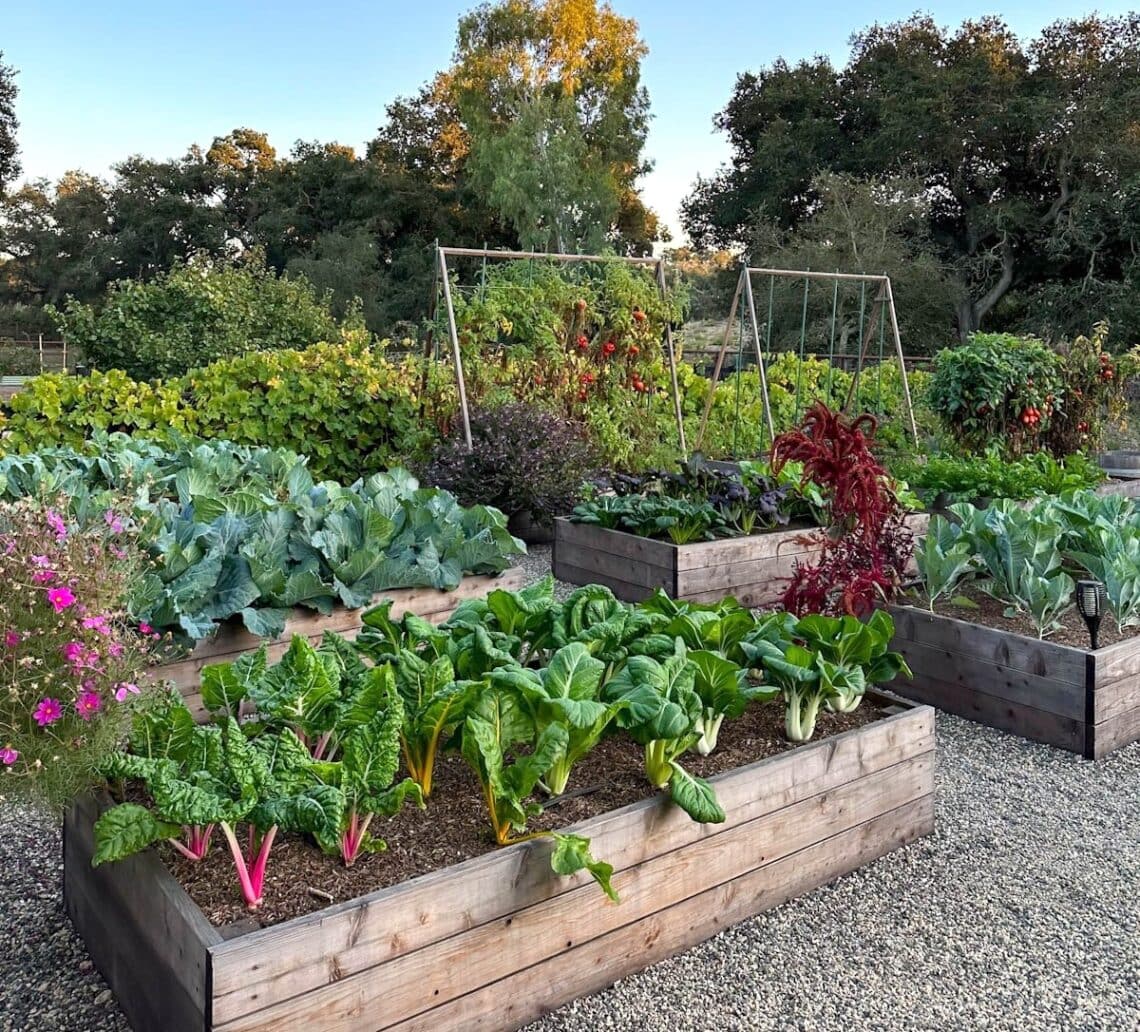
Credit: homesteadandchill.com
Ideal Fall Crops
Plant fall crops like kale, spinach, and broccoli in late summer. This timing ensures a rich harvest before winter. Short days and cool nights help these veggies thrive.
Planting a fall garden opens up a world of possibilities for growing some of the most robust and flavorful crops. While the summer season may have its vibrant tomatoes and peppers, fall brings its own set of delicacies that thrive in cooler temperatures. These crops are not only hardy but also pack a nutritious punch, making them ideal for your autumn culinary adventures.Carrots
Carrots are a quintessential fall crop. Their sweetness intensifies with the cooler weather. Plant them in well-drained soil for optimal growth. Have you ever tasted a carrot straight from the fall garden? The crunch is unbeatable.Kale
Kale loves the cold. The frost actually enhances its flavor. Plant kale in a sunny spot and watch it flourish. This leafy green is perfect for hearty soups and salads.Spinach
Spinach is another fall favorite. It grows quickly in the crisp autumn air. Choose a spot with partial shade for best results. Spinach leaves can be harvested in just a few weeks, offering a fresh addition to your meals.Broccoli
Broccoli thrives in cooler temperatures. Plant it early in fall and enjoy its harvest before winter sets in. Have you tried adding fresh broccoli to stir-fry? It adds a delightful crunch.Radishes
Radishes grow rapidly and are ready for harvest in less than a month. Their peppery flavor is perfect for autumn salads. Why not experiment with different varieties for a colorful harvest?Brussels Sprouts
Brussels sprouts develop their best flavor in the cold. Plant them early in fall and let the frosts sweeten them up. Roasted Brussels sprouts with garlic make a delicious side dish.Garlic
Garlic planted in fall yields a bountiful harvest by spring. It requires little maintenance once planted. Its robust flavor complements many dishes, making it a must-have in your garden. Finding the right balance of crops for your fall garden can be a rewarding challenge. Which of these crops will you try in your garden this year?Understanding Frost Dates
Understanding frost dates is crucial for planting a fall garden. These dates guide when to sow seeds before the first freeze. Timing ensures plants mature and thrive in cooler temperatures.
Understanding frost dates is crucial for planning a fall garden. Frost dates indicate the first and last average frost of the season. Knowing these dates helps protect plants from cold damage. Timing your plantings with frost dates ensures a successful harvest.What Are Frost Dates?
Frost dates are specific to your location. They mark the average first and last frost each year. These dates can vary due to climate and geography. Checking local frost dates is essential before planting.Why Frost Dates Matter
Frost can harm or kill tender plants. Knowing frost dates helps you avoid planting too early. Timing your plantings around frost dates ensures plant survival. It helps you plan when to start seeds indoors.Finding Local Frost Dates
Local frost dates are available online. You can check gardening websites for frost date information. Local extension services also provide frost date details. These sources offer reliable data for your area.Using Frost Dates For Planting
Frost dates guide when to start seeds indoors. They inform you when to transplant seedlings outside. Timing based on frost dates maximizes garden success. It helps you choose which crops to plant in fall.Adjusting For Microclimates
Microclimates can affect frost dates. Areas near water or hills may have different frost dates. Adjust planting schedules if you live in a microclimate. Observing local conditions helps refine frost date use.Calculating Planting Times
Planning a fall garden involves precise timing. Calculating planting times ensures your crops thrive before winter. Understanding the growth cycle of plants is essential. This helps in choosing the right planting dates.
Days To Maturity
Days to maturity tell you how long a plant needs to grow. Check seed packets for this information. It’s usually measured in days from planting to harvest. Knowing this helps you plan your garden schedule.
Consider your local climate. Some plants need cooler temperatures. Others may need warmer days to mature. Select varieties based on your region’s climate patterns.
Backtracking From Frost
Frost dates are key to planning a fall garden. Find out your area’s first expected frost date. Count backward from this date using the days to maturity. This gives you the best planting time for each crop.
Some plants are frost-tolerant. They can withstand cold temperatures. Carrots and kale are examples. These can be planted closer to the frost date. Other plants need more time to mature before the cold.
Use a calendar to track planting and harvest dates. Adjust based on weather forecasts. This helps in optimizing garden yield and quality.
Climate Considerations
Planning a fall garden requires understanding your local climate. Different regions have unique weather patterns that influence planting schedules. Knowing your area’s climate helps ensure a successful harvest.
Cool Climates
In cool climates, the growing season is shorter. Planting early helps crops mature before frost arrives. Choose hardy vegetables like kale and carrots. These can withstand cooler temperatures. Late summer or early autumn is ideal for planting. Monitor soil temperatures closely. Aim for soil that is still warm enough to support growth.
Warm Climates
Warm climates offer longer growing seasons. This allows for multiple crop rotations. Plant leafy greens and root vegetables as temperatures dip. Mid to late fall is perfect for planting. Avoid peak summer heat. Check the forecast for cooler days. Protect plants from unexpected heatwaves. Utilize shade cloths or mulch to maintain soil moisture.
Soil Preparation
Preparing soil is vital for a successful fall garden. Begin early by clearing weeds and debris to ensure nutrient-rich ground. Ensure soil is well-drained and aerated for optimal growth.
Preparing the soil is a crucial step for a successful fall garden. Good soil preparation ensures healthy plant growth and a bountiful harvest. Before planting, evaluate the soil’s current condition. Consider factors like texture, nutrients, and drainage. Let’s dive into essential steps for effective soil preparation.Test Your Soil
Start by testing the soil to know its pH level and nutrient content. Use a simple soil test kit from a garden store. This helps identify what amendments are needed. Adjusting the soil’s pH can improve plant health. Most plants thrive in slightly acidic to neutral soil.Clear The Area
Remove weeds, rocks, and old plant debris from the garden bed. Weeds compete with your plants for nutrients and water. Clearing the area helps prevent pests and diseases.Add Organic Matter
Incorporate organic matter like compost or well-rotted manure. This enriches the soil with nutrients and improves its structure. Organic matter also enhances the soil’s ability to retain moisture.Loosen The Soil
Use a garden fork or tiller to loosen the soil. Aim for a depth of 6 to 12 inches. Loosening the soil improves root penetration and air circulation. It also helps water reach the roots efficiently.Ensure Proper Drainage
Check that the soil has good drainage. Poor drainage can lead to root rot and plant diseases. If needed, add sand or perlite to improve drainage. Raised beds can also help if your garden area is prone to waterlogging.Mulch The Surface
Apply a layer of mulch to the soil surface. Mulch helps retain moisture and suppress weeds. It also regulates soil temperature, protecting roots from temperature extremes. Use materials like straw, wood chips, or shredded leaves.Choosing The Right Varieties
Choosing the right varieties for your fall garden is crucial to ensure a bountiful harvest. The changing weather and shorter daylight hours mean that some plants thrive better than others. Understanding which vegetables and greens are best suited for autumn planting can make all the difference.
Cold-hardy Vegetables
Consider vegetables that can withstand cooler temperatures. Kale, spinach, and broccoli are excellent choices, as they thrive in the crisp air of fall. They not only survive but often taste better with a touch of frost.
Quick-growing Greens
Opt for fast-growing varieties like radishes and lettuce. These can be harvested within a few weeks, allowing you to enjoy fresh produce even as the days grow shorter. Planting these early in the season gives you multiple harvests before winter.
Root Vegetables
Root vegetables such as carrots and beets are perfect for fall planting. Their flavors intensify with the cooler weather, making them ideal for hearty autumn meals. Plus, they store well, so you can enjoy them long after the harvest.
Herbs For Fall
Don’t forget herbs like cilantro and parsley. They add fresh flavors to your dishes and can be grown in pots or garden beds. Their resilience to cooler weather makes them a staple in any fall garden.
Have you ever thought about experimenting with lesser-known varieties? Trying something new might just surprise you with flavors and yields you hadn’t expected. What will you choose for your fall garden this year?

Credit: www.instagram.com
Watering And Maintenance
Regular watering is essential for a thriving fall garden. Keep soil consistently moist, but avoid waterlogging. Maintenance includes removing weeds and checking for pests to ensure healthy plant growth.
Watering and maintenance are crucial for a thriving fall garden. Proper care ensures healthy plants and a bountiful harvest. With the right strategies, your garden can flourish despite cooler temperatures.How Often To Water
Fall gardens need less water than summer ones. Cooler weather helps soil retain moisture. Water deeply once or twice a week. Check the soil’s moisture before watering.Best Time To Water
Water in the morning or evening. This prevents evaporation and helps absorption. Avoid watering at midday when the sun is strongest.Maintaining Soil Health
Healthy soil is key to plant growth. Add compost to enrich the soil. Mulch can help retain moisture and regulate temperature.Inspecting Plants Regularly
Regular checks keep plants healthy. Look for signs of disease or pests. Remove any affected leaves or plants promptly.Pruning For Growth
Pruning encourages healthy growth. Remove dead or overgrown branches. This allows light and air to reach all parts of the plant.Protecting From Frost
Frost can damage fall gardens. Use covers or blankets on cold nights. This will protect plants and extend their growing season.Monitoring Weather Changes
Weather can change quickly in fall. Keep an eye on forecasts. Adjust your watering and maintenance accordingly.Pest And Disease Management
Consider planting a fall garden to manage pests and diseases effectively. Cooler temperatures reduce pest activity, and many diseases are less prevalent. Choose resistant plant varieties for optimal growth and health.
Pest and disease management is a crucial part of planning your fall garden. As the seasons change, so do the challenges your plants face. Cooler temperatures can reduce the number of some pests, but others may thrive, and diseases can still pose a threat. Effective management strategies not only protect your plants but also ensure a bountiful harvest.Understanding Pest Cycles
Knowing when certain pests are most active can help you stay one step ahead. For example, cabbage worms are notorious in the fall. By planting brassicas earlier in the season, you can reduce their impact. Keep a garden journal to track pest patterns and adjust your planting schedule accordingly.Choosing Disease-resistant Varieties
Opt for seeds that are bred for resistance to common fall diseases. This proactive choice can save you time and trouble later. Check seed packets for information on disease resistance. Your local extension office can also provide recommendations tailored to your area.Companion Planting
Strategically planting certain crops together can naturally deter pests. Marigolds, for example, can repel nematodes and other harmful insects. Consider planting garlic and onions alongside leafy greens to ward off aphids. Companion planting is a simple, organic method to enhance your garden’s resilience.Regular Monitoring And Maintenance
Inspect your garden regularly for signs of pest damage or disease. Catching problems early allows you to address them before they escalate. Remove any affected leaves or plants to prevent the spread of disease. Consistent monitoring is key to maintaining a healthy fall garden.Natural Pest Control Methods
Instead of reaching for chemical solutions, try natural methods first. Neem oil and insecticidal soap are effective against many pests. Introduce beneficial insects like ladybugs or lacewings to control aphid populations. These eco-friendly options help maintain a balanced garden ecosystem.Soil Health And Fertility
Healthy soil is the foundation of a resilient garden. Adding organic matter can improve soil structure and fertility, reducing plant stress and vulnerability to pests. Consider using compost or well-rotted manure as a natural amendment. Testing your soil can provide insights into nutrient deficiencies that need addressing.Creating Physical Barriers
Physical barriers like row covers can protect your crops from insects. They allow light and water through but keep pests out. Be sure to secure the edges to prevent insects from sneaking underneath. This method is especially useful for young plants that are more susceptible to damage. By implementing these strategies, you can effectively manage pests and diseases in your fall garden. What other techniques have you found successful in your gardening journey?Extending The Growing Season
Planting a fall garden begins in late summer, ensuring crops mature before frost. Choose hardy vegetables like spinach and kale. These thrive in cooler temperatures, extending your harvest season.
Extending the Growing Season Planting a fall garden can be a rewarding experience, but the challenge lies in extending the growing season. As temperatures drop, you might wonder how to keep your garden thriving. The good news is, with a few smart strategies, you can enjoy fresh produce even as the days get shorter.Row Covers
Row covers are a gardener’s secret weapon against the chill. These lightweight fabrics act as a cozy blanket for your plants, trapping heat and protecting them from frost. When I first discovered row covers, I was amazed at how simple yet effective they were. They allowed me to harvest fresh spinach well into November! They’re easy to set up and can be reused for several seasons. Just drape them over your plants, securing the edges with rocks or soil. You’ll be surprised at how much longer your veggies will last.Cold Frames
Cold frames are like mini greenhouses for your garden. They capture solar energy and insulate plants, creating a microclimate that extends the growing season. Building a cold frame can be a fun weekend project. I built mine using old windows and some scrap wood. The results were incredible—I was still picking lettuce in December! Consider placing your cold frame in a sunny spot for maximum warmth. Ventilation is key, so remember to open the lid on warmer days to prevent overheating. With a little care, your fall garden will flourish through the autumn chill.
Credit: www.facebook.com
Frequently Asked Questions
What Should You Plant In Your Garden In The Fall?
Plant cool-season vegetables like kale, spinach, and broccoli. Add perennials such as pansies and mums. Consider planting spring-flowering bulbs like tulips and daffodils. Enhance your garden with evergreen shrubs for year-round interest. These choices thrive in fall and prepare your garden for the next season.
How To Transition From Summer To Fall Garden?
Start by removing summer plants and weeds. Plant fall vegetables like kale and carrots. Add mulch for insulation. Adjust watering schedule for cooler temperatures. Use row covers for frost protection.
Is September Too Late To Plant A Garden?
September can be a great time for planting a garden, depending on your climate. Cool-season crops like lettuce, spinach, and radishes thrive. Consider planting perennials and bulbs for spring blooms. Always check local frost dates to ensure successful growth. Proper planning and plant selection are essential for a fruitful fall garden.
Can I Plant Any Vegetables In August?
Yes, you can plant vegetables in August. Consider cool-season crops like spinach, lettuce, and radishes. Late-season planting is ideal for carrots and beets. Ensure adequate watering and soil preparation for successful growth. Check your local climate for best results.
Conclusion
Planting a fall garden brings many benefits. Fresh vegetables and colorful blooms. It’s important to know the best time for planting. Timing affects growth and harvest. Cool-season crops thrive in fall’s mild weather. Start seeds when summer heat fades. Consider your local climate.
Some regions have early frosts. Plan carefully for success. Use a calendar to track key dates. Gardening is rewarding with some planning. Enjoy the beauty and bounty of fall. Watch your garden grow and thrive. Remember, patience and care yield great results.
Happy gardening!


