Imagine walking into your garden, the sun warming your skin, and being greeted by the lush greenery and the delightful sight of melons ready to be harvested. Knowing the right moment to pick these juicy gems can make all the difference in their flavor and sweetness.
But how do you determine the perfect time to pluck them from the vine? Understanding this can transform your gardening experience and ensure the melons you serve are nothing short of perfection. You might be wondering if your melon is ripe enough or if you should wait a little longer.
The secret lies in recognizing certain signs that your melons are ready. This not only enhances their taste but also maximizes the satisfaction of enjoying your homegrown produce. Whether you’re a seasoned gardener or new to growing melons, this guide will help you identify the ideal harvesting time, ensuring you enjoy the freshest and most flavorful melons possible. Keep reading to discover how you can master the art of melon picking and enjoy the fruits of your labor at their peak.
Credit: www.youtube.com
Signs Of Ripeness
Knowing when to harvest melons is vital for the best taste. Recognizing ripeness ensures you enjoy the sweet and juicy flavors. Below are key signs to check for perfect ripeness.
Color Changes
Observe the melon’s skin color. Ripe melons often show vibrant and consistent colors. Watermelons may display a deep green tone. Cantaloupes typically have golden-orange hues. A consistent color indicates readiness.
Texture And Feel
Feel the surface of the melon. A ripe melon feels firm yet slightly yielding. Press gently with your thumb; the skin should give a little. Avoid melons with overly soft spots or bruises.
Sound Test
Tap the melon lightly. Listen for a deep, hollow sound. This sound suggests ripeness. A dull sound often means the melon is underripe. Practice makes perfect with this test.
Aroma Check
Smell the end of the melon where the vine was attached. A sweet, fruity aroma indicates ripeness. A lack of smell often means the melon needs more time. Aroma is a key ripeness indicator.

Credit: www.youtube.com
Timing By Melon Type
Picking melons at the right time can make a significant difference in taste and texture. Each melon type has its own ripening signals that you need to look out for to ensure you harvest them at their peak. Let’s dive into the timing for different types of melons to help you get the most flavorful yield from your garden.
Watermelons
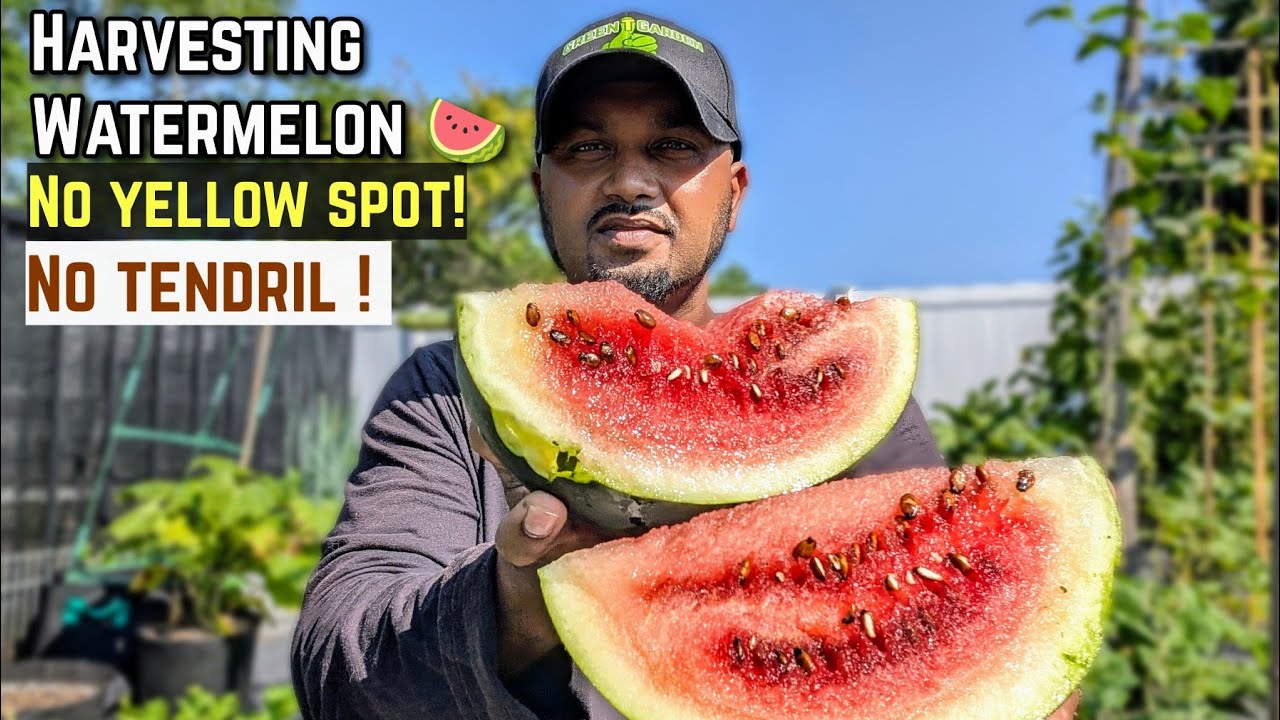
Watermelons are all about timing and observation. Look for the underside of the watermelon to turn a creamy yellow color, indicating ripeness. Another clue is the tendril nearest to the fruit stem turning brown and dry. You can also give it a light thump—if it sounds hollow, it’s likely ready to pick.
Cantaloupes
Cantaloupes announce their readiness by their aroma. A ripe cantaloupe will emit a sweet fragrance. The skin will also have a slightly golden hue and the fruit should easily detach from the vine with a gentle pull. Rely on your senses to make the best judgment.
Honeydews
Honeydews can be a bit trickier, but color and texture are your best guides. The outer skin will turn from a green to a creamy white or pale yellow. A ripe honeydew should feel slightly soft at the blossom end and have a waxy texture. Keep an eye on these changes for the best results.
Do you have a favorite method for checking melon ripeness? Share your tips with fellow gardeners in the comments below!
Environmental Factors
When picking melons from your garden, various environmental factors play a role. Understanding these factors can lead to a better harvest. Pay attention to the signs your garden gives you. These signs help determine the best time to pick.
Weather Conditions
Weather greatly influences melon ripening. Warm, sunny days speed up the process. Melons need a lot of heat to ripen well. Watch for consistent temperatures around 70-85°F. Too much rain can spoil the fruit. Check weather forecasts regularly during ripening season.
Soil Quality
Soil quality affects melon growth and ripeness. Well-drained soil helps in ripening. Sandy loam soils work best for melons. They allow roots to spread and grow. Test your garden soil for nutrients. Add compost to enhance soil quality. This ensures melons receive the necessary nutrients.
Irrigation Impact
Irrigation impacts the size and sweetness of melons. Proper watering is essential. Melons need about 1-2 inches of water per week. Too much water leads to bland fruits. Use drip irrigation to avoid overwatering. This method delivers water directly to the roots. Adjust watering based on weather conditions.

Credit: www.facebook.com
Tools For Harvesting
Melons are ready to pick when they detach easily from the vine. Look for a sweet aroma near the stem. Ensure the skin feels firm but slightly soft at the blossom end.
Picking the perfect melon from your garden requires more than just a keen eye. The right tools can make the harvesting process smoother and more efficient. Whether you’re a seasoned gardener or a beginner, knowing which tools to use can save you time and effort, ensuring you gather your melons at their peak ripeness. Let’s dive into the essential tools you need for a successful melon harvest.Cutting Tools
A sharp, reliable cutting tool is indispensable when harvesting melons. A clean cut ensures that the melon detaches smoothly from the vine, reducing the risk of damage to both the fruit and the plant. Pruning shears are a popular choice. They’re easy to handle and provide a precise cut. If you’ve ever struggled with dull blades, you know how frustrating it can be. A small, sharp knife can also work well, especially if you have a steady hand. Remember to keep your tools clean and sharp to maintain their effectiveness. Have you ever noticed how much easier a sharp tool makes your work?Storage Bins
Once you’ve cut your melons, you need a way to transport them. Storage bins or baskets are perfect for this task. Choose ones that are sturdy yet lightweight, so they don’t add unnecessary weight. Plastic bins with handles are practical and easy to clean. They also stack well, saving space when not in use. If you prefer a more natural option, wicker baskets can add a rustic touch to your harvest routine. Just make sure they’re lined to prevent any moisture from affecting the melons. How do you carry your freshly picked melons? The right storage option can make all the difference in preserving their quality until you’re ready to enjoy them.Post-harvest Handling
Determining the right time to pick melons ensures optimal sweetness and flavor. Check for a yellowish skin color and a sweet aroma at the stem. A gentle tap should produce a hollow sound, indicating readiness for harvest.
After you’ve picked your melons, understanding how to handle them post-harvest is crucial. This ensures you enjoy their sweet, juicy flavor at its peak. Proper handling can make a significant difference in taste and longevity.Cleaning And Preparation
First, give your melons a gentle wash to remove dirt and pesticides. Use cool water and a soft brush. This helps prevent any bacteria from transferring from the rind to the flesh when you cut it. Once clean, dry them thoroughly with a soft cloth. This prevents mold and decay during storage. Remember, a dry melon is a happy melon.Storage Methods
Consider where you plan to store your melons. A cool, dry place is ideal for short-term storage. The pantry or a countertop away from direct sunlight works well. For longer storage, the refrigerator is your best bet. Place the melons in the crisper drawer where the temperature is consistent. This can extend their freshness for up to two weeks. Have you ever wondered how to keep a cut melon fresh? Cover it tightly with plastic wrap or place it in an airtight container. This locks in the moisture and flavor, ensuring your next bite is just as delightful. By following these simple post-harvest handling tips, you can enjoy your garden-fresh melons at their best. So, how will you store your next harvest?Common Mistakes
Picking melons too early results in poor taste and texture. Another common mistake is ignoring color changes. Ensure the skin turns from green to a creamy or golden hue before harvesting.
Picking melons from your garden is an art. Many gardeners make common mistakes when harvesting. These errors can affect the taste and quality of your melons. Understanding these mistakes helps you enjoy the best fruits.Picking Too Early
Harvesting melons before they ripen is a frequent error. Unripe melons lack sweetness and flavor. They might look ready, but looks can deceive. It’s essential to check the melon’s firmness. The stem should detach easily when ripe. A gentle tug will tell if it’s time. Listen to the sound when you tap the melon. A hollow sound means it’s ready. Trust your senses for the best results.Ignoring Weather Signs
Weather plays a key role in melon ripening. Many gardeners ignore weather patterns. Too much rain can delay ripening. Excessive heat speeds up the process. Keep an eye on temperature changes. Hot, sunny days are ideal for melon growth. Rainy days might require extra care. Protect melons from harsh weather conditions. Adjust your harvest plans according to the forecast. This ensures your melons reach peak ripeness.Frequently Asked Questions
How Do I Know When My Melon Is Ready To Pick?
Check the melon’s color; it should be vibrant and uniform. Ensure it’s firm with a slight softness. Look for a sweet aroma at the stem end. Tap the melon; it should sound deep and hollow. Examine the tendril near the fruit; it should be brown and dry.
Can You Leave Watermelons On The Vine Too Long?
Yes, leaving watermelons on the vine too long can cause them to become overripe and mushy. Overripe melons may lose their sweetness and develop a fermented taste. Harvest watermelons when they reach their optimal size and color to ensure the best flavor and texture.
Do Melons Continue To Ripen When Picked?
Melons do not continue to ripen once picked. They should be harvested when fully ripe. After picking, they may soften slightly but won’t improve in sweetness. To enjoy their best flavor, choose melons at peak ripeness during harvest.
How Many Melons Do You Get Off One Plant?
A single melon plant typically yields 2 to 4 melons. Factors like variety, growing conditions, and care influence the exact number. Proper watering, fertilization, and pest control can enhance production. Ensure adequate space for the plant to spread and grow healthily.
Harvest when melons reach their full size and ripeness.
Conclusion
Picking melons at the right time is key. Ripe melons taste sweet and refreshing. Check the color and feel for firmness. Smell the melon’s end for a sweet aroma. Look for drying tendrils near the stem. These signs help you know when to harvest.
Picking too early or late affects flavor. Test a few melons to find the perfect timing. Enjoy your garden’s bounty with family and friends. With practice, you’ll grow delicious melons every season. Happy gardening and harvesting!