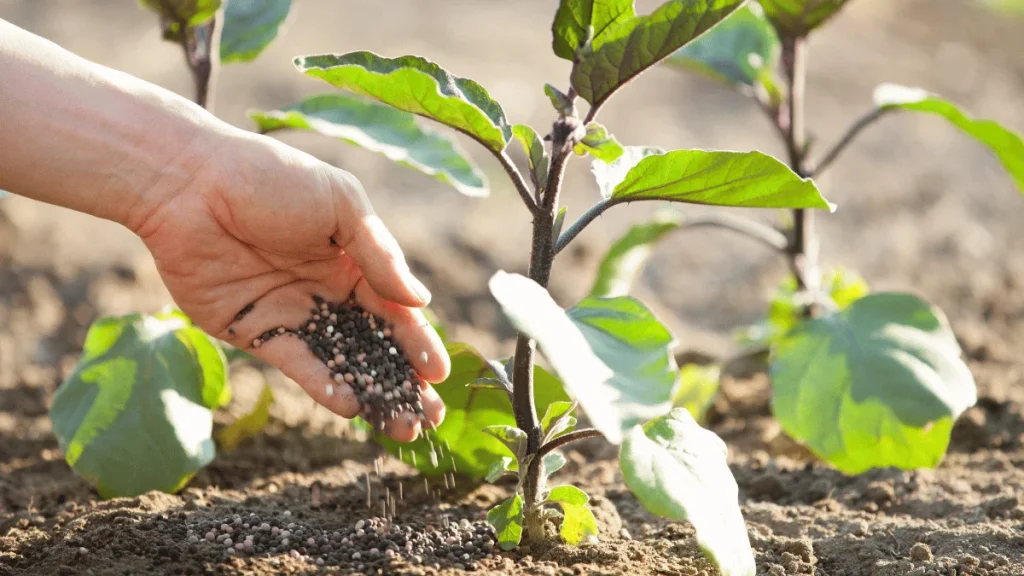
Are you puzzled about the best time to fertilize your vegetable garden? You’re not alone.
Many gardeners find themselves wondering when to give their plants the nutrients they need to thrive. Fertilizing at the right time can be the secret to a bountiful harvest, and knowing when to do it can make all the difference for your garden’s success.
Imagine picking ripe, delicious vegetables right from your backyard, all thanks to a well-timed fertilizer schedule. We’ll unlock the secrets to perfect timing, ensuring your garden flourishes with every passing season. Stay with us as we dive into the specifics, ensuring your plants grow strong and healthy, ready to grace your table with the freshest produce.
Importance Of Fertilization
Fertilization is crucial for a thriving vegetable garden. Plants require nutrients to grow and produce healthy crops. Without proper fertilization, vegetables may not reach their full potential. This can lead to smaller yields and less nutritious produce. Understanding the importance of fertilization can transform your gardening experience.
Understanding Plant Nutrient Needs
Every plant needs essential nutrients to grow well. These include nitrogen, phosphorus, and potassium. Each nutrient plays a specific role in plant development. Nitrogen supports leafy growth, phosphorus aids root development, and potassium enhances fruit quality. Balanced fertilization ensures plants receive what they need.
Improving Soil Health
Fertilization improves soil quality over time. Nutrients add to the soil’s richness, making it more fertile. Healthy soil supports strong root systems and better water retention. This creates an ideal environment for plant growth and resilience.
Boosting Vegetable Yield
Proper fertilization leads to higher vegetable yields. Nutrients help plants grow larger and produce more fruits or vegetables. This means a more abundant harvest for your garden. Fertilization can make the difference between a modest crop and a bountiful one.
Enhancing Nutritional Value
Well-fertilized vegetables are often more nutritious. They contain higher levels of vitamins and minerals. This boosts the health benefits of the produce you grow. Fertilization ensures you’re getting the best from your garden.
Key Nutrients For Vegetables
Fertilize vegetable gardens during key growth stages for optimal results. Early spring applications help establish strong roots. Mid-season feeding supports blooming and fruit development.
Understanding the key nutrients for vegetables is vital for a thriving garden. Vegetables require specific nutrients to grow strong and healthy. These nutrients support growth, enhance flavor, and boost yield. Providing these essentials at the right time can make a big difference.Understanding Nitrogen
Nitrogen is crucial for leafy vegetables. It promotes vibrant green leaves and robust growth. Without enough nitrogen, plants may appear yellow and stunted. Ensure a balanced supply for optimal leaf production.Role Of Phosphorus
Phosphorus supports root development. It is key for flowering and fruiting stages. Vegetables like tomatoes and peppers thrive with adequate phosphorus. A phosphorus-rich soil enhances blooming and fruit quality.Importance Of Potassium
Potassium strengthens plant cells. It helps vegetables resist disease and stress. This nutrient is essential for overall plant health. Adequate potassium improves vegetable flavor and shelf life.Benefits Of Calcium
Calcium is vital for cell wall strength. It prevents disorders like blossom end rot in tomatoes. Ensure soil has enough calcium for strong, healthy plants. A deficiency can lead to weak stems and poor growth.Magnesium’s Role
Magnesium aids in chlorophyll production. It is crucial for photosynthesis. A lack of magnesium leads to pale leaves. Ensure your soil is rich in this nutrient for vibrant green plants.Sulfur For Plant Growth
Sulfur is needed for protein synthesis. It enhances flavor and growth in vegetables. This nutrient is often overlooked but is vital for lush growth. Ensure your soil has a good sulfur balance.Identifying Soil Needs
Identifying soil needs is crucial for a thriving vegetable garden. Every plant draws its nutrients from the earth, and understanding what your soil lacks can make all the difference. Before you rush into fertilizing, take a moment to consider what your soil truly needs.
Conducting Soil Tests
Start with a simple soil test. These tests give you a snapshot of the nutrients available and help pinpoint deficiencies. They’re easy to conduct and can be done at home with kits available at gardening stores.
Once you have the results, you’ll know exactly what your soil is missing. This knowledge allows you to choose the right fertilizer, ensuring your plants receive the nutrients they need.
Have you ever wondered why some plants flourish while others seem to struggle? Often, the secret lies in the soil test results you might have overlooked.
Understanding Ph Levels
Another key factor is the soil’s pH level. pH affects nutrient availability and can dictate which vegetables will thrive. Most vegetables prefer a pH between 6.0 and 7.5.
Test your soil’s pH to determine if it’s too acidic or alkaline. Adjusting the pH can be as simple as adding lime to raise it or sulfur to lower it.
Are you aware of how pH levels can influence your garden’s success? A slight adjustment might be all it takes to turn your garden into a bountiful harvest.
Seasonal Fertilization Guide
Fertilizing your vegetable garden is a crucial step to ensure lush growth and a bountiful harvest. But timing is key. Understanding when to fertilize can dramatically affect the health of your plants and the quality of your produce. This Seasonal Fertilization Guide will help you navigate the best times to give your garden the nutrients it needs throughout the year.
Spring Fertilization
As the earth warms up and plants begin to awaken, spring is the ideal time to kickstart your garden’s growth. Early spring fertilization helps replenish nutrients that may have been depleted over the winter months.
Consider using a balanced fertilizer with equal parts nitrogen, phosphorus, and potassium. These nutrients will support new growth and strengthen root development.
Have you ever noticed how vibrant your garden looks in spring? The right fertilizer can make all the difference. Aim to fertilize just as you start planting your vegetables for optimal results.
Summer Fertilization
Summer brings heat and sometimes dry conditions, which can stress your plants. It’s important to provide additional nutrients to help them cope with these challenges.
Focus on fertilizers high in nitrogen during the early summer months. Nitrogen is essential for leafy vegetables like lettuce and spinach, promoting lush green foliage.
Mid-summer might be the time you notice slower growth. A quick-release fertilizer can give your plants the boost they need to thrive in the heat.
Fall Fertilization
Fall fertilization sets the stage for a successful next growing season. As your garden begins to wind down, it’s the perfect time to prepare the soil for the winter months ahead.
Use fertilizers rich in phosphorus and potassium to strengthen root systems and improve plant resilience. These nutrients help prepare plants for winter dormancy.
Reflecting on past seasons, have you ever thought about how fall preparations affect your spring yields? A little effort now can lead to a flourishing garden next year.
Fertilizer Types And Their Timing
Choosing the right fertilizer and timing is crucial for a healthy vegetable garden. Each type of fertilizer offers different benefits and impacts on your plants. Understanding these differences helps you decide the best time to apply them. This section explores the types of fertilizers and when to use them.
Organic Vs. Synthetic
Organic fertilizers come from natural sources. They include compost, manure, and bone meal. These options are great for enriching soil over time. They release nutrients slowly, improving soil structure and fertility. Use organic fertilizers at the start of the growing season.
Synthetic fertilizers are man-made. They provide nutrients quickly and can target specific plant needs. They are perfect for a rapid nutrient boost. Apply synthetic fertilizers during peak growth periods for best results.
Slow-release Options
Slow-release fertilizers are designed for gradual nutrient delivery. They ensure plants receive a steady supply of nutrients over time. This reduces the risk of over-fertilization and nutrient burn. Use slow-release fertilizers at planting time or in early growth stages.
These options are available in both organic and synthetic forms. Choose based on your garden’s specific needs and your personal gardening philosophy.
Signs Of Under-fertilization
Yellowing leaves and stunted growth can signal under-fertilization in your vegetable garden. Watch for poor fruit development and weak stems. These signs indicate it’s time to fertilize for healthier plants.
Fertilizing your vegetable garden at the right time is crucial. But how can you tell if your plants are under-fertilized? Recognizing the signs of under-fertilization helps maintain healthy growth. Let’s explore these signs.Yellowing Leaves
Yellow leaves are a common sign. Plants need nutrients for vibrant, green leaves. Lack of nutrients leads to yellowing. This can indicate nitrogen deficiency.Slow Growth
Vegetables should grow steadily. Slow or stunted growth suggests nutrient shortage. Watch for plants that stay small.Poor Fruit Production
Healthy plants produce plenty of fruit. If your plants lack fruits, they might be under-fertilized. Nutrients are vital for flowering and fruiting.Weak Stems
Strong stems support plant growth. Weak, spindly stems show under-fertilization. This might be due to lack of potassium.Leaf Drop
Leaves falling off can signal nutrient deficiency. Plants drop leaves when they lack essential nutrients. This is a protective measure.Pale Color
Plants should be rich in color. Pale leaves indicate lack of nutrients. This usually points to a need for more minerals.Over-fertilization Risks
Excessive fertilization can damage plant roots and hinder growth. This leads to poor vegetable yields and wasted resources. Monitoring soil nutrient levels helps prevent over-fertilization risks.
Over-fertilization risks can turn your thriving vegetable garden into a disaster. While you might think more nutrients mean better growth, overdoing it can harm your plants. Excessive fertilizer can lead to nutrient imbalances, hinder root development, and even attract pests. Understanding the risks can help you maintain a healthy garden that produces abundant harvests.Understanding Nutrient Imbalances
Over-fertilizing your vegetable garden can cause an imbalance in essential nutrients. When you add too much of one nutrient, it can interfere with the uptake of others. This means your plants might not absorb the nutrients they need. For example, too much nitrogen might prevent your plants from taking in phosphorus, crucial for blooming and fruiting.Hindered Root Development
Excessive fertilizer application can stunt root growth. When roots are overwhelmed by nutrients, they can’t extend properly. This means your plants won’t anchor well or access water efficiently. Weak roots can lead to poor plant stability, especially during windy conditions or heavy rains.Pests And Diseases Attraction
Over-fertilization can inadvertently invite unwanted guests to your garden. High nutrient levels can attract pests that feed on lush, over-fertilized plants. These pests can spread diseases, compromising plant health. You might find yourself battling aphids or fungal infections more often than anticipated.Environmental Impact
Not only does over-fertilization harm your plants, but it also impacts the environment. Excess nutrients can leach into groundwater or run off into nearby streams. This can lead to water pollution, affecting aquatic life. Being mindful of your fertilizer use helps protect the ecosystem surrounding your garden.Practical Ways To Avoid Over-fertilization
To keep your garden healthy, follow a few simple practices. Use soil tests to determine nutrient levels before adding fertilizers. Apply fertilizers according to your plants’ growth stages, not just when they look hungry. Consider using organic options that release nutrients slowly. Keep a gardening diary to track when and how much fertilizer you use. Are you unknowingly pushing your plants too hard? The key is balance. Listen to what your plants are telling you through their growth and appearance. Are they lush but not producing? Maybe it’s time to rethink your fertilization strategy.
Credit: gardeningsolutions.ifas.ufl.edu
Tailoring Fertilization To Plant Types
Consider plant needs before fertilizing your vegetable garden. Different vegetables require nutrients at various growth stages. Timely fertilization boosts yields and health.
Tailoring fertilization to different plant types in your vegetable garden can make a world of difference. Each plant has its own unique nutritional needs. By understanding these needs, you can ensure a bountiful and healthy harvest.Leafy Greens
Leafy greens like spinach and lettuce thrive on nitrogen. This nutrient promotes lush, green growth, which is essential for these plants. Consider using a nitrogen-rich fertilizer during their early growing stages. Have you ever noticed yellowing leaves on your greens? This might be a sign of nitrogen deficiency. Regular feeding can help maintain their vibrant color and rapid growth.Root Vegetables
Root vegetables such as carrots and radishes require a different approach. They benefit from phosphorus, which supports root development. A balanced fertilizer with slightly higher phosphorus content can be ideal. Too much nitrogen can lead to lush tops but poor root development. Have you ever pulled up a carrot only to find it disappointingly small? Adjusting your fertilization strategy could be the key to bigger, healthier roots.Fruiting Vegetables
Fruiting vegetables like tomatoes and peppers need potassium. This nutrient is vital for flower and fruit development. Applying a potassium-rich fertilizer once flowers start appearing can boost your yield. Have you ever wondered why your tomatoes aren’t producing much fruit? It could be a lack of potassium. Tailor your fertilization to provide the right balance and watch your fruiting plants flourish. Engage with your garden, observe the plants, and adjust your fertilization accordingly. Each plant type has its story to tell, and with the right nutrients, you can help them narrate a successful one.Weather Considerations
Weather plays a crucial role in determining the optimal time to fertilize your vegetable garden. Understanding how rainfall and temperature influence nutrient absorption can help you maximize the health and yield of your plants. Let’s dive into these factors to ensure you’re giving your garden the best chance to thrive.
Rainfall Impact
Rainfall can be a double-edged sword when it comes to fertilizing. While water is essential for nutrient absorption, too much rain can wash away the fertilizer, rendering it ineffective. Consider the forecast before fertilizing. If heavy rain is predicted, it might be best to wait until it passes.
On the flip side, a light rain can aid in the absorption of nutrients, as it helps dissolve the fertilizer and carry it to the plant roots. Timing your fertilizer application with mild showers can be beneficial. Have you ever wondered why your plants seem to grow faster after a gentle rain?
Temperature Effects
Temperature impacts the metabolic rate of plants. Cooler temperatures can slow down nutrient absorption, making it less effective to fertilize during a cold snap. In contrast, warmer temperatures can accelerate growth and increase nutrient uptake.
However, extreme heat can also stress plants, causing them to lose moisture quickly and potentially burn from fertilizer. Aim to fertilize during moderate temperatures to give your plants the best chance to absorb nutrients without stress. Have you noticed your garden thriving during those perfect spring days?

Credit: www.rasnetwork.org
Best Practices For Fertilizing
Fertilizing your vegetable garden is a crucial step for healthy growth. Knowing the best practices ensures your plants receive the nutrients they need. This involves understanding proper techniques and adjusting timing based on your garden’s needs.
Application Techniques
Apply fertilizers evenly to avoid nutrient overload in one area. Use a spreader or your hands, ensuring the soil absorbs it well. Water the garden after application, helping nutrients reach the roots.
Organic options like compost can be mixed into the soil. Ensure a balanced mix for optimal growth. For precision, use liquid fertilizers. They are easy to apply and quickly absorbed.
Granular fertilizers offer a slow-release option. Scatter them evenly and work into the soil surface. Read instructions carefully to avoid over-fertilizing.
Timing Adjustments
Adjust fertilization timing based on plant growth stages. Early stages need more nutrients for root development. Mid-season application supports flowering and fruiting. Late-season fertilizing helps maintain healthy plants.
Consider the weather when planning your fertilization schedule. Avoid fertilizing before heavy rain to prevent nutrient washout. Apply during cooler parts of the day to reduce evaporation.
Test soil regularly to determine nutrient needs. Adjust timing accordingly for efficient use of fertilizers. Keep a record of past applications for future reference.

Credit: www.rasnetwork.org
Frequently Asked Questions
What Vegetables Should Not Be Fertilized?
Certain vegetables like beans and peas do not require heavy fertilization. They fix nitrogen naturally. Over-fertilizing these can lead to excessive foliage and reduced yields. Always test soil first to determine specific needs. Balancing nutrients ensures optimal growth without unnecessary fertilization.
Should I Fertilize My Garden In The Fall?
Yes, fertilizing in the fall can enrich your garden soil. It prepares plants for winter and boosts spring growth. Use a slow-release fertilizer for best results. Always follow specific plant needs and local guidelines.
When Should I Apply 10-10-10 Fertilizer To My Vegetable Garden?
Apply 10-10-10 fertilizer in early spring before planting. Reapply every 4-6 weeks during the growing season. Make sure to follow package instructions for dosage. Use it when soil tests indicate nutrient deficiency. Avoid over-fertilizing to prevent plant damage.
What Is The Best Fertilizer For Vegetable Gardens?
Organic fertilizers like compost, manure, and fish emulsion enrich soil and boost vegetable growth. Balanced N-P-K fertilizers, such as 10-10-10, supply essential nutrients. Test soil to determine specific needs. Choose slow-release options to ensure steady nutrient supply. Always follow package instructions for optimal results.
Conclusion
Fertilizing your vegetable garden at the right time boosts growth. Early spring is ideal for most plants. Add nutrients when planting seeds or seedlings. Mid-season feeding keeps them healthy. Water-soluble fertilizers work fast. Check plant leaves for signs of nutrient needs.
Yellow leaves might need more nitrogen. Brown tips could mean too much. Follow instructions on fertilizer packages carefully. Over-fertilizing harms plants and soil. Balance is key for thriving vegetables. Monitor weather changes and adjust accordingly. Your garden can flourish with proper care.
Happy gardening and enjoy your fresh veggies!