When should you plant a garden? It’s a question that might have crossed your mind as you admire the beauty of nature.
Whether you’re an experienced gardener or just starting out, knowing the perfect time to plant can make all the difference. Imagine lush greens, vibrant flowers, and fresh produce right at your fingertips. Sounds tempting, right? But timing is everything. Plant too early, and your garden might suffer from unexpected frosts.
Plant too late, and you’ll miss the prime growing season. Understanding when to plant is key to ensuring your garden thrives. You don’t need to be a gardening expert to get it right; all you need are some simple tips and tricks to guide you. This article is your go-to resource. We’ll break down the best times for planting various kinds of gardens, tailored specifically for your climate and location. Stick around, and you’ll soon have a thriving garden that brings both beauty and bounty into your life.
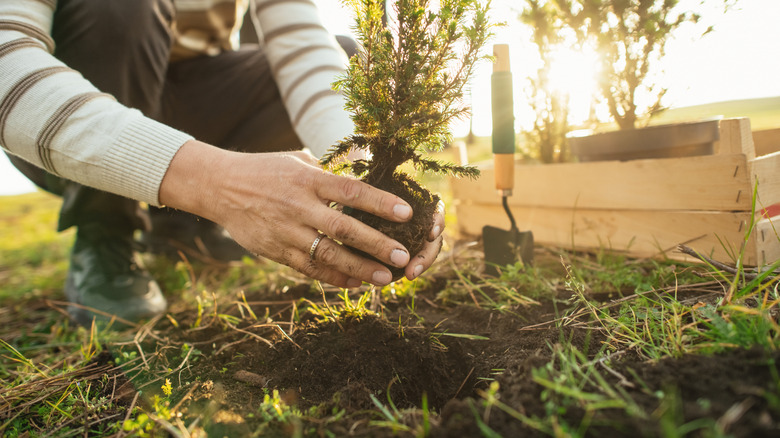
Credit: www.housedigest.com
Choosing The Right Season
Choosing the right season is vital for successful gardening. Spring often offers the perfect conditions for planting. Understanding the climate and frost dates ensures your garden thrives.
Choosing the right season for planting a garden is crucial. It determines how well your plants grow and thrive. Different plants have different needs. Some prefer the warmth of summer. Others may thrive in cooler spring temperatures. Knowing the right season helps ensure a successful garden. It also maximizes the yield and health of your plants.Understanding Local Climate
Knowing your local climate is vital for successful gardening. Different regions have different growing conditions. Some areas may have longer warm seasons. Others might experience early frosts. Check the average temperatures and rainfall. This helps in selecting the best time to plant. Use local climate data to guide your planting decisions. Consider factors like sunlight, humidity, and wind patterns. These affect plant growth and health.Seasonal Planting Benefits
Planting in the right season offers numerous benefits. Plants grow stronger and healthier. They are less prone to diseases. Seasonal planting also aligns with natural growth cycles. This results in better yields and vibrant blooms. Choosing the right season reduces the need for artificial growth aids. It ensures plants receive natural sunlight and water. Seasonal planting enhances soil health, too. It allows for natural fertilization and pest control.Knowing Your Plant Types
Knowing Your Plant Types Understanding when to plant a garden depends on the types of plants. Some thrive in spring warmth. Others prefer the cool fall. Knowing your plant types ensures a healthy garden all year round.
Knowing your plant types is crucial when deciding the best time to plant your garden. Understanding the difference between annuals and perennials, as well as warm season and cool season plants, can transform your gardening experience. With the right knowledge, you can make informed choices that lead to a thriving garden.Annuals Vs Perennials
Annuals are plants that complete their life cycle in one growing season. They grow, bloom, seed, and die all within a year. These plants are perfect for adding a burst of color to your garden. Think of marigolds and petunias. They require planting every year, offering you the chance to change your garden’s look annually. Perennials, on the other hand, return year after year. They take a few seasons to establish but offer long-term beauty once they do. Lavender and hostas are great examples. Investing in perennials means less work over time, as they often need less replanting and care.Warm Season Vs Cool Season Plants
Warm season plants thrive in higher temperatures. They’re the stars of summer gardens, needing the heat to flourish. Tomatoes and peppers are classic examples. If you love these plants, wait until after the last frost to plant them. Cool season plants, however, prefer the cooler temperatures of spring and fall. Lettuce and broccoli fit this category. They can handle frost and are often the first to be planted and harvested. As you plan your garden, ask yourself: do you want vibrant annuals or steadfast perennials? Will your garden focus on summer heat lovers or cool weather champions? These decisions will shape the timing and success of your garden.Soil Temperature Considerations
Soil temperature is vital for successful planting. Warm soil helps seeds germinate and young plants grow strong. Check the temperature before planting to ensure the best growth conditions for your garden.
Soil temperature plays a vital role in gardening success. It affects seed germination, root growth, and nutrient uptake. Warm soil boosts plant growth, while cold soil can hinder it. Understanding soil temperature helps you choose the right planting time.Testing Soil Temperature
To test soil temperature, use a soil thermometer. Insert it 2-3 inches into the ground. Check the temperature in the morning and afternoon for accuracy. Repeat this for a few days to get an average. This average will guide your planting decisions.Ideal Temperature Ranges
Different plants need different soil temperatures. Cool-season crops like lettuce thrive at 45-65°F. Warm-season crops like tomatoes need 70-85°F. Knowing these ranges helps you plan your garden effectively.Frost Dates And Their Impact
Frost dates are crucial for garden planning. They determine when plants are safe from freezing temperatures. Understanding frost dates helps prevent damage and ensures healthy growth. Knowing your area’s frost schedule can make all the difference in your garden’s success.
Identifying Last Frost Date
Determine the last frost date for your region. This date marks when temperatures typically stay above freezing. Research local weather data or consult gardening resources. This information helps you avoid planting too soon.
Planning Around Frost Dates
Use frost dates to time your planting. Start seeds indoors before the last frost date. Transplant seedlings outside once frost danger passes. Adjust planting based on your area’s specific conditions. This strategic approach protects young plants from frost damage.
Moon Phases And Planting
Timing your garden planting with moon phases can boost growth. New and waxing moons are ideal for planting above-ground crops. Waning moons favor root crops and pruning.
Moon phases have guided farmers for centuries. Planting by the moon is an age-old practice. The moon’s cycle influences water in the soil. This affects plant growth and vitality. Understanding this can enhance your gardening success.Lunar Gardening Insights
Lunar gardening relies on the moon’s phases. Each phase offers unique benefits. The new moon phase is ideal for planting leafy greens. During the first quarter, plant fruits and vegetables with seeds. The full moon phase favors root crops like carrots. As the moon wanes, focus on maintenance tasks. Pruning, weeding, and pest control are effective now.Benefits Of Planting By The Moon
Planting by the moon boosts growth and yield. The moon’s gravitational pull affects water movement. This enhances nutrient uptake by plants. Seeds germinate faster in line with lunar cycles. Plants are healthier and more resilient. Harvests can be more bountiful and nutritious. Gardening by the moon aligns with natural rhythms. It fosters a deeper connection with nature.
Credit: www.instagram.com
Using A Gardening Calendar
Using a gardening calendar can be your secret weapon for a flourishing garden. It’s like having a personalized roadmap that guides you through the seasons, ensuring each plant gets the care it needs at the right time. Whether you’re a novice or a seasoned gardener, a gardening calendar is an invaluable tool that aligns your planting schedule with nature’s rhythms.
Creating A Planting Schedule
Crafting a planting schedule is a straightforward process that involves planning ahead. Start by listing all the plants you want to grow. Next, research the optimal planting times for each species.
A simple table can help you organize this information:
| Plant | Optimal Planting Time |
|---|---|
| Tomatoes | Early Spring |
| Carrots | Late Spring |
| Spinach | Early Fall |
Once you have your schedule, mark the dates in your calendar. This proactive approach ensures you’re ready when it’s time to plant, maximizing your garden’s yield.
Adjusting For Local Conditions
Local conditions can significantly affect your planting schedule. Factors like frost dates, rainfall, and temperature variations need consideration. Are you living in a region with unpredictable weather patterns?
Adjust your schedule accordingly. A gardening calendar should be flexible and adaptable to your specific locale. If frost threatens your seedlings, delay planting by a week or two. Conversely, a mild winter might allow for an earlier start.
Rely on local gardening clubs or online forums to gain insights into your area’s unique climate. Their knowledge can help you tweak your schedule for the best results.
Common Mistakes To Avoid
Choosing the right season is crucial for garden planting. Avoid planting too early or late to ensure healthy growth. Research plant-specific needs to match them with optimal planting times.
Planting a garden can be rewarding. It provides fresh produce and beauty. Yet, many new gardeners make mistakes. Avoiding these can ensure success. Understanding timing and weather is key. This section covers common mistakes gardeners make. Learn how to avoid them for a thriving garden.Overestimating Growing Season
Many gardeners plant too early or late. They think the growing season is longer. This can stunt plant growth. Check your area’s frost dates. They guide when to start seeds and transplants. Know your local climate zone. This helps in choosing the right plants. Some plants need a longer season. Plan accordingly.Ignoring Weather Patterns
Weather can be unpredictable. Some gardeners ignore this. It’s a mistake. Check forecasts regularly. They help plan planting days. Sudden frost can kill young plants. Heavy rain can wash away seeds. Protect your garden from harsh weather. Use covers or shelters. Learn your local weather patterns. It’s crucial for garden success.
Credit: www.thespruce.com
Expert Tips For Success
Embarking on a gardening journey requires more than just seeds and soil. Success in gardening comes from understanding your environment and adapting your strategies. Here are some expert tips to help your garden thrive.
Leveraging Local Knowledge
Local gardening experts offer valuable insights. They understand the climate and soil conditions of your area. Visit local nurseries or gardening clubs. Engage with experienced gardeners. Ask questions and take notes. Their advice can save you time and effort.
Observe your neighbors’ gardens. Notice what grows well in their yards. This can give you clues about what plants might succeed in yours. Sharing experiences with fellow gardeners fosters community learning.
Continuous Learning And Adaptation
Gardening is a dynamic process. Stay informed and be willing to learn. Read books and articles on gardening. Follow gardening blogs and forums online. This keeps you updated with new techniques and trends.
Observe your garden regularly. Note changes and challenges. Adapt your methods as needed. Every season offers a chance to improve and learn. Embrace this cycle of learning for a flourishing garden.
Frequently Asked Questions
What Month Should You Start A Garden?
Start a garden in early spring, around March or April, depending on your local climate zone. Check the last frost date for your area to ensure optimal planting time. Early preparation helps seeds and plants establish well, leading to a successful garden.
What Is The 70/30 Rule In Gardening?
The 70/30 rule in gardening suggests planting 70% native plants and 30% non-native. This approach promotes biodiversity, supports local wildlife, and reduces maintenance. Native plants adapt better to local conditions, require less water, and attract beneficial insects, enhancing the garden’s health and sustainability.
Which Month Is Best For Planting Plants?
Spring is the best month for planting most plants. The soil warms up, promoting growth. Planting in spring allows plants to establish roots before summer heat. Consider local climate and plant type for best results. Always check specific plant needs for optimal planting time.
Is August Too Late To Plant A Garden?
August is not too late for planting. Focus on fast-growing vegetables like radishes and leafy greens. Choose fall crops such as broccoli and carrots. Consider your local climate and frost dates. Ensure proper soil preparation and watering for successful growth.
Enjoy a late-season harvest.
Conclusion
Planting a garden requires timing and patience. Different seasons offer unique benefits. Spring suits most vegetables and flowers. Summer works for heat-loving plants. Fall is perfect for cool-weather crops. Research your local climate. Understand your garden’s needs. Test soil for best results.
Proper timing ensures healthy growth. Start small. Gain confidence as you learn. Gardening brings joy and relaxation. Enjoy watching your plants thrive. Remember, practice makes perfect. Happy planting!