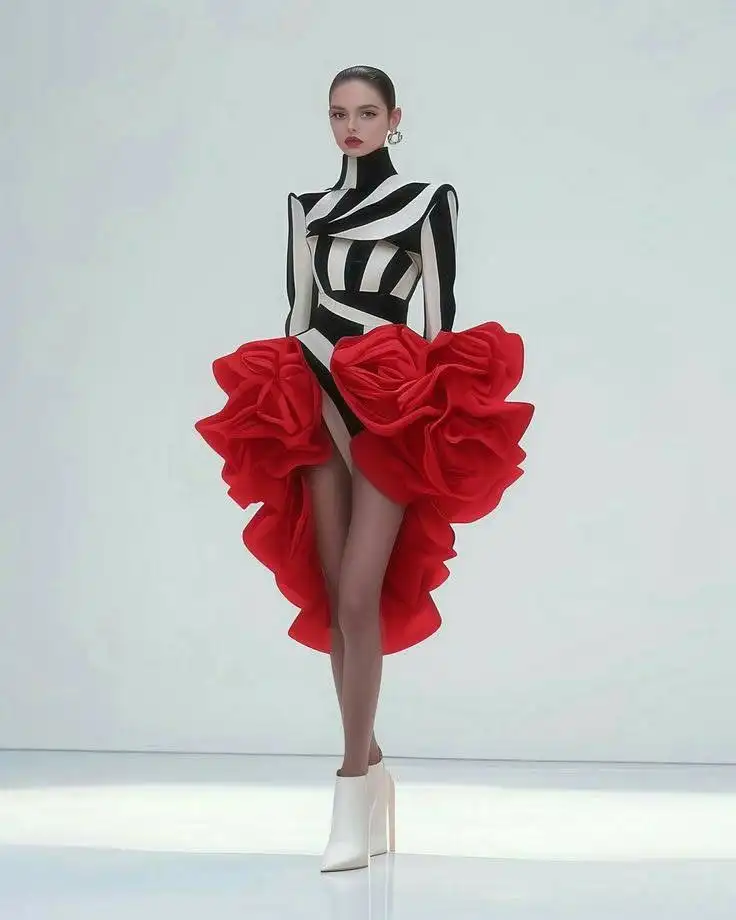
Imagine stepping into a world where creativity knows no bounds, where the rules of tradition are tossed aside, and innovation takes center stage. This is the realm of avant-garde.
As someone curious about the edges of art, fashion, and culture, you might find yourself asking, “What’s avant-garde? ” You’re about to uncover not just a definition, but a vibrant concept that challenges and excites. This article will guide you through the essence of avant-garde, its influence on various fields, and why it might just be the fresh perspective you’ve been seeking.
Ready to discover something new and unexpected? Dive in and transform your understanding of creativity and originality.
Roots Of Avant-garde
Avant-garde refers to innovative ideas in art, music, and culture. It challenges traditional norms and embraces creativity. This movement roots back to the early 20th century, inspiring new ways of thinking and expression.
The term “avant-garde” often evokes images of cutting-edge art and radical ideas. Its origins lie deep within the cultural shifts of the early 20th century. The avant-garde movement challenged traditional norms, seeking new ways to express human experiences. This era marked the birth of innovative artistic expressions. Artists and thinkers broke away from established conventions. They explored uncharted territories in art, literature, and music.Origins In Early 20th Century
The avant-garde movement emerged during a time of rapid change. Industrialization and modern warfare shaped societal views. Artists responded by pushing boundaries. They aimed to capture the essence of modern life. This led to new forms and techniques in art. The movement was not limited to visual art. It also influenced literature, music, and architecture.Influence Of Political And Social Change
Political upheaval inspired avant-garde artists. Revolutions and wars influenced their perspectives. Many artists believed in using art as a tool for social change. They rejected traditional themes. Instead, they focused on contemporary issues. This resulted in art that was bold and thought-provoking.Impact Of Technological Advancements
New technologies opened up fresh possibilities for artists. Photography and film became new mediums of expression. Artists experimented with these technologies. This resulted in innovative works that challenged norms. The use of technology in art became a hallmark of the avant-garde.Philosophical Underpinnings
Avant-garde thinkers were influenced by modern philosophy. Ideas about individualism and existentialism shaped their work. They questioned reality and perception. This led to art that explored deeper philosophical concepts. Their work often reflected the complexities of human existence.Legacy And Evolution
The avant-garde movement left a lasting impact. It influenced countless artists across generations. Its ideas continue to inspire new movements. The legacy of avant-garde art is evident in contemporary culture. It remains a testament to the power of innovation and creativity.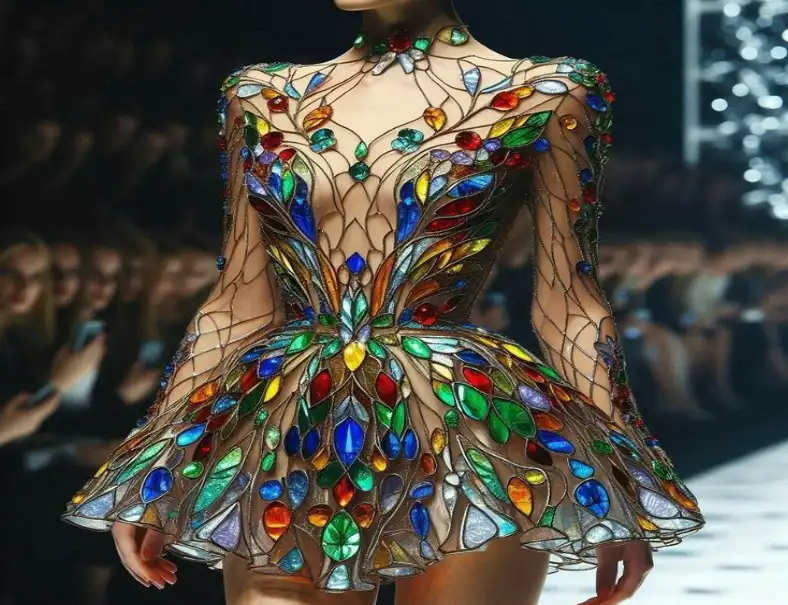
Credit: foxylabny.com
Defining Characteristics
Avant-garde art challenges norms. It breaks away from tradition, offering fresh perspectives. Artists push boundaries, creating unique expressions. Understanding its defining characteristics helps appreciate its impact and evolution.
Innovation And Experimentation
Avant-garde thrives on innovation. Artists experiment with new techniques. They use unconventional materials. This experimentation leads to groundbreaking creations. It fosters diversity in art forms.
Rejection Of Tradition
Avant-garde rejects conventional art methods. It questions established norms. Artists break away from classical styles. This rejection allows for creative freedom. It opens doors to new interpretations.
Emphasis On Concept
Concept is crucial in avant-garde art. Artists focus on ideas, not just aesthetics. The message often outweighs visual appeal. This emphasis invites deeper understanding. It encourages viewers to think critically.
Challenging Social Norms
Avant-garde questions societal standards. It addresses cultural issues. Artists highlight social change through their work. This approach sparks conversations. It inspires societal reflection and transformation.
Interdisciplinary Approach
Avant-garde art crosses boundaries. It blends different art forms. Artists integrate music, literature, and visual arts. This fusion creates dynamic works. It broadens the scope of artistic expression.
Influence On Modern Art
Avant-garde art has significantly shaped modern art’s landscape. This innovative style emerged in the 19th century, challenging traditional boundaries. It introduced bold ideas and unconventional techniques. Avant-garde artists prioritized creativity and experimentation. Their influence is visible in today’s artistic expressions.
Impact On Contemporary Artists
Contemporary artists draw inspiration from avant-garde pioneers. They adopt innovative approaches in their work. Many experiment with materials and techniques. This fosters a spirit of originality and creative exploration. Artists often blend different styles, creating unique pieces. This reflects the avant-garde tradition of breaking norms.
Role In Art Movements
Avant-garde has played a vital role in shaping art movements. It laid the groundwork for modernism and surrealism. Artists embraced freedom of expression, leading to new styles. Movements like cubism and abstract art owe their roots to avant-garde. These movements transformed how art is perceived globally. They encouraged artists to explore new perspectives.
Notable Avant-garde Artists
Notable Avant-Garde Artists Avant-garde art pushes boundaries and defies conventions. Artists like Picasso and Duchamp challenged traditional art forms, introducing bold ideas and techniques. Their works often provoke thought and inspire new artistic movements.
Notable Avant-Garde Artists Avant-garde art challenges the norm, pushes boundaries, and often leaves a lasting impact on the world of creativity. Artists who embrace this movement are known for their bold and fearless approach to expressing new ideas. Let’s dive into the world of these trailblazers who dared to think differently.Pioneers Of The Movement
Pioneers of avant-garde art laid the foundation for future innovators. Think of Pablo Picasso, who shattered traditional perspectives with Cubism, transforming how we view shapes and forms. His work wasn’t just art; it was a new language. Wassily Kandinsky introduced abstraction, moving away from reality and focusing on emotion and spirituality. Have you ever wondered how simple shapes can stir deep emotions? Kandinsky showed us how. Marcel Duchamp turned everyday objects into art with his ready-mades, questioning the very definition of art itself. What makes something art? Duchamp invited us to ponder this.Contemporary Innovators
Today’s avant-garde artists continue to challenge the status quo, bringing fresh perspectives and techniques. Yayoi Kusama’s immersive installations, often filled with polka dots and mirrors, invite viewers into a world of infinity. Her work is not just seen; it is experienced. Banksy, the elusive street artist, uses public spaces to deliver powerful messages on social and political issues. His art speaks directly to you, often sparking conversation and debate. Ai Weiwei combines art with activism, using his work to address human rights and freedom of expression. How can art drive change in society? Ai Weiwei shows us the way. These artists, both past and present, inspire us to think beyond the ordinary and embrace the unconventional. Are you ready to explore the boundaries of creativity in your own life?Avant-garde In Different Mediums
The avant-garde movement challenges traditional norms across various mediums. Artists and creators express bold, innovative ideas. Their works often push boundaries and provoke thought. Let’s explore how avant-garde influences different artistic fields.
Visual Arts
In visual arts, avant-garde artists break conventions with new techniques. They use abstract forms and vibrant colors. Their work often reflects social and political themes. Movements like Cubism and Surrealism emerged from this daring spirit. Avant-garde art encourages viewers to see the world differently.
Music And Performance
Avant-garde music explores new sounds and structures. Composers use unconventional instruments and rhythms. They aim to create unique auditory experiences. In performance, avant-garde artists experiment with space and audience interaction. Their work often blurs the line between performer and observer.
Film And Literature
Avant-garde cinema challenges storytelling norms. Directors use unusual editing and narrative techniques. Their films often focus on visual aesthetics and thematic depth. In literature, avant-garde writers play with form and language. They create non-linear narratives and explore complex ideas. Their works invite readers to engage with the text in new ways.
Challenges And Controversies
Avant-garde art often pushes boundaries and challenges norms. It aims to redefine what art can be. Yet, with innovation comes challenges and controversies. Artists experimenting with new ideas might face skepticism. Their work can provoke strong reactions and ignite debate.
Public Perception
Public perception of avant-garde art varies greatly. Some admire the bold creativity and fresh perspectives. Others feel confused or alienated by unconventional forms. This divide stems from avant-garde’s departure from traditional aesthetics. It can seem abstract or inaccessible to the uninitiated.
Criticism And Debate
Critics often question the merit of avant-garde art. They argue that it can lack substance or clarity. Some believe it prioritizes shock value over genuine expression. This criticism fuels debates about art’s purpose and value. Supporters counter that avant-garde challenges the status quo. They say it invites deeper thought and reflection.
Avant-garde’s Future
The world of avant-garde is ever-evolving, continuously challenging the boundaries of art, fashion, and thought. As we look to the future, the avant-garde movement is poised to further disrupt and redefine norms, embracing new technologies and cultural shifts. The question is, how will avant-garde continue to shape our creative landscapes?
Evolving Trends
Avant-garde is increasingly blending with digital technology, creating immersive experiences that push the limits of traditional media. Artists and designers are experimenting with virtual reality and augmented reality, crafting art that not only exists in physical spaces but also in digital realms. This fusion encourages you to experience art in ways that were previously unimaginable.
Sustainability is becoming a core focus within avant-garde circles. Designers are utilizing recycled materials and innovative manufacturing processes to create eco-friendly pieces. This shift not only addresses environmental concerns but also introduces fresh narratives in the art world.
Potential Directions
One potential direction for avant-garde is its integration with artificial intelligence. Imagine AI-driven art that evolves with audience interaction, learning and adapting to create unique experiences. This could redefine how you perceive creativity and its possibilities.
Another exciting avenue is the exploration of cultural hybridity. Artists are increasingly drawing inspiration from diverse cultures, creating a rich tapestry of global influences. This cross-cultural exchange could lead to groundbreaking works that resonate with a more interconnected world.
As you contemplate these future trends, consider how avant-garde will influence your own perception of art and creativity. Are you ready to embrace these shifts and engage with the avant-garde in new, transformative ways?
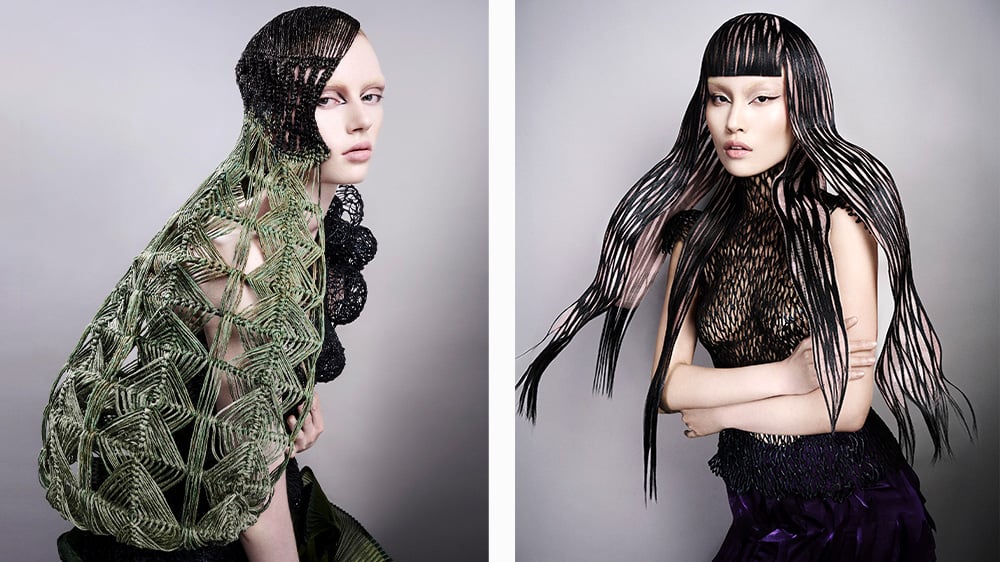
Credit: www.americansalon.com

Credit: www.yourtrueselfblog.com
Frequently Asked Questions
What Is Considered Avant-garde?
Avant-garde refers to innovative, experimental art or ideas that challenge traditional norms. It embraces creativity and originality. This term often applies to groundbreaking movements in music, literature, fashion, and visual arts. It pushes boundaries and inspires new perspectives, making it a driving force in cultural evolution.
What Is The Meaning Of Avantgarde?
Avant-garde means innovative, pioneering, or cutting-edge, especially in arts and culture. It challenges traditional norms and embraces creativity.
What Is An Avant-garde Lifestyle?
An avant-garde lifestyle embraces innovation and creativity, challenging conventional norms. It often involves experimental art, fashion, and ideas, fostering unique self-expression. This lifestyle attracts individuals who are open-minded, curious, and willing to explore new experiences. It encourages breaking boundaries and redefining traditional ways of living, celebrating originality and vision.
How Is Avant-garde Pronounced?
“Avant-garde” is pronounced as “ah-vahnt-gahrd. ” Emphasize the first syllable and pronounce the “g” as in “garden. “
Conclusion
Exploring avant-garde art opens minds to new ideas. It challenges norms and sparks creativity. This style often surprises and provokes thought. Artists break boundaries, offering fresh perspectives. Avant-garde enriches our world with unexpected beauty. It invites us to see differently.
Embrace its daring spirit. Seek inspiration in its bold expressions. Avant-garde art connects diverse cultures and people. Its innovative approach fosters global understanding. Appreciate its unique voice and vision. Let avant-garde inspire your own journey. Discover its transformative power. Keep an open heart and mind.
The world of avant-garde awaits your exploration.