
Are you dreaming of a flourishing garden, brimming with vibrant flowers and juicy vegetables? The secret to achieving this might just be in the wood you choose for your garden bed.
Yes, the type of wood can make all the difference in the health and success of your plants. You might wonder why this choice is so crucial. Well, certain woods can enhance soil quality, while others might leach harmful chemicals into it.
Choosing the right wood not only ensures a safe environment for your plants but also contributes to the longevity of your garden bed. Imagine a garden that thrives for years, providing endless joy and fresh produce. Intrigued? Let’s delve deeper to help you make the best choice for your garden’s needs.
Cedar Wood Benefits
Cedar wood is ideal for garden beds due to its natural resistance to rot and pests. This durable wood ensures longevity without chemical treatments. Its pleasant aroma adds a natural touch to any garden space.
Cedar wood is often the top choice for garden beds. It offers natural beauty and practical benefits. Many gardeners prefer cedar for its durability and resistance to decay. It enhances the aesthetic appeal of any garden space.Cedar’s Natural Resistance To Rot
Cedar wood resists rot naturally. This makes it ideal for outdoor use. Its oils act as a shield against moisture. This helps the wood last longer. Garden beds made from cedar remain strong for many years. You won’t need frequent replacements.Durability In Various Weather Conditions
Cedar withstands harsh weather. Rain, sun, and snow don’t easily damage it. This wood adapts well to changing climates. It maintains its structure and appearance. Your garden bed stays intact through seasons.Eco-friendly Choice
Cedar wood is sustainable. It grows quickly and is renewable. Using cedar supports eco-friendly practices. This choice benefits the environment. You contribute to green gardening efforts.Attractive Appearance
Cedar’s rich color enhances garden aesthetics. Its grain patterns add visual interest. As it ages, cedar develops a beautiful patina. This makes your garden bed stand out. Visitors admire its natural beauty.Natural Pest Repellent
Cedar repels pests naturally. Its oils deter insects. This reduces the need for chemical treatments. Your plants stay healthy. You enjoy a pest-free garden environment.
Credit: eartheasy.com
Redwood Advantages
Redwood provides a durable option for garden beds, resisting rot and decay effectively. Its natural resistance to insects makes it a reliable choice. Redwood’s aesthetic appeal enhances garden beauty while offering longevity in outdoor settings.
When planning your garden bed, choosing the right type of wood is crucial. Redwood, with its natural beauty and durability, is a popular choice among gardeners. Let’s explore why redwood stands out and consider its unique advantages.Natural Resistance To Rot
Redwood is naturally resistant to rot and decay, which is a significant advantage for garden beds exposed to the elements. This means your garden bed can last longer without the need for chemical treatments. Imagine the peace of mind knowing your vegetables are growing in a safe, untreated environment.Environmentally Friendly
If sustainability is important to you, redwood is an excellent choice. It is harvested in a way that supports forest regeneration and is biodegradable at the end of its life. Choosing redwood can be a step towards a more eco-conscious gardening practice.Lightweight Yet Strong
Despite its strength, redwood is surprisingly lightweight. This makes it easier to handle during construction and when moving garden beds around. You can build your garden bed without needing heavy machinery or extra hands.Appealing Aesthetic
Redwood’s rich, warm tones add a touch of elegance to any garden. Its natural beauty enhances the visual appeal of your outdoor space. Have you ever noticed how a well-designed garden can transform your mood?Low Maintenance
Once installed, redwood garden beds require minimal maintenance. They don’t need frequent sealing or painting, saving you time and effort in the long run. This means more time for you to enjoy gardening and less time worrying about upkeep. Choosing the right wood for your garden bed can significantly impact your gardening experience. With redwood, you gain durability, sustainability, and beauty, making it a worthwhile investment for any gardener.Pine And Its Uses
Pine wood is a popular choice for garden beds due to its affordability and ease of use. It offers natural resistance to decay, making it suitable for outdoor environments. Pine is lightweight and easy to handle, perfect for creating durable and attractive garden beds.
Pine wood is a popular choice for garden beds. It is affordable and easy to find. Pine is known for its light color and smooth texture. It can be used in various garden projects. Its versatility makes it ideal for both small and large gardens.Durability Of Pine
Pine is not as durable as other woods. It is softer and may wear down over time. Regular maintenance helps extend its life. Using a sealant can protect pine from moisture. This prevents rotting and decay.Cost-effectiveness
Pine is budget-friendly. It is cheaper than other hardwoods. This makes it accessible for many gardeners. You can build large beds without spending too much. Pine offers a good balance between cost and quality.Ease Of Use
Working with pine is easy. It cuts and shapes well. You don’t need special tools to handle it. This makes it perfect for DIY garden projects. Beginners find it simple to work with.Environmental Impact
Pine is a renewable resource. It grows quickly compared to other trees. Sustainable practices help maintain pine forests. Using pine supports eco-friendly gardening. It is a responsible choice for nature lovers.Appearance And Aesthetic
Pine has a natural, clean look. It brightens up garden spaces. You can paint or stain it for different effects. Pine fits well with various garden styles. Its appearance enhances outdoor beauty.Douglas Fir Characteristics
Douglas Fir is a popular choice for garden beds due to its durability and resistance to decay. Its natural oils provide protection against insects, making it ideal for outdoor use. This wood is also affordable and readily available, making it a practical option for gardeners.
When choosing the right wood for your garden bed, Douglas Fir often stands out as a popular choice. This versatile wood is not only affordable but also boasts impressive durability. Its characteristics make it an excellent option for both novice and experienced gardeners. But what exactly makes Douglas Fir a worthy contender for your garden project?Natural Durability
Douglas Fir is known for its natural resilience against decay. This makes it a great option for outdoor use, especially in garden beds where moisture can be a constant challenge. With its inherent strength, your garden bed will stand the test of time even in fluctuating weather conditions.Affordability
One of the most compelling reasons to choose Douglas Fir is its cost-effectiveness. It provides a budget-friendly alternative without compromising on quality. You can expand your gardening projects without breaking the bank, making Douglas Fir an ideal choice for larger installations.Workability
Douglas Fir is relatively easy to work with, even for those new to woodworking. Its texture allows for smooth cuts and easy assembly. This characteristic is particularly beneficial if you enjoy DIY projects, as it can be shaped and fitted with minimal hassle.Aesthetics
The wood has a warm, reddish-brown hue that can enhance the visual appeal of your garden. Its aesthetic qualities can complement the vibrant colors of plants and flowers, creating a cohesive and inviting outdoor space. Have you ever noticed how the right choice of wood can transform the look of your garden?Environmental Impact
Choosing Douglas Fir is also a nod to sustainability. Sourced from responsibly managed forests, this wood offers an eco-friendly option for environmentally conscious gardeners. By opting for Douglas Fir, you’re not just building a garden bed—you’re also supporting sustainable forestry practices. Douglas Fir’s characteristics make it a compelling choice for garden beds. Whether you are looking to save money, prioritize sustainability, or simply want a wood that looks great and performs well, Douglas Fir ticks all the boxes. Why not consider it for your next garden project?Composite Wood Options
Choosing composite wood for garden beds offers durability and resistance to weather. This wood type combines recycled materials and plastics for longer lifespan. Ideal for those seeking eco-friendly and low-maintenance options.
Composite wood is a popular choice for garden beds. It offers durability and a sleek appearance. Many gardeners prefer it for its resistance to weather and pests. Composite wood is a mix of wood fibers and plastic. This combination makes it strong and long-lasting.Durability And Longevity
Composite wood lasts longer than natural wood. It resists rot and decay, even in wet conditions. This makes it ideal for gardens that need minimal maintenance. Unlike natural wood, composite does not need sealing or staining. It retains its color and texture over time.Eco-friendly Benefits
Composite wood is often made from recycled materials. This makes it an environmentally friendly option. Using composite wood helps reduce waste. It supports sustainable gardening practices. Many people choose it to minimize their environmental impact.Cost Considerations
Composite wood can be more expensive initially. Its long-term benefits often outweigh the cost. You save money on maintenance and replacement. The upfront investment can lead to savings over time.Installation And Design Flexibility
Composite wood is easy to work with. It can be cut and shaped like natural wood. You can create various designs for your garden beds. Its uniform look adds aesthetic appeal to any garden.Pest Resistance
Composite wood resists pests like termites and ants. It provides a safe environment for plants. This resistance reduces the need for chemical treatments. Keeping your garden healthy and organic becomes easier.Reclaimed Wood Considerations
Choosing the right wood for a garden bed involves considering durability and safety. Cedar and redwood are popular for their natural resistance to decay and insects. Avoid treated wood to prevent chemical leaching into soil.
Reclaimed wood offers a sustainable choice for garden beds. It provides an eco-friendly option, reducing waste and conserving resources. Using reclaimed wood adds rustic charm to any garden setting. However, there are essential considerations before using reclaimed wood.Potential Chemicals And Treatments
Reclaimed wood may contain chemicals from past treatments. Check if the wood was used for industrial purposes. Pesticides or preservatives might linger in the wood. Such chemicals can affect plant health. Inspect the wood for any signs of contamination.Durability And Condition
Assess the wood’s durability before use. Older wood might have signs of decay or insect damage. Ensure the wood is structurally sound. Strong wood will last longer in your garden bed. Weak wood could compromise the garden’s integrity.Size And Shape
Reclaimed wood pieces come in various sizes. Consider the dimensions for your garden bed design. Irregular shapes might require extra cutting. Plan the layout to fit your space needs. A well-planned design enhances garden functionality.Environmental Impact
Using reclaimed wood supports environmental conservation. It reduces demand for new timber. This choice minimizes deforestation. Opting for reclaimed wood promotes sustainable gardening practices. It aligns with eco-friendly values.Cost Considerations
Reclaimed wood is often more affordable. It can be sourced from local suppliers or salvage yards. Cost savings make it an attractive option. Compare prices with new wood alternatives. Budget-friendly choices enhance garden projects without overspending.Pressure-treated Wood Pros And Cons
Choosing pressure-treated wood for garden beds offers durability and resistance to rot. Yet, concerns about chemical treatments and potential soil contamination arise. Weighing these pros and cons helps in making an informed decision.
Pressure-treated wood is a popular choice for garden beds, known for its durability and resistance to elements. However, like any material, it comes with its own set of advantages and disadvantages. Understanding these can help you make an informed decision for your garden project. Let’s dive into the pros and cons of using pressure-treated wood for your garden beds.Advantages Of Pressure-treated Wood
Pressure-treated wood is designed to withstand harsh weather conditions. Its ability to resist rot and insect damage makes it a long-lasting option for garden beds. You won’t have to worry about replacing it frequently. Cost-effectiveness is another major benefit. This type of wood is typically less expensive than alternatives like cedar or redwood, making it budget-friendly for larger projects. If you’re planning extensive garden beds, this could be a crucial factor.Environmental Considerations
One concern with pressure-treated wood is its environmental impact. While it lasts longer, the chemicals used in the treatment process can leach into the soil. This might affect the safety of edible plants grown in these beds. Some newer pressure-treated woods are safer, using copper-based compounds instead of arsenic. It’s essential to check labels and ask suppliers about the specifics before purchasing.Maintenance And Longevity
Maintenance is minimal compared to untreated wood, which can rot quickly. Pressure-treated wood requires less upkeep, saving you time and effort in the long run. However, be prepared to occasionally check for signs of wear. Over time, pressure-treated wood can warp or crack. Regular inspections can help catch these issues early, allowing for timely repairs and extending the life of your garden beds.Personal Experiences With Pressure-treated Wood
In my own garden, pressure-treated wood has been a solid choice for the perimeter beds. Its durability has held up well against the rainy seasons, proving reliable year after year. Despite the benefits, I remain cautious about using it for edible plants. The potential for chemical leaching always makes me reconsider its placement. Would you feel comfortable growing food in pressure-treated wood beds?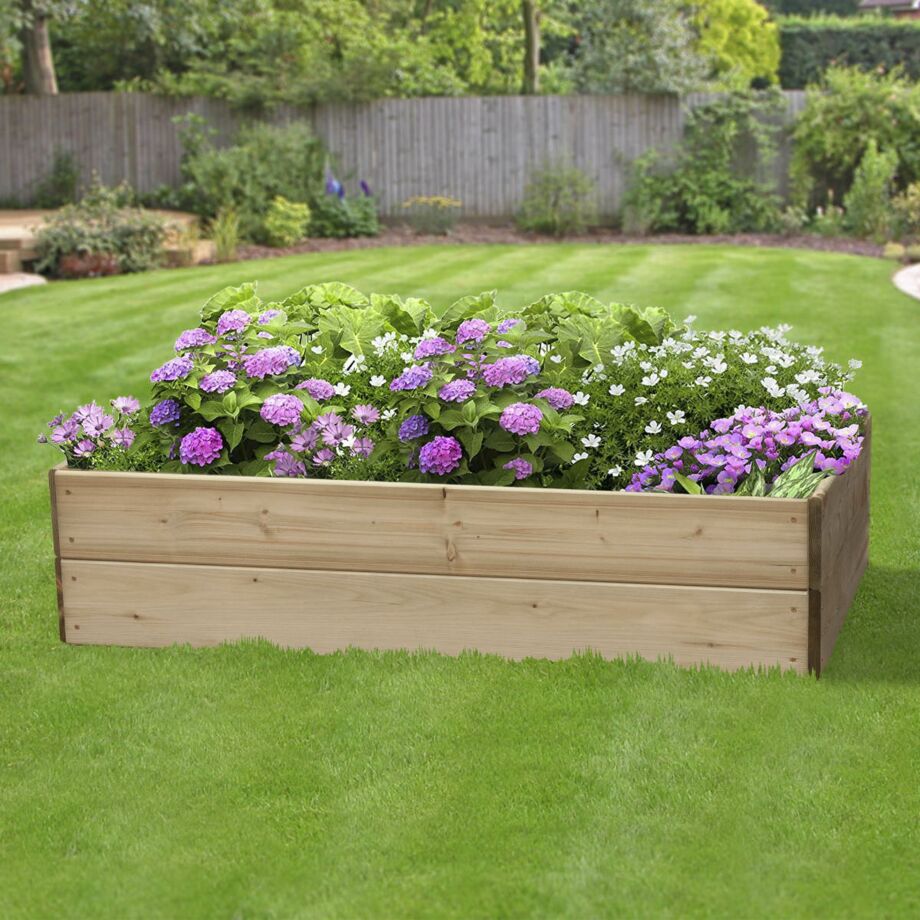
Credit: www.pavingsuperstore.co.uk
Eco-friendly Wood Alternatives
Choosing the right wood for garden beds is crucial for sustainability. Bamboo is a strong, eco-friendly alternative. Recycled plastic lumber also offers durability and environmental benefits.
Garden beds benefit from eco-friendly wood alternatives. These options preserve the environment and enhance your garden’s aesthetic. They offer sustainable choices without compromising quality or durability. Choosing the right wood involves considering its environmental impact and longevity.Reclaimed Wood
Reclaimed wood is recycled from old structures. It adds charm and character to garden beds. It’s a sustainable choice since it reduces waste. It also minimizes the need for new lumber.Bamboo
Bamboo is a fast-growing grass. It’s incredibly durable and resistant to pests. Bamboo is lightweight yet strong, making it ideal for garden beds. Its rapid growth ensures a minimal environmental footprint.Cedar
Cedar is naturally resistant to rot and insects. It requires no chemical treatments. Cedar’s longevity makes it an eco-friendly option. It offers a warm, natural appearance.Thermally Modified Wood
This wood is treated with heat, not chemicals. It gains resistance to decay and insects. The process enhances its durability. Thermally modified wood is sustainable and environmentally friendly.Cost-effectiveness Of Different Woods
Selecting the right wood for a garden bed involves balancing cost and durability. Cedar, although more expensive, offers excellent resistance to rot. Pine is a budget-friendly option but may not last as long. Both options can enhance your garden’s appearance while considering your budget.
Choosing the right wood for garden beds is crucial. Wood type affects cost, durability, and aesthetics. Understanding the cost-effectiveness of different woods helps in making an informed decision. Let’s explore some popular options.Pressure-treated Pine
Pressure-treated pine is affordable. It’s treated with chemicals to resist rot and pests. This wood lasts longer than untreated pine, making it a budget-friendly option. It requires minimal maintenance, saving money on repairs.Cedar
Cedar is naturally resistant to decay and insects. It costs more upfront but lasts years without additional treatment. Its durability reduces replacement frequency, making it cost-effective over time. Cedar’s pleasing aroma adds value to your garden space.Redwood
Redwood is prized for its natural beauty and resistance to rot. It comes with a higher price tag. Yet, its longevity and minimal maintenance needs make it a worthwhile investment. Redwood can enhance garden aesthetics while providing lasting performance.Douglas Fir
Douglas fir is a less expensive option compared to cedar and redwood. It’s moderately resistant to decay. Regular maintenance extends its lifespan. This wood balances initial cost with durability for those on a tighter budget.Reclaimed Wood
Reclaimed wood is eco-friendly and often cheaper. Using recycled materials reduces costs. It offers a rustic charm, making it popular among sustainable gardeners. Ensure it’s free from harmful chemicals for safe gardening.
Credit: www.thefoodgardener.com
Wood Durability And Longevity
Selecting wood for garden beds involves considering durability and longevity. Cedar and redwood resist decay and insects, offering lasting performance. Treated pine provides a budget-friendly option with improved resistance to weather elements.
Wood Durability and Longevity are crucial factors to consider when choosing the right material for your garden bed. You want your garden to flourish without the constant worry of replacing rotting wood. Selecting the right type of wood can save you time, money, and effort in the long run. But how do you determine which wood will stand the test of time?Understanding Wood Durability
Different wood types offer varying levels of durability. Hardwoods like cedar and redwood are naturally resistant to rot and pests, making them excellent choices for garden beds. Softwoods, while cheaper, may not last as long and could require more maintenance. Have you ever had a garden bed collapse just when your plants were thriving? Choosing durable wood can prevent such disappointments.The Role Of Wood Treatment
Treated wood can significantly extend the lifespan of your garden bed. Treatments can make woods like pine more resistant to moisture and insects. However, ensure the treatment is safe for plants and soil, especially if you’re growing edibles. Would you risk chemical exposure for longevity?Weather Resistance
Consider the climate in your area. If you live in a rainy region, choosing wood that withstands moisture is critical. Hardwoods naturally repel water better than softwoods. Think of those rainy days when your garden bed needs to hold strong amidst the downpour.Cost Vs. Longevity
While hardwoods are pricier, their long-term benefits often outweigh initial costs. Investing in durable wood means fewer replacements and less hassle. Imagine saving money by not having to rebuild your garden bed every few years.Personal Experience: A Case For Cedar
Cedar has been my go-to for garden beds due to its exceptional durability. Years ago, I opted for untreated wood to save costs. Within two seasons, rot set in and I had to start from scratch. Since switching to cedar, my garden beds have thrived, enduring various weather conditions without issue. Wouldn’t you want a hassle-free gardening experience? Choosing the right wood for your garden bed can transform your gardening journey. Remember, your choice impacts not just the longevity of your garden bed, but the vitality of your plants.Maintenance Tips For Wood Garden Beds
Choosing the right wood for garden beds boosts durability and reduces maintenance. Cedar and redwood resist rot naturally, making them top choices. Treated pine offers a budget-friendly alternative with decent longevity.
Maintaining your wood garden beds not only prolongs their life but also ensures that they remain a beautiful and functional part of your garden. The right maintenance can prevent rot, deter pests, and keep your plants thriving. Here are some practical tips to help you care for your wood garden beds effectively.Inspect Regularly
Make it a habit to check your garden beds for any signs of wear and tear. Look for cracks, splits, and areas where moisture may be seeping in. Catching issues early can save you time and effort in the long run.Seal The Wood
Applying a sealant is a great way to protect your wood garden beds from moisture and pests. Choose a non-toxic sealant that’s safe for plants and apply it annually. This simple step can significantly extend the life of your beds.Maintain Proper Drainage
Waterlogged soil can damage wood quickly. Ensure that your garden beds have adequate drainage by checking the soil regularly. Consider adding gravel or sand beneath the soil to help with drainage if needed.Clean The Beds
Remove any debris or dead plant material from your garden beds. This prevents pests from making a home in your wood and reduces the risk of rot. Regular cleaning also keeps your garden looking neat and inviting.Control Weeds
Weeds can cause problems by trapping moisture against the wood. Use mulch or landscape fabric to suppress weed growth. A weed-free garden bed is not only healthier for your plants but also protects the wood structure.Rotate Crops
Changing the location of your plants each season can help maintain soil health and prevent pests. This practice also reduces the risk of disease buildup in the soil, which can ultimately affect the wood.Consider A Liner
Using a liner can further protect the wood from moisture damage. A plastic or fabric liner creates a barrier between the soil and wood. Ensure it allows for proper drainage to avoid water buildup. By integrating these maintenance tips into your gardening routine, you not only safeguard your investment but also enhance the overall health and appearance of your garden space. What strategies will you try to implement first?Frequently Asked Questions
What Is The Best Wood To Use To Make A Garden Bed?
Cedar is the best wood for garden beds due to its natural rot resistance and durability. It repels insects and withstands moisture. Redwood and Douglas fir are also good choices, offering longevity and strength. Avoid treated woods to ensure safe, eco-friendly gardening.
What Wood Not To Use For Garden Beds?
Avoid using treated wood for garden beds. Chemicals in treated wood can leach into the soil, harming plants. Opt for untreated cedar or redwood, which are naturally resistant to decay. Recycled plastic or composite materials are also safe alternatives, ensuring a sustainable and healthy garden environment.
What Kind Of Wood Is Safe For Gardens?
Cedar and redwood are safe choices for gardens due to their natural resistance to decay and pests. Untreated wood is ideal to avoid chemical leaching. Avoid pressure-treated wood, as it may contain harmful chemicals. Always ensure the wood is non-toxic to maintain a healthy garden environment.
Is Home Depot Pressure Treated Lumber Safe For Vegetable Gardens?
Home Depot’s pressure-treated lumber is generally safe for vegetable gardens. Modern treatments use less toxic chemicals. Ensure proper installation and lining with plastic to prevent soil contact. Always check product labels and consult experts for your specific needs. Regular monitoring ensures a safe growing environment for your vegetables.
Conclusion
Choosing the right wood for garden beds matters. Cedar and redwood resist rot well. Pressure-treated wood can last longer but might not be safe for veggies. Untreated wood offers safety but needs replacement sooner. Consider your budget and garden needs.
Local availability is also key. Keep your garden healthy and thriving with the best wood choice. Make sure to protect plants and soil. Garden beds can enhance your outdoor space beautifully. Enjoy gardening with a thoughtful wood selection. Happy planting!


