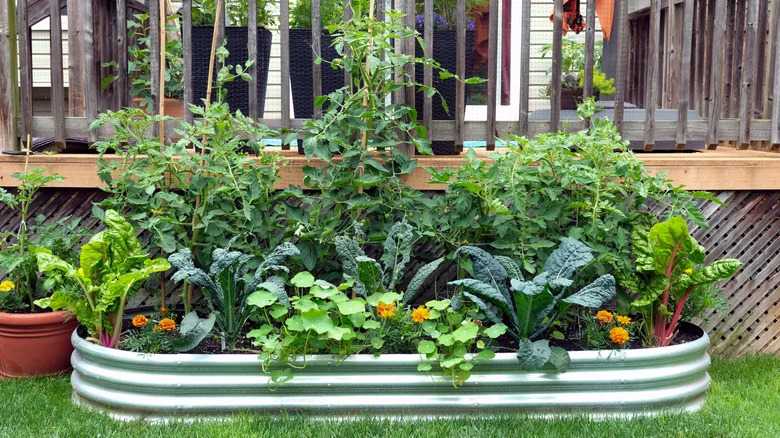
Are you dreaming of a vibrant garden bed brimming with life and color? Knowing exactly what to put in your garden bed can make all the difference.
Imagine stepping outside to a lush, thriving oasis that not only pleases the eye but also nurtures your well-being. Creating the perfect garden bed doesn’t have to be a daunting task. With the right choices, you can transform a patch of soil into a flourishing paradise.
Are you ready to discover the secrets to selecting the best plants, soil, and accessories that will bring your garden bed to life? Let’s delve into the essentials that will make your gardening efforts truly rewarding. Stick around, and soon you’ll be equipped with the knowledge to make your garden the envy of the neighborhood.
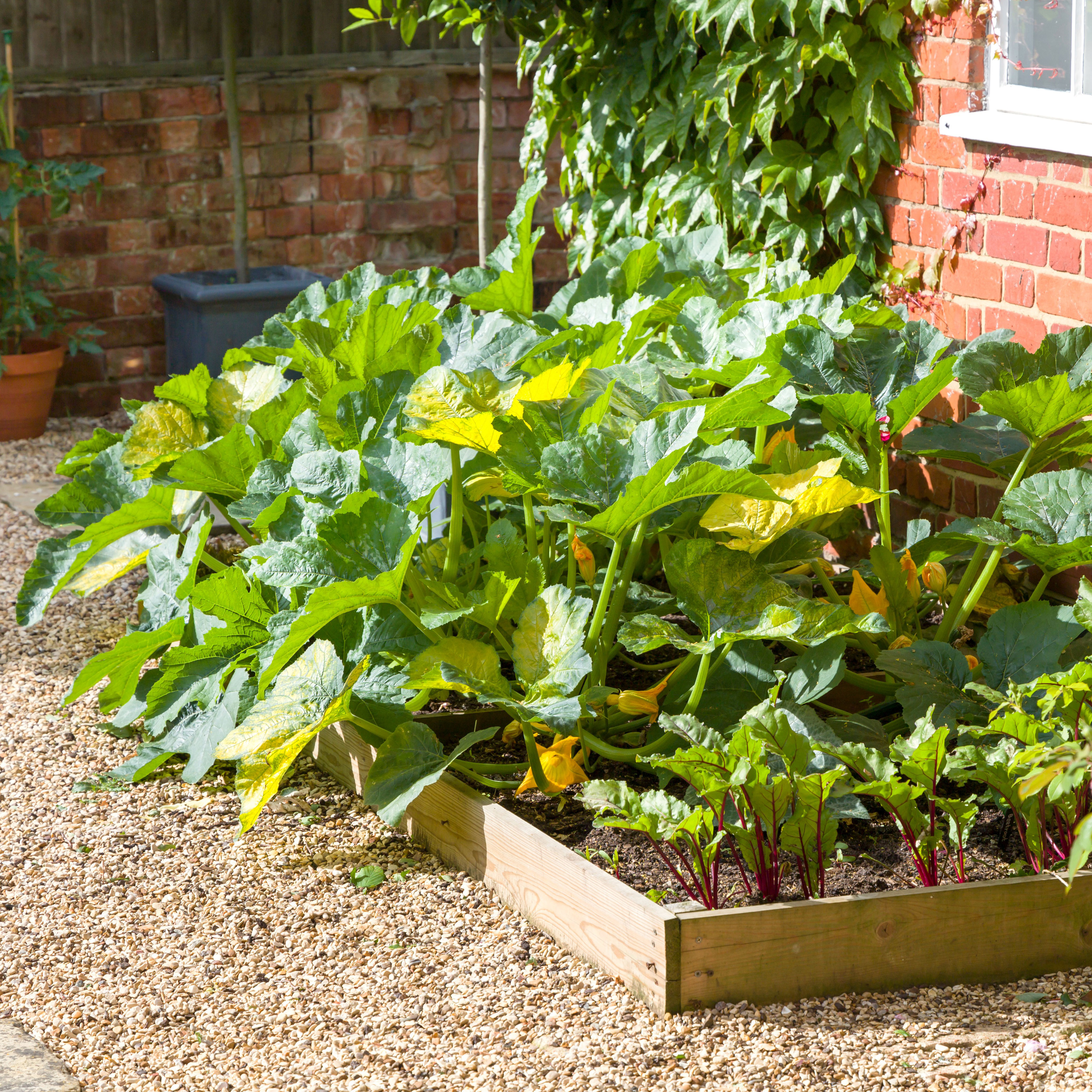
Credit: www.gardeningknowhow.com
Soil Preparation
Soil preparation is the cornerstone of a thriving garden bed. Without the right foundation, your plants may struggle to grow and yield their best. Preparing soil involves more than just turning over the dirt; it means creating an environment rich in nutrients, texture, and life.
Understanding Your Soil
Before you start preparing, it’s essential to know the type of soil you have. Is it sandy, clay, or loamy? Each soil type has distinct characteristics affecting drainage and nutrient availability. Conduct a simple soil test to determine the pH level and nutrient content. This knowledge guides you in deciding what amendments are necessary to improve the soil quality.
Adding Organic Matter
Organic matter is a game-changer for soil health. Compost, aged manure, or leaf mold are excellent choices. They enrich the soil, improve water retention, and foster beneficial microorganisms. Spread a layer of organic matter over the bed and mix it into the top few inches of soil. This practice not only enhances soil structure but also boosts plant growth.
Ensuring Proper Drainage
Poor drainage can lead to waterlogged roots and plant diseases. If your garden bed is prone to retaining water, consider adding sand or perlite to improve drainage. Raised beds are another solution, keeping plants above ground level and preventing excess moisture accumulation. Good drainage is crucial for healthy plant roots.
Testing And Adjusting Soil Ph
Soil pH directly affects nutrient availability and plant health. Most plants thrive in slightly acidic to neutral soil. If your soil is too acidic or alkaline, adjustments may be necessary. Lime can be added to increase pH, while sulfur can lower it. Regularly testing and adjusting pH ensures your plants have the optimal environment to flourish.
Mulching For Protection
Mulch serves multiple purposes, from retaining moisture to suppressing weeds. After preparing the soil, apply a layer of mulch to keep the bed protected. Organic mulch like straw or wood chips adds nutrients as it breaks down. Mulching is not just about aesthetics; it’s a strategic move to enhance soil health.
What other soil preparation techniques have worked wonders in your garden? Share your tips with fellow enthusiasts and watch your garden bed transform into a thriving oasis.
Understanding Plant Needs
Choosing the right elements for a garden bed ensures healthy plant growth. Start with quality soil, essential nutrients, and proper drainage. Include diverse plant types to create a balanced ecosystem.
Understanding the needs of your plants is crucial to creating a thriving garden bed. Every plant has unique requirements, whether it’s the amount of sunlight, type of soil, or watering frequency. Recognizing these needs will guide you in choosing the right plants and placing them optimally in your garden bed.Choosing The Right Soil
The foundation of any garden bed is its soil. Different plants prefer different types of soil. Is your soil sandy, clay, or loamy? Test your soil to understand its composition. Adjust the soil to meet plant requirements by adding organic matter or compost. Consider your plant’s preference for acidity or alkalinity.Sunlight Requirements
Plants need varying amounts of sunlight. Observe your garden bed to see how much sunlight it receives throughout the day. Some plants thrive in full sun, while others prefer partial shade. You can use taller plants to provide shade for those that need less sunlight.Watering Essentials
Water is life for plants. Check how well-drained your garden bed is. Some plants need frequent watering, while others are drought-resistant. Use mulch to retain moisture and reduce evaporation. Water in the early morning or late afternoon to minimize water loss.Space And Growth Patterns
Consider how much space each plant needs. Some plants grow tall and need more vertical space, while others spread out. Think about the mature size of the plants you choose. Avoid overcrowding to ensure each plant has room to grow.Nutrient Needs
Plants need nutrients to thrive. Research the specific nutrient requirements for each plant. Use fertilizers wisely to provide essential nutrients. Too much can harm, while too little may stunt growth. Regularly check the health of your plants and adjust feeding as needed. Understanding these plant needs not only enhances your garden’s beauty but also its productivity. What challenges have you faced in meeting your plant’s needs? Share your experiences in the comments below.Perennial Plants
Perennial plants add lasting beauty to garden beds with minimal upkeep. Their vibrant blooms return year after year. Consider planting lavender, daylilies, or hostas for a colorful display that thrives in various conditions.
Perennial plants are a gardener’s favorite. They come back year after year. This makes them perfect for low-maintenance garden beds. These plants are reliable and often bloom beautifully. Many perennials are also easy to grow. They require less attention than annuals. Perennials can add color and texture to your garden. They also support pollinators. Let’s explore some top choices for your garden bed.Top Perennial Flowers
Choose perennial flowers for lasting beauty. These flowers come in many colors and sizes. Some popular choices include:- Coneflowers: Bright and cheerful. Attracts butterflies.
- Daylilies: Low-maintenance. Blooms in various shades.
- Lavender: Fragrant and calming. Purple blooms.
- Peonies: Large, lush flowers. Beautiful in spring.
Best Perennial Herbs
Herbs provide flavor and aroma. Perennial herbs are especially useful. They return each season, ready to harvest. Consider planting:- Thyme: Versatile and flavorful. Great for cooking.
- Sage: Adds earthiness to dishes. Silver-green leaves.
- Mint: Refreshing scent. Perfect for teas.
- Oregano: Essential for Italian dishes. Robust flavor.

Credit: www.yahoo.com
Annual Plants
Garden beds thrive with annual plants like marigolds, zinnias, and petunias. These vibrant blooms add color and charm. Mix different varieties for a lively display throughout the season.
Annual plants add vibrancy to garden beds. They complete their life cycle in one growing season. This means they grow, bloom, produce seeds, and die within a year. Annuals offer gardeners flexibility with different colors and styles every year. They also provide fast results. With annuals, gardens can transform quickly.Popular Annual Flowers
Annual flowers bring color and beauty to any garden bed. Some favorites include:- Marigolds: Bright and bold, marigolds are perfect for sunny spots.
- Petunias: Versatile and easy to care for, petunias come in many colors.
- Impatiens: Ideal for shady areas, impatiens add softness and charm.
- Zinnias: Zinnias are vibrant and attract butterflies.
Common Annual Vegetables
Annual vegetables are perfect for fresh home-grown produce. They offer variety and flavor. Some popular choices are:- Tomatoes: Juicy and versatile, tomatoes are a garden staple.
- Lettuce: Quick to grow, lettuce is great for salads.
- Beans: Beans provide nutrients and are easy to harvest.
- Radishes: Fast-growing, radishes offer a peppery crunch.
Edible Plants
Choose edible plants for your garden bed to enjoy fresh produce. Consider tomatoes, lettuce, and herbs like basil. These plants are easy to grow and provide nutritious options for your meals.
Edible plants bring life to any garden bed. They offer beauty and food. Growing your own edible plants is rewarding. It reduces your grocery bills. It ensures fresh produce at your fingertips. Let’s explore what you can plant in your garden bed.Fruits For Garden Beds
Fruits add sweetness and color to your garden. Strawberries are a great choice. They are easy to grow and maintain. Blueberries thrive in acidic soil. They need sun and regular watering. Raspberries grow tall and need support. They produce fruit in late summer. Planting fruit trees like dwarf apple trees is smart. They require space but yield a good harvest.Vegetables For Garden Beds
Vegetables are essential for a healthy diet. Tomatoes are versatile and grow well in warm weather. They need support as they grow tall. Lettuce is easy to grow and loves cool weather. It provides fresh greens for salads. Carrots grow underground and need loose soil. They are sweet and nutritious. Peppers add spice and color. They thrive in sunny spots.Companion Planting
Planting basil next to tomatoes can boost growth and flavor. Marigolds deter pests from vegetables. Beans enrich the soil by fixing nitrogen, benefiting corn and squash.
Companion planting is a smart way to grow your garden. It involves planting certain plants together to help each other thrive. This practice can boost growth, deter pests, and improve flavors. Understanding which plants work well together is key to successful gardening.Benefits Of Companion Planting
Companion planting offers many benefits. Plants can help each other grow by providing shade or support. Some plants repel pests that might harm others nearby. This natural form of pest control reduces the need for chemicals.Popular Companion Plant Pairings
Certain plants pair better with others. Tomatoes thrive when planted with basil. Basil repels pests and enhances tomato flavor. Carrots grow well beside onions. Onions deter carrot fly, protecting the carrots.How To Choose Companion Plants
Choosing the right companion plants requires planning. Consider the needs of each plant. Look at soil, water, and sunlight requirements. Pair plants with similar needs for best results. Research common pest problems. Select plants that naturally repel these pests.Common Mistakes In Companion Planting
Avoid crowding plants too closely. They need space to grow and breathe. Don’t pair plants with conflicting needs. For example, don’t put sun-loving plants in shade. Research plant interactions thoroughly. Some plants might stunt each other’s growth.Planting Layout Tips
Arrange your garden for optimal growth. Use taller plants to shade sun-sensitive companions. Group plants with similar water needs together. Ensure enough space for roots to expand. Consider wind direction for taller plants. They can protect smaller plants from harsh winds. Companion planting is a rewarding endeavor. It creates a healthier garden and enhances plant growth. Give it a try and watch your garden flourish.Climate Considerations
Understanding your climate is crucial for a thriving garden. Choose plants that suit your region’s temperature and weather patterns. This ensures healthy growth and reduces maintenance.
Plants For Warm Climates
Warm climates are ideal for sun-loving plants. Succulents thrive in dry, hot conditions. They need minimal water and care. Consider planting herbs like rosemary and basil. These herbs love the heat and add flavor to your meals.
Tropical plants also flourish in warm areas. Hibiscus and bougainvillea provide vibrant colors. They bring a tropical feel to your garden. Choose drought-resistant varieties for easy maintenance.
Plants For Cool Climates
Cool climates suit hardy plants. Perennials like lavender and peonies survive frost. They bloom beautifully every year. Vegetables such as kale and broccoli thrive in cooler temperatures. These veggies are nutritious and easy to grow.
Consider evergreens for year-round greenery. Junipers and pines stay lush through winter. They provide shelter and beauty. Choose frost-resistant varieties for best results.
Low-maintenance Options
Native plants, succulents, and mulch create a low-maintenance garden bed. They require minimal watering and attention. Perfect for busy gardeners.
Creating a vibrant garden doesn’t have to be a time-consuming endeavor. Opting for low-maintenance plants can save you both time and effort, allowing you to enjoy your garden without constant upkeep. These choices are perfect for busy individuals or those new to gardening. Let’s dive into some simple options that can keep your garden flourishing with minimal fuss.Drought-resistant Plants
Drought-resistant plants are a fantastic choice if you want your garden to thrive with less water. These plants are designed to withstand dry conditions, making them perfect for areas prone to drought or for gardeners looking to conserve water. Consider adding succulents like Sedum or Agave, which require little water and offer striking visual appeal. Another excellent option is Lavender, known for its aromatic fragrance and hardy nature. Its ability to survive with minimal watering makes it a favorite among busy gardeners. Imagine the delight of having a garden that smells like a summer’s day without the hassle of frequent watering.Native Plant Choices
Choosing native plants is a smart way to create a sustainable garden. These plants are naturally adapted to your local climate and soil, requiring less maintenance. They often have built-in resistance to local pests and diseases, which means fewer pesticides and care. Consider plants like Coneflowers or Black-eyed Susans if you are in North America. These native beauties not only attract pollinators but also add a splash of color to your garden. Have you ever noticed how effortlessly nature maintains its balance? By choosing native species, you can mirror that harmony in your garden. A mix of native grasses can also add texture and movement to your garden bed. They provide a natural look and require little more than occasional trimming. This makes them ideal for gardeners who prefer a laid-back approach while still appreciating a dynamic landscape. By focusing on these low-maintenance options, you can create a garden that’s not only beautiful but also easy to care for. What will you choose to plant in your garden bed?Seasonal Planting Tips
Seasonal planting is essential for a thriving garden bed. Understanding the seasons helps in selecting plants that flourish under specific weather conditions. Each season offers unique opportunities for growth and beauty. Choose wisely to ensure your garden remains vibrant year-round.
Spring Planting Ideas
Spring is ideal for planting colorful flowers. Consider tulips and daffodils for a bright start. Vegetables like lettuce and spinach thrive in cooler temperatures. Ensure soil is well-prepared to support new growth.
Summer Planting Suggestions
In summer, focus on heat-loving plants. Tomatoes and peppers are excellent choices. Sunflowers and marigolds add charm and attract pollinators. Water regularly as temperatures rise.
Fall Planting Opportunities
Fall is perfect for planting bulbs. Iris and crocus bring early spring colors. Kale and broccoli handle cooler weather. Mulch to protect roots from frost.
Winter Planting Tips
Winter planting requires hardy plants. Pansies and primroses can survive cold. Garlic and onions benefit from winter soil. Cover with mulch for warmth.
Tips For A Successful Seasonal Garden
- Test soil before planting.
- Choose plants suited for your climate.
- Plan for adequate sunlight and water.
- Rotate crops annually for healthy soil.

Credit: migardener.com
Frequently Asked Questions
What Not To Put In Raised Garden Beds?
Avoid using treated wood, as it may leach chemicals. Do not add large rocks or gravel. Skip non-decomposable materials like plastic. Avoid invasive plants that may spread uncontrollably. Do not use contaminated soil or compost, as it can harm plants.
What Is The Best Filling For Raised Beds?
Use a mix of topsoil, compost, and organic matter for raised beds. Ensure well-draining soil with nutrients. Add peat moss or coconut coir for moisture retention. Regularly replenish with compost for optimal plant growth.
What Is The Best Thing To Plant In A Raised Garden Bed?
Vegetables like tomatoes, lettuce, and carrots thrive in raised garden beds. Herbs such as basil and parsley are excellent choices too. Strawberries and radishes grow well in these conditions. Raised beds offer better drainage and control over soil quality, benefiting these plants.
What Should Be At The Bottom Of A Garden Bed?
Place a layer of coarse gravel or small stones at the bottom of a garden bed. This improves drainage, prevents waterlogging, and promotes healthy root growth. Use landscape fabric to separate soil and gravel, keeping the soil in place while allowing water flow.
Conclusion
Choosing the right materials for your garden bed is vital. Plants thrive in good soil, which provides nutrients. Compost enriches your garden, boosting plant growth. Mulch helps retain moisture and keeps weeds away. Consider organic options for a healthier garden.
Ensure proper drainage to prevent root rot. Remember, each garden bed is unique. Tailor your choices to your climate and plants. Careful planning leads to a flourishing garden. Start small, learn as you grow. Enjoy the process and watch your garden transform.
Happy gardening!


