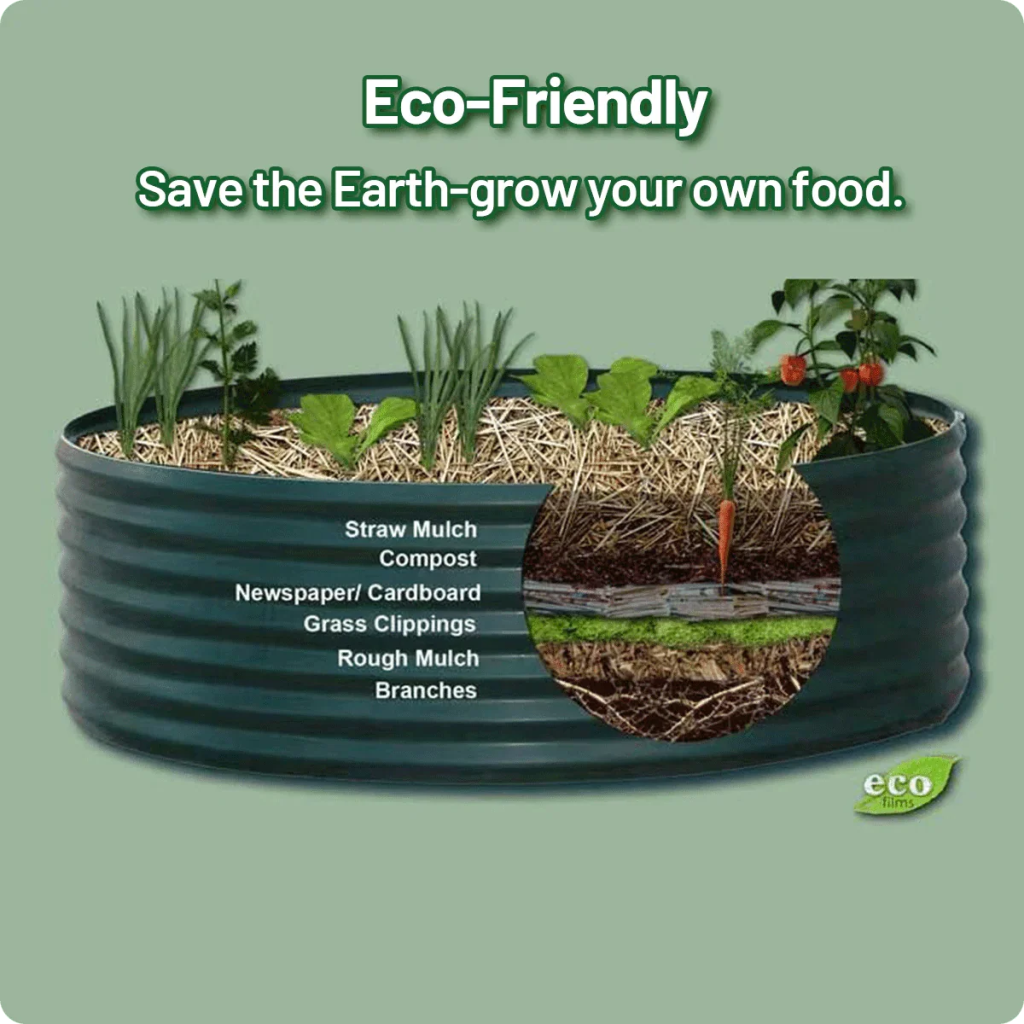
Imagine stepping into your garden and being greeted by vibrant colors, fragrant scents, and the satisfaction of knowing you grew it all yourself. With a raised garden bed, this dream is within reach.
But knowing what to plant can feel overwhelming. You’re not alone in this. Many gardening enthusiasts face the same question: “What should I plant in my raised garden bed? ” The answer isn’t just about what looks good or grows fast.
It’s about creating a space that’s tailored to your needs and environment. By the end of this article, you’ll have a clear, personalized roadmap for your raised garden, ensuring every seed you plant flourishes into a bountiful harvest. So, let’s dig in and discover the perfect plants for your garden bed. Your green oasis awaits!
Benefits Of Raised Garden Beds
Raised garden beds offer better drainage and soil quality. Grow herbs, tomatoes, and leafy greens with ease. Enjoy fewer weeds and a longer growing season in your raised garden bed.
Raised garden beds have become a popular choice for gardeners looking to optimize their planting space. These garden beds offer a range of benefits that can enhance your gardening experience. Whether you’re an experienced gardener or a beginner, understanding these benefits can help you decide if raised garden beds are right for you.Enhanced Soil Quality
Raised garden beds allow you to control the soil composition easily. You can add the perfect blend of soil, compost, and nutrients to suit your plants’ needs. This means healthier plants and better yields.Improved Drainage
With raised beds, water drains more efficiently. This helps prevent the roots from becoming waterlogged, which is a common issue in traditional garden beds. You can say goodbye to the worry of root rot!Better Accessibility
No more bending over and straining your back. Raised beds bring your garden to a comfortable height. This makes them perfect for those with mobility issues or for anyone looking to reduce the physical strain of gardening.Extended Growing Season
The soil in raised beds warms up faster in the spring, allowing for an earlier start to the growing season. Additionally, you can easily cover them with a hoop house to extend the growing season into the fall. This means more time to enjoy your garden’s bounty.Greater Pest Control
Raised garden beds can help you manage pests more effectively. By elevating your plants, you reduce their exposure to ground-dwelling pests. Plus, the defined borders make it easier to add protective barriers.Aesthetic Appeal
Not only are raised garden beds functional, but they also add visual interest to your yard. You can choose materials that match your style, from rustic wood to modern metal. Your garden can become a beautiful focal point in your outdoor space. Think about these benefits as you plan your garden. How can a raised garden bed improve your gardening experience? By choosing this method, you’re investing in a more accessible and productive garden.Choosing The Right Location
Sunny spots nurture vegetables like tomatoes and peppers. Leafy greens thrive in partial shade. Consider drainage and wind protection for optimal growth.
Choosing the right location for your raised garden bed can make all the difference in your gardening success. It’s not just about finding a spot that looks good; it’s about creating an environment where your plants can thrive. Let’s dive into some essential factors that will help you select the ideal location for your raised garden bed.Sunlight Exposure
Plants need sunlight to grow, and the amount they require can vary. Most vegetables and flowers thrive in full sun, which means about 6 to 8 hours of direct sunlight each day. Consider the sun’s path in your garden and observe potential spots at different times of the day to ensure adequate exposure.Accessibility
Think about how often you’ll be tending to your garden. You’ll want a location that’s easy to reach for watering, weeding, and harvesting. A spot close to your home or water source can make maintaining your garden more convenient and enjoyable.Soil Drainage
Good drainage is crucial for a healthy garden bed. Avoid areas where water tends to pool after rain. Poor drainage can lead to root rot and other plant diseases. If your yard is prone to waterlogging, consider elevating your raised bed further with additional soil or installing a drainage system.Wind Protection
Strong winds can damage plants or even blow away your soil. Look for a spot with natural windbreaks like fences or hedges. If your chosen location is exposed, consider adding a temporary windbreak, such as a mesh fence or a row of taller plants.Proximity To Other Plants
Check what’s already growing near your potential garden bed site. Some trees or shrubs can cast unwanted shade or compete for nutrients and water. Make sure your new garden doesn’t encroach on existing plants’ spaces, ensuring both your garden bed and nearby plants can flourish. Choosing the right location isn’t just about sunlight or soil—it’s about crafting a harmonious space for your garden to flourish. Which factor will you prioritize when selecting your garden’s new home?Soil Mix Essentials
Discover ideal plants for your raised garden bed with the right soil mix essentials. Opt for vegetables like tomatoes and lettuce or herbs such as basil and cilantro. Tailor your choices to the season and climate for a thriving garden.
When planting in a raised garden bed, the soil mix is crucial. The right mix ensures healthy plant growth and productivity. A good soil mix provides nutrients, drainage, and proper aeration. Let’s explore the essentials.Understanding The Base Components
A quality soil mix starts with three main components: topsoil, compost, and peat moss. Topsoil provides structure and minerals. Compost enriches the soil with nutrients. Peat moss aids in moisture retention and improves texture.Importance Of Drainage And Aeration
Proper drainage is vital for plant health. Adding sand or perlite can improve drainage. These elements prevent waterlogging and promote root growth. Aeration is equally important. It ensures oxygen reaches plant roots.Balancing Soil Ph Levels
Soil pH affects nutrient availability. Most plants prefer a pH between 6.0 and 7.5. Test the soil pH before planting. Adjust it using lime to raise or sulfur to lower the pH.Incorporating Organic Matter
Organic matter improves soil fertility. It enhances water retention and structure. Use compost, aged manure, or shredded leaves. These materials break down and release nutrients over time.Adding Essential Nutrients
Plants need essential nutrients to thrive. Nitrogen, phosphorus, and potassium are key. Use a balanced organic fertilizer. Follow package instructions for application rates.Maintaining Soil Health
Healthy soil supports healthy plants. Rotate crops each season. This prevents nutrient depletion. Mulch the bed to retain moisture and suppress weeds. Regularly check soil conditions and amend as needed.Vegetables For Raised Beds
Opt for leafy greens like spinach and lettuce for quick growth. Root vegetables such as carrots thrive well in the soft soil. Tomatoes and peppers enjoy the warm environment of raised beds, ensuring a bountiful harvest.
If you’re looking to maximize the potential of your raised garden bed, choosing the right vegetables is key. Raised beds offer excellent drainage, improved soil quality, and easier access for planting and harvesting. But what should you plant to make the most of this gardening gem? Let’s explore some top vegetable choices that thrive beautifully in raised beds and can transform your gardening experience into a fruitful endeavor.Leafy Greens
Leafy greens are a fantastic choice for raised beds. Their shallow root systems mean they don’t require deep soil, making them ideal for these settings. Consider planting spinach, kale, and lettuce. These greens not only grow quickly but are also perfect for succession planting, ensuring a continuous harvest. Plus, who can resist the joy of stepping out into your garden to pick a fresh salad?Root Vegetables
Root vegetables like carrots and radishes are another excellent option. Raised beds allow you to control soil composition, which is crucial for these veggies. By using loose, well-draining soil, you can prevent the common issue of misshapen roots. Imagine pulling up perfectly straight carrots or radishes that are both aesthetically pleasing and deliciously crunchy!Nightshades
Tomatoes, peppers, and eggplants fall under the nightshade category and thrive in raised beds. They benefit from the warm soil temperatures that raised beds can provide. Additionally, the controlled environment helps prevent soil-borne diseases, leading to healthier plants. Picture yourself harvesting plump tomatoes and vibrant peppers, adding a splash of color and flavor to your dishes.Legumes
Legumes such as peas and beans are perfect for raised beds, especially if you’re short on space. These plants can be trained to climb trellises, maximizing vertical space and making harvesting easy. Legumes also enrich the soil by fixing nitrogen, promoting healthier future crops. Can you imagine the satisfaction of picking fresh peas for a summer salad or harvesting beans for a hearty stew? As you plan your raised garden bed, think about the vegetables that not only suit your palate but also thrive in these conditions. What’s your ultimate gardening goal? Whether it’s creating a vibrant salad bowl or a colorful vegetable medley, choosing the right vegetables can make all the difference in your gardening success.Herbs To Consider
Herbs to Consider Basil, mint, and rosemary are excellent choices for your raised garden bed. They thrive in various climates and add fresh flavors to your meals. These herbs are easy to grow and maintain, making them perfect for beginners.
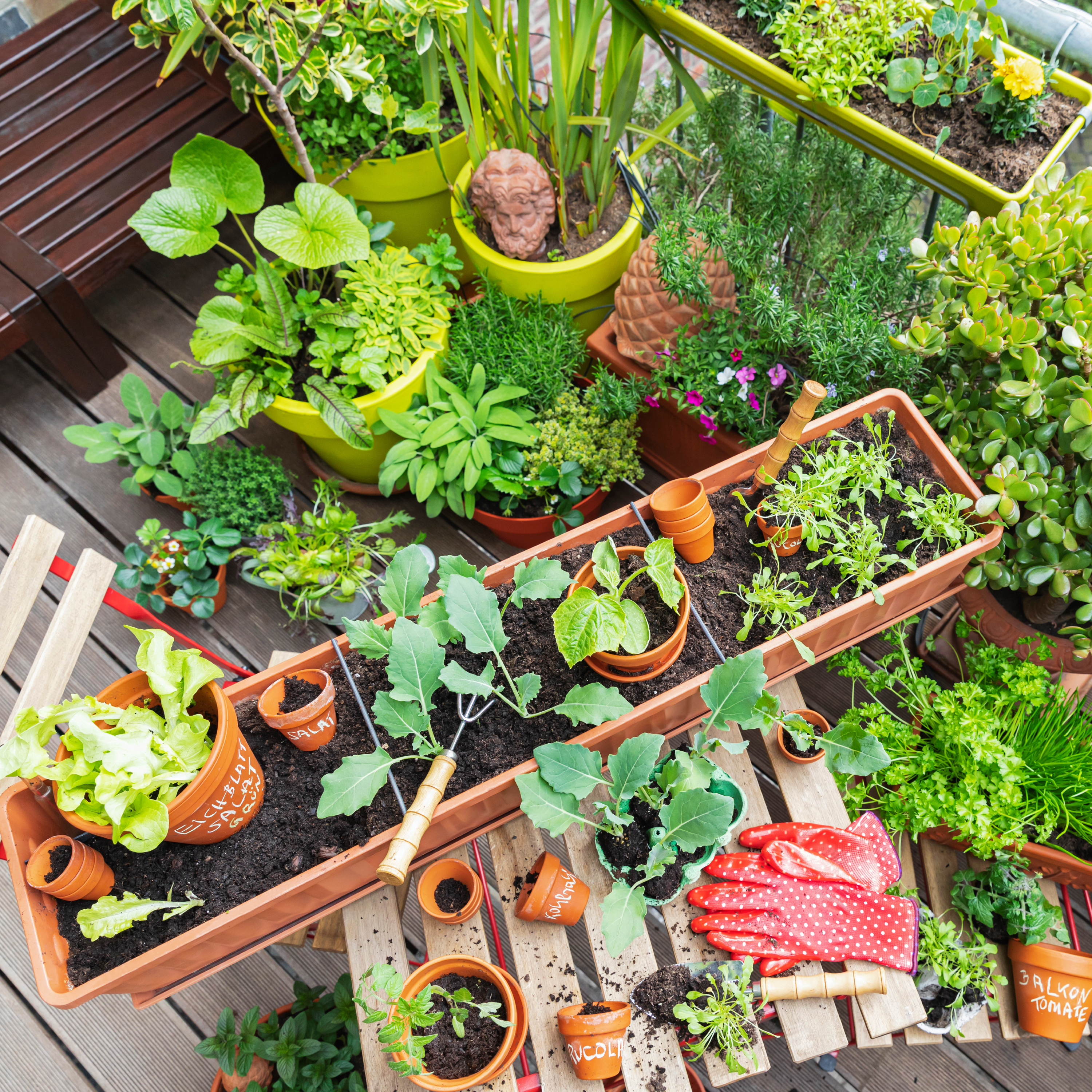
Herbs can transform a garden into a flavorful paradise. They are versatile and easy to grow. Herbs need little space and thrive in raised garden beds. These plants add freshness to meals and are delightful to the senses. Here are some herbs you should consider for your garden bed.Basil
Basil is a favorite in many kitchens. It thrives in warm, sunny spots. Basil leaves are perfect for salads, pasta, and pesto. This herb has a sweet, slightly peppery flavor. Keep its soil moist, but not waterlogged. Pinch off flowers to encourage leaf growth.Parsley
Parsley is more than a garnish. It has a fresh, mild taste. This herb does well in rich, well-drained soil. It prefers full sun but tolerates some shade. Harvest parsley regularly to promote new growth. Use it in soups, stews, and sauces.Thyme
Thyme is a hardy herb with a strong aroma. It grows well in sunny, dry conditions. Thyme is perfect for seasoning meats and vegetables. It has tiny, aromatic leaves that pack a punch. Trim thyme regularly to keep it from becoming woody.Mint
Mint is a refreshing herb with many uses. It grows vigorously, sometimes too much. Consider planting it in a pot to contain it. Mint prefers moist soil and partial shade. Use mint leaves in teas, desserts, and salads. Its cool, crisp flavor is unmistakable.
Credit: migardener.com
Fruit Selections
Tomatoes, strawberries, and peppers thrive in raised garden beds. They enjoy well-drained soil and ample sunlight. Choose berries, herbs, and leafy greens for quick growth and colorful harvests.
Planting fruits in your raised garden bed can be incredibly rewarding. Imagine stepping outside and picking fresh berries for your breakfast or dessert. With the right selections, your garden can transform into a mini fruit paradise. Here are some top fruit choices to consider for your raised garden bed.Strawberries
Strawberries are a fantastic choice for a raised garden bed. Their compact size makes them perfect for limited space. They thrive in well-drained soil and love the sun. Just ensure they get enough water, especially during the flowering and fruiting stages. Consider varieties like the ‘Albion’ or ‘Seascape’ for continuous harvest throughout the season. Are you ready to enjoy fresh strawberries right from your garden?Raspberries
Raspberries can add a burst of flavor to your garden. They are not only delicious but also easy to grow. They prefer a sunny spot but can tolerate partial shade. Ensure you provide them with a sturdy support system as they grow. A raised bed can help keep their roots from becoming waterlogged. Which raspberry variety will you add to your garden?Blueberries
Blueberries are a wonderful addition to your raised garden bed. They require acidic soil, so you might need to adjust the pH level. These plants love sun but can tolerate some shade. Regular watering and mulch can help keep the soil moist and suitable for growth. Consider the ‘Bluecrop’ or ‘Patriot’ varieties for reliable yields. Ready to snack on fresh blueberries straight from your garden?Flower Companions
Flower companions can transform your raised garden bed into a vibrant paradise. They add color and attract beneficial insects. These flowers enhance the growth and health of your vegetables. Let’s explore some great options for your garden.
Marigolds
Marigolds are a favorite among gardeners. They repel harmful insects like nematodes. Their bright blooms attract pollinators. Plant marigolds around your vegetables to protect them. They thrive in sunny spots and require minimal care.
Nasturtiums
Nasturtiums are cheerful and easy to grow. Their peppery leaves are edible, adding zest to salads. They deter pests such as aphids. Nasturtiums prefer well-drained soil and lots of sun. Their trailing vines add beauty to raised beds.
Zinnias
Zinnias bring bold colors to your garden. They attract butterflies and bees, boosting pollination. These flowers are drought-tolerant and easy to maintain. Zinnias grow well in full sun. Their long-lasting blooms keep your garden lively all season.

Credit: www.vegogarden.com
Planting Season Tips
Raised garden beds are perfect for planting vegetables and herbs. Choose sturdy plants like carrots, tomatoes, and basil. Consider seasonal varieties for optimal growth and flavor.
Planting a raised garden bed can be both a rewarding and challenging experience. Knowing when and what to plant is crucial for a successful harvest. Timing your planting to align with the seasons ensures your crops get the best start. Here are some planting season tips to guide your gardening journey.Understanding Your Climate Zone
Before you even buy seeds, familiarize yourself with your local climate zone. This will help you determine the best planting times for each vegetable. For example, tomatoes thrive in warmer zones, while leafy greens like spinach prefer cooler temperatures. Check online resources or consult with local gardening experts to identify your zone.Early Spring Planting
In early spring, focus on cool-season crops. Vegetables like lettuce, peas, and radishes can withstand chilly temperatures. These plants can be sown directly into the soil as soon as it’s workable. Remember to protect seedlings from unexpected frost with row covers or cloches.Summer Planting Strategies
As summer approaches, it’s time to introduce heat-loving plants. Tomatoes, peppers, and cucumbers enjoy the warmer weather. Plant these after the last frost date in your area to ensure a successful yield. Consider using mulch to retain soil moisture and keep roots cool.Fall Planting Opportunities
Fall offers another chance to grow cool-season crops. Broccoli, carrots, and kale can be planted in late summer for a fall harvest. These plants thrive as temperatures drop, giving you fresh produce well into autumn. Extend the growing season by using cold frames or greenhouses.Winter Planning And Prep
Winter is ideal for planning and preparing for the next planting season. Clean up your garden bed, add compost, and plan crop rotations. This downtime allows you to evaluate what worked well and make improvements. Consider starting seeds indoors for an early spring jumpstart. Engaging with each season strategically will maximize your garden’s productivity. What will you plant next in your raised garden bed?Maintenance And Care
Choosing the right plants for your raised garden bed ensures a thriving garden. Consider vegetables like tomatoes, lettuce, and carrots. Herbs such as basil and cilantro also thrive well. Regular watering and sunlight are key for healthy growth. Rotate crops yearly to maintain soil health.
Maintaining and caring for your raised garden bed is crucial for a thriving garden. Proper care not only enhances plant growth but also maximizes your yield. The following tips will help you maintain a healthy and productive garden.Watering Wisely
Water is essential, but how you water makes a difference. Aim for deep watering rather than frequent shallow watering. This encourages roots to grow deeper, making plants more resilient during dry spells. Consider using a soaker hose or drip irrigation system to ensure even moisture distribution. This also helps conserve water and reduces evaporation.Regular Weeding
Weeds compete with your plants for nutrients and water. Pull them out as soon as you spot them. Hand weeding is effective, especially around young plants, to avoid disturbing their roots. Mulching can also help suppress weeds and retain soil moisture.Feeding Your Plants
Feeding is vital for lush growth. Use organic fertilizers like compost or manure to enrich the soil. Feed your plants according to their specific needs. Leafy greens may need more nitrogen, while flowering plants benefit from phosphorus.Pest Management
Pests can wreak havoc on your garden. Regularly inspect your plants for signs of infestation. Natural remedies like neem oil or introducing beneficial insects can be effective. Keep your garden clean and remove any decaying plant material to prevent pest breeding grounds.Seasonal Adjustments
Adapting to the seasons can optimize growth. In cooler months, consider using row covers to protect plants from frost. During hot seasons, provide shade for sensitive plants. Adjust your watering schedule based on weather changes. By following these care strategies, you can ensure a healthy and bountiful raised garden bed. What other tips have you found useful in your gardening journey?Pest And Disease Management
Choosing plants that resist pests and diseases is essential for raised garden beds. Opt for hardy vegetables like tomatoes and peppers. Herbs like basil and rosemary can also provide natural protection.
Pest and disease management is crucial for a thriving raised garden bed. Healthy plants often resist pests and diseases better. Choosing the right plants can naturally deter unwanted insects. Effective strategies protect your garden and ensure a bountiful harvest.Crop Rotation Strategy
Rotating crops helps prevent pest buildup. Certain pests target specific plants. Change plant locations each season. This disrupts pest life cycles.Companion Planting
Companion planting is beneficial for pest control. Marigolds repel nematodes. Garlic wards off aphids. Pair plants wisely for natural protection.Organic Pesticides
Organic pesticides offer safe pest control. Neem oil is effective against many insects. It’s safe for plants and beneficial insects. Use it sparingly for best results.Regular Inspection
Regular inspection is key to early detection. Check leaves for holes or discoloration. Remove affected parts promptly. This prevents disease spread.Healthy Soil Practices
Healthy soil discourages disease. Compost enriches soil nutrients. Well-nourished plants resist disease better. Use mulch to retain moisture and suppress weeds.Physical Barriers
Physical barriers deter pests. Netting keeps birds away. Row covers protect seedlings. These barriers safeguard vulnerable plants.Natural Predators
Encourage natural predators in your garden. Ladybugs eat aphids. Birds consume caterpillars. Create habitats for these allies.Watering Techniques
Proper watering reduces disease risks. Water at soil level to avoid wet leaves. Wet leaves invite fungal infections. Maintain consistent moisture for healthy plants.Watering Strategies
Selecting the right plants for your raised garden bed is crucial. Consider seasonal vegetables like lettuce and carrots. Herbs such as basil and thyme thrive well. Choose plants that suit your climate and soil conditions for the best results. Proper watering ensures healthy growth and yields.
Watering your raised garden bed is crucial for healthy plants. The right strategy ensures plants get enough moisture. This keeps them vibrant and thriving. Different plants have different needs. Understanding these can help you succeed in your gardening journey.Consistent Watering Schedule
Establish a regular watering routine. Morning is ideal. This allows water to soak in before the sun’s heat. It helps prevent evaporation. Evening watering can cause fungal growth. Be consistent with timing. It helps plants adapt and thrive.Drip Irrigation System
Consider using a drip irrigation system. It delivers water directly to the roots. This method reduces water waste. Drip irrigation saves time and effort. You can set it on a timer. This ensures plants get water even when you’re busy.Mulching Benefits
Apply mulch around your plants. Mulch retains soil moisture. It reduces evaporation. It also controls weeds. Organic mulches like straw or wood chips work well. They break down and improve soil quality over time.Proper Drainage
Ensure your garden bed has good drainage. Poor drainage leads to waterlogged roots. This can harm your plants. Add materials like gravel or sand to improve drainage. Raised beds often have good drainage naturally. Make sure the soil mix supports this.Soil Moisture Check
Check soil moisture regularly. Stick your finger about an inch into the soil. If it’s dry, water the plants. If it’s moist, wait a day or two. Don’t overwater. It can cause root rot and other issues. Monitoring helps maintain the right balance.- Regularly check for signs of water stress.
- Wilting leaves may mean too little or too much water.
- Adjust your watering strategy based on plant needs.
Credit: www.gardeningknowhow.com
Harvesting Techniques
Raised garden beds offer great options for planting vegetables like tomatoes, carrots, and lettuce. Consider herbs such as basil and mint for easy maintenance and flavor. Opt for seasonal flowers to add vibrant colors and attract pollinators.
Harvesting techniques are essential for maximizing your yield and keeping your raised garden bed thriving. Understanding when and how to pick your fruits and vegetables can make a significant difference. By employing effective harvesting methods, you not only ensure the freshness and flavor of your produce but also promote continued growth and productivity in your garden.Timing Is Everything
Knowing the right time to harvest is crucial. Each plant has its own peak period for picking. For example, tomatoes should be harvested when they are fully colored but still firm. Pulling them too early can affect their taste and texture.Use The Right Tools
Invest in good quality garden shears and scissors. These tools help make clean cuts, minimizing damage to the plants. Using your hands can sometimes lead to bruising or tearing, which can affect regrowth.Handle With Care
Handling your crops with care prevents unnecessary damage. For delicate plants like lettuce, gently hold and cut the stem close to the base. Rough handling can lead to bruising, which affects both taste and appearance.Keep Your Bed Clean
Regularly removing dead leaves and stems can improve your garden’s health. This simple habit reduces pest attraction and encourages more robust growth. Keep your garden bed tidy to ensure the plants have optimal conditions for thriving.Continuous Harvesting
Some plants benefit from regular harvesting. Herbs, for instance, often produce more when pruned regularly. This technique encourages new growth and keeps your plants healthy and productive. Are you ready to dig into your raised garden bed and enjoy the fruits of your labor? Applying these harvesting techniques not only boosts your yield but also enhances the overall gardening experience. So, what will you harvest next?Frequently Asked Questions
What Is The Best Thing To Plant In A Raised Garden Bed?
Vegetables like tomatoes, lettuce, and carrots thrive in raised garden beds. Herbs such as basil and parsley also do well. They offer good drainage and warmth, promoting healthy growth. Consider companion planting for pest control and better yields. Choose plants based on your climate and growing season for optimal results.
What Plants Grow Well Together In A Raised Bed?
Tomatoes pair well with basil, enhancing growth and flavor. Carrots thrive alongside onions, deterring pests naturally. Lettuce and radishes grow efficiently together, maximizing space. Marigolds complement most vegetables, repelling harmful insects. Companion planting boosts productivity and maintains garden health.
What Not To Plant In A Raised Bed?
Avoid planting large trees, invasive plants, and deep-rooted vegetables in raised beds. They can hinder growth and space.
What Can Beginners Plant In Raised Garden Beds?
Beginners can plant easy-to-grow vegetables like lettuce, radishes, carrots, and spinach in raised garden beds. Herbs such as basil, parsley, and chives also thrive well. Opt for plants that require minimal maintenance and adapt well to your climate. Raised beds provide good drainage and soil control, enhancing growth.
Conclusion
Choosing plants for your raised garden bed is exciting. Consider vegetables, herbs, and flowers. These options thrive well in raised beds. Each plant has unique sunlight and water needs. Plan carefully for a healthy garden. Rotate crops yearly to improve soil health.
Companion planting boosts growth and protects plants. Start small if you’re new to gardening. Learn as you grow. Enjoy the process and watch your garden flourish. Gardening enriches life with fresh produce and beauty. Happy planting!


