Have you ever found yourself standing in your backyard, ready to tackle some gardening tasks, only to discover that your garden hose just won’t fit the spigot? It’s frustrating, right?
You’re not alone. Many of us have faced this simple yet puzzling issue and questioned, “What thread size is a garden hose? ” Understanding the correct thread size can save you time, prevent leaks, and ensure a smooth gardening experience.
Imagine the ease and satisfaction of knowing that your hose will connect perfectly every time. Let’s dive into this essential knowledge that can transform your gardening chores into a hassle-free activity. Keep reading to discover the secrets of garden hose compatibility and never struggle with mismatched threads again!
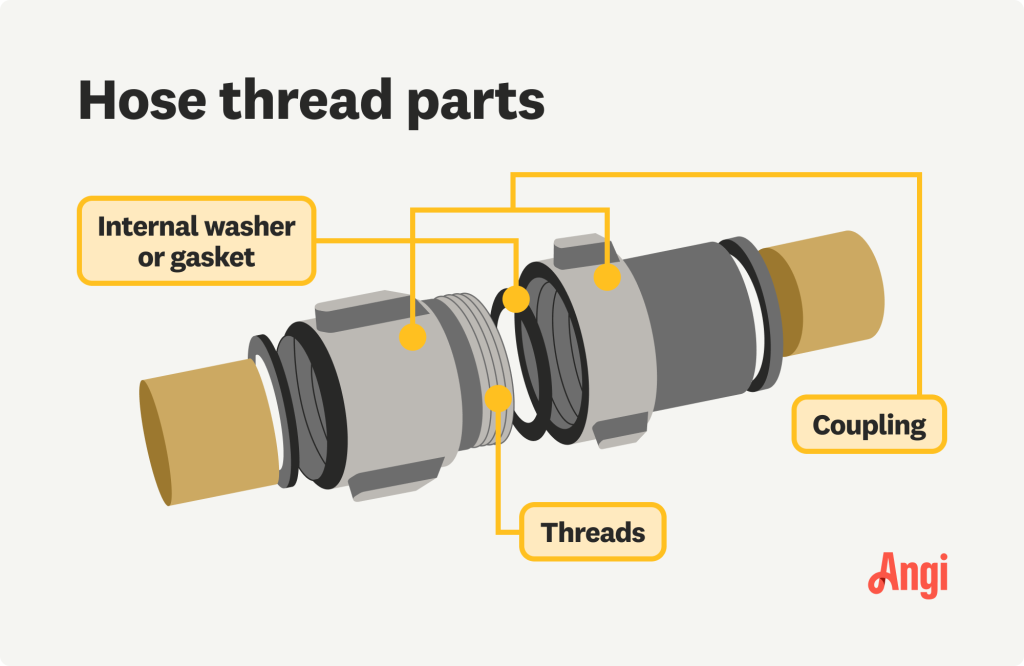
Credit: ibalchemy.com
Garden Hose Basics
Understanding the basics of garden hoses can make your outdoor tasks much more manageable. Whether you’re watering plants or washing your car, knowing the right thread size and materials can make all the difference. Have you ever struggled to connect your hose to a faucet, only to realize you have the wrong size?
Common Uses Of Garden Hoses
Garden hoses are versatile tools that serve numerous purposes around your home. They are not just for watering your garden; you can use them for tasks like cleaning your patio, filling a pool, or even as a makeshift sprinkler system. Did you know you can extend their use by adding attachments like spray nozzles?
Materials And Construction
Garden hoses are made from various materials, each offering unique benefits. Rubber hoses are durable but heavier, while vinyl ones are lightweight and budget-friendly. Some hoses have reinforcing mesh layers to prevent kinking. When choosing a hose, consider factors like flexibility and weather resistance. Have you considered how the material affects its lifespan?
Standard Thread Sizes
Garden hoses typically use a standard thread size. The most common is the 3/4-inch Garden Hose Thread (GHT). This ensures compatibility with most outdoor faucets and accessories, making it easy to connect and use.
Understanding the right thread size for your garden hose can save you time and prevent frustration. A mismatch in thread sizes can lead to leaks, poor water pressure, and wasted resources. Knowing the standard thread sizes ensures you have a compatible fit every time you connect your hose to a faucet or accessory.Understanding Thread Standards
Thread standards are the guidelines that dictate the size and pitch of threads. In the U.S., the most common standard for garden hoses is the Garden Hose Thread (GHT), which is different from the National Pipe Thread (NPT) used for plumbing. GHT is specifically designed for garden hoses to ensure a secure and leak-free connection.Common Thread Sizes For Garden Hoses
Most garden hoses in the United States use the 3/4 inch GHT size. This size is standard for outdoor faucets and accessories, making it convenient for most home gardening needs. You might find that some hoses come with adapters to fit different sizes, allowing flexibility. If you’ve ever struggled to connect a hose and wondered why it just wouldn’t fit, it might be due to not having a matching thread size. Double-checking the thread size before purchasing new hoses or accessories can prevent this common issue. Understanding these standards and sizes can make your gardening efforts more efficient and enjoyable. Have you ever faced issues with mismatched garden hose threads? Share your experience in the comments!Measuring Hose Thread Size
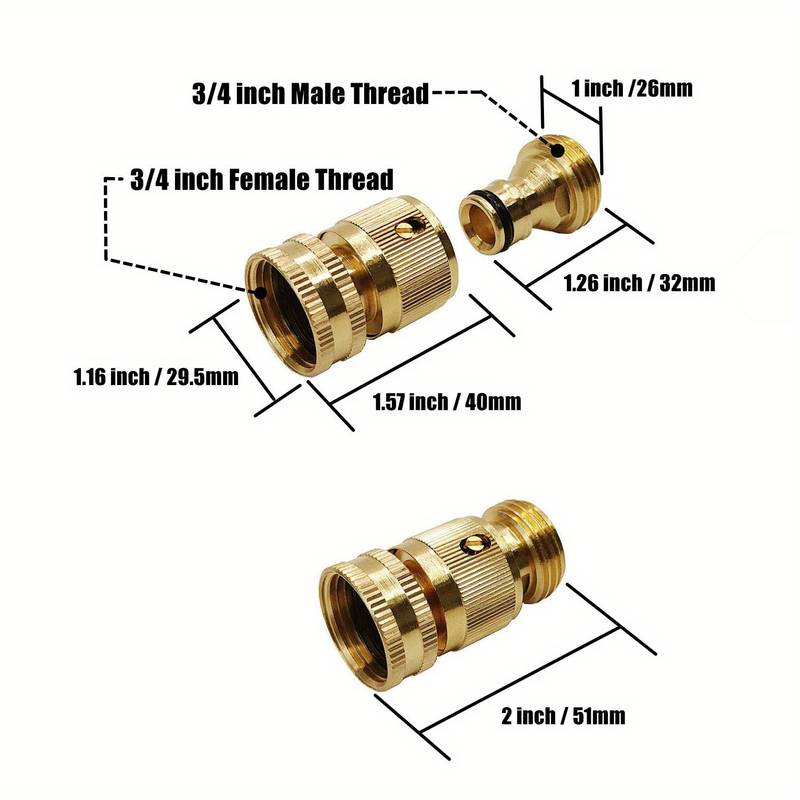
Garden hoses typically have a thread size of 3/4 inch in the United States. This size is often referred to as GHT, which stands for Garden Hose Thread. Knowing this helps in choosing the right connectors and attachments for your gardening needs.
Measuring the thread size of a garden hose is crucial for proper connections. Without the right fit, leaks and water wastage become common problems. Understanding how to measure the thread size ensures compatibility with various fittings and accessories. This process might seem daunting, but with the right tools and guidance, it becomes straightforward.Tools For Measuring
Accurate measurement requires specific tools. A ruler or tape measure works for basic measurements. Calipers offer precision for detailed readings. Thread gauges help determine thread type and size. These tools are essential for anyone wanting precise results. Using them correctly makes the task easier.Step-by-step Measurement Guide
Begin by examining the hose end. Look for the threaded part. Use a ruler to measure the diameter across the threads. Ensure the ruler is straight for accuracy. If using calipers, gently close them around the threads. Note the measurement displayed. Confirm the thread type with a thread gauge. Align the gauge with the hose threads. Check for a perfect fit to identify the thread size. Repeat if necessary to ensure accuracy.
Credit: www.amazon.com
Compatibility With Connectors
Choosing the right garden hose thread size can be tricky, especially when it comes to compatibility with connectors. You might find yourself struggling with mismatched fittings and water leaks. Understanding thread sizes ensures a seamless connection, saving you from frequent trips to the hardware store.
Fittings And Adapters
Garden hoses typically come in standard sizes, but fittings can vary. It’s essential to know that hoses usually have 3/4-inch GHT (Garden Hose Thread), but not all connectors are created equal. When I first bought a hose, I didn’t check the thread size and ended up with an adapter that was too small. I learned the hard way that mismatched fittings can lead to frustrating leaks.
- Make sure to check if your hose connector matches the GHT size.
- Consider using adapters if your hose and faucet threads don’t match.
- Adapters can bridge the gap between different thread sizes, ensuring a snug fit.
A simple adapter solved my problem, and I wish I’d known about them sooner. They can be a lifesaver, especially when dealing with older faucets or unique setups.
Impact Of Thread Size On Compatibility
The thread size of your garden hose directly impacts its compatibility with other connectors. A mismatched thread can lead to reduced water flow and annoying leaks. Imagine setting up your garden sprinkler only to find it’s spraying water everywhere but your plants. An incorrect thread size could be the culprit.
Consider these practical insights:
- Verify thread size before purchasing a new hose or accessory.
- Use a thread gauge if you’re unsure of the size.
- Universal connectors are available, but they may not provide the best fit.
By ensuring the right thread size, you prevent water wastage and save time. Have you ever struggled with a stubborn connector? Share your experiences and solutions in the comments below. Your insights could help others avoid similar issues!
Troubleshooting Thread Issues
Garden hoses typically feature a thread size of 3/4 inches. This standard size ensures compatibility with most outdoor faucets and accessories. Knowing the correct thread size helps avoid leaks and ensures a secure fit.
Troubleshooting thread issues with your garden hose can be a frustrating experience. Whether it’s a leaking connection or a hose that simply won’t attach properly, thread problems can disrupt your gardening flow. Understanding how to identify and solve these issues can save you time and energy.Identifying Incorrect Thread Size
The first step in troubleshooting is recognizing the symptoms of incorrect thread size. A common sign is water leakage at the connection point, which often indicates that the threads are not properly aligned or sized. Another hint could be difficulty in attaching or detaching the hose, suggesting a mismatch in the threads. To pinpoint the problem, carefully inspect the threads on both the hose and the spigot. Look for any wear, damage, or unusual spacing. It’s essential to know that most garden hoses use a standard ¾-inch GHT (Garden Hose Thread) size, but some hoses might have variations.Solutions For Mismatched Threads
Once you’ve identified the issue, there are several solutions to consider. One simple fix is using a thread adapter. These handy devices can bridge the gap between mismatched sizes, allowing for a secure fit. Another approach is to replace worn or damaged washers. A fresh washer can create a better seal, reducing leaks and improving fit. It’s a quick and cost-effective solution that many overlook. If the problem persists, investing in a new hose with the correct thread size might be the best course of action. While it might seem like a significant step, it can prevent ongoing issues and save you frustration in the long run. Have you ever struggled with garden hose connections? Share your experiences and solutions in the comments below!
Credit: www.amazon.com
Choosing The Right Garden Hose
Understanding garden hose thread sizes is essential for proper fit. Most hoses use a standard 3/4-inch thread size. This ensures compatibility with various accessories and faucets.
Choosing the Right Garden Hose Selecting the perfect garden hose is more than just picking a color or length. It’s about ensuring the hose fits your gardening needs and connects seamlessly to your faucet. A mismatch in thread size can lead to leaks and frustration. Understanding the thread size and other factors ensures a smooth gardening experience.Factors To Consider
Before buying a garden hose, think about the size of your garden. A smaller garden might require a shorter hose, while larger spaces might need something more extensive. Consider the water pressure available. High pressure requires a sturdy hose that won’t burst under the strain. Material matters. Rubber hoses are durable but heavier, while vinyl hoses are lighter but may kink easily.Recommendations For Different Needs
For those with large gardens, a longer hose with a 3/4-inch thread size ensures adequate water flow and reach. If you’re dealing with high water pressure, opt for a reinforced rubber hose with a 5/8-inch thread size to prevent bursting. Small gardens or balconies might benefit from a lightweight vinyl hose with a 1/2-inch thread size for easy handling. Have you ever struggled with a leaking hose connection? Adjusting the thread size could be your solution.Frequently Asked Questions
What Is A Standard Garden Hose Thread Size?
A standard garden hose thread size is 3/4 inch. It is also known as GHT or Garden Hose Thread. This size ensures compatibility with most garden hose fittings and outdoor faucets. Always check for compatibility to ensure a proper fit and prevent leaks.
Is A Garden Hose Npt Or Ght?
A garden hose typically uses GHT, which stands for Garden Hose Thread, not NPT. GHT is specifically designed for garden hoses and is different from NPT, which is National Pipe Thread used for plumbing.
What Size Thread Is A Garden Hose Tap?
Garden hose taps typically use a 3/4-inch thread size, known as GHT (Garden Hose Thread). This standard size ensures compatibility with most garden hoses. Always check specific product details for variations.
How To Tell If Hose Is 3/4 Or 5/8?
Measure the hose diameter using a ruler or caliper. A 3/4 inch hose is wider than a 5/8 inch hose. Check packaging or printed markings on the hose for size confirmation. Comparing with a known size hose can also help identify the correct measurement.
Conclusion
Understanding garden hose thread sizes is essential for a perfect fit. Choose the correct size to avoid leaks or damage. Most hoses use standard sizes, making selection easier. Always check compatibility before purchasing. This saves time and prevents frustration. Proper connections ensure efficient watering.
Well-maintained hoses last longer and perform better. Happy gardening starts with the right equipment. With the right hose, your garden blooms beautifully. Enjoy smooth watering without hassles. Your plants will thrive with optimal care. Keep these tips in mind for a lush garden.


