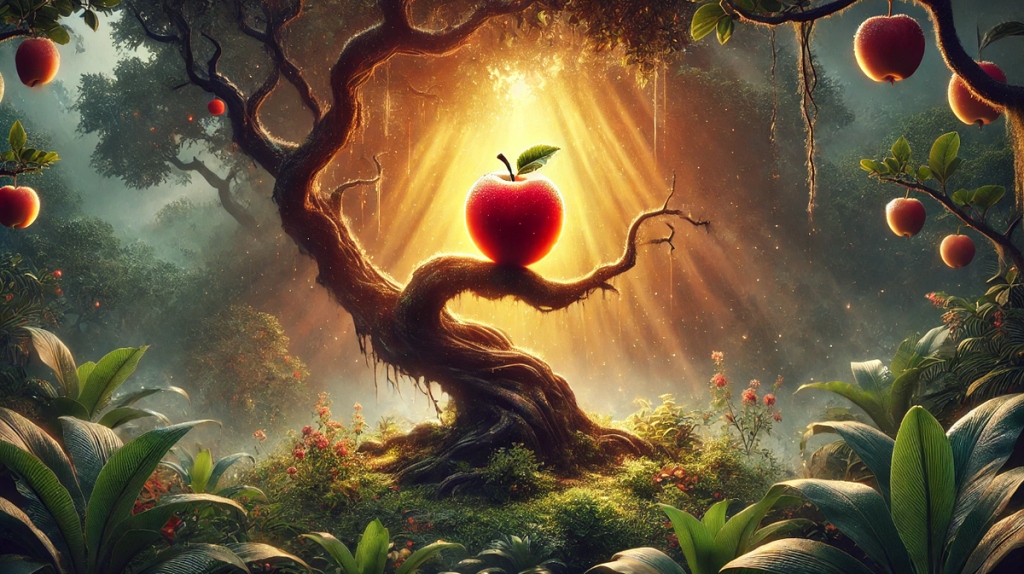
Have you ever wondered about the mysteries hidden within ancient stories? One such captivating tale is that of the Forbidden Fruit in the Garden of Eden.
This story has intrigued minds for centuries, sparking debates and curiosity about its true meaning. Could understanding this forbidden fruit change the way you see the world? Imagine unraveling the secrets behind this iconic symbol. What if the story holds insights that resonate with your life today?
As you delve deeper, you’ll discover why this fruit is more than just a piece of the narrative. It’s a key to understanding human nature, temptation, and the choices you make every day. Stay with us as we explore the depths of this ancient tale and uncover what the Forbidden Fruit truly represents. Your perspective on this age-old story might just change forever.
The Story Of The Forbidden Fruit
The story of the forbidden fruit in the Garden of Eden is captivating. It has intrigued people for generations. It explores themes of temptation and consequence. The tale is a central part of the biblical narrative in Genesis. This ancient story has been interpreted in many ways. It holds a significant place in religious and cultural discussions. Let’s delve into the details of this fascinating story.
The Serpent’s Persuasion
In the Garden of Eden, a cunning serpent appears. It speaks to Eve with tempting words. The serpent questions God’s command. It suggests the fruit is harmless. Eve is drawn to the serpent’s persuasion. She begins to doubt the forbidden nature of the fruit. The serpent’s words are convincing.
The Decision To Eat
Eve makes a pivotal choice. She decides to eat the forbidden fruit. She shares it with Adam. This act marks the beginning of human disobedience. It represents a turning point. Eating the fruit was more than just a bite. It was a choice with deep consequences.
The Consequences Unfold
After eating the fruit, Adam and Eve face consequences. Their eyes open to new realities. They feel shame for the first time. They hide from God. The garden is no longer a paradise. Life changes dramatically for them. The forbidden fruit brings knowledge and loss.
The Symbolism Of The Fruit
The fruit symbolizes temptation and knowledge. It is not just a physical fruit. It represents choices and consequences. Many interpretations have emerged over time. The fruit’s symbolism is complex. It continues to provoke thought and debate. Its meaning evolves with cultural understanding.
Symbolism In Religious Texts
Symbolism plays a crucial role in religious texts, offering deeper insights into spiritual beliefs. The Garden of Eden’s forbidden fruit is rich in symbolic meaning, representing temptation, knowledge, and the human experience. Understanding these symbols can unravel the mysteries of ancient scriptures.
The Fruit As A Symbol Of Temptation
The forbidden fruit is often seen as a symbol of temptation. It represents the allure of things that are off-limits. This symbolism highlights the inner struggle between desire and restraint. It reflects the moral challenges faced by humanity.
Knowledge And Awareness
Eating the forbidden fruit signifies gaining knowledge and awareness. It marks a transition from innocence to understanding. This shift embodies the human quest for wisdom and enlightenment. It suggests that knowledge can lead to both growth and consequences.
The Human Experience
The forbidden fruit represents the complexities of the human experience. It encapsulates the themes of choice, consequence, and morality. This symbolism emphasizes the journey of self-discovery and learning. It mirrors the challenges faced in making ethical decisions.
Interpretations Across Different Religions
Different religions offer varied interpretations of the forbidden fruit. Some view it as a literal object; others see it as a metaphor. These interpretations reflect diverse cultural perspectives and teachings. They contribute to a broader understanding of humanity’s spiritual journey.
Interpretations Through History
Different cultures have varied interpretations of the forbidden fruit in the Garden of Eden. Some see it as an apple, while others view it as symbolic of temptation and knowledge. The story continues to spark debate and curiosity across generations.
The Forbidden Fruit in the Garden of Eden has sparked curiosity for centuries. Its mysterious nature has led to various interpretations throughout history. Scholars and theologians have debated its identity, offering diverse perspectives. This exploration of interpretations uncovers how views evolved over time.Early Biblical Interpretations
In early biblical times, the Forbidden Fruit was often seen as an apple. This idea might come from translation errors. The Latin word “malus” means both “evil” and “apple.” This dual meaning might have influenced early thinkers. Some scholars suggested the fruit symbolized temptation. They believed it represented disobedience against God’s command. The fruit’s nature was less important than its symbolic role.Medieval Perspectives
During the medieval era, interpretations expanded. Some theologians viewed the fruit as symbolic of knowledge. They linked it to the Tree of Knowledge. This view emphasized the pursuit of wisdom and its consequences. Others suggested it was a grape or fig. These fruits were associated with indulgence. The medieval church often warned against excess. The fruit became a symbol of moral lessons.Modern Views
In modern times, interpretations vary widely. Some see the fruit as metaphorical. They argue it represents human curiosity. Others connect it to psychological concepts. They view it as a symbol of inner conflict. Science offers new insights too. Researchers explore genetic symbolism. They suggest the fruit represents genetic knowledge. Modern interpretations reflect a blend of old and new ideas.Credit: medium.com
Cultural Representations
The Forbidden Fruit from the Garden of Eden stirs curiosity. Artists and writers have taken inspiration from its story. This tale has been depicted in many cultural forms. Each representation offers a unique perspective.
Art And Literature
In art, the Forbidden Fruit often appears as an apple. This image can be seen in paintings from the Renaissance period. Artists like Michelangelo and Raphael have portrayed this scene. Their works show the fruit as a symbol of temptation and knowledge.
Literature also explores the fruit’s mystery. John Milton’s “Paradise Lost” provides a vivid description. The fruit symbolizes human curiosity and defiance. It represents the choice between obedience and rebellion.
Popular Media
Films and TV shows often reference the Forbidden Fruit. They use it to symbolize temptation or moral dilemmas. In movies, characters face choices linked to the fruit’s symbolism.
Music lyrics sometimes mention the fruit as well. Songs use it to explore themes of desire and risk. These cultural representations keep the story alive and relevant today.
Philosophical And Ethical Implications
The forbidden fruit in the Garden of Eden symbolizes curiosity and the quest for knowledge. It raises questions about human nature and moral choices. This tale explores the consequences of disobedience and the desire to understand good and evil.
The story of the Forbidden Fruit in the Garden of Eden offers profound philosophical and ethical implications. It challenges us to ponder the nature of good and evil. It raises questions about human choice and morality. The tale serves as an allegory for the complexities of human nature. It invites us to reflect on our own decisions and actions.Moral Lessons
The story teaches us about obedience and its consequences. Eating the Forbidden Fruit led to the fall of man. This act represents the loss of innocence and the beginning of human suffering. It reminds us that actions have consequences. The narrative warns against defying divine commands. It suggests that disobedience can lead to downfall and chaos.Human Curiosity And Disobedience
Human curiosity plays a key role in the story. The fruit symbolizes the allure of the unknown. It represents the desire to seek knowledge beyond limits. This curiosity often leads to disobedience. The tale shows how curiosity can drive humans to defy rules. It highlights the tension between knowledge and obedience. The story of the Forbidden Fruit remains a timeless exploration of these themes.Scientific And Botanical Perspectives
The story of the Forbidden Fruit in the Garden of Eden intrigues scientists and botanists alike. This tale from the Bible spurs debates about the fruit’s identity. While many assume it was an apple, evidence suggests other possibilities. Let’s dive into scientific and botanical perspectives.
Identifying The Fruit
Scholars often debate the type of fruit mentioned in the Genesis story. The word “apple” appears in translations, but original texts use “peri,” meaning fruit. This term doesn’t specify a type. Apples became popular in Western interpretations due to linguistic shifts. Other candidates include figs, grapes, or even pomegranates. Each fruit holds symbolic meanings in ancient cultures.
Botanical Theories
Botanists explore which fruits grew in ancient Mesopotamia. The climate favored figs and pomegranates. These fruits appeared in historical records and art. They thrived in regions near Eden. Grapes also hold significance in ancient stories and rituals. Some botanists suggest the fruit could be a now-extinct species. This theory adds mystery and intrigue to the tale.
Understanding the fruit’s identity blends science with mythology. While definitive answers remain elusive, exploring possibilities enriches our view of this age-old story.
Impact On Modern Beliefs
Debates around the forbidden fruit in the Garden of Eden influence modern beliefs on temptation and morality. This symbolic fruit sparks discussions on human nature and the consequences of choices. Its impact continues to shape cultural and religious narratives today.
The story of the Forbidden Fruit in the Garden of Eden has left a lasting impact on modern beliefs. This tale, originating from the Bible, continues to influence religious practices and cultural norms today. It symbolizes temptation and the consequences of disobedience, shaping how many view morality and ethics.Influence On Religious Practices
Many religious practices emphasize obedience and faithfulness. The Forbidden Fruit story teaches the importance of following divine rules. Worshippers often reflect on this tale during prayers and sermons. It serves as a reminder of human vulnerability and the need for spiritual guidance. The narrative underscores the value of repentance and forgiveness. Believers are encouraged to seek redemption and understand the consequences of their actions. This has shaped rituals and teachings in various religious communities.Effect On Cultural Norms
The story has penetrated cultural norms, affecting societal views on temptation and discipline. It often appears in literature and art, symbolizing moral struggles and choices. The concept of forbidden desires is prevalent in many cultures, influencing stories and traditions. Parents use the tale to teach children about making good choices. It serves as a cautionary lesson against yielding to temptation. This narrative helps shape ethical behavior and societal values, encouraging honesty and integrity. The Forbidden Fruit continues to be a powerful metaphor in modern culture, shaping beliefs and values across the world.
Credit: www.biblestudytools.com
Controversies And Debates
The story of the Forbidden Fruit in the Garden of Eden sparks many debates. Scholars, theologians, and curious minds have questioned its meaning for centuries. Some see it as a literal event. Others view it symbolically. These interpretations lead to intriguing controversies.
Historical Accuracy
Was the Garden of Eden a real place? This question divides many. Some believe it existed in ancient history. They search for geographical evidence. Ancient texts and archaeological finds add layers to this debate. Yet, no concrete proof has surfaced. The lack of evidence fuels skepticism.
Literal Vs. Metaphorical Interpretations
The Forbidden Fruit raises questions of literal versus metaphorical meaning. Literalists argue the fruit was real. They see it as an actual event with tangible consequences. For them, the fruit symbolizes disobedience and sin. Metaphorical interpreters suggest a deeper, symbolic meaning. They believe the story teaches moral lessons. The fruit represents human curiosity and the quest for knowledge.
Both views offer valuable insights. Each adds depth to our understanding of human nature. The fruit’s true nature remains a mystery. Yet, its impact is undeniable. The story continues to inspire and provoke thought.

Credit: www.reddit.com
Frequently Asked Questions
What Is The Evil Fruit In The Garden Of Eden?
The Bible mentions the “forbidden fruit” in the Garden of Eden, but it doesn’t specify its type. Traditionally, it’s often depicted as an apple, though this is symbolic. The fruit represents disobedience and knowledge, leading to the fall of man in Genesis.
Why Did God Place The Forbidden Fruit In The Garden Of Eden?
God placed the forbidden fruit in the Garden of Eden to test Adam and Eve’s obedience and free will. It symbolized the choice between following God’s command and seeking their own understanding. This decision highlighted the importance of free will and moral responsibility in human life.
What Kind Of Fruit Was On The Tree In The Garden Of Eden?
The Bible does not specify the exact fruit on the Tree of Knowledge in the Garden of Eden. It is often depicted as an apple, but this is symbolic and not explicitly stated in the scriptures. The fruit represents the knowledge of good and evil.
What Is The Forbidden Fruit’s Significance In Eden?
The forbidden fruit symbolizes temptation and disobedience in the Garden of Eden story. It represents the first sin by Adam and Eve, leading to humanity’s fall. This narrative highlights the consequences of defying God’s command and the loss of innocence, making it a central theme in religious teachings.
Conclusion
The forbidden fruit in Eden sparks curiosity and debate. Its true nature remains unknown, adding to its mystery. Some see it as a symbol of temptation. Others view it as a lesson in choices and consequences. The story invites reflection on human nature and knowledge.
Understanding this tale can deepen insight into moral and spiritual themes. The forbidden fruit’s legacy endures, provoking thought and discussion across cultures. Its significance continues to fascinate, reminding us of ancient wisdom and timeless questions. What did the forbidden fruit really mean?
The search for answers persists.