Have you ever found yourself puzzled in the gardening aisle, staring at rows of hoses and wondering which one is the right fit for your needs? You’re not alone.
The diameter of a garden hose might seem like a trivial detail, but it can significantly impact your gardening and watering efficiency. Understanding what the diameter of a garden hose means can save you time, money, and frustration. It’s the key to maximizing water flow, optimizing your garden’s health, and avoiding unnecessary hassle.
In this guide, we’ll break down everything you need to know about garden hose diameters, ensuring you make the best choice for your garden and lifestyle. Stay with us, and you’ll become a hose diameter expert in no time!
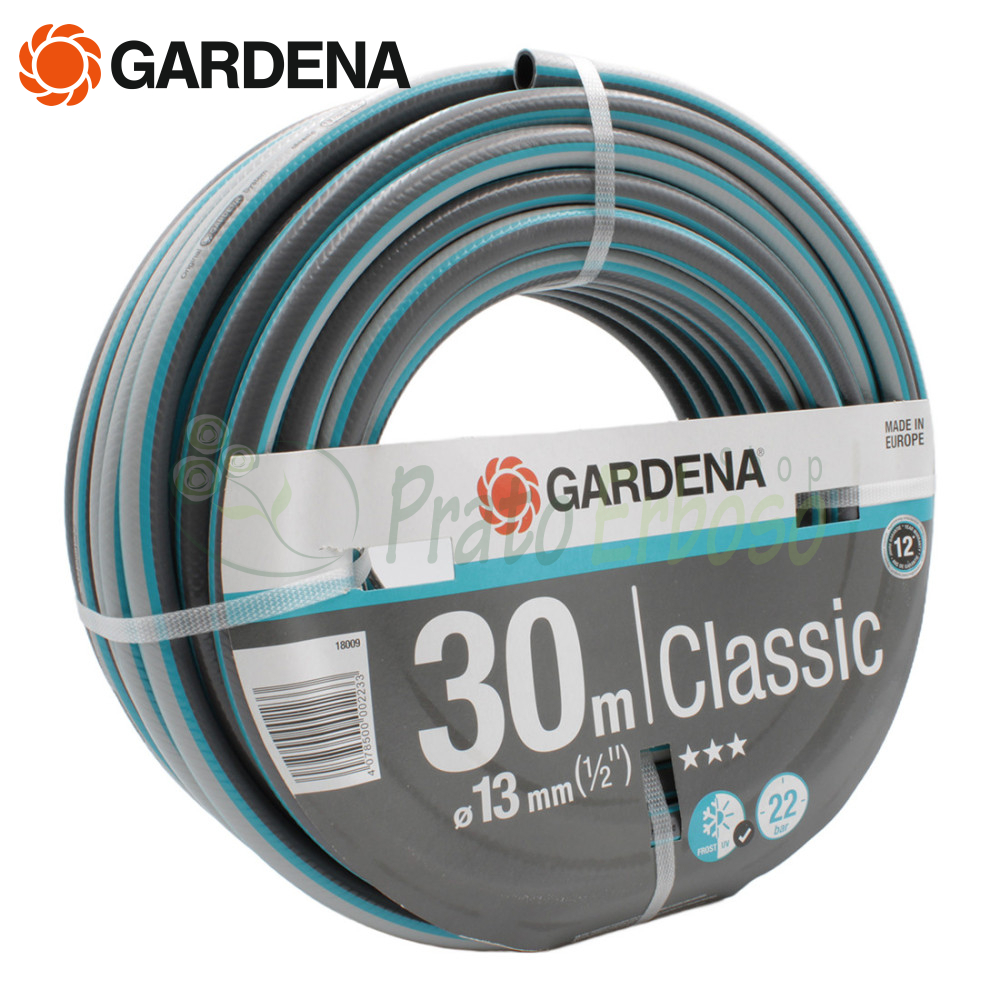
Credit: pratoerboso.com
Garden Hose Basics
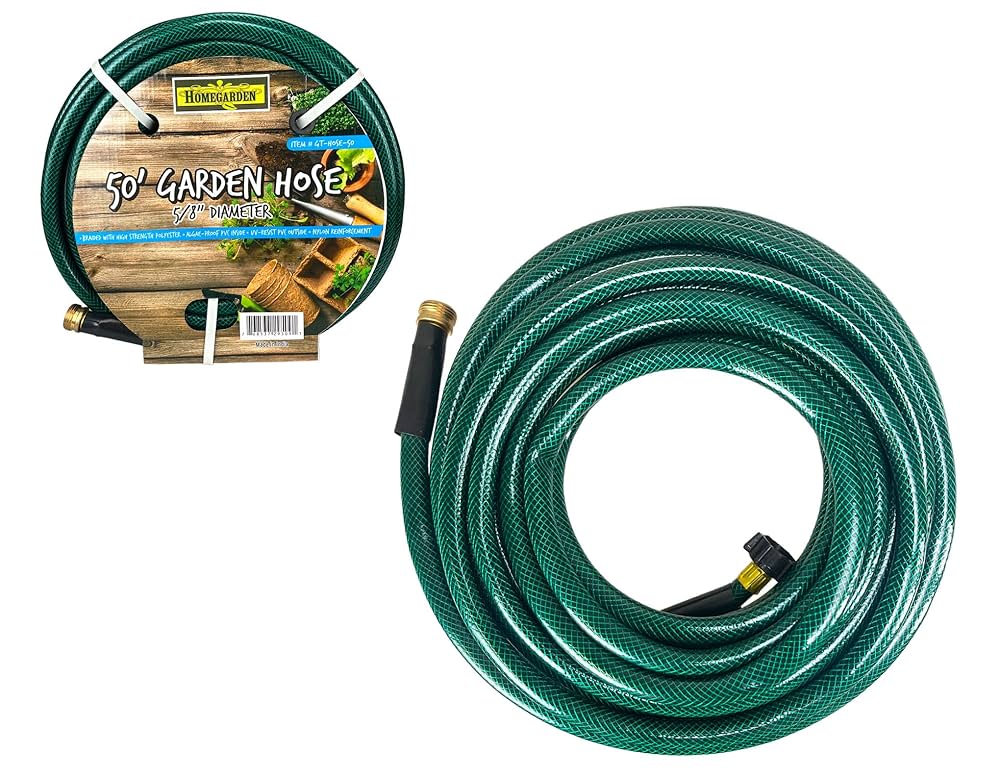
The garden hose is a staple in every gardener’s toolkit. It serves essential functions like watering plants and cleaning outdoor spaces. Understanding its basics can enhance your gardening experience. One key aspect is the diameter. This influences the water flow and pressure.
Understanding Hose Diameter
The diameter of a hose affects water flow. It ranges from 3/8 inch to 1 inch. Smaller diameters offer less water flow but higher pressure. Larger diameters provide more flow but less pressure.
Common Sizes
Most garden hoses have a diameter of 5/8 inch. This size balances water flow and pressure. It’s ideal for most residential gardens. The 1/2 inch hose is lighter and easier to handle. It suits small gardens or limited water needs.
Choosing The Right Diameter
Consider your garden size and water needs. Larger gardens may require a 3/4 inch hose. Smaller gardens might work well with a 1/2 inch hose. Think about the weight and ease of handling.
Impact On Water Flow
A larger diameter increases water flow. This helps in faster watering but reduces pressure. Smaller diameters maintain higher pressure, useful for cleaning tasks.
Hose Length Considerations
Diameter interacts with hose length. Longer hoses lose pressure over distance. A 3/4 inch hose can mitigate this loss better. Short hoses maintain pressure more effectively.
Material And Durability
Hose material affects flexibility and durability. Vinyl hoses are light but less durable. Rubber hoses last longer and handle pressure better.
Importance Of Hose Diameter
Understanding the diameter of a garden hose is crucial for efficient water flow. Larger diameters allow more water to pass through, ideal for large gardens, while smaller ones suit light tasks. Choosing the right diameter ensures effective watering and saves time.
The diameter of a garden hose might seem trivial. But it plays a crucial role in garden maintenance. The right diameter ensures efficient water flow and pressure. It can affect how well plants are watered and how long tasks take. Understanding hose diameter helps in making the best choice for your garden needs.Why Hose Diameter Matters For Water Flow
Hose diameter directly affects water flow rate. A larger diameter allows more water to pass through. This means you can water your garden more quickly. Smaller diameters restrict water flow. This could lead to longer watering times. Choosing the right diameter saves time and effort.Impact On Water Pressure
The diameter of a hose also impacts water pressure. Smaller diameters increase water pressure at the nozzle. This can be useful for cleaning tasks. Larger diameters reduce pressure but increase flow. This is ideal for gentle watering.Considerations For Different Garden Sizes
Your garden size influences the best hose diameter. Large gardens benefit from hoses with larger diameters. They cover more area faster. Small gardens may need less water. A smaller diameter hose might be sufficient and easier to handle.Choosing Based On Hose Length
Hose length and diameter should be balanced. Longer hoses with small diameters may lose pressure. Ensure the diameter supports the hose length. This maintains effective water flow throughout your garden.Material And Durability Concerns
Hose material affects durability and flexibility. Rubber hoses are durable but heavier. Vinyl hoses are lighter but may kink. Choose a material that suits your diameter and use needs.Cost Implications Of Different Diameters
Larger diameter hoses can be more costly. They use more material in construction. Consider budget when choosing a diameter. Balance cost with the benefits of efficient watering.Common Hose Diameters
Garden hoses come in various diameters, each serving specific purposes. Choosing the right diameter ensures your garden’s watering needs are met efficiently. Understanding common hose diameters is crucial for optimal water flow and pressure.
Standard Sizes Explained
Most garden hoses have diameters ranging from 3/8 inch to 1 inch. The 5/8 inch diameter is the most common choice for general gardening. It balances water flow and pressure, making it ideal for average-sized gardens. The 3/4 inch diameter is suitable for larger gardens, offering higher water flow. Smaller diameters like 3/8 inch are often used for lighter tasks or smaller areas.
Factors Influencing Diameter Choice
Several factors determine the right hose diameter for your garden. The size of your garden is a key consideration. Larger gardens need hoses with bigger diameters for efficient watering. Water pressure is another important factor. Lower pressure requires larger diameters to maintain adequate flow. The type of plants in your garden also influences the choice. Delicate plants benefit from a gentle water flow, needing smaller diameters.

Credit: www.diy.com
Impact Of Diameter On Water Flow
The diameter of a garden hose plays a crucial role in water flow. A larger diameter allows more water to pass through, impacting everything from gardening to cleaning tasks. Understanding this concept helps in selecting the right hose for your needs.
Pressure Considerations
A hose with a smaller diameter can increase water pressure. This happens because less space is available for the water to flow. Higher pressure is useful for tasks like washing cars or cleaning driveways. But, too much pressure might damage delicate plants.
Water Volume Implications
Larger diameter hoses allow more water to flow through. This is ideal for filling pools or watering large gardens quickly. More water volume means less time spent waiting. A smaller diameter limits water volume, which might be inadequate for bigger tasks.
Selecting The Right Diameter
Choosing the correct garden hose diameter affects water flow and pressure. Common diameters are 1/2 inch, 5/8 inch, and 3/4 inch. Larger diameters provide more water volume, ideal for larger yards or high-pressure needs.
Selecting the right diameter for your garden hose can significantly impact your gardening experience. The diameter of a hose determines the flow rate, affecting how efficiently water reaches your plants. Choosing wisely ensures you’re not wasting water or time.Gardening Needs Assessment
Understanding your garden’s specific requirements is crucial. If you have a small garden with delicate plants, a hose with a smaller diameter might be sufficient. It provides gentle water pressure, preventing damage to fragile foliage. In contrast, larger gardens or those with thirsty plants might benefit from a wider diameter. This ensures more water flow, saving you from spending hours watering. Reflect on your garden size and plant needs to make an informed choice.Budget And Material Considerations
Budget plays a vital role in your decision. A hose with a larger diameter might be pricier due to the material and design needed to support higher water flow. Consider your budget and balance it with your gardening needs. Material choice also affects cost and durability. Rubber hoses are durable but heavier, while vinyl options are lighter and often cheaper. Think about how often you’ll use the hose and in what conditions to make a smart investment. Have you ever bought a garden tool that didn’t fit your needs? Reflecting on past purchases can guide you in selecting the right hose diameter.Maintaining Optimal Performance
Choosing the right garden hose diameter is essential for maintaining optimal water flow. Standard sizes include 1/2-inch, 5/8-inch, and 3/4-inch. Larger diameters provide increased water flow, ideal for extensive gardens.
Maintaining the optimal performance of your garden hose is crucial. A well-maintained hose ensures efficient water flow and extends its lifespan. Regular care can prevent common issues like leaks and blockages. Here’s how to keep your garden hose in top shape.Proper Storage Tips
Store your garden hose correctly to prevent kinks and damage. After each use, coil the hose neatly. Avoid tight loops that can cause kinks. Choose a shaded area for storage to protect it from sun damage. Use a hose reel if possible. It keeps the hose organized and reduces wear. During winter, store the hose indoors. This prevents freezing and cracking.Regular Maintenance Practices
Inspect the hose for leaks or damage regularly. Check the fittings and replace if worn out. Clean the hose periodically to remove dirt and debris. Flush the hose with water to clear any blockages. Use a mild soap if necessary. Dry the hose completely before storing it. This prevents mold and mildew buildup.Troubleshooting Common Issues
Understanding the diameter of a garden hose helps in choosing the right hose for your needs. Most garden hoses have a standard diameter of 5/8 inch, offering a good balance of water flow and pressure for general gardening tasks.
Troubleshooting common issues with garden hoses can save time and effort. Knowing the diameter of your garden hose is crucial. It influences water flow and pressure. Sometimes, even with the right diameter, problems arise. Understanding these issues helps maintain your garden efficiently.Leakage Problems
Leaks can occur due to various reasons. A worn-out hose or damaged fittings might cause water to escape. Check for visible cracks along the hose. Examine the connections for tightness. Use rubber washers for a better seal. Replace worn-out washers promptly. If the hose is old, consider replacing it altogether.Flow Restrictions
Flow restrictions reduce water pressure. Ensure the hose diameter matches your needs. A narrow hose restricts water flow. Check for kinks or twists in the hose. These can block water movement. Uncoil the hose fully before use. Inspect the nozzle for blockages. Clean or replace clogged nozzles. Ensure the water source is unobstructed. Check for debris in the hose. Flush it to remove any blockages.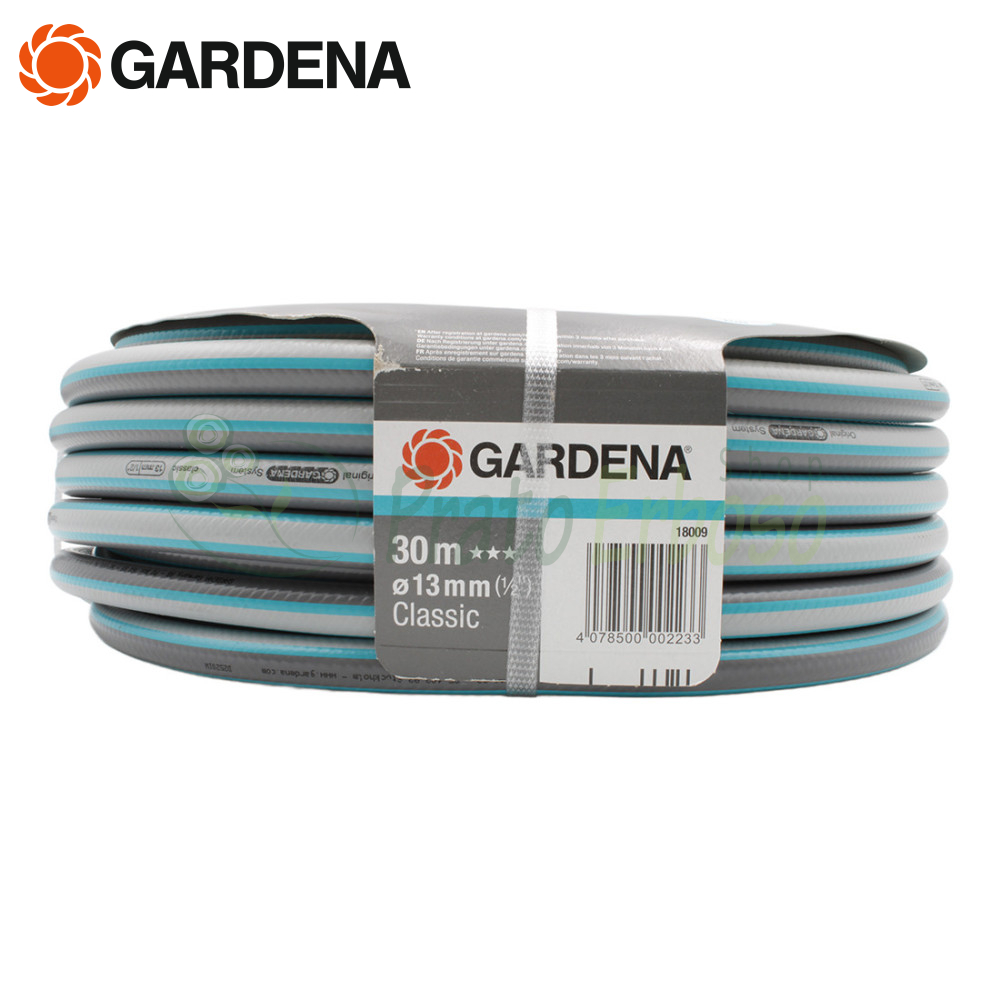
Credit: pratoerboso.com
Frequently Asked Questions
How To Tell If Garden Hose Is 3/4 Or 5/8?
Measure the hose’s diameter using a caliper or ruler. A 3/4 inch hose will have a larger diameter than a 5/8 inch hose. Check for markings or labels indicating size on the hose’s surface. Compare both sizes to ensure accuracy.
What Is A Typical Garden Hose Diameter?
A typical garden hose diameter is 5/8 inch. This size offers a good balance between water flow and flexibility. It’s suitable for most home gardening tasks. Other common sizes include 1/2 inch and 3/4 inch, which cater to specific needs.
Choose based on your water pressure and usage requirements.
Are Garden Hoses 3/4 Or 1/2?
Garden hoses typically come in sizes of 3/4 inch or 1/2 inch diameter. The 3/4 inch hose provides higher water flow, suitable for larger gardens or heavy-duty tasks. The 1/2 inch hose is ideal for smaller gardens and lighter tasks, offering easier handling and storage.
Choose based on your specific gardening needs.
Do All Garden Hoses Have The Same Size Fittings?
Garden hose fittings come in various sizes. The most common size is 3/4-inch in the U. S. Some hoses may have different sizes or custom fittings. Always check the hose and faucet compatibility before purchasing. This ensures a proper connection and prevents leaks.
Conclusion
Choosing the right garden hose diameter matters. It affects water flow and pressure. Larger diameters offer more water flow. Smaller ones provide better pressure. Think about your garden’s needs. A large lawn or vegetable patch might need a bigger hose.
Just a few plants? A smaller diameter could work. Measure your faucet size too. Compatibility is key. The right diameter ensures efficient watering. It saves time and effort. Consider your budget and storage space. Make sure to pick a hose that suits your gardening tasks.
Happy gardening and keep those plants thriving!