Imagine stepping into your backyard and being greeted by a thriving vegetable garden, bursting with vibrant colors and fresh produce. Whether you’re a seasoned gardener or just starting out, designing the perfect layout for your vegetable garden can make all the difference.
But what is the best layout for a vegetable garden? You might be wondering which arrangement will not only maximize your space but also boost your harvest. You’re not alone in this quest. Many gardeners like you are eager to learn how to create a productive and visually appealing garden.
By the end of this article, you’ll discover the secrets to designing a garden that suits your space, meets your needs, and sets you up for success. Let’s dive in and unlock the potential of your garden!
Credit: www.familyhandyman.com
Choosing The Right Location
Choosing the right location for your vegetable garden is crucial for its success. The placement of your garden can significantly impact the quality and quantity of produce you harvest. Before you start planting, consider factors like sunlight, soil quality, and water access to ensure your garden thrives.
Sunlight Requirements
Vegetables love the sun. Most varieties need at least six to eight hours of direct sunlight daily to grow well. Observe your yard throughout the day to identify areas that receive consistent sunlight.
Think about the orientation of your garden. If possible, position it facing south to maximize sun exposure. Remember, shadows from buildings and trees can limit sunlight, so choose a spot with minimal obstructions.
Did you know that insufficient sunlight can lead to leggy plants? They stretch towards the light, sacrificing strength and productivity. Ensure your garden gets ample sunlight to avoid this issue.
Soil Quality Considerations
The quality of your soil is the foundation for a healthy garden. Conduct a simple soil test to check for nutrients and pH levels. It’s easy to find testing kits online or at local garden centers.
Consider adding organic matter like compost to improve soil texture and nutrient content. This enhances drainage and retains moisture, benefiting your plants.
Ever had a plant that just wouldn’t grow? Poor soil could be the culprit. Rich, well-aerated soil is essential for root development and overall plant health.
Water Access And Drainage
Water is life for your vegetable garden. Ensure your garden location has easy access to water sources. Lugging heavy watering cans across the yard is no fun!
Check the drainage of your chosen spot. Poor drainage can lead to waterlogged soil, suffocating plant roots. A simple test is to dig a small hole and fill it with water. If it drains within a few hours, you’re good to go!
Consider installing drip irrigation systems for efficient water use. This not only saves water but also reduces the risk of diseases from wet foliage.
By carefully choosing the right location based on sunlight, soil, and water access, you set the stage for a bountiful harvest. What’s the most challenging part of setting up your garden? Share your thoughts below!
Garden Design Styles
Choosing the best layout for a vegetable garden involves understanding your space and plant needs. Raised beds and row planting offer efficient use of space and ease of access. Maximize sunlight exposure and ensure adequate spacing for healthy plant growth.
Garden design styles shape the way we grow vegetables. Choosing the best layout depends on space, soil, and personal preference. Each design offers unique advantages and challenges. Exploring various styles helps gardeners find the most suitable approach for their garden.Traditional Row Layout
The traditional row layout is popular among gardeners. Rows are straight and organized, allowing easy access to plants. This layout is ideal for larger spaces. It provides room for tools and equipment between rows. Rows make watering and harvesting simple. They suit crops requiring space to spread, like corn or beans.Raised Bed Garden
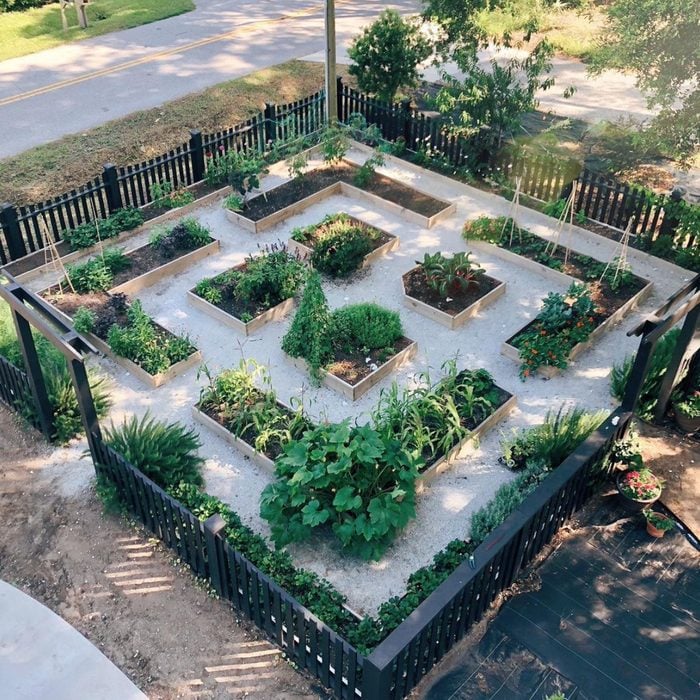
Raised beds elevate gardening to a new level. Beds are built above ground with wood or stone frames. This design improves soil drainage and warmth. Raised beds are perfect for small spaces and urban gardens. They offer better control over soil quality. Plants are less prone to disease and pests. The elevated design reduces strain on the gardener’s back.Square Foot Gardening
Square foot gardening maximizes small spaces efficiently. Beds are divided into square sections, each holding different plants. This method requires less water and soil. It reduces weed growth and increases crop yield. Square foot gardening is ideal for beginners and urban areas. It encourages diverse planting and easy maintenance.Planting Strategies
Designing a vegetable garden requires thoughtful planning. Planting strategies are essential for maximizing space and ensuring healthy growth. These strategies help you to organize plants effectively and boost productivity.
Companion Planting
Companion planting involves growing certain plants together for mutual benefit. Some plants can help repel pests naturally. Others can improve soil health or enhance flavors. Basil and tomatoes make a great pair. Basil can deter insects and improve tomato growth. Beans can enrich the soil with nitrogen. Plant them near corn for a healthy yield. Consider sunflowers as a support for climbing beans. Their tall stems provide natural trellises.
Succession Planting
Succession planting ensures continuous harvest. It involves planting crops in intervals. As one crop finishes, another takes its place. Start with quick-growing vegetables like radishes. Plant lettuce after radishes for ongoing fresh greens. Use this method to keep your garden productive. Plan your planting calendar carefully. Rotate crops to maintain soil health. This helps prevent nutrient depletion.
Vertical Gardening Options
Vertical gardening maximizes space in small areas. Use trellises or vertical planters for this approach. Cucumbers and peas thrive on trellises. They save ground space and grow upwards. Hanging planters can hold herbs or strawberries. This method keeps your garden tidy and organized. Consider wall-mounted planters for added space. Use sturdy materials to support plant weight. Vertical gardening adds dimension to garden layouts.
Maximizing Space Efficiency
Choosing the right layout can boost space efficiency in a vegetable garden. Raised beds allow for better soil control and accessibility. Companion planting makes the most of limited areas by combining plants that benefit each other.
Maximizing space efficiency in your vegetable garden is crucial, especially if you’re working with limited space. Do you ever wonder how you can fit more plants into a tiny area without compromising on growth? The key lies in smart layout strategies. By using innovative techniques, you can make the most of every inch of your garden. Whether you’re cultivating a small balcony garden or a compact backyard plot, these methods will help you achieve a bountiful harvest.Intercropping Techniques
Intercropping involves planting different crops together to maximize space and improve yield. Consider pairing fast-growing plants like radishes with slower-growing ones such as carrots. This way, as the radishes are harvested, the carrots have room to mature. Another great combination is lettuce with taller crops like tomatoes. The lettuce grows quickly and can be harvested before the tomatoes need more space. Experiment with various plant pairings to discover what works best in your garden.Using Containers And Pots
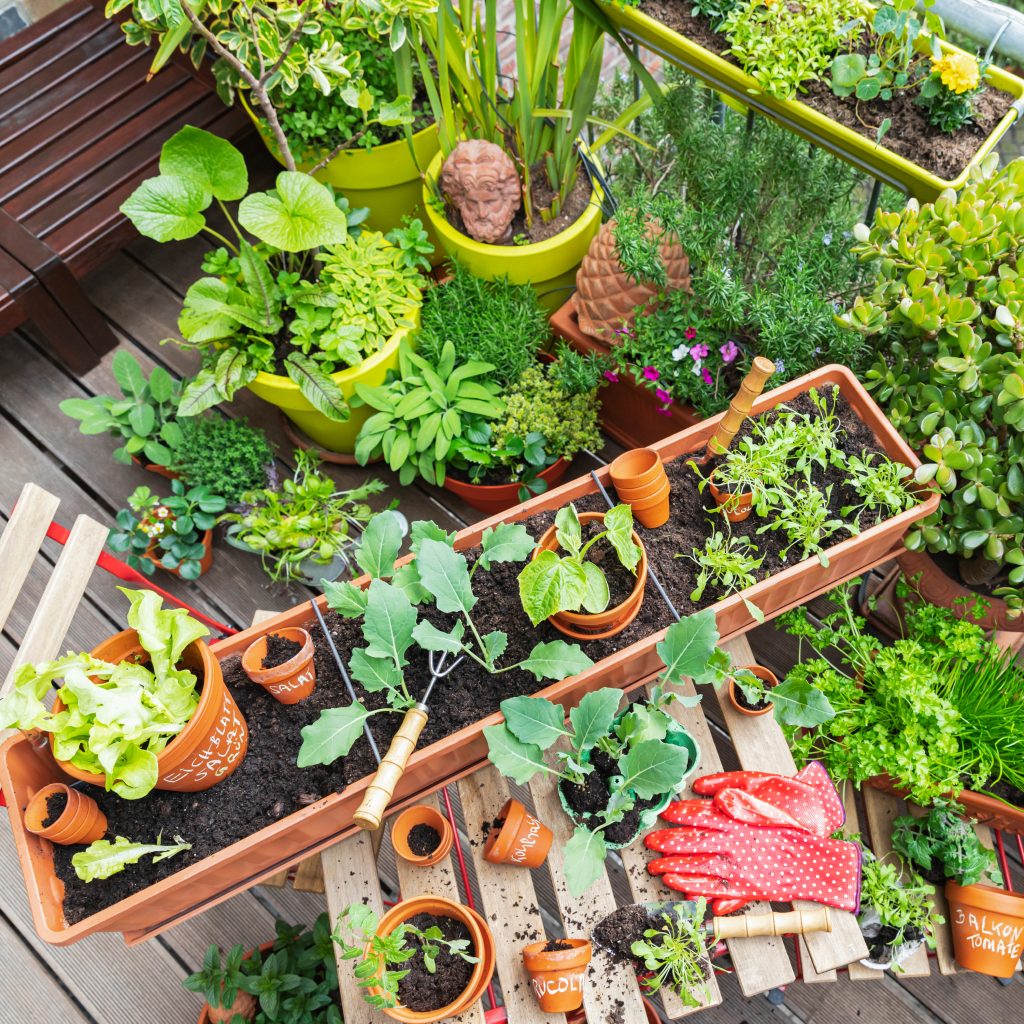
Containers and pots are versatile tools for maximizing space efficiency in small gardens. They allow you to grow vegetables even if you don’t have a large plot of land. Place pots on patios, balconies, or any unused corners to create a lush garden oasis. Opt for vertical stacking or tiered arrangements to increase planting space without taking up more ground area. You can grow herbs and smaller vegetables in hanging pots or window boxes, making use of every available surface.Espalier And Trellising
Espalier and trellising are excellent methods for training plants to grow vertically, saving ground space for other crops. If you have fences or walls, train fruit trees or vine plants to grow flat against them. This technique not only saves space but also adds an aesthetic element to your garden. Trellising is ideal for climbing vegetables like cucumbers and beans. Use sturdy structures to support these plants, allowing them to reach upward rather than spread out. You’ll be amazed at how much more you can grow when you think vertically!Seasonal Considerations
Choosing the best layout for a vegetable garden involves considering seasonal factors like sunlight and temperature. Aligning rows north to south maximizes sun exposure, while planting taller crops on the north side prevents shading smaller plants. This thoughtful arrangement ensures optimal growth and harvest.
Planning your vegetable garden layout requires thoughtful consideration of the seasons. Each season brings unique challenges and opportunities for your garden. By aligning your layout with the seasonal changes, you can maximize your harvest and enjoy fresh produce year-round.Spring And Summer Planning
Spring is the perfect time to start fresh. Consider planting cool-season crops like lettuce, spinach, and peas, which thrive in the early months. As the weather warms, transition to summer favorites such as tomatoes, peppers, and cucumbers. Think about sun exposure. Most vegetables need at least six to eight hours of sunlight. Arrange taller plants like sunflowers or corn on the north side to avoid shading shorter plants. Use companion planting to your advantage. For instance, marigolds can deter pests naturally when planted alongside vegetables. This not only improves plant health but also boosts your garden’s aesthetic appeal.Fall And Winter Preparations
Fall is the season for root vegetables and hardy greens. Carrots, beets, and kale are excellent choices as they can withstand cooler temperatures. Consider sowing seeds for these crops towards the end of summer for a bountiful fall harvest. Think about soil health. Use this time to enrich your soil with compost or organic matter. This ensures your garden is ready for the next planting season. Winter doesn’t have to mean the end of your gardening efforts. Use cold frames or row covers to protect plants from frost. You can also plant garlic or shallots, which overwinter well and can be harvested in spring. How does your garden change with the seasons? By adapting your layout for each season, you ensure a productive garden throughout the year.
Credit: www.instagram.com
Common Mistakes To Avoid
Planting vegetables too close together can hinder growth. Ignoring sunlight needs may affect plant health. Ensure proper drainage to avoid waterlogging.
Common mistakes can turn a promising vegetable garden into a disappointment. Knowing what to avoid is as important as knowing what to do. Here are some common errors and how to steer clear of them.Overcrowding Plants
Overcrowding plants is a frequent mistake. It restricts growth and air circulation. Each plant needs space to flourish. Check seed packets for spacing guidelines. Proper spacing prevents competition for nutrients. It also reduces the risk of disease spread.Ignoring Soil Health
Healthy soil is the foundation of a thriving garden. Many ignore soil quality and end up with poor yields. Test your soil before planting. Ensure it has the right pH and nutrients. Add compost to enrich the soil. This boosts plant growth and yield.Neglecting Pest Control
Pests can destroy your hard work overnight. Some gardeners neglect pest control, hoping for the best. Regularly check plants for signs of pests. Use natural remedies like neem oil. Encourage beneficial insects like ladybugs. They help keep harmful pests in check.Expert Tips For Success
Creating the perfect layout for your vegetable garden is not just about aesthetics; it’s about maximizing growth and ensuring a bountiful harvest. Expert tips can make the difference between a thriving garden and a struggling one. Have you ever wondered how small tweaks in gardening practices can lead to massive improvements? Let’s dive into some actionable insights.
Soil Amendment Advice
To set the stage for a successful garden, start with enhancing your soil. Healthy soil is the cornerstone of vibrant vegetable growth. Consider conducting a soil test to identify deficiencies. Adding organic matter like compost or well-rotted manure can improve soil structure and fertility. It’s often surprising how a small amount of lime or gypsum can adjust pH levels for optimal plant absorption.
Irrigation Techniques
Watering is more than just turning on the hose. Efficient irrigation techniques can conserve water and boost plant health. Drip irrigation is a game-changer, delivering water directly to the root zone. This method minimizes evaporation and reduces the risk of fungal diseases. Do you find it challenging to water evenly? Soaker hoses provide a simple solution, spreading moisture uniformly across your garden.
Mulching Benefits
Mulching offers multiple benefits that can transform your garden’s productivity. It retains moisture, suppresses weeds, and regulates soil temperature. Organic mulches, like straw or wood chips, enrich soil as they decompose. Ever notice how mulch can prevent soil compaction after rain? By protecting the soil surface, mulch promotes better water infiltration and root growth.

Credit: www.rasnetwork.org
Frequently Asked Questions
What Is The Most Efficient Vegetable Garden Layout?
An efficient vegetable garden layout includes raised beds, optimizing sunlight, spacing plants wisely, and using companion planting. Ensure paths allow easy access for maintenance. Implement drip irrigation systems to save water. Rotate crops annually to maintain soil health. This layout maximizes space, boosts productivity, and minimizes labor.
Which Vegetables Should Not Be Planted Next To Each Other?
Avoid planting onions next to beans and peas. Keep garlic away from asparagus and beans. Separate carrots and dill. Don’t plant potatoes with tomatoes. Cabbage and strawberries should not be together.
How Do I Know How Do I Arrange My Veggie Plants?
Arrange veggie plants based on sunlight needs, height, and companion planting. Group taller plants to avoid shading shorter ones. Check plant compatibility to boost growth. Ensure easy access for watering and harvesting. Consider rotating crops annually to maintain soil health and prevent pests.
Which Vegetables Grow Well Together Chart?
Tomatoes grow well with basil and carrots. Lettuce pairs nicely with radishes and carrots. Beans thrive alongside corn and squash. Cucumbers grow well with beans and peas. Peppers pair well with onions and spinach. Planting these combinations enhances growth and deters pests.
Conclusion
Choosing the best layout for a vegetable garden boosts growth. Consider space, sunlight, and soil quality when planning. Raised beds offer easy access and better drainage. Rows can maximize your garden space efficiently. Circular designs are creative, adding beauty to the garden.
Companion planting is vital; it helps deter pests naturally. Don’t forget to rotate crops for healthier soil. A well-planned layout can make gardening enjoyable and productive. Experiment with different designs. Find what works best for you. Every garden is unique, reflecting personal style and needs.
Happy gardening and enjoy your harvest!


