Imagine stepping into your vegetable garden and seeing it flourish with vibrant greens and colorful produce. The secret ingredient?
The right mulch. Choosing the best mulch for your vegetable garden can make all the difference. It’s not just about aesthetics; it’s about nurturing your plants for a bountiful harvest. You might wonder, “What is good mulch for a vegetable garden?
” And how can it transform your gardening experience? In this guide, we’ll explore the options that promise to enrich your soil, retain moisture, and keep those pesky weeds at bay. Get ready to discover how the perfect mulch could be the game-changer your garden needs. Keep reading to unlock the potential of your vegetable paradise.

Credit: www.rasnetwork.org
Benefits Of Mulching In Vegetable Gardens
Selecting the right mulch enhances vegetable garden health. Organic options like straw, grass clippings, or shredded leaves enrich soil and conserve moisture. They also suppress weeds and regulate soil temperature, benefiting plant growth.
Mulching offers numerous benefits for vegetable gardens. It acts as a protective layer over soil, helping plants thrive. This simple practice can transform your garden’s productivity and health.Reduce Weed Growth
Mulch suppresses weed growth effectively. It blocks sunlight, preventing weeds from sprouting. Less competition means your vegetables get more nutrients and space.Retain Soil Moisture
Mulch helps soil retain moisture. It reduces evaporation, keeping soil damp longer. Your plants need less frequent watering, saving time and resources.Improve Soil Health
Organic mulch breaks down over time. It enriches the soil with nutrients. This boosts plant growth and improves harvest quality.Regulate Soil Temperature
Mulch acts as an insulator. It keeps soil warmer in cold months and cooler in hot months. This temperature regulation helps plants grow steadily.Prevent Soil Erosion
Mulch reduces soil erosion. It keeps the soil in place during heavy rains. This maintains garden structure and protects plant roots.Enhance Garden Aesthetics
Mulch makes gardens visually appealing. It creates a neat, uniform look. This enhances the overall beauty of your vegetable garden.
Credit: www.youtube.com
Types Of Mulch For Vegetable Gardens
Choosing the right mulch for your vegetable garden can greatly impact your plants’ health and productivity. The type of mulch you select influences moisture retention, temperature regulation, and weed control. Let’s explore some popular mulch options that can help you create a flourishing vegetable garden.
Organic Mulch Options
Organic mulches are favored for their ability to enhance soil fertility as they decompose. Here are a few options to consider:
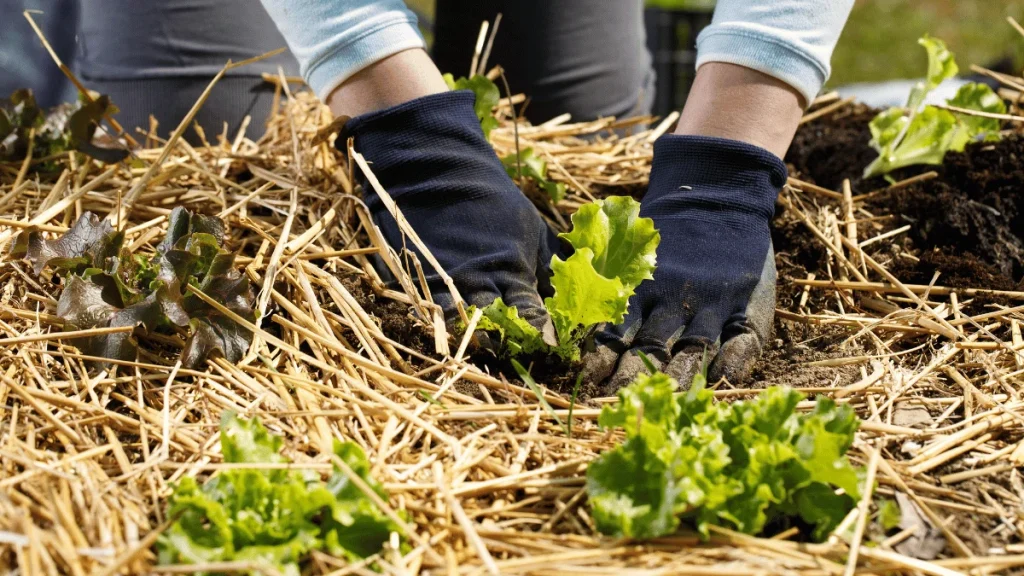
- Straw:A popular choice for vegetable gardens, straw helps keep the soil moist and suppresses weeds. It breaks down relatively quickly, adding organic matter to the soil.
- Grass Clippings:Fresh or dried, grass clippings provide nutrients and help retain moisture. Be cautious with fresh clippings as they can mat and prevent water penetration.
- Compost:This rich organic matter is excellent for mulching. It not only improves soil structure but also provides essential nutrients to your plants.
- Wood Chips:While often used for paths, wood chips can be a great mulch option, especially in perennial beds. They decompose slowly, adding long-term nutrients.
Inorganic Mulch Choices
Inorganic mulches don’t decompose, making them a durable choice for moisture and weed control. Consider these options:
- Plastic Sheeting:Black plastic sheeting effectively suppresses weeds and warms the soil, which can be beneficial for heat-loving vegetables like tomatoes and peppers.
- Landscape Fabric:This breathable option allows water and air to pass through while preventing weed growth. It’s ideal for long-term use without altering soil composition.
- Gravel or Pebbles:These materials provide excellent drainage and are often used in herb gardens. They also help retain heat, which might be beneficial in cooler climates.
What kind of mulch have you found most effective in your garden? Share your experiences and let’s learn together!
Choosing The Right Mulch
Choosing the right mulch for your vegetable garden is essential for healthy growth. Mulch provides numerous benefits like moisture retention, weed control, and temperature regulation. Selecting the appropriate type involves understanding your garden’s specific needs. Consider factors like climate, soil type, and mulch compatibility to make an informed choice.
Climate Considerations
Climate plays a crucial role in mulch selection. In warmer regions, organic mulches like straw or wood chips help cool the soil. They prevent excessive evaporation and keep roots hydrated. In cooler climates, black plastic mulch can warm the soil, encouraging faster plant growth. Assess your local weather patterns for the best mulch choice.
Soil Type And Mulch Compatibility
Soil type affects mulch effectiveness. Sandy soils benefit from organic mulches that improve moisture retention. Clay soils require mulches that aid drainage, like bark chips. Ensure the mulch you choose complements your soil’s properties. Compatibility between mulch and soil enhances nutrient absorption and promotes plant health.
Best Practices For Applying Mulch
Mulching is essential for a thriving vegetable garden. It retains moisture, reduces weed growth, and enriches soil. Applying mulch correctly maximizes these benefits. Here are some best practices for applying mulch effectively.
Preparing The Garden Bed
Clean the garden bed before adding mulch. Remove weeds, rocks, and debris. Ensure the soil is damp but not soaked. This helps mulch retain moisture better. Level the soil for uniform mulch coverage. Use a rake to smoothen the surface.
Application Techniques
Apply mulch evenly across the bed. Aim for a layer about 2 to 3 inches thick. Avoid piling mulch too high against plant stems. Leave a gap around the base to prevent rot. Spread mulch gently to avoid damaging young plants.
Common Mistakes To Avoid
Choosing mulch for a vegetable garden requires avoiding common mistakes. Use organic materials like straw or wood chips, not inorganic options like stones. Ensure mulch thickness is adequate for moisture retention but not excessive, which can suffocate plants.
Common mistakes can derail your vegetable garden’s success. Understanding these errors helps maintain a healthy garden. Let’s explore common pitfalls.Over-mulching Issues
Too much mulch can suffocate plants. It blocks air and water from reaching roots. Thick layers retain excess moisture, causing root rot. Keep mulch layers 2-3 inches deep. This allows proper air circulation. Excess mulch invites pests. Rodents and insects find shelter in thick layers. Keep mulch away from plant stems. This reduces pest problems.Mulch Selection Errors
Choosing the wrong mulch affects plant growth. Some mulches, like pine needles, lower soil pH. This affects plant nutrient uptake. Use mulches that match plant needs. Fresh wood chips can harm plants. They deplete soil nitrogen as they decompose. Let wood chips age before use. Avoid colored mulches. They may contain harmful chemicals. Select natural, organic options for safety.Seasonal Mulching Tips
Mulching is more than just a gardening chore; it’s a year-round strategy to ensure your vegetable garden thrives. Seasonal mulching tips can help you make smart choices about which mulch to use and when. Adapting your mulching habits to the season can significantly impact the health and productivity of your garden. So, how do you choose the right mulch for each season?
Spring And Summer Mulching
As temperatures rise, your plants need protection from the scorching sun. Summer mulching helps retain moisture and keeps the soil cool, essential for healthy vegetable growth. Straw is an excellent choice for spring and summer because it’s lightweight and allows air circulation.
Using grass clippings also proves beneficial. They not only conserve moisture but also enrich the soil with nitrogen as they decompose. Have you ever tried using shredded leaves? They are readily available and offer fantastic nutrient content.
- Straw: Lightweight and airy, ideal for moisture retention.
- Grass Clippings: Rich in nitrogen, perfect for nourishing the soil.
- Shredded Leaves: Easily accessible and nutrient-rich.
Fall And Winter Mulching
As the colder months approach, think of mulch as a warm blanket for your garden. Fall mulching is crucial to shield the soil from harsh weather conditions. Wood chips and bark mulch are excellent for insulating your vegetable beds during this time.
Consider using hay or compost to add organic matter to the soil. They not only protect but also enrich the soil, preparing it for spring planting. Have you thought about using pine needles? They’re acidic and can be beneficial for certain vegetables.
- Wood Chips: Great for insulation and long-lasting protection.
- Bark Mulch: Offers excellent coverage against harsh weather.
- Hay or Compost: Ideal for enriching soil during the winter.
- Pine Needles: Acidic, suitable for specific vegetables.
Sustainable Mulching Practices
Sustainable mulching practices play a vital role in vegetable gardening. They help retain soil moisture, suppress weeds, and improve soil health. Choosing eco-friendly mulch materials ensures a positive impact on the environment. Reusing mulch reduces waste and conserves resources. Implementing these practices enhances productivity while caring for our planet.
Eco-friendly Mulch Materials
Natural mulches are great for vegetable gardens. Straw, grass clippings, and leaves are excellent choices. They decompose, enriching the soil and feeding your plants. Wood chips are also beneficial. They reduce soil erosion and maintain soil temperature. Organic mulches keep the garden healthy and sustainable.
Recycling And Reusing Mulch
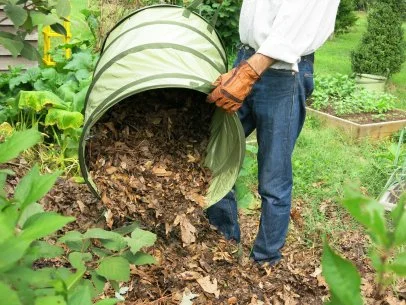
Reuse mulch from previous seasons to save resources. Collect fallen leaves for mulch. They provide nutrients and improve soil texture. Grass clippings from mowing can be spread over the garden. They add nitrogen and help retain moisture. Composting old mulch creates nutrient-rich soil amendments. This practice reduces waste and enhances garden fertility.
Credit: www.hgtv.com
Expert Recommendations
Choosing the right mulch for a vegetable garden boosts plant health. Organic options like straw, grass clippings, or shredded leaves enrich the soil. These materials retain moisture, suppress weeds, and gradually decompose, nourishing plants.
When choosing the right mulch for your vegetable garden, expert recommendations can provide clarity and confidence in your decision-making. Professionals often offer tested and practical advice that ensures your garden thrives. Let’s explore some insights and strategies from the experts that can help enhance your vegetable-growing experience.Insights From Professional Gardeners
Professional gardeners emphasize the importance of selecting mulch based on your specific garden conditions. For example, straw is a favorite due to its availability and effectiveness in suppressing weeds while adding organic matter to the soil. I once used straw in my garden, and not only did it keep weeds at bay, but it also improved soil texture over time. Wood chips, another popular choice, are recommended for their long-lasting nature and ability to maintain soil moisture. However, they can be slow to break down, so it’s essential to use them in the right places, like pathways or around perennial vegetables. Have you tried experimenting with different mulch types to see which suits your garden best?Research-based Mulching Strategies
Research suggests that organic mulches like grass clippings and shredded leaves are excellent for vegetable gardens. They decompose relatively quickly, enriching the soil with nutrients. Plus, they’re usually free and readily available, making them a budget-friendly option for many gardeners. Using black plastic mulch is another strategy backed by research, particularly effective in warming the soil for heat-loving vegetables like tomatoes and peppers. However, it can hinder water penetration, so consider using drip irrigation beneath it. Are you willing to balance these benefits and drawbacks to maximize your garden’s potential? By considering these professional insights and research-based strategies, you can select the mulch that best suits your garden’s unique needs. This choice will not only enhance your vegetable production but also create a healthier garden ecosystem.Frequently Asked Questions
What Type Of Mulch Should I Use In My Vegetable Garden?
Use straw, grass clippings, or shredded leaves for vegetable garden mulch. They conserve moisture, suppress weeds, and enrich soil. Organic options are best for nutrient-rich gardens. Avoid using colored or rubber mulch, as they might harm plants. Regularly replenish mulch to maintain effectiveness.
Ensure mulch doesn’t touch plant stems.
What Is The Best Mulch For Tomatoes And Vegetables?
Straw, shredded leaves, and grass clippings are ideal mulches for tomatoes and vegetables. These organic options retain moisture, suppress weeds, and enrich soil. Apply a 2-3 inch layer around plants, keeping mulch away from stems to prevent rot. Consider your local climate and soil type for the best results.
Is Bagged Mulch Safe For Vegetable Gardens?
Bagged mulch is generally safe for vegetable gardens. Choose organic mulch free from harmful chemicals. Ensure the mulch is well-composted to avoid nitrogen depletion. Spread mulch evenly to retain moisture and prevent weeds. Always check the label for any additives that might affect plants.
What Is The Healthiest Mulch To Use?
Organic mulches like shredded bark, straw, or wood chips are the healthiest options. They improve soil health and retain moisture. These mulches decompose over time, enriching the soil with nutrients. Avoid dyed or chemically treated mulches for a safer and more eco-friendly choice.
Conclusion
Choosing the right mulch boosts vegetable garden health. Straw, grass clippings, and wood chips are great choices. They keep soil moist and protect roots from heat. Organic mulches enrich soil as they decompose, feeding plants naturally. Mulching reduces weeds, saving time and effort.
Experiment with different options to find what works best for you. Every garden is unique, so observe what your plants prefer. With good mulch, your vegetable garden can thrive and produce a bountiful harvest. Remember, nurturing your garden with care makes all the difference.
Happy gardening!