
Have you ever wondered what makes your garden thrive? The secret might be right under your feet.
Garden soil is more than just dirt; it’s the lifeblood of your plants. Understanding what garden soil is good for can transform your gardening experience, turning your outdoor space into a lush paradise. Imagine vibrant flowers, bountiful vegetables, and healthy trees—all thanks to the power of great soil.
You’ll discover how garden soil boosts plant growth, enhances nutrient absorption, and improves water retention. Dive into the wonders of garden soil, and unlock the potential of your garden with insights that are both practical and fascinating. Ready to uncover the secrets? Let’s dig deep into what makes garden soil your garden’s best friend.
Benefits Of Garden Soil
Garden soil enriches plants by providing essential nutrients and promoting root growth. It improves water retention and drainage. Healthy garden soil encourages beneficial microorganisms, supporting robust plant health and vitality.
Garden soil is the foundation of a thriving garden, offering countless benefits that help your plants flourish. By understanding these advantages, you can optimize your gardening practices and create an environment that nurtures growth. Whether you’re a beginner or an experienced gardener, knowing the benefits of garden soil can transform your gardening experience.Rich In Nutrients
Garden soil is packed with essential nutrients that plants need for healthy growth. It contains natural elements like nitrogen, phosphorus, and potassium. These nutrients support strong root development and vibrant foliage. Regularly adding compost can enhance the nutrient content, giving your plants an extra boost.Improved Drainage
Good garden soil allows water to drain efficiently, preventing waterlogged roots. This is crucial because excess water can lead to root rot and stunted growth. You can test your soil’s drainage by observing how quickly water disappears after watering. If needed, mixing sand or gravel can improve drainage properties.Enhanced Aeration
Proper aeration is vital for root health. Garden soil that is well-aerated allows roots to breathe, leading to robust plant growth. You can maintain good aeration by regularly turning the soil. This simple task can significantly impact plant vitality, ensuring they receive the oxygen they need.Natural Pest Control
Healthy garden soil can reduce the presence of harmful pests. It fosters beneficial microorganisms and insects that keep pests in check. You might notice fewer aphids or snails when your soil is balanced. Encouraging these natural allies can minimize your need for chemical pesticides.Temperature Regulation
Garden soil acts as an insulator, helping to regulate temperature. This keeps plant roots cool in summer and warm in winter. Mulching can further enhance this benefit. It retains moisture and provides an additional layer of protection against temperature extremes.Support For Plant Structure
Garden soil provides essential support for plant stems and roots. It anchors them securely, allowing them to grow upright. If your plants are leaning or falling over, checking soil structure might offer solutions. Adjusting soil composition can help stabilize your plants. Consider the last time you felt a sense of accomplishment in your garden. Was it after seeing your plants thrive? Understanding these benefits can give you that feeling again. What small change will you make to your soil today to see a big impact tomorrow?Nutrient-rich Composition
Garden soil’s nutrient-rich composition is key to healthy plant growth. It supports the development of robust roots and vibrant foliage. Let’s explore the essential components that make garden soil so beneficial.
Essential Minerals
Garden soil is packed with vital minerals. These include nitrogen, phosphorus, and potassium. Each plays a crucial role in plant health. Nitrogen promotes leafy growth. Phosphorus supports strong root systems. Potassium enhances flower and fruit production. Together, these minerals create a balanced environment for plants.
Organic Matter
Organic matter is another crucial element in garden soil. It consists of decomposed plant and animal materials. This component improves soil structure. It increases water retention and aeration. Organic matter also supplies nutrients slowly over time. This steady supply ensures plants have what they need for sustained growth. It encourages beneficial soil microbes as well. These microbes help break down nutrients, making them easier for plants to absorb.
Improved Drainage And Aeration
Improved drainage and aeration make garden soil ideal for healthy plant growth. It prevents waterlogging, ensuring roots receive oxygen. This balance supports plant roots and promotes robust development.
Garden soil plays a crucial role in enhancing drainage and aeration. These elements are vital for healthy plant growth. Proper drainage prevents water from pooling around plant roots. Aeration allows air to circulate through the soil, benefiting plant roots. Both are essential for lush gardens and robust plant life.Soil Texture
Soil texture refers to the mixture of sand, silt, and clay. This balance affects how well water drains from the soil. Sandy soil drains quickly but holds less water. Clay soil retains water but drains poorly. The ideal soil texture is a mix that allows water to pass through while retaining moisture. This balance helps roots access necessary nutrients.Air Flow
Air flow within garden soil is vital for plant health. Air pockets in soil enable roots to breathe and absorb oxygen. Compact soil restricts air flow, leading to unhealthy plants. Loose soil promotes air circulation, ensuring roots receive ample oxygen. Aeration supports root growth and helps prevent diseases.Enhanced Root Growth
Garden soil nurtures plants by improving root growth. Nutrients and organic matter promote healthy roots, ensuring strong plant development. Enhanced root systems lead to better water and nutrient absorption.
Garden soil plays a vital role in supporting plant health. It provides essential nutrients and a nurturing environment for plants to thrive. One of its key benefits is enhancing root growth, which is crucial for strong and healthy plants.Root Development
Healthy roots are the foundation of any plant. Garden soil is rich in nutrients, helping roots absorb the necessary elements for growth. It maintains a balance of air and moisture, which is essential for root respiration. This balance prevents root rot and promotes vigorous root development. Roots spread out easily in garden soil, accessing nutrients and water efficiently.Stability For Plants
Garden soil provides stability, anchoring plants firmly. It supports the plant structure, preventing it from toppling over in strong winds. The soil’s texture ensures roots grip the ground effectively. This stability is vital for plants to grow upright and maintain their structure. It also reduces stress on the plant, allowing it to focus energy on growth and flowering.Water Retention Capabilities
Garden soil excels in water retention, making it ideal for plant growth. It holds moisture effectively, ensuring plants receive adequate hydration.
Garden soil plays a vital role in water retention. It helps balance moisture levels, ensuring plants thrive. This quality is essential for maintaining healthy roots and overall plant health. Let’s explore how garden soil’s water retention abilities contribute to moisture balance and drought resistance.Moisture Balance
Garden soil helps maintain moisture balance. It absorbs and holds water, which keeps plants hydrated. This ensures roots get the right amount of water. Not too much, not too little. Proper moisture levels promote healthy plant growth. It also reduces the need for frequent watering.Drought Resistance
Garden soil enhances drought resistance. It retains water longer, even in dry conditions. This means plants can survive periods without rain. Soil with good water retention provides a buffer. It helps protect plants from wilting during dry spells. This quality is crucial in areas with irregular rainfall.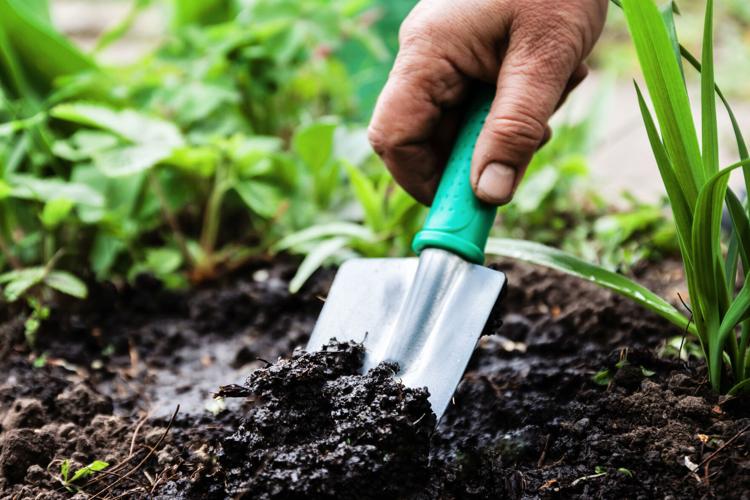
Credit: www.themountaineer.com
Support For Microbial Activity
Garden soil enhances microbial activity, fostering healthy ecosystems in your garden. Microbes break down organic matter, enriching soil nutrients. This promotes robust plant growth and improved soil structure.
Garden soil is more than just dirt. It’s a living ecosystem that supports plant growth. One of its key roles is enhancing microbial activity. Microbes in soil create a thriving environment for plants. They break down organic matter and help roots absorb nutrients. This biological activity improves soil health and fertility.Beneficial Bacteria
Beneficial bacteria play a crucial role in garden soil. These microorganisms decompose organic material. They release nutrients that plants need. Bacteria also help fix nitrogen, a vital nutrient. This process makes nitrogen available for plants. Healthy soil teems with these helpful bacteria.Fungal Networks
Fungal networks, or mycorrhizae, connect plant roots. These networks extend the root system’s reach. They help plants access water and nutrients. Fungi also protect roots from disease. They form a symbiotic relationship with plants. This partnership enhances plant growth and resilience. Garden soil’s support for microbial life is essential. It boosts plant health and productivity. By nurturing these tiny organisms, we create a sustainable garden ecosystem.Customization For Plant Needs
Garden soil is essential for plant growth. Each plant has unique needs. Customizing soil can improve plant health and yield. Understanding how to adjust soil for specific plants is crucial. This involves adding the right nutrients and amendments. Let’s explore how to tailor garden soil for your plants.
Soil Amendments
Soil amendments enhance soil quality. They improve drainage, aeration, and nutrient retention. Organic matter like compost boosts soil structure. It helps retain moisture and nutrients. Sandy soil benefits from clay. Clay increases water retention. Acidic soil may need lime. Lime balances pH levels. Choose amendments based on your plant’s needs.
Tailored Nutrients
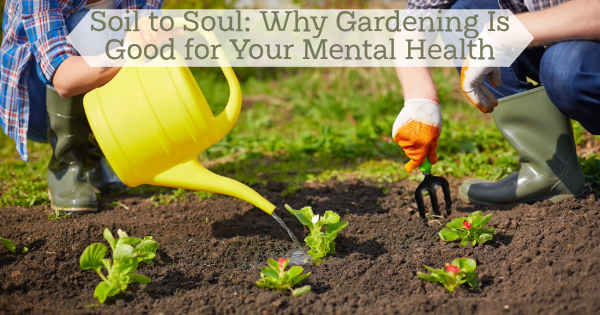
Plants require specific nutrients for growth. Nitrogen supports leafy growth. Phosphorus aids root development. Potassium strengthens stems and flowers. Some plants need more calcium or magnesium. Analyze your soil before adding nutrients. Soil tests reveal nutrient deficiencies. Use fertilizers to supply missing nutrients. Follow package instructions for best results.
Credit: schwartzgreenhouse.com
Sustainable Gardening Practices
Garden soil enriches plant growth by providing essential nutrients and retaining moisture. It supports healthy root development and improves drainage. Sustainable gardening practices ensure this soil remains fertile and balanced, promoting a thriving garden ecosystem.
Sustainable gardening practices are essential for a thriving, eco-friendly garden. These practices help conserve resources and protect the environment. Garden soil plays a crucial role in sustainable gardening. It nurtures plants while minimizing waste and chemical use. Let’s explore how garden soil contributes to sustainability through composting and reducing chemicals.Composting Benefits
Composting transforms organic waste into nutrient-rich soil. This process reduces landfill waste. It also enriches garden soil with essential nutrients. Composting improves soil structure, promoting better water retention. This means less watering is needed. Healthy soil supports strong plant growth. It also attracts beneficial organisms like earthworms. These organisms further improve soil health.Reducing Chemical Use
Garden soil supports reducing the use of chemicals. Healthy soil provides natural plant nutrients. This means fewer artificial fertilizers are needed. Using fewer chemicals protects beneficial insects and organisms. It also reduces pollution in water sources. Healthy soil can also suppress plant diseases. This leads to a reduced need for chemical pesticides. Sustainable soil management ensures a thriving garden. It promotes a balanced, natural ecosystem.Common Misconceptions
Garden soil is often misunderstood. Many believe it’s just dirt, but it’s vital for plant health. It provides nutrients, supports root growth, and maintains moisture for thriving gardens.
Understanding the role of garden soil can be confusing with so many myths and misconceptions floating around. It’s not just about the soil you choose; it’s also about understanding its true purpose. By debunking these common misconceptions, you can make more informed decisions for your garden and see your plants thrive.Soil Vs. Dirt
Many people often use ‘soil’ and ‘dirt’ interchangeably, but they are not the same. Soil is a living, breathing ecosystem that supports plant life, rich with nutrients and microorganisms. Dirt, on the other hand, is what you sweep off your floor—a lifeless substance that lacks the richness needed for plant growth. Imagine trying to grow a beautiful rose in dirt; it simply won’t work. Soil provides structure, water retention, and aeration, which are critical for healthy plant roots. Next time you’re tempted to call soil ‘dirt’, remember it’s the foundation of your garden’s success.Fertilizers Vs. Soil
There’s a common belief that fertilizers can replace the need for quality soil. This is far from true. Fertilizers can provide nutrients, but they can’t fix poor soil structure or its drainage problems. Think of fertilizers as vitamins for your plants. They supplement the nutrients, but they don’t replace the balanced diet that quality soil provides. If your soil is compacted or lacking in organic matter, fertilizers alone won’t lead to healthy plants. Does your garden struggle despite regular fertilization? Perhaps it’s time to focus on improving the soil itself. Adding organic matter, such as compost, can enhance soil health and create a thriving environment for your plants. By recognizing these misconceptions, you’re better equipped to nurture a garden that flourishes. What changes will you make to your gardening practices today?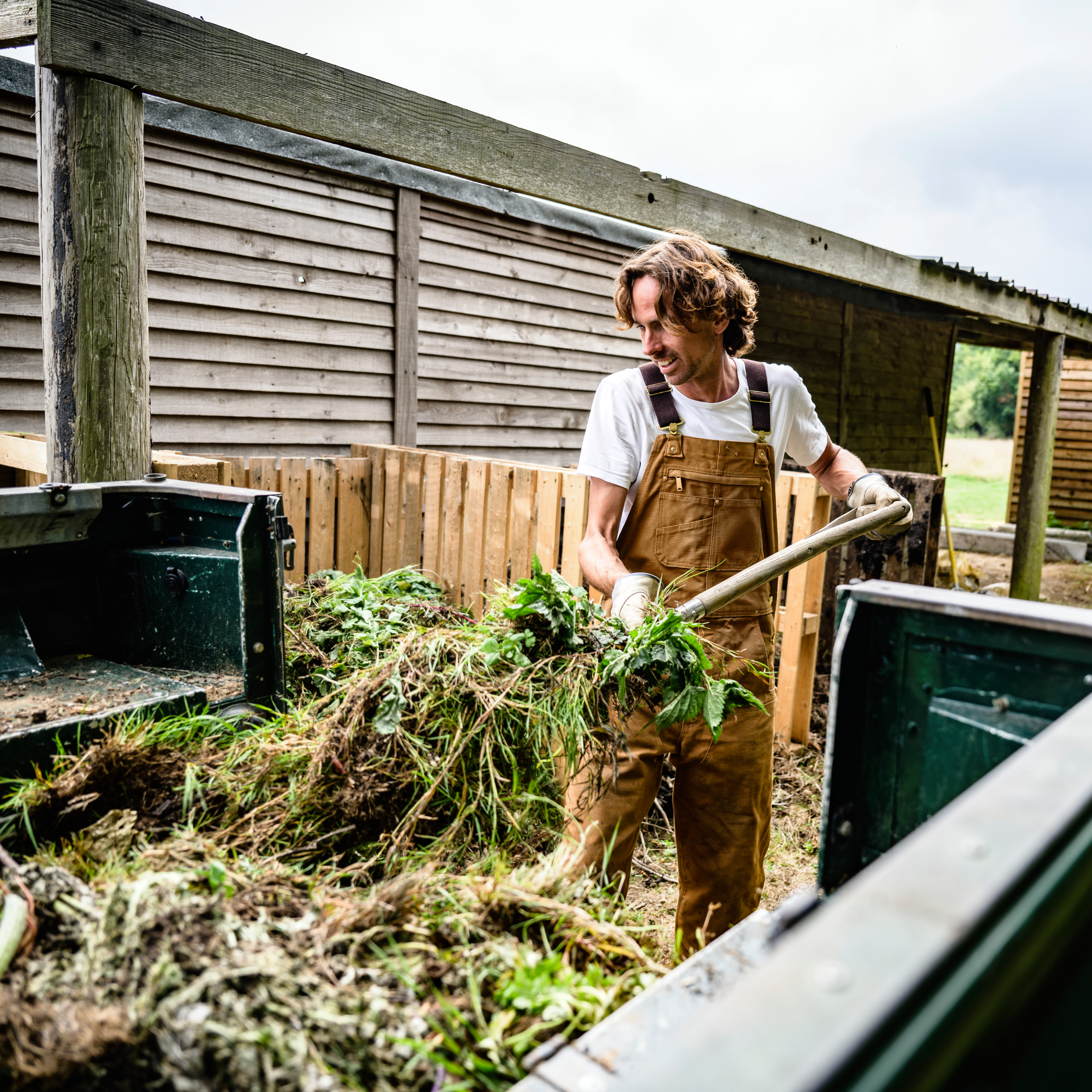
Credit: www.gardeningknowhow.com
Frequently Asked Questions
What Can I Use Garden Soil For?
Garden soil is ideal for outdoor gardening. Use it for planting flowers, vegetables, and shrubs. It improves soil structure and provides essential nutrients. Avoid using it for indoor potted plants, as it may compact and hinder drainage. Mix with compost for better results.
What Are The Disadvantages Of Garden Soil?
Garden soil may contain pests and weeds, reducing plant health. It often lacks essential nutrients for optimal growth. Compaction from foot traffic can restrict root development. Soil may have inconsistent drainage, leading to waterlogged or dry conditions. Contaminants in urban areas can affect plant safety and growth.
What Is The Difference Between Garden Soil And Regular Soil?
Garden soil is enriched with organic matter and nutrients for plant growth. Regular soil lacks these enhancements.
What’s The Difference Between Miracle-gro Potting Soil And Garden Soil?
Miracle-Gro potting soil is designed for container plants, offering optimal drainage and aeration. Garden soil is for in-ground use, enriching the native soil. Using potting soil in gardens may hinder plant growth, while garden soil in pots can cause poor drainage.
Choose based on plant location.
Conclusion
Garden soil offers many benefits for healthy plants. It provides essential nutrients and supports root growth. Good soil improves water retention, helping plants stay hydrated. Rich soil enhances aeration, allowing roots to breathe. It reduces erosion and maintains consistent temperatures.
Quality garden soil nurtures vibrant flowers and abundant harvests. Remember, choosing the right soil boosts garden success. Make sure to test and amend soil for best results. Happy gardening and enjoy watching your plants thrive!


