
Imagine growing fresh, vibrant plants without ever touching soil. Sounds intriguing, right?
That’s the magic of hydroponic gardens. If you’re someone who dreams of nurturing a garden but lacks the space or the right outdoor conditions, hydroponics might just be your ideal solution. You might wonder, “How does it work? ” Or “Is it really that effective?
” This article is here to answer all your questions and spark your curiosity. You’ll discover how hydroponic gardening can transform not only your gardening experience but also the way you think about growing plants. Dive in, and uncover the secrets to cultivating plants in water-based environments, ensuring you never miss out on the joy of gardening, even without traditional soil.
Basics Of Hydroponic Gardening
Hydroponic gardening grows plants without soil, using nutrient-rich water instead. This system offers efficient space use and faster growth. Perfect for urban areas with limited space.
Hydroponic gardening is a fascinating way to grow plants without soil. It’s an innovative method that allows you to cultivate a variety of plants in water, using mineral nutrient solutions. This approach is gaining popularity among gardening enthusiasts and urban dwellers alike, offering a sustainable solution to grow fresh produce right at home.Understanding Hydroponics
Hydroponics is all about nurturing plants using nutrient-rich water instead of soil. You can customize the nutrient mixture to cater to your plants’ specific needs, resulting in faster growth and higher yields. Imagine having a fresh supply of herbs and vegetables just steps away from your kitchen!There are several hydroponic systems you can choose from, each with its unique benefits. Some popular options include:
- Deep Water Culture (DWC):Plants are suspended in a nutrient solution, often using styrofoam rafts.
- Nutrient Film Technique (NFT):Roots grow in shallow streams of nutrient solution.
- Ebb and Flow:Also known as flood and drain, this system periodically floods the plant roots with nutrient solution.
Setting Up Your Hydroponic Garden
Starting your hydroponic garden can be an exciting project. Begin by selecting the plants you want to grow. Leafy greens like lettuce and spinach are great starters. Next, choose a system that suits your space and budget. Don’t forget to invest in quality nutrient solutions to ensure your plants thrive.Maintaining Your Hydroponic Garden
Regular maintenance is key to a thriving hydroponic garden. Monitor your nutrient solution levels and adjust them as needed. Keep an eye on your plants for any signs of nutrient deficiency or disease. Remember, it’s not just about growing plants, it’s about nurturing a living ecosystem.Hydroponic gardening offers a unique opportunity to connect with nature and enjoy fresh produce year-round. Are you ready to dive into this exciting gardening adventure?
Credit: www.airtasker.com
Types Of Hydroponic Systems
Hydroponic gardens grow plants without soil, using nutrient-rich water solutions. Various systems exist, including nutrient film technique, deep water culture, and aeroponics. Each system offers unique benefits, such as efficient water use and faster plant growth, catering to different gardening needs and preferences.
Hydroponic gardening offers a fascinating world of soilless plant cultivation. The key lies in the diverse systems that support plant growth using nutrient-rich water. Each system presents unique benefits and challenges, catering to different gardening needs. Understanding these systems can help you choose the best one for your hydroponic garden.Nutrient Film Technique
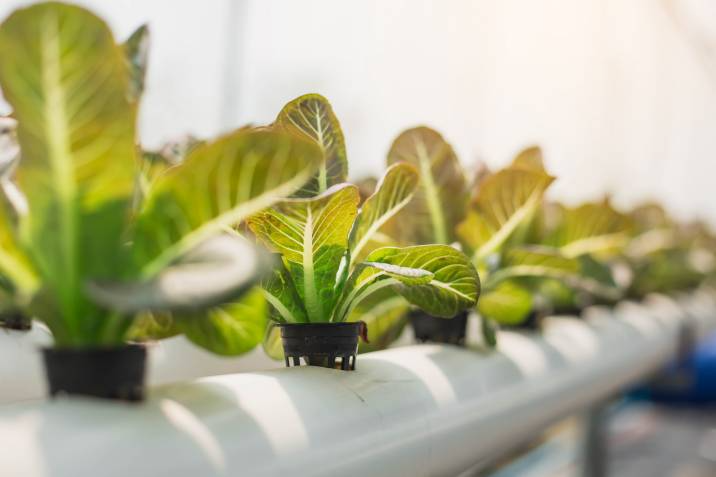
The Nutrient Film Technique, or NFT, uses a thin stream of nutrient solution. This solution flows over the plant roots in a sloped channel. The constant flow provides oxygen and nutrients. It works best for smaller plants like lettuce. It requires careful monitoring to prevent blockages.Deep Water Culture
Deep Water Culture, known as DWC, submerges plant roots in a nutrient solution. A bubbler adds oxygen, ensuring healthy root development. Plants grow quickly due to constant nutrient availability. It is simple and effective, ideal for beginners.Aeroponics
Aeroponics suspends plant roots in air. Roots receive nutrients through misting. This system uses less water and allows excellent oxygen access. It can lead to rapid growth and high yields. It demands precise control to maintain misting schedules.Ebb And Flow
The Ebb and Flow system floods the plant roots with nutrient solution. Then it drains, allowing roots to dry. This cycle promotes robust root systems. It suits plants with larger root structures. It requires careful timing to avoid root rot.Drip Systems
Drip systems deliver nutrients directly to each plant. Tubes drip nutrient solution onto the root zone. This system is versatile, perfect for a wide range of plants. It provides efficient water use and is easy to automate.Wicking Systems
Wicking systems use absorbent materials to draw nutrients to plant roots. Plants sit above the nutrient solution. This system is passive, requiring no pumps or electricity. It is excellent for small setups and beginners. It offers simple maintenance and reliable growth.Benefits Of Hydroponic Gardening
Hydroponic gardening offers many advantages that make it an attractive option for growing plants. It is a method where plants grow without soil, using nutrient-rich water solutions. This gardening technique is gaining popularity due to its efficiency and sustainability. Let’s explore the benefits of hydroponic gardening.
Space Efficiency
Hydroponic systems use vertical space to grow more plants. This is ideal for urban areas where space is limited. You can stack plants in layers, increasing the number of plants in a small area. This maximizes yield without needing large plots of land.
Water Conservation
Hydroponics use less water compared to traditional gardening. Water is recycled and reused in these systems. This reduces waste and conserves water resources. It’s a sustainable method, especially in regions facing water scarcity.
Faster Plant Growth
Plants grow faster in hydroponic systems. Nutrients are directly available to the roots, promoting rapid growth. Controlled environments allow plants to grow year-round. This leads to quicker harvests and more produce.
Pest And Disease Control
Soil-borne pests and diseases are minimized in hydroponic gardens. The absence of soil reduces the risk of infestations. Controlled environments make it easier to manage plant health. This results in healthier plants and higher yields.
Challenges And Considerations
Hydroponic gardening offers innovative ways to grow plants without soil. Despite its benefits, it presents certain challenges and considerations. Understanding these challenges is crucial for success. Below, we delve into key aspects to consider before starting a hydroponic garden.
Initial Setup Costs
Setting up a hydroponic garden can be costly at first. Equipment like grow lights and pumps are essential. Quality materials ensure a successful garden. Budgeting is important to manage these expenses.
Technical Knowledge Required
Hydroponics requires understanding of plant needs and system operations. Knowledge of nutrient solutions and pH levels is key. Beginners may need to learn about different hydroponic systems. Research and education are vital to avoid mistakes.
Maintenance And Monitoring
Regular maintenance is necessary for a thriving hydroponic garden. Systems need constant monitoring for nutrient levels and water quality. Equipment must be checked frequently to prevent failures. Consistent attention ensures healthy plant growth.
Essential Equipment And Supplies
A hydroponic garden allows plants to grow without soil. Instead, plants get nutrients directly from water. To build a successful hydroponic garden, certain equipment and supplies are essential. These tools help create the perfect environment for your plants. Each piece plays a crucial role in ensuring healthy growth.
Grow Lights
Plants need light to grow. Indoor hydroponics require artificial lighting. Grow lights simulate sunlight. They help plants photosynthesize. Choose LED or fluorescent lights. LED lights are energy-efficient. They last longer. Fluorescent lights are cheaper. They work well for small setups.
Nutrient Solutions
Plants absorb nutrients from water. Nutrient solutions provide essential minerals. They include nitrogen, potassium, and phosphorus. Mix them in water. Follow manufacturer instructions. Ensure the right balance for plant types. Regularly check and adjust the solution.
Ph Meters
pH levels affect nutrient absorption. A pH meter measures water acidity. Hydroponic systems need balanced pH levels. Most plants prefer a pH of 5.5 to 6.5. Monitor regularly. Adjust using pH up or pH down solutions. Maintaining pH ensures healthy plants.
Air Pumps And Stones
Oxygen is vital for plant roots. Air pumps provide oxygen. They circulate air in the water. Air stones create bubbles. They help distribute oxygen evenly. Choose a reliable air pump. Ensure proper airflow. This prevents root rot. Healthy roots mean thriving plants.
Credit: www.hortidaily.com
Choosing Plants For Hydroponics
Hydroponic gardens grow plants without soil, using nutrient-rich water solutions. Ideal plants include lettuce, spinach, and herbs. These options thrive in water-based systems and are perfect for beginners.
Choosing plants for your hydroponic garden is a delightful task. You’ll want to select species that thrive without soil. It’s essential to consider growth habits and nutritional needs. Different plants have varied requirements.Leafy Greens
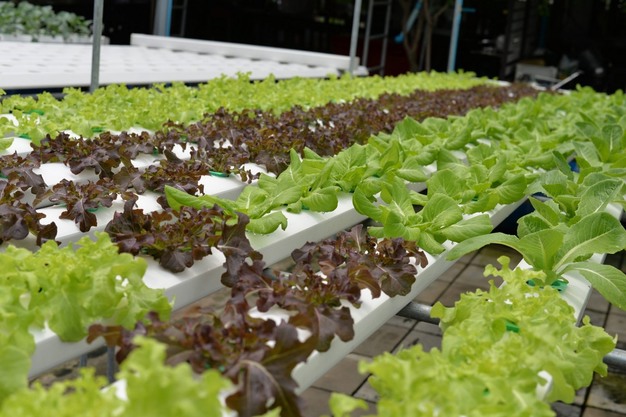
Leafy greens are ideal for hydroponics. They grow quickly and need minimal space. Some popular choices are lettuce, spinach, and kale. These plants require consistent water and nutrients. They flourish in controlled environments. Leafy greens are perfect for beginners. Their fast growth makes them rewarding.Herbs
Herbs are a favorite in hydroponic gardens. They add flavor to dishes and grow well indoors. Basil, mint, and cilantro are common selections. These herbs need moderate light and water. They are manageable in small setups. Hydroponic herbs stay fresh longer. Their aroma fills your home.Fruits And Vegetables
Fruits and vegetables can be grown hydroponically. Tomatoes and strawberries are popular options. They require more space than leafy greens. Peppers and cucumbers also thrive in hydroponics. These plants need adequate light and nutrients. Fruits and vegetables offer variety. They provide delicious harvests year-round.Getting Started With Your Own System
Getting started with your own hydroponic garden can be a thrilling adventure. Imagine growing fresh produce right in your living room or balcony, without soil. Many people find it rewarding as they watch their plants thrive in a controlled environment. The journey begins with setting up your own system, and here’s how you can make it happen.
Planning Your Setup
Before diving into the assembly, think about the space where you plan to place your hydroponic system. Do you have a sunny spot that gets ample light? If not, consider investing in grow lights. Decide on the type of hydroponic system you want—whether it’s a simple nutrient film technique or a more elaborate ebb and flow system.
Create a checklist of the essential equipment: a water reservoir, a pump, growing medium, and nutrient solution. A clear plan can save you time and avoid pitfalls later. Have you considered the types of plants you want to grow? Leafy greens like lettuce and herbs are great for beginners.
Step-by-step Assembly
Once you have your plan, it’s time to assemble your system. Start by setting up the water reservoir, ensuring it’s clean and free from any contaminants. Connect the pump to circulate the nutrient solution through the system. Follow the instructions for your chosen system type carefully.
Place the growing medium in the pots or trays, carefully positioning the plants. Make sure the roots have access to the nutrient solution. Regularly check for any leaks or blockages in the system to ensure smooth operation. Is everything securely in place? Double-check connections and fittings.
Tips For Success
Consistency is key in hydroponics. Keep a regular schedule for checking nutrient levels and pH balance. It’s crucial for plant health. Monitor the growth and adjust the lighting and nutrient mix as needed. Are your plants thriving or showing signs of stress?
Engage with online communities or local groups to share experiences and solutions. Learning from others can provide valuable insights and save you from common mistakes. Remember, patience and observation are your best tools in nurturing a thriving hydroponic garden.
Future Of Hydroponic Gardening
Hydroponic gardening is soil-free plant cultivation using nutrient-rich water solutions. This method offers sustainable and efficient growth. As technology advances, hydroponics could become a key solution for urban farming and food security.
The future of hydroponic gardening is rich with possibilities, offering innovative solutions to some of the most pressing challenges of our time. With the continuous growth of urban populations and the increasing strain on traditional agriculture, hydroponics offers a sustainable and efficient method of farming. This method is not just about growing plants without soil; it’s about reshaping how we think about food production and our relationship with the environment.Urban Farming Trends
Urban farming is gaining momentum as city dwellers look for ways to produce fresh food locally. Hydroponic gardens are perfectly suited for urban environments, where space is limited. Imagine having a garden on your balcony or rooftop, where you can grow your own vegetables without needing a backyard. Many cities are seeing a rise in community hydroponic projects. These initiatives not only provide fresh produce but also strengthen community ties. They offer a practical way to engage with sustainable practices right in the heart of the city.Sustainability And Innovation
Hydroponic gardening is at the forefront of sustainable agriculture. It uses up to 90% less water than traditional farming methods, which is a crucial advantage as water scarcity becomes a global concern. Furthermore, by eliminating the need for soil, it reduces the risk of soil-borne diseases and contamination. Innovation in this field is advancing rapidly. New technologies, such as automated nutrient delivery systems and smart sensors, are making hydroponics more accessible and efficient. Could your next salad be a product of technology-driven farming? By embracing these advancements, you have the power to contribute to a more sustainable future. Whether you’re a seasoned gardener or a curious beginner, hydroponic gardening offers a fascinating glimpse into the future of farming.
Credit: parade.com
Frequently Asked Questions
How Does A Hydroponic Garden Work?
A hydroponic garden grows plants without soil, using nutrient-rich water. It supports plant roots with mediums like clay pellets or rockwool. This system allows precise control over nutrients, pH levels, and environmental conditions, promoting faster growth and higher yields. Ideal for limited spaces, it conserves water efficiently.
What Are Three Cons Of Hydroponics?
Hydroponics can be costly due to equipment and nutrient solutions. Systems may require constant monitoring and maintenance. Disease can spread rapidly in water-based setups.
Are Hydroponic Gardens Healthy?
Hydroponic gardens are healthy and produce nutrient-rich, pesticide-free vegetables. They offer a controlled environment, reducing pests and diseases. Plants grow faster and retain essential nutrients. This method uses less water and no soil, making it eco-friendly and sustainable. Hydroponics ensures fresh, safe, and high-quality produce for consumption.
What Plants Cannot Be Grown Hydroponically?
Plants with large root systems, like trees, cannot be grown hydroponically. Tubers such as potatoes are unsuitable. Soil-dependent plants like carrots struggle in hydroponic setups. Root vegetables often require soil for proper growth. Hydroponics favors leafy greens, herbs, and smaller fruiting plants for optimal growth.
Conclusion
Hydroponic gardens offer a new way to grow plants indoors. They use water and nutrients, not soil, to nourish plants. This method can save space and reduce pests. It’s perfect for small homes or apartments. Beginners can start with simple systems.
Advanced setups allow greater plant variety. It’s an eco-friendly choice, reducing waste and water use. You might enjoy the fresh taste of home-grown vegetables. Try it and see how hydroponics can fit your lifestyle. Experiment and learn what works best for you.
Happy gardening!


