Have you ever wondered what makes your garden flourish with vibrant flowers and lush greenery? The secret often lies beneath your feet.
It’s all about the garden soil. Understanding what garden soil is and how it works can transform your gardening experience. Picture your garden bursting with life, colors, and bountiful harvests. Sounds appealing, right? This is the power of knowing your soil.
As you read on, you’ll discover how essential the right soil is to your garden’s success and how it can save you time, effort, and even money in the long run. Ready to unlock the full potential of your garden? Let’s dig deeper into the world of garden soil.

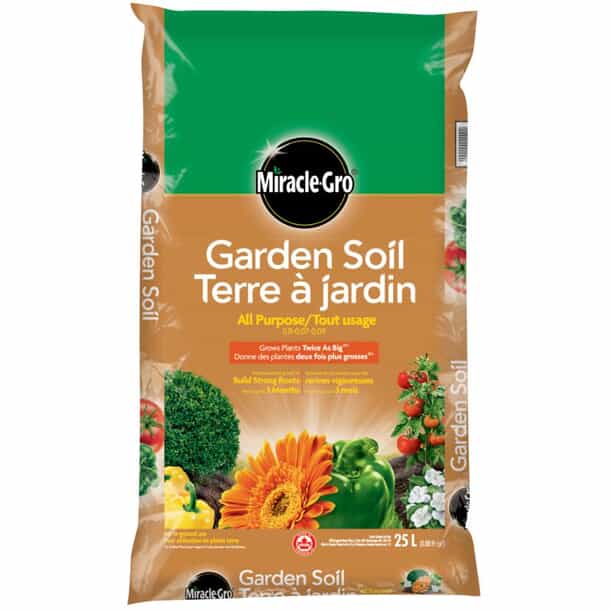
Credit: kent.ca
Basics Of Garden Soil
Garden soil forms the foundation for healthy plant growth. It’s a mix of sand, silt, and clay. This blend supports plants by providing nutrients and water retention.
Understanding garden soil is essential for healthy plants. Soil is the foundation for your garden’s success. It provides nutrients, water, and support to plant roots. Knowing the basics of garden soil helps you create the best environment for your plants to thrive. Let’s dive into the essentials.What Is Garden Soil?
Garden soil is the layer of earth where plants grow. It is a mix of organic matter, minerals, and living organisms. Good garden soil has the right balance of nutrients and water. It supports plant growth and keeps the garden healthy. Garden soil contains various components. Organic matter, like decomposed leaves and plants, enriches the soil. Minerals provide essential nutrients for plant growth. Living organisms, like worms, help break down organic material. Different gardens need different soil types. Clay soil holds water but can be heavy and hard to work with. Sandy soil drains quickly but may lack nutrients. Loamy soil is ideal, with a good balance of sand, silt, and clay.Importance Of Soil Ph
Soil pH affects plant health. It measures how acidic or alkaline the soil is. Most plants prefer slightly acidic to neutral soil. Test your soil pH to ensure it suits your plants’ needs. Improve your garden soil with simple steps. Add compost to increase organic matter. Use mulch to retain moisture and suppress weeds. Rotate crops to keep the soil healthy and fertile. Understanding the basics of garden soil ensures your plants grow strong. It is the key to a beautiful, thriving garden.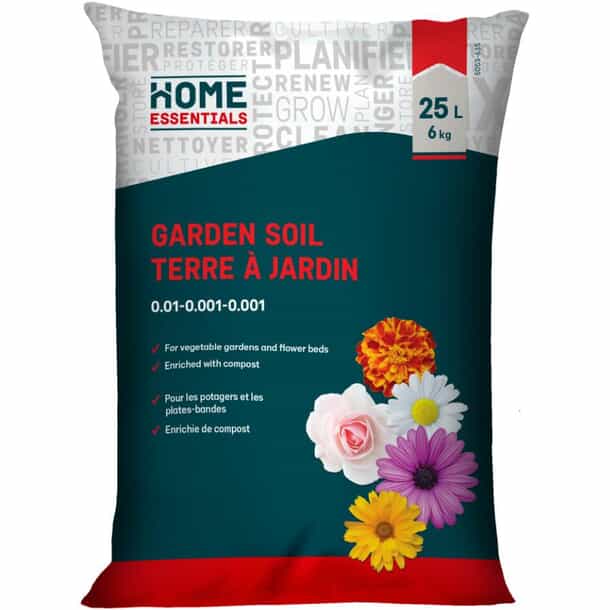
Credit: www.homehardware.ca
Components Of Garden Soil
Garden soil is a mix of sand, silt, clay, and organic matter. The balance of these components affects plant growth. Good garden soil provides nutrients and drainage for healthy roots.
Understanding the components of garden soil is crucial for a thriving garden. Each element plays a unique role in plant health. Below, we explore the key components that make up garden soil.Mineral Content
Minerals are the backbone of soil. They come from weathered rocks. Common minerals in soil include sand, silt, and clay. Each mineral affects soil texture and drainage. Sand offers good drainage but lacks nutrients. Clay holds nutrients but drains poorly. A balance of these minerals is essential.Organic Matter
Organic matter improves soil fertility. It includes decayed plants, animals, and manure. It provides nutrients for plants and improves soil structure. Organic matter helps retain moisture and supports beneficial organisms. It is vital for a healthy garden ecosystem.Water And Air
Water and air are essential for plant growth. Soil must retain water yet allow excess to drain. Air spaces in soil enable roots to breathe. Proper balance prevents root rot and ensures healthy plant growth. This balance varies with soil type and weather.Microorganisms
Microorganisms are tiny but mighty. They decompose organic matter and release nutrients. Bacteria, fungi, and earthworms enrich soil health. They improve nutrient availability and support plant immunity. A diverse microbial community is key for soil vitality.Types Of Garden Soil
Garden soil is essential for nurturing healthy plants. It includes clay, sandy, silt, and loamy types. Each soil type offers unique benefits and challenges for gardening, impacting water retention and nutrient availability.
Understanding the types of garden soil is crucial for any gardening enthusiast. Each type of soil has unique characteristics that affect plant growth. Choosing the right soil can make the difference between a flourishing garden and a disappointing one. Let’s dive into the different types of garden soil and how they impact your plants.Sandy Soil
Sandy soil is light and gritty to the touch. It drains quickly and tends to be low in nutrients, which means it can dry out fast. If your garden has sandy soil, you might notice your plants needing more frequent watering. Adding organic matter like compost can improve sandy soil’s water retention. Sandy soil warms up quickly in the spring, allowing for an early start to the gardening season. If you’ve ever planted in sandy soil, you might have noticed how easily your roots spread, which is great for root vegetables.Clay Soil
Clay soil feels sticky and dense when wet. It holds water well, but this can lead to poor drainage and waterlogged roots. This type of soil is rich in nutrients, making it ideal for heavy feeders like roses and ornamental shrubs. Improving clay soil involves adding organic materials to increase aeration and drainage. If you’ve ever worked with clay soil, you know it can be challenging to dig, especially after rain. However, when managed properly, clay soil can sustain a robust garden.Silty Soil
Silty soil is smooth and slippery when wet. It holds moisture better than sandy soil but drains more efficiently than clay soil. With a fine texture, silty soil can compact easily, restricting root growth. To enhance silty soil, consider mixing in organic materials to improve structure. Silty soil is fertile and often results in lush, green plants. Have you noticed your silty garden thriving without much effort? Its natural fertility might be the reason.Loamy Soil
Loamy soil is often considered the ideal garden soil. It’s a balanced mixture of sand, silt, and clay, offering good drainage, moisture retention, and nutrient availability. Loamy soil is easy to work with and supports a wide range of plants. Enhancing loamy soil with organic matter can make it even more productive. If you’ve had success in your garden, chances are loamy soil played a significant role. Does your garden seem to flourish no matter what you plant? Loamy soil could be your secret weapon.Testing Soil Quality
Testing soil quality is vital for a thriving garden. Knowing your soil’s characteristics helps you choose the right plants. It guides you in improving soil health. Conducting tests is simple and provides valuable insights.
Soil Ph Levels
Soil pH indicates acidity or alkalinity. Most plants prefer neutral to slightly acidic soil. Testing kits are available at garden stores. They help measure pH accurately. Adjusting pH improves plant health.
Nutrient Testing
Nutrients like nitrogen, phosphorus, and potassium are essential for growth. Nutrient testing identifies deficiencies or excesses. Use DIY kits or professional services. Balanced nutrients enhance plant development.
Drainage Capabilities
Proper drainage prevents waterlogging. It ensures roots get enough air. Assess drainage by observing water runoff. Dig a small hole and fill it with water. Note how quickly water drains. Improve drainage with sand or organic matter.
Improving Garden Soil
Garden soil is the foundation for healthy plants. It consists of minerals, organic matter, water, and air. Improving its quality boosts plant growth and resilience.
Improving garden soil is essential for growing healthy plants. Good soil supports plant roots and provides nutrients. Enhancing soil quality makes gardens more productive and vibrant.Amendments And Additives
Adding amendments improves soil structure and fertility. Organic matter, like compost or aged manure, enriches the soil. These materials increase moisture retention and nutrient availability. Lime can balance soil pH, making nutrients more accessible. Gypsum breaks up clay soil, improving drainage and root growth.Composting Techniques
Composting recycles organic waste into rich soil additives. Collect kitchen scraps, yard waste, and leaves for your compost. Layer green and brown materials for a balanced mix. Turn the pile regularly to speed up decomposition. Finished compost boosts soil health and plant growth.Mulching Methods
Mulching protects soil and retains moisture. Organic mulches, like straw or wood chips, break down over time. They add nutrients to the soil as they decompose. Spread mulch evenly around plants, keeping it away from stems. Mulch also suppresses weeds and moderates soil temperature.Common Soil Problems
Garden soil is the foundation of a thriving garden, but it’s not always perfect. Common soil problems can disrupt the growth of your plants, leaving you puzzled and frustrated. Understanding these issues can help you cultivate a healthier garden and boost your plant’s potential.
Compaction Issues
Compacted soil restricts root growth and water drainage. You might notice puddles forming or plants struggling to establish. This often happens due to foot traffic or heavy equipment pressing down on the soil.
To tackle compaction, aerate your soil regularly. Use a garden fork to gently break up the compacted areas. Adding organic matter like compost can also improve soil texture, making it more friable.
Erosion Control
Soil erosion washes away vital nutrients, leaving your garden barren. Slopes and bare patches are particularly vulnerable. You might find that plants have difficulty anchoring themselves, leading to poor growth.
Consider planting ground covers to reduce erosion. Their roots help to bind the soil together. Additionally, mulching can protect the soil surface and retain moisture, preventing it from washing away.
Salinity Concerns
High salinity levels can stunt plant growth and cause wilting. If your garden soil tastes salty, it’s a sign of excessive salts. This often results from poor drainage or the use of saline water for irrigation.
Leach the salts out by flushing the soil with fresh water. Ensure proper drainage to prevent salt buildup. You can also mix gypsum into the soil to improve its structure and reduce salinity.
Have you faced any of these soil challenges? Identifying and addressing these common problems can transform your garden into a lush, productive space. What’s the first step you’ll take to enhance your garden soil?
Selecting The Right Soil For Plants
Choosing the right soil is like laying the foundation for a healthy garden. The soil you select can make or break the success of your plants. Understanding what your plants need, considering the seasons, and deciding between container and ground planting are key factors in making the best choice.
Plant-specific Requirements
Different plants thrive in different soil types. For example, succulents prefer sandy, well-draining soil, while vegetables often need nutrient-rich loam. It’s crucial to research the specific needs of each plant species you plan to grow.
Think about the natural habitat of the plant. Does it grow in moist, shaded areas or dry, sunny landscapes? Tailoring your soil selection to mimic these conditions can significantly enhance plant growth and health.
Seasonal Considerations
Seasons can affect soil quality and plant requirements. During spring, you might need to improve drainage by adding sand or grit to prevent waterlogging. In contrast, summer might call for moisture-retentive soil to combat drought conditions.
It’s also worth considering how seasonal changes impact nutrient availability. Autumn leaves can enrich soil with organic matter, while winter may require mulching to protect roots from frost.
Container Vs. Ground Planting
Whether planting in containers or directly in the ground, the soil you choose will differ. Container planting often requires lightweight, well-aerated soil to ensure proper drainage and prevent root rot. You might even consider mixing perlite or vermiculite to enhance aeration in pots.
Ground planting, on the other hand, may demand soil amendments such as compost or manure to enrich the existing garden soil. Assess the natural soil in your garden to identify what additions will best support plant health.
Ultimately, the right soil choice is a blend of understanding your plants and adapting to their needs. Have you ever experimented with different soil types? What worked best for your garden?
Tools For Soil Preparation
Garden soil is the foundation for healthy plants. Tools like spades, rakes, and tillers make soil preparation easier. Properly prepared soil enhances plant growth and yields.
Preparing your garden soil is like setting the stage for a bountiful performance. The right tools can make the difference between a flourishing garden and a lackluster one. With the right combination of basic and advanced equipment, you can transform your soil into a nutrient-rich oasis for your plants. But what exactly do you need? Let’s explore the essentials and the upgrades.Basic Gardening Tools
Starting with the basics, every gardener should have a trusty shovel. It’s indispensable for digging and turning the soil. You’ll find it especially useful when planting larger shrubs or trees. A garden fork is another must-have. It’s perfect for breaking up clumps and aerating the soil. If you’ve ever struggled with compacted earth, you know how crucial this tool is. Rakes are not just for leaves. A sturdy garden rake helps level the soil and remove debris. It’s your best friend for creating a smooth planting bed. Have you ever tried planting without a trowel? This small hand tool is great for precise digging and transplanting. It gives you control in tighter spaces.Advanced Soil Equipment
For those ready to take their gardening to the next level, advanced equipment awaits. Consider a rototiller. It’s a powerhouse for loosening and mixing large plots of soil. You can save time and effort, especially in larger gardens. A soil pH tester might sound technical, but it’s simple and effective. Knowing your soil’s acidity or alkalinity helps you tailor the nutrients your plants receive. It’s a game-changer for achieving optimal plant health. Have you heard of a compost tumbler? It’s a fantastic addition to recycle organic waste into rich compost. This can improve soil structure and fertility over time. Every gardener can benefit from a soil thermometer. It’s an underrated tool to determine the right planting times based on soil temperature. This can prevent planting too early or late, safeguarding your crops. Choosing the right tools can elevate your gardening game. What tool do you think will transform your gardening experience?
Credit: www.amazon.ca
Frequently Asked Questions
What Is The Difference Between Garden Soil And Regular Soil?
Garden soil is enriched with nutrients and organic matter, ideal for plants. Regular soil lacks these enhancements and varies in composition. Garden soil supports healthier plant growth, while regular soil might need amendments for optimal use in gardening.
Are Garden Soil And Topsoil The Same Thing?
Garden soil and topsoil are not the same. Garden soil is enriched with organic matter and nutrients. Topsoil is the uppermost layer of soil, often used for filling and leveling. Garden soil is better for planting due to added nutrients, while topsoil serves more general landscaping purposes.
What Is Meant By Garden Soil?
Garden soil is a blend of topsoil, organic matter, and nutrients. It supports healthy plant growth in gardens. It improves drainage, aeration, and provides essential minerals for plants. Ideal garden soil is rich in texture and nutrients, promoting vibrant gardens.
What Is Garden Soil Made Of?
Garden soil typically consists of a mix of sand, silt, and clay. It often includes organic matter like decomposed leaves, compost, and peat moss. This blend supports plant growth by retaining moisture, providing nutrients, and ensuring proper drainage. The balance of these components determines soil quality.
Conclusion
Garden soil forms the heart of any gardening project. It supports plants and nourishes roots. Choosing the right soil boosts growth and plant health. Different soil types offer unique benefits. Whether sandy or clay, each has its place in the garden.
Test your soil to know its needs. Improve it with compost or organic matter. Healthy soil leads to vibrant gardens. Start small and observe changes. Patience is key in gardening. Enjoy the process and watch your plants thrive. Cultivate your garden with care.
The rewards are endless. Happy gardening!