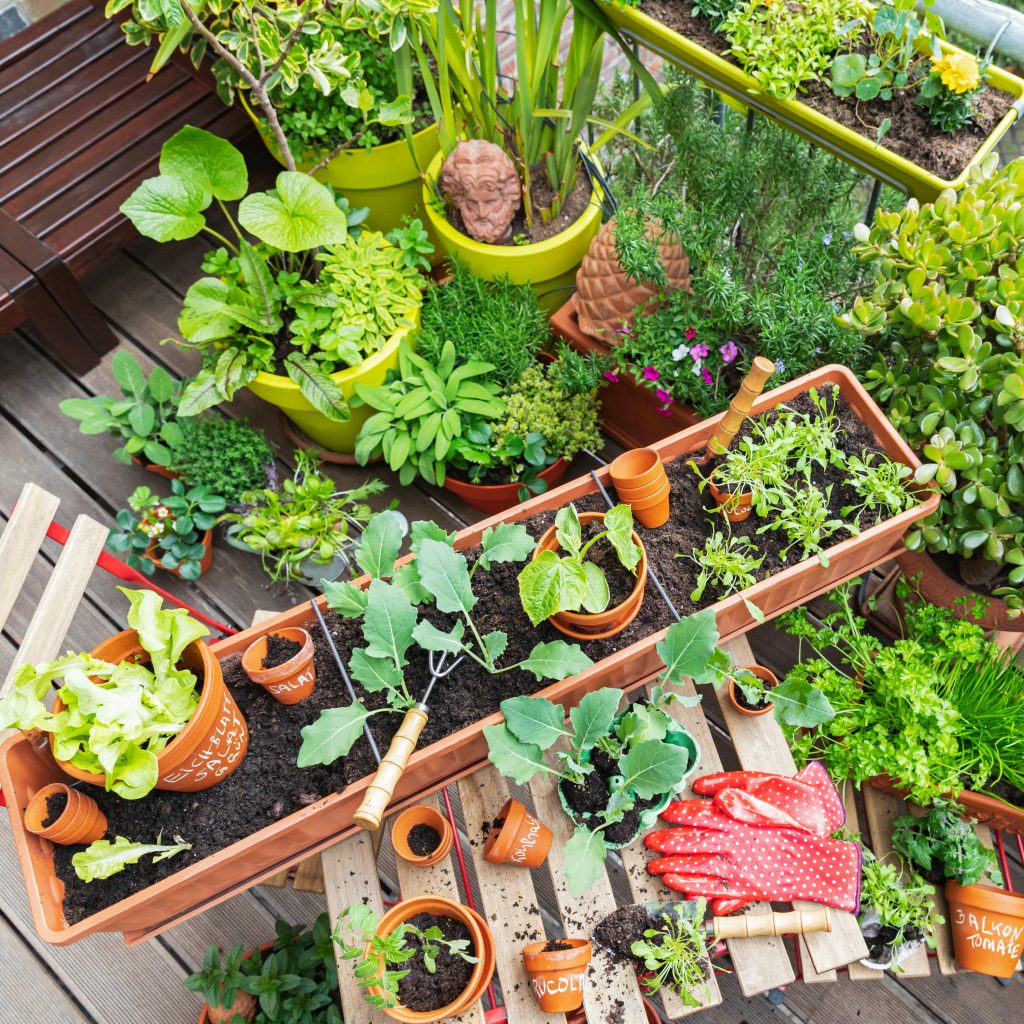
Imagine stepping into your backyard and seeing a lush, thriving vegetable garden that looks like it’s straight out of a gardening magazine. A garden where every plant seems to complement the next, working together in harmony to produce an abundant harvest.
This isn’t just a dream; it’s possible with the right knowledge about what grows well together in a vegetable garden. You might be wondering how you can achieve such harmony in your own garden. The secret lies in understanding the relationships between plants, known as companion planting.
By pairing plants that support each other’s growth, you not only boost their yields but also naturally ward off pests and diseases. Curious about which vegetables are the best partners? Ready to unlock the potential of your garden? Keep reading, and you’ll discover how the right combinations can transform your gardening experience.
Companion Planting Basics
Tomatoes and basil thrive together, enhancing each other’s growth and flavor. Carrots and onions also make great companions, deterring pests and improving soil health.
Companion planting is a smart way to grow vegetables. It involves pairing plants that benefit each other. Some plants improve growth when planted together. Others repel pests. Learning about these partnerships enhances your garden’s productivity. This approach is eco-friendly and reduces the need for chemical pesticides. Beginners and experts alike can benefit from understanding companion planting.Understanding Plant Relationships
Plants have natural allies and enemies. Some plants help others by attracting beneficial insects. Others deter harmful pests. Knowing which plants work well together is crucial. For example, basil and tomatoes are great companions. Basil repels insects that attack tomatoes.Benefits Of Companion Planting
Companion planting offers many advantages. It improves soil health and conserves space. It can increase crop yields. Some plant combinations even enhance flavors. Growing certain plants together can also reduce water usage.Common Companion Pairings
Some pairs are popular among gardeners. Carrots and onions grow well together. Onions repel carrot flies. Corn and beans are another good pair. Beans fix nitrogen in the soil. Corn provides support for climbing bean vines.Plants To Avoid Pairing
Not all plants get along. Some combinations can harm growth. Avoid planting onions near peas. Onions hinder pea growth. Potatoes and tomatoes don’t mix well. They attract the same pests and diseases.Tips For Successful Companion Planting
Observe your garden regularly. Watch for signs of plant stress. Rotate crops to maintain soil health. Research specific plant needs. Plan your garden layout thoughtfully. Use trial and error to find what works best. Understanding companion planting basics can transform your vegetable garden. Happy planting!Benefits Of Pairing Plants
Planting vegetables that thrive together can enhance growth and yield. Tomatoes and basil are a perfect match, improving flavor and deterring pests. Carrots benefit from being planted near onions, which repel carrot flies. These combinations promote a healthier garden ecosystem.
Growing a vegetable garden can be a rewarding experience, especially when you understand the benefits of pairing plants. Plant pairing, or companion planting, is a simple strategy that can boost growth, improve yields, and even ward off pests. By planting certain vegetables together, you create a symbiotic relationship where each plant supports the other.Understanding Companion Planting
When you pair plants wisely, you enhance the overall health of your garden. Some plants naturally repel pests that could harm their neighbors. For example, marigolds are known to deter nematodes, making them great companions for tomatoes. Imagine having a natural pest control system right in your garden!Improved Soil Fertility
Certain plants can improve the soil quality for others. Legumes like beans and peas fix nitrogen in the soil, which is essential for leafy greens such as spinach and lettuce. This natural nutrient boost means you might not need to add as much fertilizer. Have you noticed how some plants thrive effortlessly? They might be benefiting from their neighbors.Space Optimization
Pairing plants can also make the most of your garden space. Fast-growing radishes can be planted alongside slower-growing carrots. The radishes will be harvested early, giving the carrots room to expand. This efficient use of space allows you to grow more in a limited area.Pest And Disease Control
Certain plant combinations can reduce the spread of diseases and pests. Basil planted with tomatoes can help repel insects like aphids and hornworms. It’s like having a built-in defense system. Have you ever tried pairing plants and noticed fewer pest problems?Better Flavors
Some gardeners swear that companion planting enhances the flavor of their crops. Basil is said to improve the taste of tomatoes when planted nearby. This could be the secret ingredient to elevating your homegrown produce to gourmet levels. Why not experiment and taste the difference yourself? By understanding and utilizing the benefits of pairing plants, you can transform your vegetable garden into a thriving ecosystem. Which pairings are you excited to try in your garden?Tomato Pairings
Tomatoes thrive when planted with basil, carrots, and onions in a vegetable garden. These pairings enhance growth and flavor. Together, they create a balanced ecosystem, deterring pests naturally.
Tomato Pairings Tomatoes are the star of many gardens, but did you know they shine even brighter when paired with the right companions? The concept of companion planting is not just about optimizing space—it’s about creating a harmonious environment that enhances growth and flavor. By carefully selecting which plants to grow alongside your tomatoes, you can enjoy a more bountiful and delicious harvest. Let’s dive into some excellent pairings that every gardener should consider.Tomatoes And Basil
Imagine walking through your garden and being greeted by the aromatic scent of basil mingling with the vibrant tomatoes. Basil is more than just a delightful herb to pair with tomatoes in your recipes; it enhances their growth too. This fragrant herb is known to repel pests like flies and mosquitoes, keeping your tomatoes safe. Consider planting basil close to your tomato plants. The basil will thrive in the same conditions as tomatoes, enjoying the sun and rich soil. Plus, the basil’s aroma can improve the flavor of your tomatoes, making them even more delicious in your dishes. Have you ever tried a fresh Caprese salad with homegrown tomatoes and basil? If not, now’s the time to experience the difference.Tomatoes And Carrots
Tomatoes and carrots might seem like an unusual pair, but they complement each other well in the garden. Carrots grow underground, while tomatoes reach for the sky—making them perfect partners that don’t compete for space. This combination allows you to maximize your garden’s productivity. Carrots can thrive in the shaded spots created by the tomato plants, which helps them stay cool. This pairing also aids in improving soil aeration due to the deep roots of carrots, which in turn supports your tomatoes’ growth. Have you ever noticed how a well-structured garden can positively affect the yields? Planting tomatoes and carrots together could be your secret weapon. Think about the satisfaction of pulling fresh carrots from the earth while picking ripe tomatoes from the vine. This pairing is not only practical but also adds a touch of magic to your gardening routine. So, which tomato pairing will you try first?
Credit: atami.com
Carrot Companions
Carrots thrive alongside onions, chives, and leeks, which help deter pests. Peas and lettuce make good companions, enhancing growth. Radishes can be planted nearby as they mature quickly, creating space for carrots to develop.
Carrots thrive with certain companions in the garden. These companions help each other grow better. They deter pests and enhance flavors. Planting carrots with the right neighbors increases your harvest. Let’s explore two great pairings.Carrots And Onions
Carrots and onions make a strong team. Onions repel carrot flies. Carrot flies are common pests for carrots. Onions confuse these flies with their strong smell. This partnership reduces pest issues naturally. Onions also save space in your garden. They grow vertically, leaving room for carrots below. This setup maximizes your garden space effectively.Carrots And Lettuce
Lettuce and carrots offer mutual benefits. Lettuce provides shade for young carrot plants. This shade helps retain soil moisture. It also keeps carrots cool in hot weather. Lettuce matures quickly. So, you can harvest it while carrots continue growing. This staggered harvesting makes efficient use of garden space. Lettuce also acts as a living mulch, suppressing weeds around carrots. Together, they create a harmonious garden setting.Beans And Their Partners
Beans thrive when planted with carrots, cucumbers, and radishes in a vegetable garden. These companions help each other grow by enhancing soil nutrients and deterring pests.
Beans and their partners create a harmonious vegetable garden. They thrive when paired with certain plants. These combinations enhance growth and yield. Companion planting with beans is beneficial. It improves soil health and pest control. Let’s explore how beans pair with other garden favorites.Beans And Corn
Beans and corn are classic garden companions. They support each other’s growth. Corn provides a natural trellis for beans. This allows beans to climb and reach sunlight. Beans, in return, fix nitrogen in the soil. This benefits corn and nearby plants. Together, they create a balanced ecosystem. This pairing is efficient and productive.Beans And Cucumbers
Beans and cucumbers also grow well together. Beans enrich the soil with nitrogen. Cucumbers love this nutrient-rich environment. They both enjoy similar growing conditions. This makes them compatible in the garden. Plant beans alongside cucumbers for mutual support. This pairing can lead to a bountiful harvest. They share space efficiently, maximizing garden yield.
Credit: yadavindragardens.com
Squash Synergies
Squash thrives alongside companion plants like corn and beans in a vegetable garden. This trio supports each other’s growth, creating a harmonious environment. Together, they help deter pests and enhance soil nutrients, ensuring a bountiful harvest.
Squash thrives in a garden with the right companions. Pairing it with certain plants boosts growth and protection. These partnerships are known as “Squash Synergies.” They create a balanced ecosystem, enhancing the garden’s productivity. Let’s explore some ideal companions for squash.Squash And Nasturtiums
Nasturtiums are vibrant and beneficial. Their bold flowers attract pollinators. This is crucial for squash blooms. More pollinators mean more squash fruits. Nasturtiums also deter pests. Their peppery scent confuses squash bugs and aphids. Plant them near squash for a natural defense. They add color and function to your garden.Squash And Corn
Squash and corn have a historic relationship. They grow well together in the “Three Sisters” method. Corn provides shade to squash, protecting it from harsh sun. The squash’s broad leaves cover the soil. This keeps it moist and free of weeds. Corn grows tall while squash spreads wide. They complement each other’s growth habits. Together, they create a thriving garden environment.Peppers’ Perfect Partners
Peppers thrive when planted alongside basil, carrots, and onions. These companions help deter pests and boost growth. A diverse garden encourages healthy plants and vibrant harvests.
Peppers’ Perfect Partners Growing peppers in your garden can be rewarding. They thrive when paired with the right companions. Choosing the right partners can enhance growth and flavor. Peppers can be quite versatile, making them excellent for various pairings.Peppers And Spinach
Peppers and spinach are a great match. Spinach provides shade to young pepper plants. This helps protect them from intense sunlight. Spinach grows quickly, allowing for early harvest. This means more space for peppers to thrive. Their pairing can improve soil quality, benefiting both plants.Peppers And Basil
Basil enhances the flavor of peppers. It repels pests, keeping peppers safe. Basil’s aroma deters insects naturally. Both plants enjoy similar growing conditions. Warm temperatures and well-drained soil suit them well. Basil can improve peppers’ yield when planted nearby. This pairing is common in many gardens for its benefits.
Credit: yadavindragardens.com
Lettuce Combinations
Lettuce thrives alongside carrots, radishes, and onions in a vegetable garden. These combinations deter pests and enhance growth. Companion planting boosts the garden’s health and yield.
Growing lettuce with the right companions in your vegetable garden can lead to a thriving and bountiful harvest. Lettuce is a versatile and friendly plant that pairs well with several other vegetables and fruits. By choosing the right combinations, you can enhance growth, ward off pests, and improve the flavor of your produce. Here, we’ll explore some effective lettuce combinations.Lettuce And Radishes
Pairing lettuce and radishes is a smart choice for any garden enthusiast. Radishes grow quickly and are harvested before lettuce matures, making them perfect neighbors. This means radishes can help break up the soil, allowing your lettuce roots to grow more easily. Moreover, radishes act as natural pest repellents. They can deter flea beetles that might otherwise feast on your lettuce leaves. Have you ever considered using one plant to protect another?Lettuce And Strawberries
Lettuce and strawberries might seem like an unusual duo, but they complement each other beautifully. Strawberries spread low to the ground, providing a natural mulch that keeps the soil moist for lettuce. This moisture is crucial for lettuce, especially during warmer months. In return, lettuce offers shade to strawberries, protecting them from the harsh sun. This mutual benefit can lead to juicier strawberries and crisper lettuce. Have you tried growing lettuce and strawberries together before? If not, why not give it a shot this season? Choosing the right combinations for your lettuce can lead to a healthier and more productive garden. By experimenting with these pairings, you might discover new ways to enhance your gardening experience. So, what’s your favorite lettuce combination?Herb Pairings
Basil and tomatoes thrive together, enhancing flavor and growth. Carrots and chives share nutrients, promoting healthier plants. Lettuce and dill complement each other, deterring pests naturally.
Herb pairings in a vegetable garden can boost plant health and flavor. Certain herbs, when planted with vegetables, can deter pests and enhance growth. Pairing herbs with vegetables is a smart way to improve your garden’s success.Dill And Cabbage
Dill is a beneficial companion for cabbage. It attracts helpful insects like ladybugs. These insects help control cabbage pests. Dill also improves the taste of cabbage. Plant dill near cabbage for better growth. Make sure to give each plant enough space.Chives And Carrots
Chives grow well with carrots. They can repel carrot flies. Carrot flies can damage your carrot crop. Chives’ strong scent keeps these pests away. They also enhance carrot flavor. Plant chives around your carrot bed for protection. This pairing is easy and effective for any gardener.Avoiding Poor Pairings
Avoiding Poor Pairings Tomatoes thrive near basil and carrots grow well with onions. Lettuce benefits from being close to radishes. These combinations help plants share nutrients and ward off pests.
Growing a vegetable garden is like creating a symphony of flavors, colors, and textures. But just as some musical notes clash, certain plants don’t harmonize well together. Understanding which plants to keep apart is crucial for a thriving garden. Avoiding poor pairings can prevent stunted growth and unwanted competition, allowing your garden to flourish.Understanding Plant Competition
Certain vegetables compete for nutrients and sunlight, leading to poor yields. For instance, planting potatoes and tomatoes together can be disastrous. Both attract similar pests and are prone to blight, which can quickly spread from one to the other. Keep them separate to ensure both plants grow healthily.Allelopathy: The Secret Chemical Warfare
Some plants release chemicals into the soil that inhibit the growth of others. Black walnut trees are notorious for this, producing juglone, which can stunt or kill sensitive plants like tomatoes and peppers. Being aware of such interactions helps you plan your garden layout effectively.Root Space: The Hidden Battleground
Plants with large root systems can hog space underground, choking out their neighbors. Corn, with its extensive roots, can overshadow smaller plants like carrots, stealing vital nutrients and water. Ensure your garden gives each plant room to breathe, both above and below ground.Leaf Coverage: Sunlight Wars
Tall plants can cast shadows on shorter ones, depriving them of sunlight. Sun-loving vegetables like lettuce and radishes will struggle if overshadowed by towering sunflowers or beans. Consider the height and growth habits of your plants when planning your garden to ensure everyone gets their share of the sun.Personal Gardening Anecdote: Learning The Hard Way
I once planted cucumbers next to aromatic herbs like mint, thinking they’d complement each other. Instead, the mint spread aggressively, crowding the cucumbers and affecting their growth. This experience taught me the importance of understanding plant behavior and planning accordingly. Have you ever had a surprising garden mishap that taught you a valuable lesson? Avoiding poor pairings in your vegetable garden is about understanding the subtle interplay between plants. By taking these factors into account, you can ensure your garden thrives, producing a bountiful harvest for you to enjoy.Frequently Asked Questions
What Vegetables Are Best Planted Together?
Plant tomatoes with basil to repel pests. Grow carrots with onions to deter flies. Pair beans with corn for mutual support. Spinach thrives beside radishes, enhancing growth. Cultivate lettuce near garlic to protect against aphids. These combinations promote healthy growth and natural pest control in your garden.
What Is The Best Layout For A Vegetable Garden?
Choose a sunny spot with well-drained soil. Arrange plants in rows or raised beds. Group vegetables with similar needs. Leave space for paths to access plants easily. Rotate crops yearly to maintain soil health. Ensure proper spacing for growth and air circulation.
What Vegetables Go Best Together?
Tomatoes, basil, and garlic pair well together. Carrots, peas, and corn are a classic combination. Spinach, mushrooms, and onions blend nicely. Broccoli, bell peppers, and zucchini complement each other. Cucumber, radishes, and lettuce make refreshing salads. Mix these for delightful flavors and varied textures.
What Vegetables To Plant Together Chart?
Plant tomatoes with basil and carrots for mutual benefits. Pair beans with corn and squash for a thriving garden. Grow cucumbers alongside radishes and lettuce to enhance growth. Combine peas with carrots and turnips for better yields. Use a companion planting chart for optimal vegetable combinations.
Conclusion
Growing vegetables together makes your garden thrive. Complementary plants share nutrients and space. They also deter pests naturally. Choose pairs that benefit each other. Tomatoes and basil, for instance, work well together. Beans help corn with growth. Optimize your garden space by understanding plant relationships.
Healthy crops mean a successful harvest. Try different combinations each season. Watch your garden flourish with teamwork. Simple choices lead to better yields. Enjoy the rewards of a vibrant garden. Gardening is easy when plants support each other. Start pairing wisely for a fruitful garden experience.