
Are you dreaming of a lush garden filled with vibrant flowers and thriving plants? Understanding your garden zone is the first step to success.
If you’re in New Jersey, you’re in luck! New Jersey’s diverse climate offers unique opportunities for gardeners, but it also comes with specific challenges. Knowing your garden zone not only saves you time and effort but also ensures that your plants flourish year-round.
Imagine effortlessly growing stunning perennials and tasty vegetables because you’ve matched them perfectly to your environment. By discovering what garden zone New Jersey falls into, you equip yourself with the knowledge to transform your garden into a flourishing paradise. Ready to unlock the secrets of New Jersey’s garden zones? Let’s dive in and explore how you can turn your gardening dreams into reality!
New Jersey Garden Zones
New Jersey’s diverse climate offers a rich tapestry for gardening enthusiasts. Understanding the garden zones helps in choosing plants that thrive in local conditions. New Jersey spans several zones due to its varied climate.
Understanding Usda Hardiness Zones
The USDA Hardiness Zones are crucial for gardeners. They indicate the average minimum winter temperature. These zones guide gardeners in selecting plants suitable for local conditions.
New Jersey’s Climate Influence
New Jersey’s climate varies significantly across the state. Coastal areas experience milder winters. Inland regions face colder conditions. This diversity affects planting choices and strategies.
Zone 6 And Zone 7 Explained
Most of New Jersey falls into Zone 6 and Zone 7. Zone 6 covers areas with colder winters. Zone 7 includes regions with milder winters. Understanding these zones aids in successful gardening.
Choosing The Right Plants
Select plants that match your zone’s requirements. Some plants flourish in colder zones. Others prefer milder climates. Research and planning are essential for thriving gardens.
Adapting To Zone Changes
Climate change may alter garden zones over time. Stay informed about updates. Adapt your gardening practices accordingly. Flexibility ensures long-term success in your garden.
Understanding Hardiness Zones
Understanding Hardiness Zones New Jersey falls under USDA garden zones 6 and 7. These zones guide gardeners on which plants thrive in local climates. Knowing your zone helps in selecting suitable plants for your garden.
Understanding Hardiness Zones Gardeners often rely on hardiness zones for planting success. These zones help determine which plants thrive in specific climates. Each zone represents a range of temperatures that plants can endure. Knowing your zone is crucial for selecting suitable plants.What Are Hardiness Zones?
Hardiness zones classify regions by their average annual minimum temperature. They guide gardeners in choosing plants that can withstand local conditions. These zones are identified by numbers and letters. Lower numbers indicate colder areas, while higher numbers show warmer climates.The Importance Of Hardiness Zones
Understanding zones helps avoid planting mistakes. It ensures your garden flourishes. Plants suited to your zone resist cold better and survive harsh weather. This knowledge minimizes plant loss and saves money and effort.Finding New Jersey’s Zone
New Jersey falls within zones 6 and 7. Zone 6 covers northern regions, zone 7 southern areas. These zones accommodate a wide range of plants. Knowing New Jersey’s zone helps in planning your garden accurately.Factors Affecting Garden Zones
Understanding garden zones in New Jersey can greatly enhance your gardening success. These zones are influenced by several factors that determine the types of plants that thrive. Knowing these factors can help you make informed decisions in your garden.
Climate And Weather Patterns
New Jersey’s climate varies between regions. Coastal areas experience milder winters. Inland areas face more severe weather conditions. This affects the growing season length. Temperature fluctuations impact plant survival rates. Frost dates are crucial for planting schedules.
Soil Composition
Soil types differ across New Jersey. Sandy soils are found near the coast. Clay soils dominate inland areas. Each soil type affects water drainage. Nutrient availability varies with soil composition. Proper soil management enhances plant growth.
Elevation And Topography
New Jersey’s elevation ranges from sea level to mountainous heights. Higher elevations experience cooler temperatures. Topography affects sunlight exposure. Mountainous regions may have shorter growing seasons. Valleys might benefit from extended sunlight.

Credit: www.leafgreengardens.com
Zone 6: Characteristics And Planting Tips
New Jersey falls within USDA Plant Hardiness Zone 6, a zone known for its temperate climate and distinct seasonal changes. If you live in this area, understanding the characteristics of Zone 6 can be the key to a thriving garden. The zone experiences hot, humid summers and cold winters, which means that plants need to be hardy enough to survive both extremes. This balance of climates offers a unique opportunity to grow a diverse range of plants. Let’s dive into some practical planting tips and explore the best plant varieties suited for this zone.
Best Plant Varieties For Zone 6
- Perennials:Daylilies and hostas thrive here, providing vibrant color year after year.
- Vegetables:Tomatoes and peppers are well-suited for the summer heat and can be harvested abundantly.
- Trees and Shrubs:Consider dogwoods and lilacs, which add beauty and fragrance to your garden.
- Annuals:Marigolds and zinnias can brighten any garden with their bold blooms.
Choosing the right plant varieties is crucial to creating a garden that flourishes throughout the year. Think about what appeals to you visually, as well as what will thrive given the seasonal variations.
Planting Schedule For Zone 6
Timing is everything when it comes to planting in Zone 6. Here’s a simple breakdown to keep your garden on track:
- Spring:Start planting cool-season vegetables like lettuce and spinach as soon as the soil is workable.
- Summer:Transition to warm-season crops such as tomatoes and cucumbers, ensuring they get enough sunlight.
- Fall:Consider planting bulbs for spring blooms, and start cool-season crops again for a fall harvest.
- Winter:Protect your perennials with mulch and plan for next year’s garden.
By aligning your planting schedule with the seasons, you can maximize your garden’s productivity. What steps will you take to ensure your garden thrives all year long?
In Zone 6, you’re not just planting a garden; you’re cultivating a living masterpiece that changes with the seasons. With thoughtful planning and a bit of effort, your New Jersey garden can be both beautiful and bountiful.
Zone 7: Characteristics And Planting Tips
New Jersey falls under USDA Hardiness Zone 7. This zone boasts a moderate climate, perfect for a variety of plants. Winters are mild, and summers are warm, extending the growing season. Gardeners can enjoy a diverse selection of plants, from vibrant flowers to robust vegetables.
Suitable Plant Varieties For Zone 7
Zone 7 supports a wide range of plant species. Perennials like daylilies and hostas thrive here. Evergreen shrubs such as boxwoods add year-round greenery. For a splash of color, consider azaleas and rhododendrons. Vegetables like tomatoes, peppers, and beans grow well in this climate. Herbs such as rosemary and thyme also flourish.
Optimal Planting Times For Zone 7
Spring and fall are ideal for planting in Zone 7. Start sowing cool-season crops in early spring. Plant warm-season vegetables after the last frost, typically in April. Fall is perfect for planting bulbs and perennials. This ensures they establish roots before winter. Keep an eye on frost dates to protect sensitive plants.
Microclimates In New Jersey
New Jersey’s diverse landscape creates unique microclimates across the state. These microclimates affect how plants grow and thrive. Understanding them can help gardeners choose the best plants for their area.
Identifying Microclimates
Microclimates are small areas with different weather conditions. They can vary from one neighborhood to another. Factors like elevation, proximity to water, and urban settings create these differences.
Observe your surroundings. Notice spots where snow melts faster or areas that stay cooler. These clues can help identify your garden’s microclimate.
Adapting Gardening Practices
Once you know your microclimate, adjust gardening techniques. Choose plants suited to your specific conditions. Use mulching to regulate soil temperature.
Consider windbreaks to protect delicate plants. Evaluate sun exposure carefully. Some microclimates may require more shade or sun. Tailor your watering schedule based on your area’s rainfall patterns.
Tips For Successful Gardening In New Jersey
Gardening in New Jersey can be rewarding. The state’s diverse climate offers unique opportunities for gardeners. Understanding your garden zone is crucial for success. New Jersey falls primarily into zones 6 and 7. These zones influence what plants thrive here. Knowing your zone helps in choosing the right plants and maximizing growing conditions.
Choosing The Right Plants
Begin by selecting plants suited to zones 6 and 7. Native plants are a great choice. They adapt well to local conditions. Consider perennial flowers like coneflowers and black-eyed Susans. These add color and come back year after year. Vegetables like tomatoes, peppers, and cucumbers grow well here too. Remember to check plant labels for zone information.
Maximizing Growing Conditions
Optimize your garden with good soil and sunlight. Test your soil for nutrients and pH balance. Amend it with compost for better growth. Choose a location with at least six hours of sunlight daily. Water plants regularly, but avoid overwatering. Use mulch to retain moisture and control weeds.
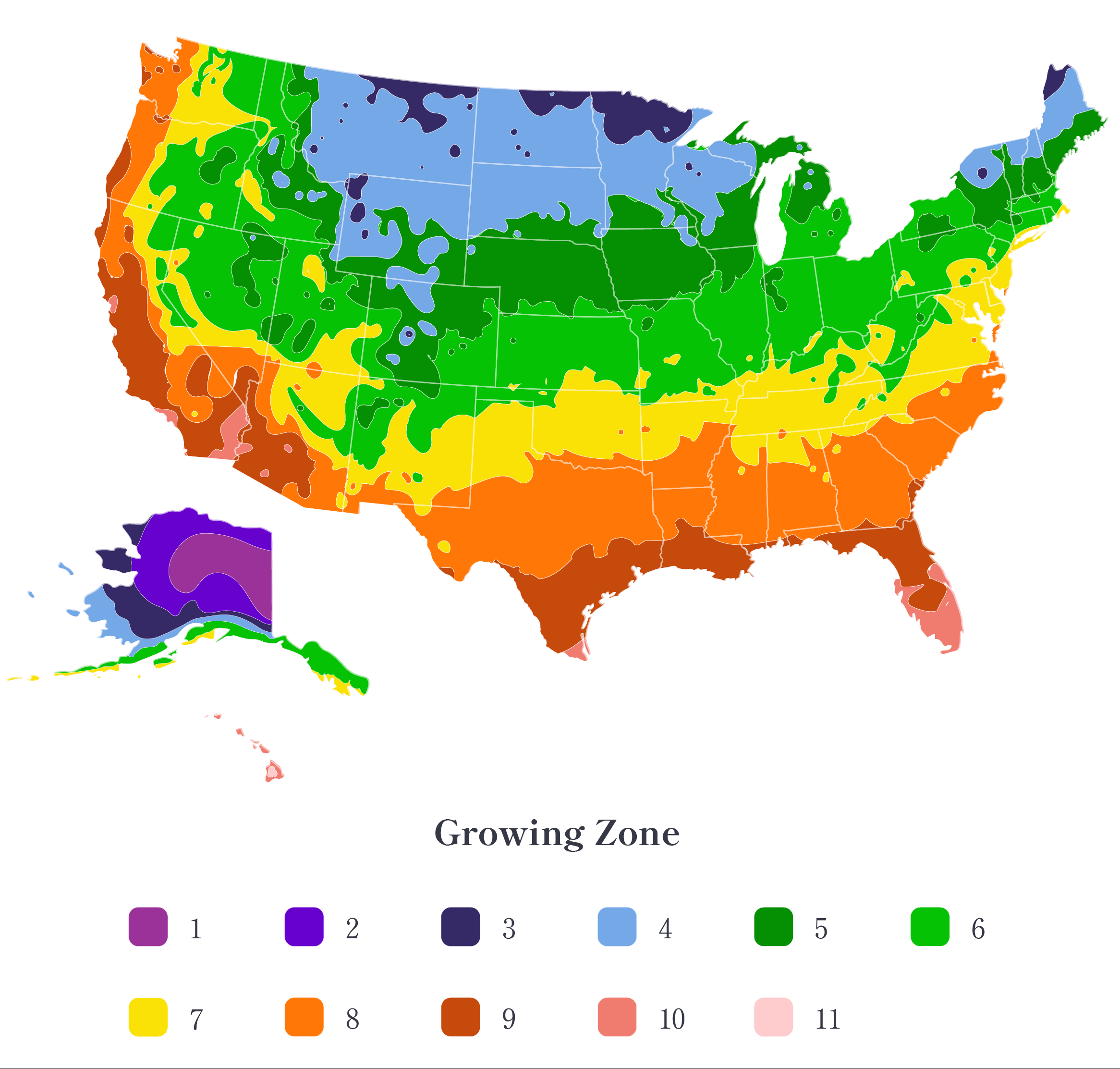
Credit: www.trees.com
Resources For New Jersey Gardeners
New Jersey is a beautiful state for gardening enthusiasts. The unique climate provides a great environment for many plants. Gardening in New Jersey can be rewarding with the right resources. From local clubs to online communities, there’s plenty to help you grow your garden knowledge. This section will guide you to resources available for New Jersey gardeners.
Local Gardening Clubs
Joining a local gardening club can be beneficial. These clubs offer a chance to meet fellow gardeners. Many clubs organize workshops and plant swaps. You can gain hands-on experience and learn from others. Some popular clubs include:
- New Jersey Gardeners Club
- Garden State Gardening Association
- North Jersey Gardeners
Members often share tips and resources. It is a great way to become part of the gardening community.
Online Gardening Communities
Online communities are valuable for gardeners too. They provide a platform to connect with others. You can find answers to questions and share experiences. Popular online communities include:
- New Jersey Gardening Forums
- Reddit Gardening Subreddit
- Facebook Gardening Groups
These platforms are accessible and full of useful information. Participating in these communities can enhance your gardening skills.
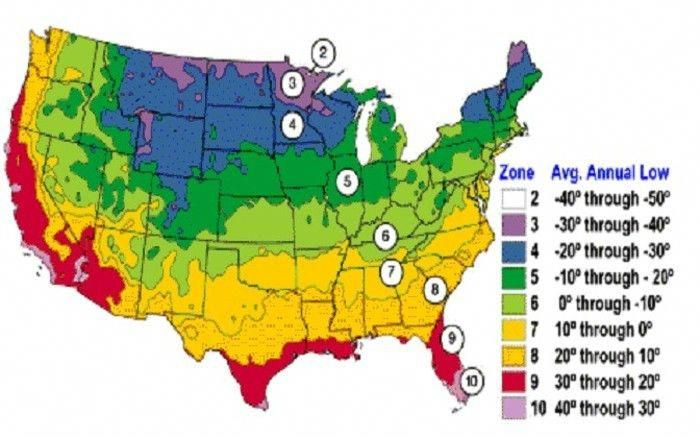
Credit: gardeninghabits.com
Frequently Asked Questions
What Zone Am I For Gardening In Nj?
New Jersey is primarily in USDA Hardiness Zones 6 and 7. Zones can vary slightly based on local climate. Always check your specific location for accurate planting advice.
Is Nj In Zone 7?
Yes, parts of New Jersey are in USDA Plant Hardiness Zone 7. These areas enjoy milder winters. Zone 7 is ideal for growing a variety of plants. Check specific local conditions for precise gardening advice.
Is New Jersey Zone 8?
New Jersey mostly falls within USDA Hardiness Zones 6 and 7. Some southern parts may be in Zone 8. Always check local climate data for specifics.
What Zone Is New Jersey In The Tropical Zone?
New Jersey is not in the tropical zone. It is located in the temperate zone. This zone experiences four distinct seasons with varying temperatures.
Conclusion
Understanding New Jersey’s garden zone helps plan your garden better. The state’s zone varies from 6a to 7b. This range influences plant choices and care. Knowing this helps ensure healthy plants. Hardy plants survive the colder zones. Tender plants thrive in warmer zones.
Local nurseries offer plants suited to your zone. Research plant needs before purchase. Consider soil and sunlight requirements. Successful gardening depends on choosing the right plants. Make your garden thrive by understanding your zone. Enjoy a colorful garden all season long.
Happy gardening in New Jersey!


