
Are you spending hours tending to your garden only to discover pesky intruders lurking among your cherished plants? Weeds can be sneaky little invaders that threaten to take over your garden paradise.
But don’t worry; you’re not alone. Many gardeners struggle to identify these unwelcome guests. Understanding what weeds look like in your garden is the first step to reclaiming control and ensuring your plants thrive. By the end of this article, you’ll be equipped with the knowledge to spot these garden foes and take action.
Ready to turn your garden into a weed-free haven? Let’s get started!
Credit: medium.com
Common Weed Characteristics
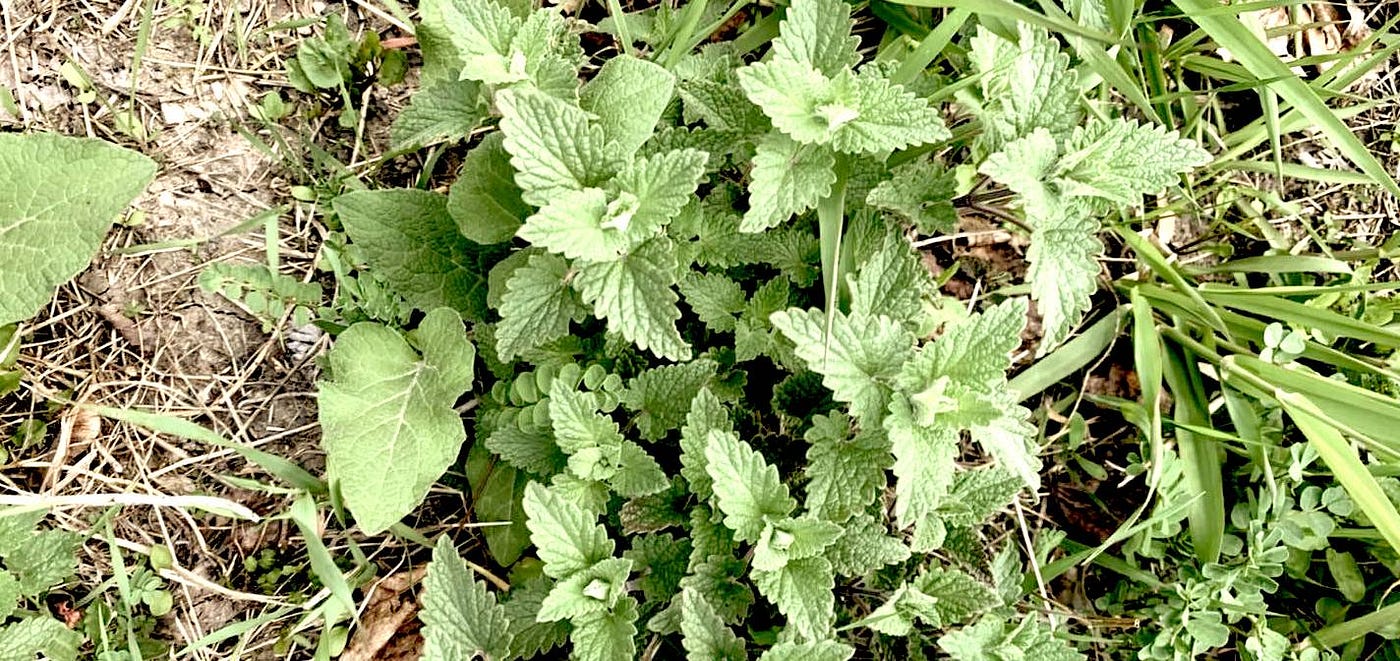
Weeds often appear with rapid growth and dense foliage. They typically have broad leaves or unusual shapes. Their vibrant green hues can stand out among garden plants.
Gardening is a delightful hobby, but the uninvited guests in the form of weeds can often turn this joy into frustration. Recognizing these garden invaders is the first step in managing them effectively. Common weeds, despite their diverse appearances, share some distinguishing features that can help you spot them early on. Understanding these characteristics will empower you to maintain a healthy, weed-free garden.Leaf Shape And Texture
Weeds often have distinctive leaf shapes and textures. Some possess broad, flat leaves like those of dandelions, while others have narrow, grass-like blades. The textures can vary from smooth and shiny to hairy and rough. Feeling the leaves can offer clues about the weed’s identity.Growth Patterns
Observing how weeds grow can also provide insight. Many weeds grow in rosettes—a circular arrangement of leaves at the base. Others spread aggressively through runners or rhizomes, quickly occupying large areas. Recognizing these growth patterns early can help you tackle them before they spread too far.Root Systems
Weeds often have robust root systems. Some, like taproots, delve deep into the soil, making them difficult to pull out completely. Others have fibrous roots that create dense mats. When you spot these roots while gardening, it’s a signal to act quickly to prevent further growth.Flowering And Seed Production
Weeds are prolific in flowering and seed production. They often produce small, inconspicuous flowers that quickly turn into seeds. Observing the flowering habits can help you understand their reproduction cycle. This knowledge is crucial in timing your weed control efforts effectively.Color And Height
Weeds often exhibit a range of colors, from vibrant greens to dull browns, and vary in height. Some may blend in with your garden plants, while others stand out starkly. Regularly inspecting your garden for unusual plant colors and heights can help you identify potential weeds before they become a problem. Have you ever wondered why some plants thrive amidst your carefully curated flowers and vegetables? Understanding these common weed characteristics not only helps you identify them but also empowers you to take proactive measures. By staying vigilant, you can ensure that your garden remains a space of beauty and growth.Identifying Leaf Shapes
Identifying leaf shapes is key to spotting weeds in your garden. Weeds often have jagged, irregular leaves, unlike cultivated plants. Recognizing these shapes helps keep your garden healthy and weed-free.
Identifying leaf shapes in your garden can help spot weeds. Different weeds have unique leaf shapes. Knowing them can make weed control easier. Let’s explore the types of leaf shapes you might see.Broadleaf Weeds
Broadleaf weeds have wide leaves. They often have a noticeable vein pattern. Dandelions and clovers are common examples. Their leaves can be round or have pointed edges. Many broadleaf weeds have a shiny or textured surface.Grassy Weeds
Grassy weeds have narrow, blade-like leaves. They resemble grass and can blend in easily. Crabgrass is a familiar grassy weed. Leaves are often long and slender. They usually grow in clusters or tufts.Sedges
Sedges have a unique triangular stem. Their leaves are grass-like but stiffer. The edges of sedge leaves can feel rough. They often grow in wet or poorly drained soil. Yellow nutsedge is a common type.Flower And Seed Identification
Weeds in the garden often have jagged leaves and grow quickly, outpacing desirable plants. They can appear with small, inconspicuous flowers and sometimes mimic the appearance of garden plants. Recognizing these features helps in managing and controlling their spread effectively.
Flower and seed identification helps gardeners recognize weeds. These features distinguish them from desired plants. Weed flowers often mimic garden blooms, but subtle differences exist. Seeds and pods also offer clues about weed types. Understanding these characteristics aids in effective garden management.Weed Flower Types
Weeds display a variety of flower types. Some produce bright, attractive blooms. Dandelions have yellow, daisy-like flowers. Clover shows small, white or pink clusters. Bindweed features trumpet-shaped, white or pink flowers. Each flower type reveals the weed’s identity. Recognizing them prevents confusion with garden plants.Seed And Pod Appearance
Weed seeds vary in size and shape. Dandelions form fluffy, white seed heads. These disperse easily in the wind. Clover seeds are small, round, and hard. Bindweed produces capsule-like pods, housing numerous seeds. Observing these traits helps identify specific weeds. This knowledge supports targeted removal efforts.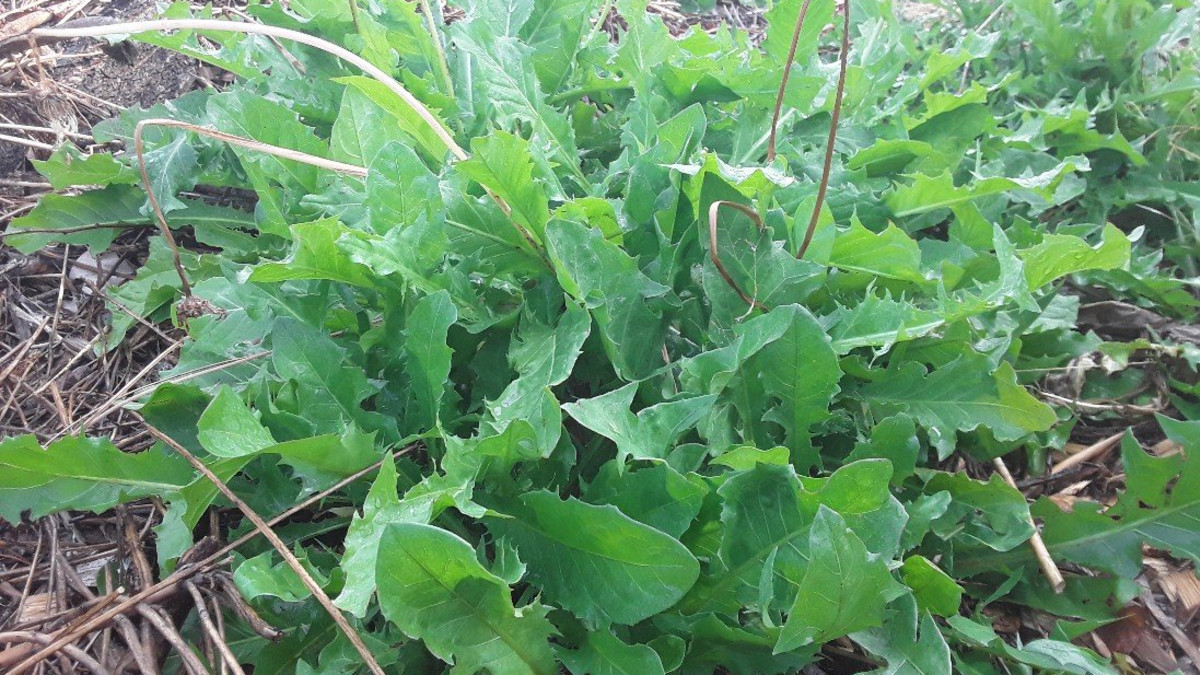
Credit: dengarden.com
Root System Traits
Weeds in gardens often have different root traits. Their roots can be fibrous, spreading wide to absorb nutrients. Some have deep taproots, making them hard to pull out completely. Recognizing these traits helps in managing their growth effectively.
Understanding the root system traits of weeds helps in garden maintenance. Different weeds have distinct root structures that affect their growth and removal. Knowing these traits aids in identifying and controlling weeds effectively. Let’s explore the two main types of root systems: taproot weeds and fibrous root weeds.Taproot Weeds
Taproot weeds have a central, thick root that grows deep into the soil. This root anchors the weed firmly, making it hard to pull out. Dandelions and thistles are common taproot weeds. Removing them often leaves part of the root behind. This can lead to regrowth. Careful removal is key to managing taproot weeds effectively.Fibrous Root Weeds
Fibrous root weeds have a network of thin roots spreading outwards. These roots form a dense mat just below the soil surface. Grass-like weeds often have fibrous roots. They spread quickly and can cover large areas. Pulling them is easier compared to taproot weeds. Yet, they can still regrow if not completely removed.Color And Texture Clues
Identifying weeds in your garden can be tricky. They often blend with other plants. Understanding color and texture clues helps spot them easily. These clues can save time and effort. Keep your garden healthy and weed-free.
Foliage Colors
Weeds often display unique leaf colors. Many have shades of green that differ from garden plants. Some weeds have bright green foliage. Others might show darker or lighter greens. Certain weeds even boast purple or red hues. These colors stand out among typical garden greens. Spotting these colors can signal the presence of weeds.
Surface Textures
Texture is another clue in identifying weeds. Many weeds have rough or hairy leaves. Some might feel waxy or slick. Other weeds possess spiky or prickly surfaces. These textures are different from most garden plants. Feel the leaves gently. Notice any unusual textures. This can indicate a weed.

Credit: www.aol.com
Seasonal Changes In Weeds
Understanding seasonal changes in weeds can help you manage your garden better. Weeds adapt to different weather conditions. They change with the seasons, making them harder to control. Knowing what to expect each season helps you identify and tackle them effectively.
Winter Weeds
Winter weeds thrive in cooler temperatures. They often start growing in late fall. These weeds include chickweed and henbit. Chickweed is small with white flowers. Henbit has purple blooms and square stems. These weeds can survive frost, making them tough to remove. Keep an eye out for them as temperatures drop.
Summer Weeds
Summer brings a different set of weeds. They grow quickly in warm weather. Crabgrass and bindweed are common summer weeds. Crabgrass spreads low to the ground. Bindweed climbs and wraps around plants. These weeds love sunlight and heat. Regular monitoring and removal can keep them in check.
Regional Weed Varieties
Have you ever wandered through a garden and wondered why certain plants seem to pop up everywhere, regardless of your efforts to remove them? The answer often lies in the regional weed varieties that thrive in different climates. Understanding these varieties can help you tackle them more effectively and keep your garden flourishing.
Weeds In Temperate Climates
In temperate climates, weeds often have a knack for appearing right when you think your garden is perfect. Dandelions are particularly notorious, with their bright yellow flowers quickly turning into puffballs that spread seeds with the slightest breeze.
Clover and chickweed are also common culprits. They sneak into your garden beds with their tiny leaves and quickly blanket the soil, competing for nutrients with your prized plants.
Have you noticed crabgrass creeping along your garden paths? This weed thrives in the mild weather, making it a persistent challenge for gardeners in temperate zones.
Weeds In Tropical Regions
If you live in a tropical region, your garden might be battling entirely different foes. Nutgrass is one such weed that seems almost impossible to eradicate, with its underground tubers making it a recurring nuisance.
Lantana might be beautiful in the wild, but in your garden, it can become invasive. Its colorful flowers can quickly overshadow other plants, demanding more attention than you’d like to give.
Have you ever tried to pull up a stubborn sedge? Its triangular stems are a tell-tale sign that it’s thriving in the warm, humid conditions of tropical climates.
Now that you have a clearer picture of what weeds look like in different regions, it’s time to consider your approach. What strategies have you tried in your garden, and how effective have they been? Your insights could be the key to unlocking a weed-free paradise.
Distinguishing Weeds From Plants
Identifying weeds in your garden involves looking for plants that grow rapidly and densely. They often appear in unexpected spots and may have leaves, flowers, or growth patterns different from your cultivated plants. Weeds can be tall or short, with broad or narrow leaves, often competing with your plants for resources.
Distinguishing weeds from garden plants can be tricky for many gardeners. Weeds often mimic the appearance of desirable plants. This makes it challenging to identify them. Knowing the differences helps maintain a healthy garden.Similarities With Garden Plants
Weeds and garden plants can share similar features. Both may have similar leaf shapes and colors. Some weeds even sprout beautiful flowers. This can confuse even seasoned gardeners. Weeds can also grow in similar patterns. They often integrate seamlessly into your garden beds. This camouflage can make detection difficult.Key Differences
Weeds often grow faster than garden plants. They compete for resources like sunlight and nutrients. Their growth patterns can be aggressive. They may appear in clusters or spread rapidly. Unlike garden plants, weeds usually have shallow roots. This makes them easier to pull out. Weeds often have simple flowers or none at all. They might lack the vibrant colors of cultivated blooms. Their leaves can be rougher or less symmetrical. Recognizing these traits aids in quick identification.Frequently Asked Questions
Is It Okay To Have Weeds In Your Garden?
Having weeds in your garden can compete with plants for nutrients. Some weeds might attract beneficial insects. Regularly manage weeds to maintain a healthy garden. A balanced approach can prevent them from overwhelming your plants. Keep your garden tidy to ensure optimal growth conditions for your desired plants.
How Do You Get Rid Of Weeds In A Garden?
Remove weeds by hand-pulling or using a hoe. Apply mulch to suppress growth. Use herbicides selectively. Regularly inspect the garden for new weeds. Keep soil healthy to prevent weed spread.
How To Tell The Difference Between Grass And Weeds?
Grass usually grows uniformly and is soft, while weeds have irregular growth patterns and can be coarse. Weeds often display unique shapes or colors. Identifying broad leaves or unusual textures can help differentiate. Regular lawn maintenance can minimize weed presence and promote healthy grass growth.
Do Weeds Mean Good Soil?
Weeds often indicate good soil because they thrive in nutrient-rich environments. Their presence can suggest fertile ground. However, not all weeds signify healthy soil, as some adapt to poor conditions. Observing the specific types of weeds can offer more insight into soil quality.
Conclusion
Identifying garden weeds helps maintain a healthy space. These unwanted plants compete for nutrients, water, and sunlight. Recognizing them early prevents damage to your flowers and vegetables. Regular checks keep your garden thriving. Remember, weeds come in various shapes and sizes.
Some mimic your plants, making them tricky to spot. Stay vigilant. Remove them promptly to ensure growth and beauty. Use gloves and tools for safe removal. A tidy garden is a happy garden. With patience and care, your garden will flourish.
Keep learning and observing. Your gardening skills improve with practice. Happy gardening!


