Fresh basil is one of the most fragile herbs you can buy. One day it's vibrant and fragrant, the next it's a black, slimy disappointment. Storing basil correctly is the difference between making the most of your harvest and tossing half of it in the trash.
The good news is that the right method isn't complicated. It just depends on what you need. Our research points to one key fact: basil is about 85% water, making it highly sensitive to temperature and moisture.
So the best storage approach isn't a single trick, it's a small set of options tailored to your timeline. Let's walk through them.
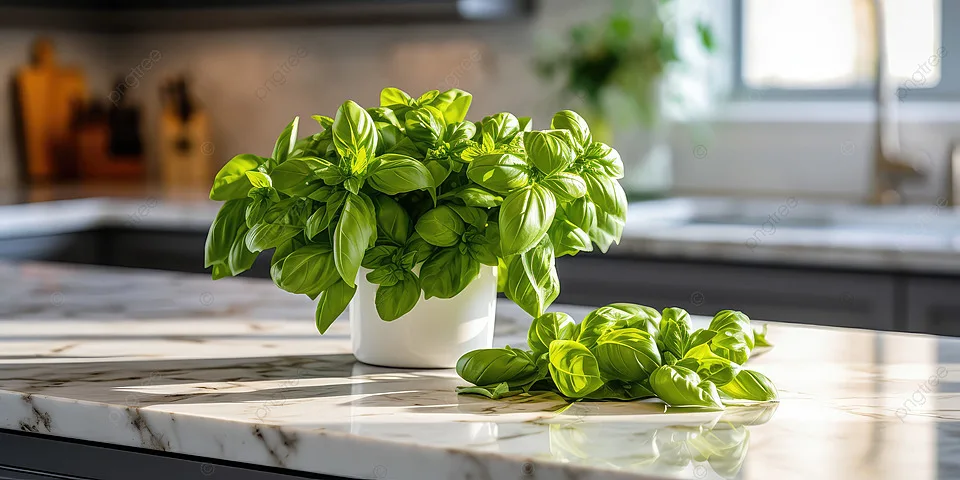
Image source: Web (Bing) / pngtree.com (Web image (fair-use with source credit))
How to Store Basil So It Stays Fresh for Weeks
Why Basil Goes Bad So Fast (and How to Fix It)
If you've ever left basil in the plastic bag from the grocery store, you know exactly what happens. Within two days, the leaves turn brown at the edges and the bag starts to collect condensation. That's the death spiral.
Here's the science: basil is a tropical plant. It loves warm, humid conditions, but it cannot tolerate cold. When you put it in a fridge that hovers around 35°F, the leaves suffer chilling injury.
This causes them to darken, become water-soaked, and eventually rot. The cold actually breaks down the cell walls, turning crisp leaves into slime.
The second enemy is moisture. Washed basil that stays damp encourages bacteria and mold to grow rapidly. Unwashed basil in a sealed bag traps the natural moisture that the leaves release, creating the same problem.
The fix isn't complicated. You just need to control three things: temperature, moisture, and airflow. Match those to how long you want to keep the basil, and you'll stop losing leaves to the garbage.
The Key to Fresh Basil: Ditch the "One-Size-Fits-All" Advice
Most storage guides give you one method and call it done. That's why they fail. The truth is, the best way to store basil shifts depending on your situation.
Ask yourself three questions before you do anything:
- How long do I need to keep this?
- Is it from the garden, or store-bought?
- Has it been washed already?
These answers point you to the right method. Use basil the same day? Leave it on the counter in a glass of water.
Need it to last a week? The fridge with a stem-and-water setup works well. Want to keep it for months?
Freeze it.
Here's a quick comparison of the main approaches:
| Method | Shelf Life | Best For | Key Requirement |
|---|---|---|---|
| Countertop in water | 2-3 days | Same-day or next-day use | Upright stems, cool room |
| Fridge in water | 1-2 weeks | Weekly meal planning | Clean stems, bag tent, water change |
| Freezer (blanched or pesto) | 3+ months | Batch cooking, winter flavor | Blanching or oil coating |
| Dried | 12+ months | Spice blends, dry rubs | Low oven or dehydrator |
The takeaway is simple: match the method to the timeline. Don't stick everything in the fridge and hope.
The Three Decision Branches: Short-Term, Medium-Term, and Long-Term Storage

Image source: Bing (Web (fair-use with source credit))
Now let's get specific about each branch of the decision tree.
Same Day or Tomorrow (Countertop)
If you're cooking tonight or tomorrow, skip the fridge entirely. Cold is unnecessary and hurts the leaves.
Cut the stems at a 45-degree angle and place the bunch in a jar or glass with about an inch of water. Set it on the counter, away from direct sunlight and heat. Loosely cover the leaves with a plastic bag to trap some humidity, though it's optional for just a day or two.
This method keeps leaves crisp and aromatic for up to three days. Change the water every day and trim the stems again if you plan to keep it longer. It's the closest to how basil lives in the ground.
The One-Week Sweet Spot (Fridge)
Need basil to last five to ten days? The fridge works, but only if you do it right.
Start with dry, unwashed basil. Wash it right before use, not before storage. Trim the stems again and place the bunch in a tall jar with a small amount of water, just enough to cover the stem ends.
Then drape a loose plastic bag over the leaves, creating a tent. This keeps the air around the leaves humid but allows some exchange.
Place it in the warmer part of the fridge, like the upper shelves or the door. Avoid the very back where the temps dip lower. Change that water every two or three days, and check for any wilted leaves to remove.
That's how you get a full week of fresh basil.
Months of Flavor (Freezer or Dried)
When you have a big harvest, freezing or drying is your friend.
Freezing whole leaves works best when you blanch them first. Dunk leaves in boiling water for two seconds, then plunge into ice water. Pat dry, lay them flat on a baking sheet, and freeze until solid.
Transfer them to a freezer bag, push out the air, and seal. They'll keep for three to six months, though the texture will be soft.
Making pesto is another great option. Puree the leaves with olive oil, garlic, salt, and nuts (cheese optional). Pour into ice cube trays, freeze, then pop the cubes into a freezer bag.
That gives you perfect single-serving portions.
For dried basil, use a food dehydrator or a very low oven at 180°F. Leaves should dry completely and crumble easily. Store in an airtight jar in a dark pantry.
Expect it to last over a year, but know that dried basil has a different flavor profile, more subdued and slightly sweet.
Common Mistakes That Ruin Basil (And How to Avoid Them)
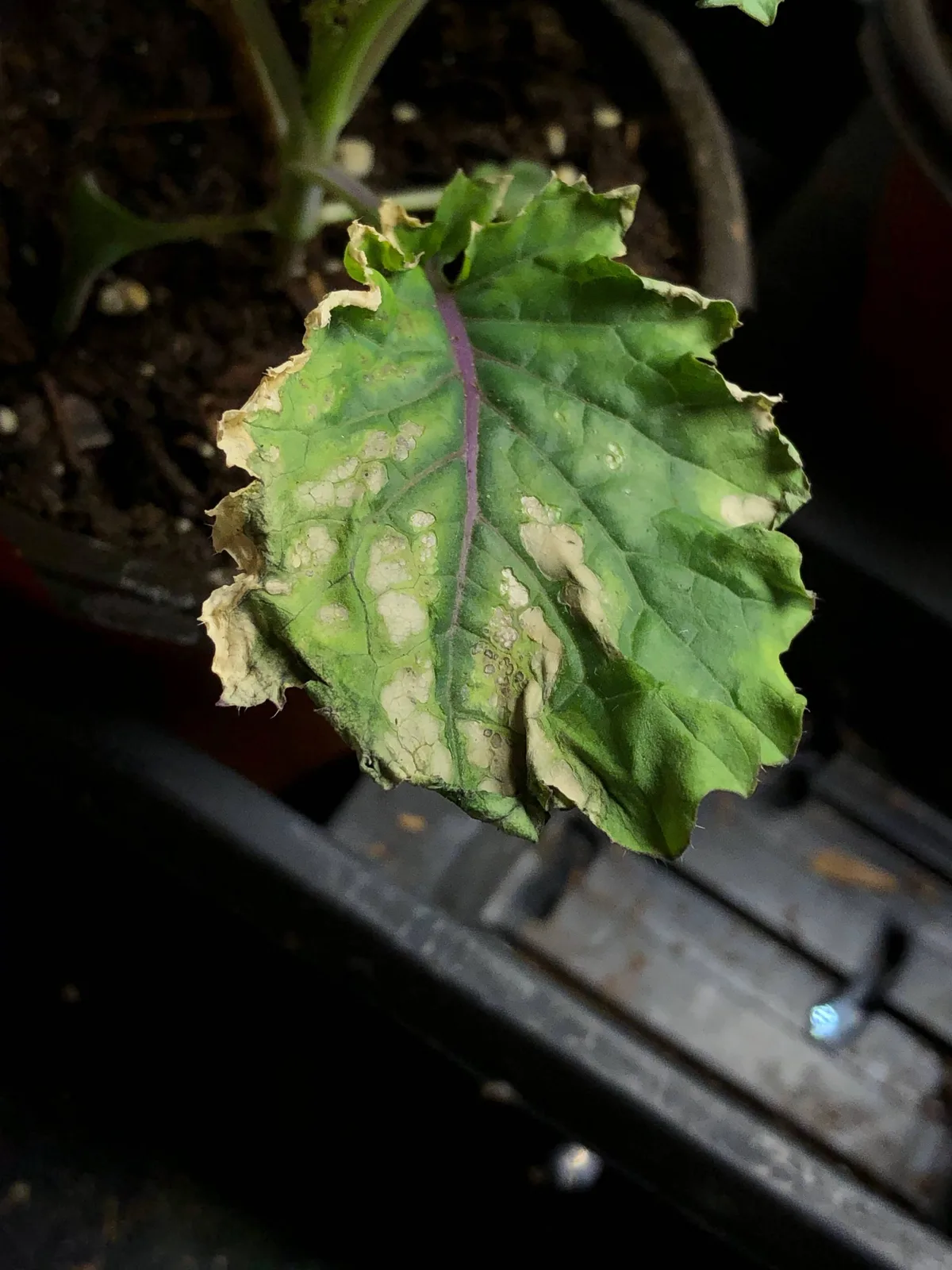
Image source: Web (Bing) / thearches.co.uk (Web image (fair-use with source credit))
We've all made these mistakes. Here's how to stop the cycle of wasted basil.
First, washing before storage. Wet leaves are a breeding ground for mold. Dry them thoroughly with a salad spinner or paper towels if you must wash them.
Honestly, it's better to store them unwashed and clean each leaf right before use.
Second, using a sealed plastic bag without any airflow. That traps ethylene gas and moisture, speeding up spoilage. If you have store-bought basil in its original bag, poke some holes in the plastic, or better yet, transfer it to a jar with water.
Third, placing basil in the coldest part of the fridge. Right next to the back wall or in the crisper drawer can drop below 32°F, causing freezer burn or chilling damage. Keep it toward the front, away from vents and circulating cold air.
Fourth, ignoring the stems. The stem is the life support system of the bunch. Cutting fresh stems and giving them water dramatically extends shelf life.
Skip this, and the leaves wilt in hours.
Finally, freezing basil without blanching. Freezing raw basil stops the enzyme activity, but it also produces a mushy, dark mess when thawed. A quick blanch stops those enzymes and locks in color and flavor.
The Decision Guide: Which Storage Method Belongs in Your Kitchen
Let's put it all together. Imagine you're holding a bunch of basil right now. Use this quick flowchart to decide what to do.
| If you need it… | Then use this method | With these steps |
|---|---|---|
| Within 2 days | Countertop water | Trim stems, place in glass, cover loosely |
| 3 to 10 days | Fridge water tent | Dry leaves, trim stems, jar with water, bag tent |
| 3 to 6 months | Freezer | Blanch whole leaves or make pesto and freeze |
| Over 1 year | Drying | Dehydrator or 180°F oven until brittle |
The beauty of this guide is that it saves you from guessing. You'll know exactly what to do, no matter the situation.
One more tip: write the date on your freezer bags or dried basil jars. It's easy to forget how long something's been stored, and stale basil loses its punch. Rotating stock, meaning using older basil first, keeps your kitchen full of fresh flavor year-round.
For the highest standard of home food preservation, the National Center for Home Food Preservation offers detailed guidelines on freezing and drying herbs. Check out their resources at the University of Georgia's extension site for scientifically backed methods.
Expert Tips to Get the Most Out of Your Basil
Beyond the basics, a few pro-level tricks separate decent storage from exceptional preservation.
First, keep stems in water even when storing in the fridge. Basil continues to draw moisture through the cut stem, which keeps leaves plumper for longer. Trim the stems with a sharp knife, never scissors, because crushing the stem damages the vascular tissue and reduces water uptake.
Second, store basil away from ethylene-producing fruits. Apples, bananas, avocados, and tomatoes release ethylene gas that accelerates yellowing and leaf drop. Keep basil on a separate fridge shelf or a different counter area.
Third, don't wash until right before use. This is the single most effective habit to prevent mold. If you do wash, dry thoroughly with a salad spinner, then pat with paper towels to catch any residual droplets.
Fourth, when freezing pesto, add a thin layer of olive oil on top before sealing. This prevents oxidation and keeps the surface bright green instead of brown. It also makes the cube easier to pop out of the tray.
Finally, for dried basil, crush leaves just before use. Crushing releases volatile oils, and doing it fresh gives you significantly stronger flavor. Storing leaves whole preserves the oils longer than pre-crushed versions.
Frequently Asked Questions
How long does fresh basil last in the fridge?
With the proper jar-and-water method, fresh basil lasts 7 to 14 days in the fridge. Store unwashed stems upright in a glass with about an inch of water, cover loosely with a plastic bag, and change the water every two to three days. Without water, expect only three to four days.
Should basil be stored in the refrigerator or at room temperature?
It depends on your timeline. Use basil within two days, keep it on the counter in a jar of water. Need it for a week or more, use the refrigerator with the stem-and-water method.
Countertop storage is best for short-term use, while refrigeration extends shelf life significantly.
What is the best way to freeze basil?
Blanch whole leaves in boiling water for two seconds before freezing. Plunge them into ice water, dry thoroughly, then lay them flat on a baking sheet and freeze. Transfer to an airtight freezer bag with the air pressed out.
Alternatively, make pesto and freeze in ice cube trays for convenient portioning.
Can you store basil in a plastic bag?
A sealed plastic bag is the worst option for fresh basil. It traps excess moisture and ethylene gas, causing rapid rot. If you must use a bag, leave it partially open and wrap leaves in a dry paper towel first.
Better options include a jar with water or a specialized herb keeper.
Does dried basil ever expire?
Dried basil lasts 12 to 18 months when stored in an airtight container in a dark, cool place. After that, it won't spoil, but it loses potency and flavor. The aroma fades noticeably, and the color turns from green to brownish-gray.
Replace it when crushing the leaves produces minimal fragrance.



