If you've ever sliced open an aloe leaf only to find it turning brown and slimy in the fridge a few days later, you know the frustration. Properly storing aloe vera is surprisingly tricky because fresh aloe gel is mostly water and has no natural preservatives. Get the method wrong, and you're tossing more than you use.
According to the International Aloe Science Council, raw aloe gel begins oxidizing within hours of exposure to air, which darkens the color and degrades beneficial compounds. The right storage method depends entirely on what form your aloe is in and when you plan to use it. So where do you start?
Quick Answer
Store a whole leaf upright in a jar with an inch of water. Change the water every few days. It stays fresh for 2 to 3 weeks.
Scrape and refrigerate raw gel in an airtight glass jar for up to one week. Freeze gel in ice cube trays for 3 to 6 months of shelf life. Choose your method based on when you need it next.
Before You Start: Know What You're Dealing With
Fresh aloe vera is alive in a way that surprises most people. A leaf you just cut is still metabolizing, still losing moisture, still fighting off microbes. The moment you expose the inner gel to air, two things happen fast.
First, oxidation kicks in. Enzymes in the gel react with oxygen, turning the clear gel pinkish or brown within a day or two. This doesn't make the aloe unsafe, but it does reduce the levels of some active compounds like acemannan.
Second, moisture loss makes the gel shrink and go stringy.
Your fridge is the single best tool here. The cold slows down both enzyme activity and bacterial growth dramatically. But even in the fridge, the clock is ticking.
The USDA cold storage guidelines classify fresh-cut produce as highly perishable, and aloe is no exception.
The core question you need to answer before you start: How soon are you going to use this? That one answer determines everything that follows.
Image source: Web (Bing) / pinch-of-health.com (Web image (fair-use with source credit))
The Big Decision: Leaf, Gel, or Cube?
This is the decision tree. You have three basic paths, and picking the wrong one is the #1 reason people waste aloe.
Whole Leaf in the Fridge
If you used half a leaf and want to save the rest, this is your move. It's also the best option if you plan to use aloe within two to three weeks and want the freshest possible gel each time.
Keep the leaf intact, do not cut it further. Rinse and dry the outside. Wrap the cut end tightly in plastic wrap or a small piece of paper towel secured with a rubber band.
Then stand the leaf upright in a jar with about an inch of water, like you would fresh asparagus. The leaf draws water up through its base, keeping the gel hydrated and firm.
Place the jar in the main compartment of your fridge, not the door where temperatures fluctuate. Change the water every two to three days and re-wrap the cut end if it gets soggy. This method keeps a whole leaf usable for 2 to 3 weeks.
The gel stays clear, firm, and smells fresh.
Do not store the leaf in a sealed plastic bag. The trapped moisture and ethylene gas cause the leaf to break down faster and encourage mold on the cut surface.
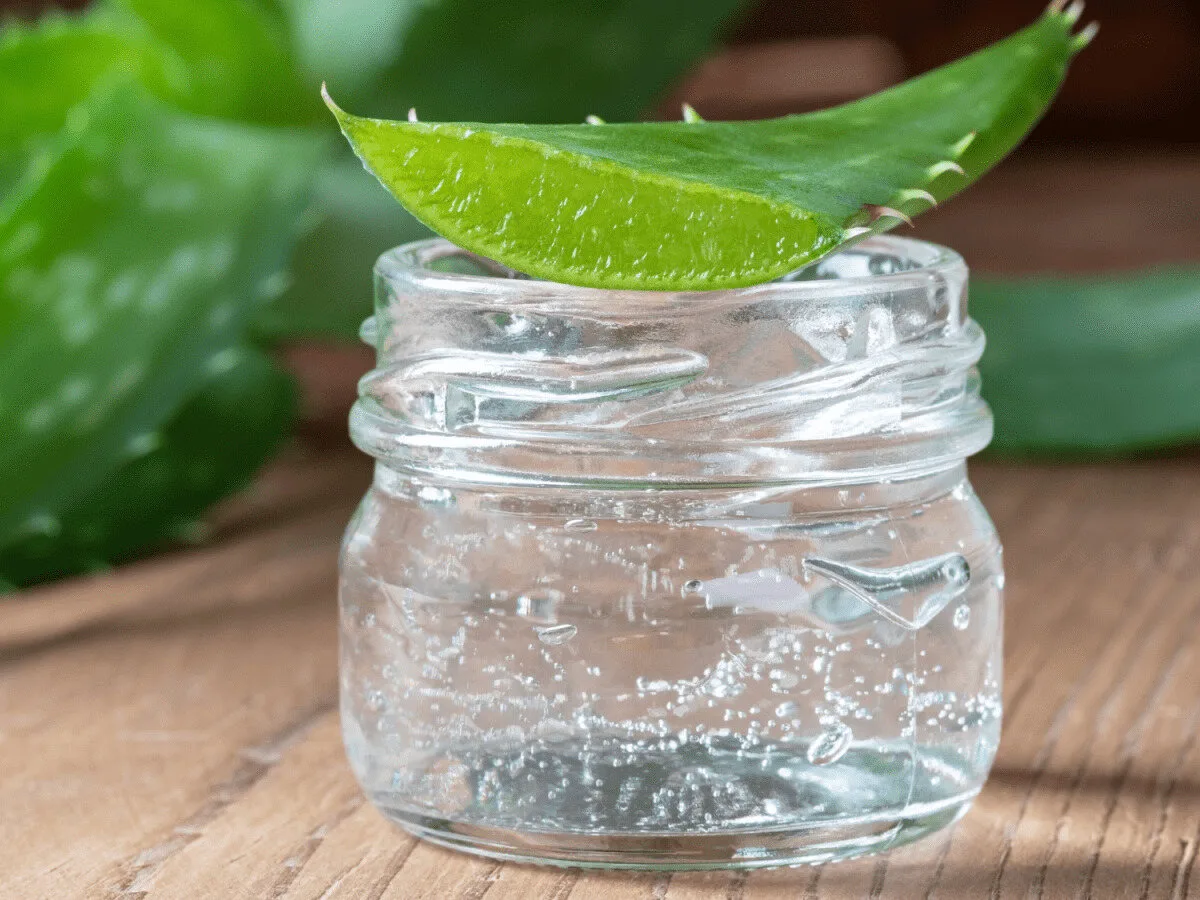
Image source: Web (Bing) / storables.com (Web image (fair-use with source credit))
Raw Gel in the Fridge
This is the shortest window, so only do this if you plan to use the gel within a week. Scrape the gel from the leaf and place it in a clean, airtight glass jar. Avoid metal containers because the gel can react with reactive metals and turn darker.
Press a piece of plastic wrap directly onto the surface of the gel before sealing the lid. This minimizes air contact and slows oxidation. The gel will still darken slightly after a few days, but that's cosmetic, not a sign it's gone bad.
If the gel develops a sour smell or any visible mold, throw it out.
This method works best for people who use aloe daily, a face mask every morning, a smoothie addition, or a sunburn treatment that gets frequent use.
Freezing Aloe Gel
Freezing is the only way to keep aloe gel for months. It's the right choice if you harvested a big batch from your plant or bought a large leaf and know you won't use it soon.
Scoop the gel into ice cube trays. Each cube holds roughly one to two tablespoons, which is perfect for a single serving in a smoothie or a single face treatment. Freeze the cubes solid, then pop them out and transfer them to a labeled freezer bag.
Squeeze out as much air as possible before sealing.
The texture will not survive. Thawed aloe gel turns watery and loses its thick, gel-like consistency. That matters for skincare applications where you want a gel to stay put on your face.
It works fine for smoothies, beverages, or DIY soap making where texture doesn't matter.
To minimize texture loss, freeze the gel in shallow, flat containers instead of deep cubes. The faster it freezes, the smaller the ice crystals and the less damage to the cell structure. Some people blend the gel with a little vitamin C powder or citric acid before freezing to preserve the color and stabilize the compounds.
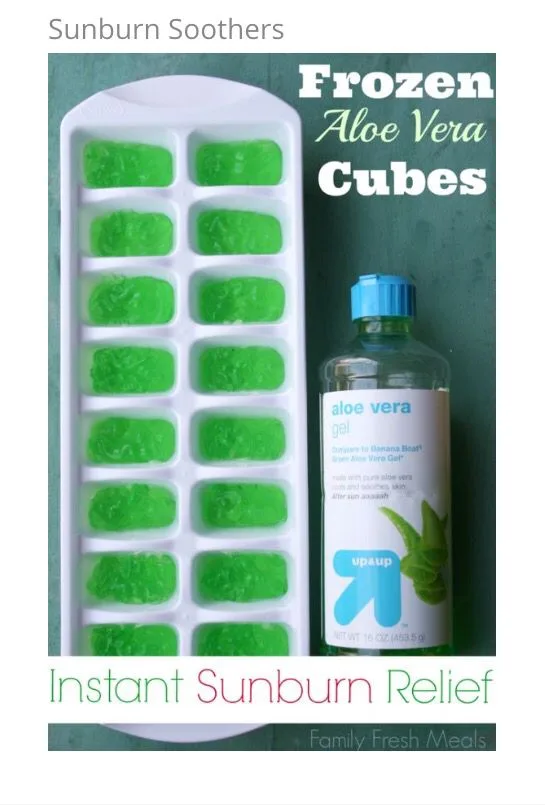
Image source: Web (Bing) / pinterest.com (Web image (fair-use with source credit))
Mistakes That Ruin Your Aloe (And How to Avoid Them)
Most aloe storage failures come from a few common mistakes. Here's what to watch for.
Skipping the aloin rinse. The yellow sap between the green rind and the clear gel is aloin, a latex compound that's bitter and can irritate skin. Always rinse the gel after scraping to wash away that yellow layer. It also accelerates browning.
Using the wrong container. Metal bowls or containers can cause the gel to darken and develop an off taste. Glass jars are best. Plastic works for freezing but can absorb odors over time.
Storing wet gel. If the gel has moisture pooling on top, that extra water dilutes the gel and encourages bacterial growth. Pat it dry gently with a paper towel before jarring.
Freezing without air protection. Exposed frozen gel develops freezer burn, just like meat. The edges turn dry and discolored. Always press plastic wrap onto the surface or use an airtight container.
Not labeling anything. Three months later, you will not remember which cubes are aloe and which are leftover pesto. Label every container and cube tray with the date.
Quick-Reference Table: Storage Method vs. Shelf Life
This table shows the three main storage paths side by side, so you can choose based on how soon you need the aloe.
| Storage Method | Shelf Life | Best For | Key Limitation |
|---|---|---|---|
| Whole leaf upright in water (fridge) | 2 to 3 weeks | Frequent small-portion use | Requires water changes every 2-3 days |
| Raw gel in airtight jar (fridge) | 5 to 7 days | Daily skincare or smoothies | Short window; gel darkens over time |
| Frozen gel cubes (freezer) | 3 to 6 months | Large harvests or occasional use | Texture becomes watery after thawing |
The rule of thumb: if you'll use it in a week, refrigerate the gel. If you'll use it in a month, freeze it. If you harvested more than you can handle in a month, cube and freeze immediately, don't let it sit in the fridge first.
Frequently Asked Questions
Can I store aloe vera at room temperature?
No. A cut leaf or raw gel will spoil within 1 to 2 days at room temperature. The gel oxidizes quickly and bacteria multiply fast above 40°F.
If you must keep it out for an hour during prep, that's fine, but longer than that means the fridge or freezer.
How do I know if aloe vera gel has gone bad?
Trust your nose and eyes first. Fresh aloe smells mild and earthy. If it smells sour, rancid, or like fermented vegetables, toss it.
Discoloration alone is not a sign of spoilage, but if you see fuzzy mold spots, any pink or black patches on the gel surface, or the texture turns slimy, discard it.
Can I freeze the whole aloe leaf?
You can, but you probably shouldn't. Freezing a whole leaf damages the cell walls so badly that when it thaws, the gel turns into watery mush. It is very hard to separate clean gel from the rind after freezing.
Stick to freezing only the scraped gel for consistent results.
Does lemon juice or vitamin C help preserve aloe gel?
Yes, a small amount of citric acid or vitamin C powder can slow oxidation and extend fridge life by a few days. Add about 1/8 teaspoon of vitamin C powder per cup of gel. It helps the gel stay clear longer, but it will not prevent eventual spoilage, so still refrigerate.
How long does a cut aloe leaf last in the fridge uncovered?
Only about 3 to 4 days. Without wrapping the cut end or standing it in water, the leaf dries out. The gel shrinks, turns brown at the edges, and loses its beneficial compounds.
Always cover the cut surface or use the upright water method for the longest fridge life.
Can I store homemade aloe gel in the same container as store-bought?
Not recommended. Store-bought gel often contains stabilizers, preservatives, and alcohol that alter the pH and chemistry of fresh gel. Mixing them can cause the homemade gel to break down faster or develop an off smell.
Keep them separate for best results.