If you've ever spent a crisp March morning raking every fallen leaf down to bare soil, only to watch weeds explode in April and find your perennials struggling by May, you're not alone. That's because most people tackle spring garden clean up with a one-size-fits-all approach, and it backfires more often than not. The truth is, your cleanup strategy should depend on your growing zone, what you're growing, and the stage of growth you're looking at.
Rushing in with the same flat checklist that works for your neighbor can actually damage your soil, kill beneficial insects, and set your garden back weeks.
Research from the Xerces Society for Invertebrate Conservation shows that nearly 70 percent of native bees and beneficial insects overwinter in dead plant stems and leaf litter. Rake it all away too early, and you're essentially evicting your garden's best pest control team before spring even arrives. Let's walk through the real decision points that should guide your spring cleanup, not a calendar date.
Why a Universal Cleanup Checklist Fails
A single cleanup timeline ignores the most important variable in your garden: your local climate. The USDA Plant Hardiness Zone map divides North America into 13 zones based on average annual minimum temperature. A gardener in Zone 4 near Minneapolis has a completely different spring window than someone in Zone 8 in coastal Georgia.
Here's what the research shows. Soil temperature, not the date on the calendar, should be your primary trigger. Most perennial plants and overwintering insects respond to ground temperature, not the day of the week.
If you cut back stems while the soil is still below 50°F, you risk exposing tender crowns to late frosts and removing insulation that protects root systems.
The other factor that makes a flat checklist dangerous is your garden's specific plant community. A bed full of native wildflowers needs a different approach than a formal rose garden. A vegetable plot requires different timing than a pollinator patch.
Your neighbor's perfect March cleanup might destroy your ecosystem if you follow it blindly.
The Two Big Timing Questions
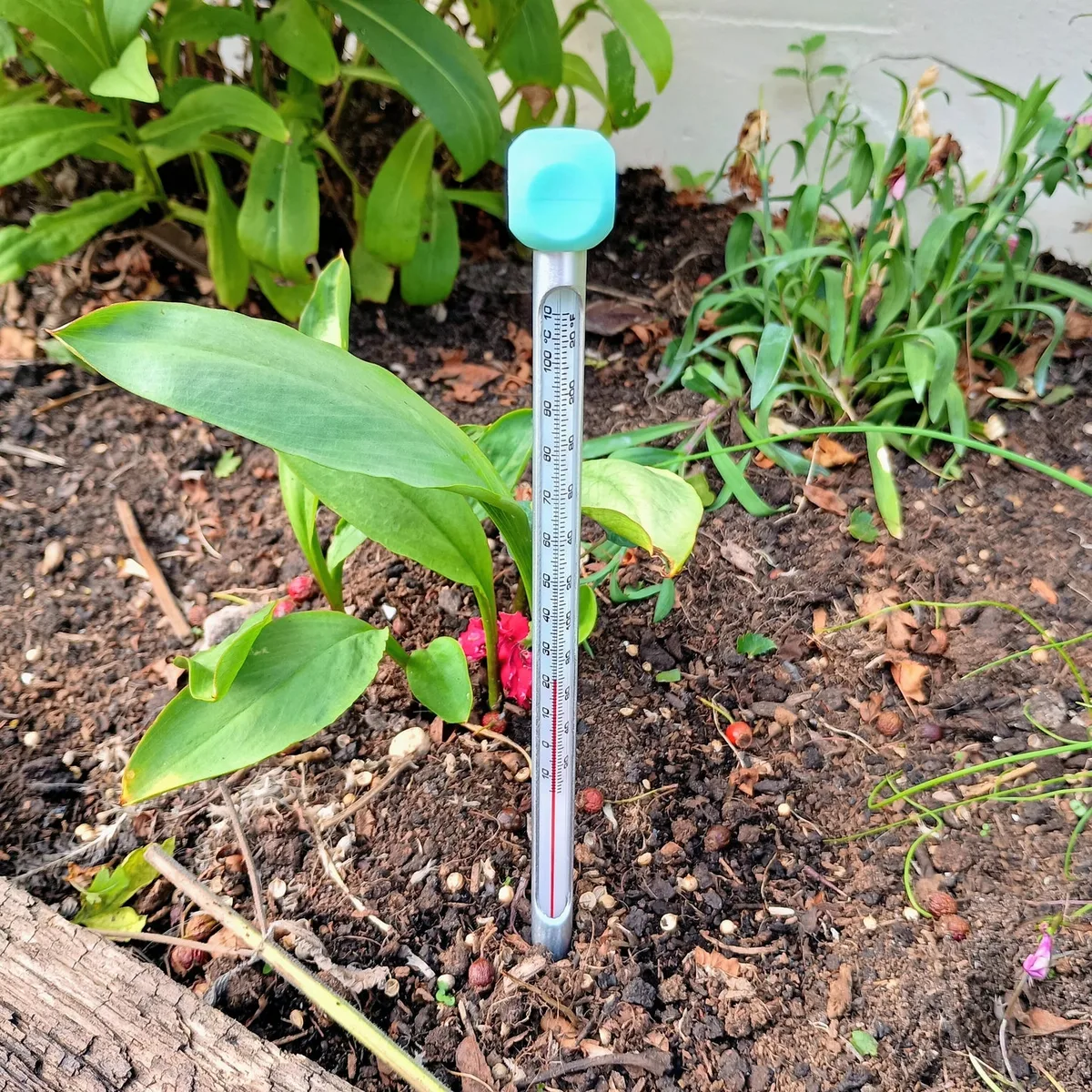
The first question you need to answer is simple but often overlooked. Is the soil warm enough? Grab a soil thermometer and check the temperature at three inches deep, early in the morning before the sun warms the surface.
If it reads below 50°F, wait. If it reads between 50°F and 60°F, you are in the spring cleanup window.
The second timing question involves your plants themselves. Look at your perennials closely. Are they still fully dormant with no green growth visible at the crown?
Or have you already spotted new shoots pushing up through last year's debris? If the new growth is already two inches tall or taller, you have missed the ideal cutback window for those plants. Cutting now will damage emerging foliage and potentially reduce flowering this season.
For gardeners in Zones 3 through 6, the safe window usually falls between mid-April and early May, but this varies enormously by microclimate and elevation. In Zones 7 through 10, the window can open as early as February. The safest approach is to check soil temperature and plant growth stage together.
Only proceed when both conditions are met.
What to Cut Back, What to Leave Standing
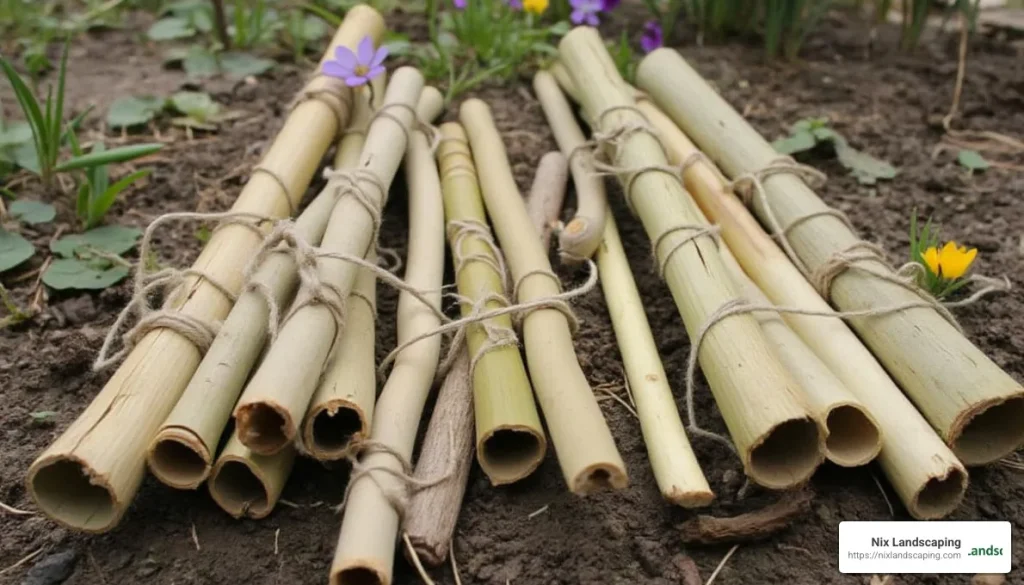
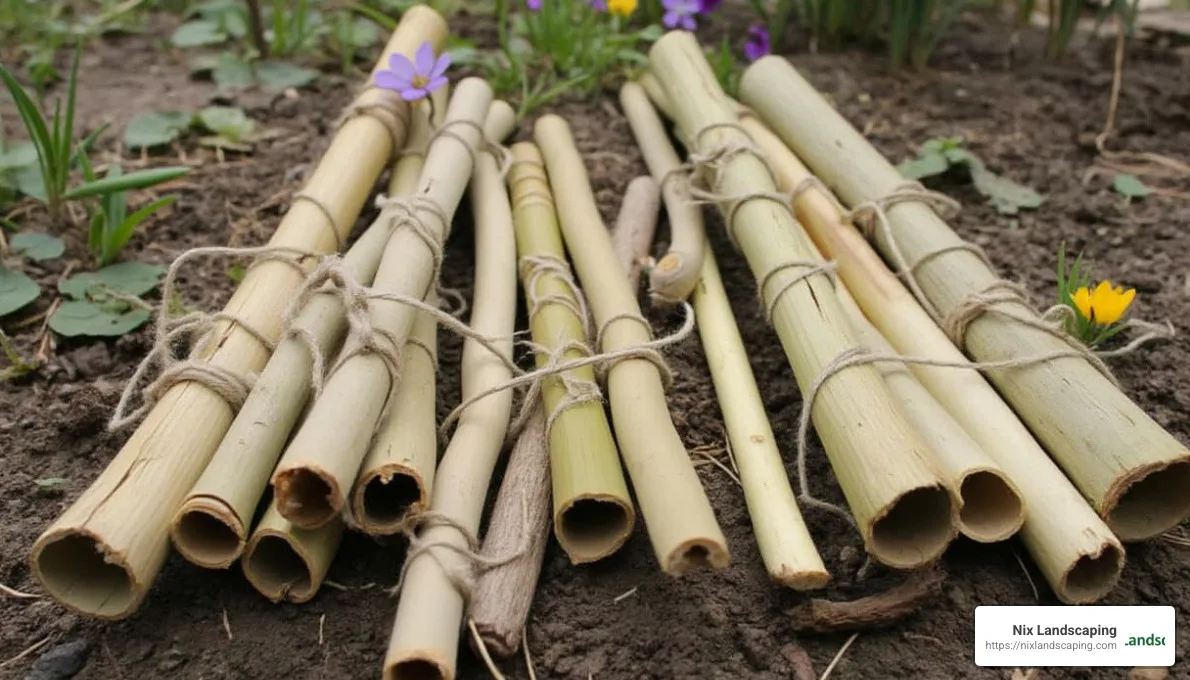
Not every old stem needs to go. This is where the decision tree really comes into play. Hollow-stemmed perennials like Joe Pye weed, elderberry, and sunflowers provide critical nesting habitat for stem-nesting bees.
Leave these standing at 6 to 12 inches tall rather than cutting them to the ground.
Solid-stemmed perennials such as bee balm and phlox are lower priority for insect habitat. You can cut these back more aggressively, but leaving six inches of stem still provides some winter protection for the crown. Plants that showed signs of disease last season, like powdery mildew on phlox or rust on hollyhocks, should be removed entirely and disposed of in the trash, not your compost pile.
Here is a quick breakdown to guide your decisions:
| Plant Type | Cut Back? | Recommended Height | Notes |
|---|---|---|---|
| Hollow-stem perennials | Delay or partial | 6–12 inches | Leave for stem-nesting bees |
| Solid-stem perennials | Yes | 4–6 inches | Remove diseased material to trash |
| Ornamental grasses | Before new growth | 4–6 inches | Cut before green shoots emerge |
| Herbaceous ground covers | Spot clean only | Leave intact | Rake debris from top gently |
| Native wildflowers | Staggered over weeks | 6–12 inches | Leave seed heads for birds |
The key principle is simple. If the stem is hollow when you cut it, leave it standing for the pollinators. If it is solid or diseased, take it down.
This single distinction protects your garden's ecosystem while still giving you the clean look you want.
Leaf Litter, Debris, and Disease
The leaf litter debate causes more confusion than almost any other spring cleanup task. On one hand, leaves left on the ground can smother emerging perennials and harbor fungal diseases. On the other hand, leaf litter is the primary overwintering habitat for fireflies, ground beetles, and countless beneficial insects.
Removing every last leaf leaves your garden ecologically barren.
The solution is a middle path. Shredded leaves that have already broken down into leaf mold can stay in place as a natural mulch layer. Whole, matted leaves that form a dense, wet blanket should be removed from the tops of emerging perennials but can be redistributed to open areas of the garden or added to your compost pile.
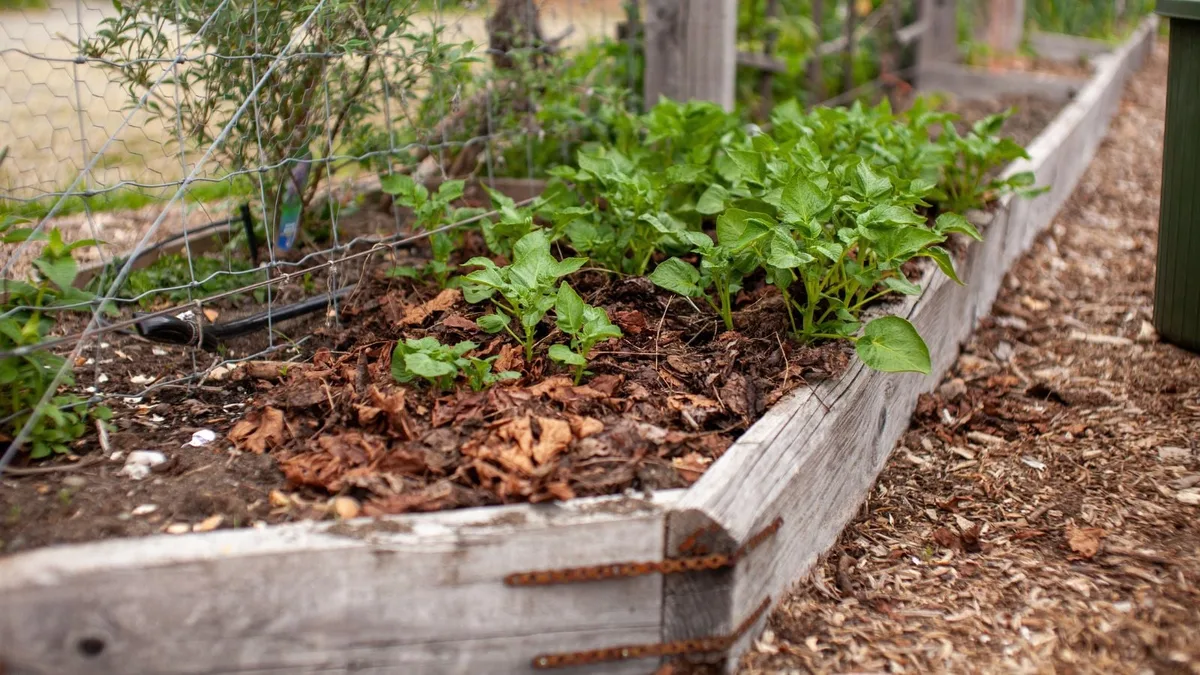
Disease management changes the calculation for specific plants. If you had fungal issues like black spot on roses, septoria on tomatoes, or leaf spot on irises last season, all affected leaf debris should be removed and discarded in the trash, not composted. Home compost piles rarely reach the sustained temperatures needed to kill fungal pathogens.
Bagging and trashing infected material prevents the disease from cycling back into your soil.
For healthy plants, a thin layer of shredded leaves left in place actually suppresses weed germination and feeds soil organisms. The target is a light dusting of partially decomposed organic matter, not a thick wet mat. If you can see green shoots pushing through, you have the right amount.
If you cannot see the soil at all, you have too much.
Mulch and Soil Amendments
Spring is the ideal time to refresh your mulch layer, but timing and type matter more than most gardeners realize. Apply fresh mulch too early, before the soil has warmed up, and you will actually delay soil warming by several weeks. This can push back bloom times and reduce early-season vegetable yields.
Wait until the soil has reached at least 60°F before applying new mulch. At that point, a two to three inch layer of shredded bark, arborist wood chips, or leaf mold will suppress weeds, retain moisture, and moderate soil temperature through the coming heat. Avoid piling mulch directly against plant stems and tree trunks.
That creates a moist environment that encourages crown rot and rodent damage. Keep a mulch-free collar of two to three inches around each stem.
Soil amendments follow similar logic. Finished compost applied at a rate of one quarter to one half inch per bed provides slow-release nutrients and improves soil structure without burning tender roots. Fresh manure or unfinished compost should be avoided in spring because they can contain high levels of soluble nitrogen that leach away before plants can use them.
If you are buying compost in bulk, ask whether it has been tested for pH and soluble salts. The best spring amendment for most gardens is well-aged compost applied as a light top dressing after cleanup is complete.
The 5 Biggest Spring Cleanup Mistakes
Even experienced gardeners slip up here. Our research keeps turning up the same five errors. Here's what to avoid.
Cutting back too early. Wait until soil hits 50°F and you see new growth. Cut too soon and you remove insulation right before a late frost. You also evict overwintering insects that survived the cold months.
Raking to bare soil. Bare soil invites weeds and loses moisture fast. Leave shredded leaf debris in place, or redistribute it to open beds. Keep the soil covered like a forest floor.
Spreading weed seeds. Unwashed tools and dirty compost transfer seeds between beds. Rinse pruners, hoes, and shovels between zones. If you're unsure about compost, test it with a simple germination check.
Applying fresh wood chips. Fresh chips tie up nitrogen as they decompose, starving plants at the exact moment they need feeding. Use aged bark or leaf mold instead. Check the pile's age before you buy.
Forgetting pest safety. Ticks and poison ivy love garden edges and debris piles. Wear gloves, long sleeves, and light-colored clothing so you spot ticks quickly. Consider permethrin-treated gear for high-pressure areas.
Your Spring Cleanup Decision Guide
Here's a simple if/then flow to work through, bed by bed. It takes a few minutes per bed and saves you the biggest headaches.
Step 1: Check the soil temperature at three inches deep. If it's below 50°F, stop and wait a week. If it's above 50°F, move on to step two.
Step 2: Look for new growth at the crown. If you see new shoots two inches or taller, cut back high at 6 to 12 inches. If the plant is still dormant, cut lower at 4 to 6 inches.
Step 3: Inspect for disease signs. Remove spotted or mildewed stems entirely and trash them. Don't compost them, since home piles rarely get hot enough.
Step 4: Handle the leaf layer. If leaves are matted down, rake them off emerging perennials. If they're shredded and loose, leave them as a light mulch.
Step 5: Watch the weather and your yard. If your soil warms to around 60°F over the next couple of weeks, add a two to three inch mulch layer. If it stays cool, hold off.
Frequently Asked Questions
Should I rake leaves in the spring?
Yes, but only where they form a thick, wet mat. Shredded leaves that have broken down into leaf mold can stay as a light mulch. Removing all leaf litter harms overwintering beneficial insects like fireflies and ground beetles.
When should I cut back my perennials?
Wait until the soil temperature at three inches deep stays above 50°F. Then check each plant for new growth. If new shoots are already two inches tall, cut back higher to protect emerging foliage.
If the plant is still dormant, you can cut lower.
Can I compost all the garden debris?
Only if it's pest-free. Diseased plant material should go in the trash, not the compost pile, because home compost rarely gets hot enough to kill fungal pathogens. Woody stems and old cut flowers are fine to compost.
Should I till my garden soil in the spring?
Usually not. Tilling breaks down soil structure, compacts clay soils, and exposes dormant weed seeds to light. For most beds, a light top dressing of compost and mulch is enough.
Save tilling for new beds that need serious renovation.