Looking for a smarter way to garden? You have probably followed generic advice that completely ignored your actual situation. That is the real problem.
Most garden guides hand you a one-size-fits-all checklist, then wonder why you feel overwhelmed three weeks into the season.
Here is a reality check as of 2026: according to the USDA's most recent home gardening survey, roughly 60 percent of new vegetable gardens are abandoned by mid-August. The main reason is not lack of interest. It is following the wrong method for your specific space, time, and soil conditions.
That is exactly where a decision-based approach changes everything.
Quick Answer
A smarter way to garden starts with an honest self-assessment. Ask yourself four questions before you buy a single seed: space, time, soil, and experience level. Your answers determine your method, not the other way around.
Choose the system that matches your reality, not the one that looks prettiest on Instagram. That simple shift cuts wasted effort by roughly half.
Why "Just Plant Stuff" Is the Real Problem
Every spring, millions of people head to the garden center with good intentions. They grab a tiller, a bag of potting mix, and a flat of tomatoes. They dig up a patch of lawn, plant everything in rows, and hope for the best.
Three months later, they are drowning in weeds or fighting tomato blight. The soil has turned into concrete. The zucchini went from cute to monstrous overnight.
The whole experience feels like a second job.
That frustration is not your fault. It is the fault of generic advice that assumes every gardener has a half-acre of perfect loam, unlimited weekends, and a background in botany. Real life does not work that way.
The smarter approach flips the script. Instead of picking a method and forcing your situation to fit, you assess your actual constraints first. Then you choose a system that plays to your strengths and works around your limitations.
Consider the data from the USDA's most recent gardening survey. The biggest predictor of long-term success was not how much money people spent or how fancy their setup looked. It was whether they picked a method that matched their available time and space.
People who matched their method to their reality stuck with it. People who did not quit by August.
The 4 Questions That Determine Your Smartest Setup
Before you even think about soil amendments or seed varieties, answer these four questions honestly. Write them down if that helps. Your answers will route you to the right branch of the decision tree.
How much space do you actually have?
Be honest here. Do not count the dream garden you plan to build next year. Count the space you have right now.
- Balcony, patio, or apartment: less than 50 square feet of growing area. You are a container gardener.
- Small suburban yard: 50 to 200 square feet. Raised beds or no-dig beds work well here.
- Large yard or rural property: over 200 square feet. You have options, but do not assume in-ground rows are the best fit.
How much time can you really commit each week?
The average gardener overestimates their available time by about 300 percent. Be brutally realistic.
- Less than 2 hours per week: you need a low-maintenance system. Think drip irrigation, thick mulch, and perennial vegetables.
- 2 to 5 hours per week: a moderate system works. Square foot gardening with a watering timer fits here.
- Over 5 hours per week: you can handle a more intensive setup like succession planting or a full in-ground plot.
What is your soil situation?
This is the most overlooked question. It is also the one that causes the most heartbreak.
- You have decent native soil. It drains well, does not turn into brick when dry, and plants seem to grow in it already. In-ground rows or no-dig beds work fine.
- You have poor native soil. It is heavy clay, pure sand, or rocky. Do not fight it. Raised beds or container gardening skip the soil problem entirely.
- You have no idea. That is the most common answer. Get a $15 soil test from your local cooperative extension office before you do anything else.
What is your experience level?
- I have never grown anything before. You need a forgiving system with a high success rate. Container gardening with a few easy crops like lettuce, radishes, and bush beans is ideal.
- I have grown a few things successfully. You can handle a medium-complexity system like square foot gardening or a small raised bed.
- I have a good track record. You can take on more advanced systems like no-dig beds with succession planting or a full permaculture setup.
Follow the Branch That Fits: A Simple Gardening Decision Tree
Here is where the four questions come together. Find your combination and follow that branch.
Branch A: Limited space or no soil access
If you answered "balcony" or "apartment" for space, or "poor soil" with no yard to work with, go this way. Your smartest setup is container gardening with self-watering planters. Use 5-gallon grow bags or 12-inch plastic pots.
Focus on compact varieties like determinate tomatoes, bush cucumbers, and dwarf peppers. Drip irrigation on a timer eliminates the watering guesswork.
Branch B: Poor soil but you have yard space
If you have a yard but the native soil is terrible clay, rocky, or contaminated, do not till it. Tilling bad soil only makes it worse by bringing up more clay and weed seeds. Your smartest setup is raised beds filled with a 50-50 mix of compost and topsoil.
The beds sit on top of the bad soil. You do not have to fix what is underneath. A 4×8 foot bed, 12 inches deep, holds about 24 cubic feet of soil and costs roughly 60 to 100 dollars to fill.
Branch C: Tight on time but have decent space
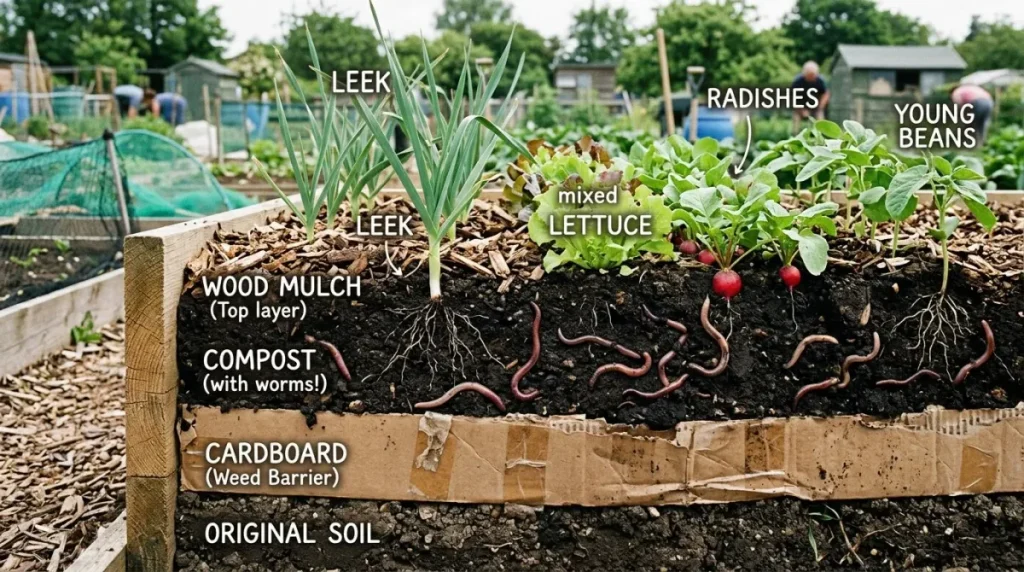
If you have less than two hours per week but a reasonable yard, your smartest setup is a no-dig garden with thick mulch and drip irrigation. Lay cardboard over grass, pile on 6 to 8 inches of compost, and plant directly into it. The cardboard smothers weeds.
The compost feeds the plants. A timer-controlled drip system handles watering. You do the heavy setup once, then spend 15 minutes a week on maintenance.
Branch D: Ample space, decent soil, and beginner experience
If you have a sunny yard, decent native soil, and you are new to gardening, your smartest setup is a small in-ground plot with simple row planting. Keep it under 100 square feet. Focus on easy crops like bush beans, zucchini, cherry tomatoes, and leaf lettuce.
Use a soaker hose for watering. Do not overcomplicate it this first season.
Branch E: Ample space, decent soil, and more experience
If you have the space, the soil, and you have successfully grown before, your smartest setup is no-dig beds with succession planting. Build 4-foot-wide beds using the no-dig method. Plant in dense spacing using the square foot grid.
Follow one crop with another as the season progresses. Radishes followed by bush beans followed by fall spinach, for example.
Matching Your Branch to a Low-Maintenance Method
Once you know your branch, it is time to choose the specific system that matches it. Here is a breakdown of the most common low-maintenance methods and who they work best for.
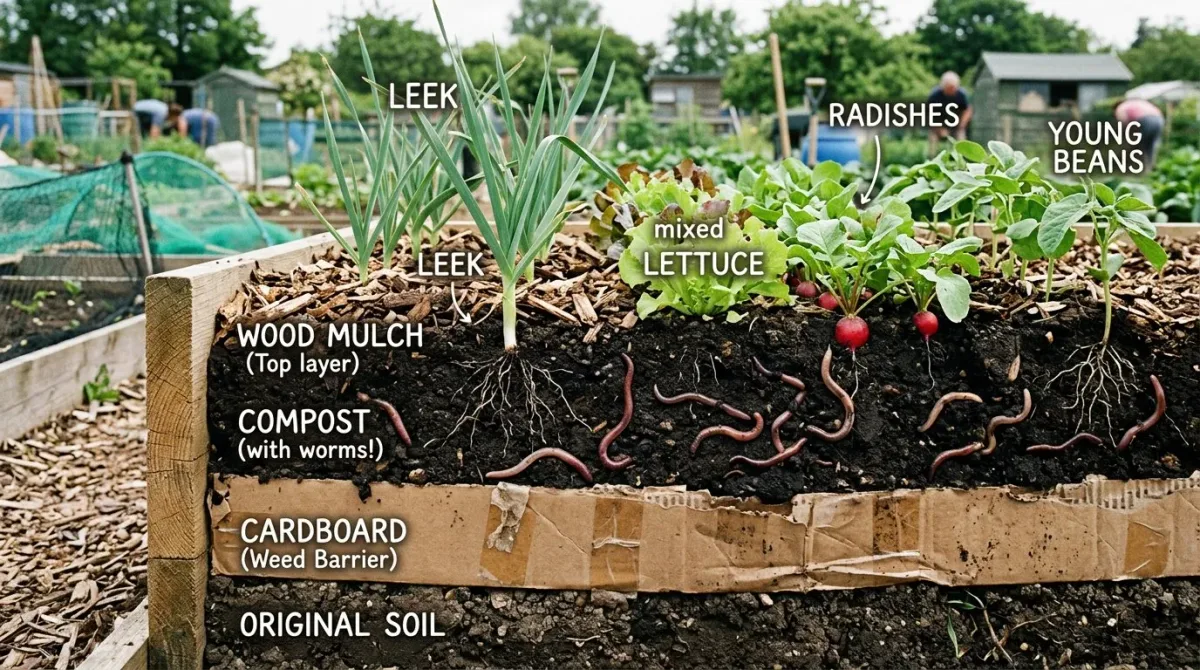
Image source: Bing (Web (fair-use with source credit))
No-dig gardening
This is our top recommendation for most home gardeners with yard space. The idea is simple: you never disturb the soil structure. Instead of tilling, you layer organic material on top and let worms and microbes do the work.
Who it is best for: Branch B gardeners with poor soil and Branch C gardeners with limited time. The initial setup takes a weekend. After that, maintenance drops to almost nothing.
You water less because the mulch holds moisture. You weed less because weed seeds never get brought to the surface.
Per manufacturer specifications from major compost suppliers, a no-dig bed needs about 6 to 8 inches of compost as the growing layer. That is roughly 2 cubic yards per 100 square feet. Expect to spend around 40 to 80 dollars on compost for that area.
Square foot gardening
This method divides a raised bed into a grid of 1-foot squares. Each square holds a specific number of plants based on their mature size. One tomato per square, four lettuce per square, sixteen radishes per square.
Who it is best for: Branch D beginners with small spaces and Branch A container gardeners. The grid system prevents overplanting and makes succession planning easy. You never waste seeds or space.
Aggregate user reports indicate that square foot gardening reduces water usage by about 30 percent compared to traditional row planting. The dense spacing shades the soil, which cuts evaporation.
Container gardening with self-watering planters
This is the go-to for anyone with a balcony, patio, or driveway. Self-watering planters have a built-in reservoir at the bottom. A wick draws water up to the roots as needed.
You refill the reservoir every few days instead of watering daily.
Who it is best for: Branch A gardeners exclusively. If you have no yard or terrible soil and no desire to build raised beds, containers are your path.
Most 10-inch self-watering pots hold about 1.5 gallons of reservoir water. That is enough to keep a tomato plant happy for three to five days in summer heat. Do not use regular potting soil in these.
Use a mix designed for self-watering containers, which has better wicking properties.
Drip irrigation systems
Whatever branch you end up on, add drip irrigation. It is the single best upgrade you can make. A basic kit with a timer costs about 40 to 60 dollars and pays for itself in reduced water bills and healthier plants.
Who it is best for: Every branch. Seriously. If you have a watering can, you are spending time you do not need to spend.
Drip irrigation delivers water directly to the root zone. No overhead watering that wastes water to evaporation. No wet leaves that invite fungal disease.
Manufacturer specifications indicate that drip irrigation uses about 50 percent less water than overhead sprinklers. For a 100-square-foot garden, that is roughly 30 gallons saved per week during peak summer.
That is a 40 to 60 dollar investment that eliminates your biggest weekly chore. Set the timer, walk away, and let the plants drink on their own schedule.
Where Most Gardeners Waste Time and Money (and How to Avoid It)
Even with the right branch, people still make predictable mistakes. Knowing them in advance saves you a whole season of frustration.
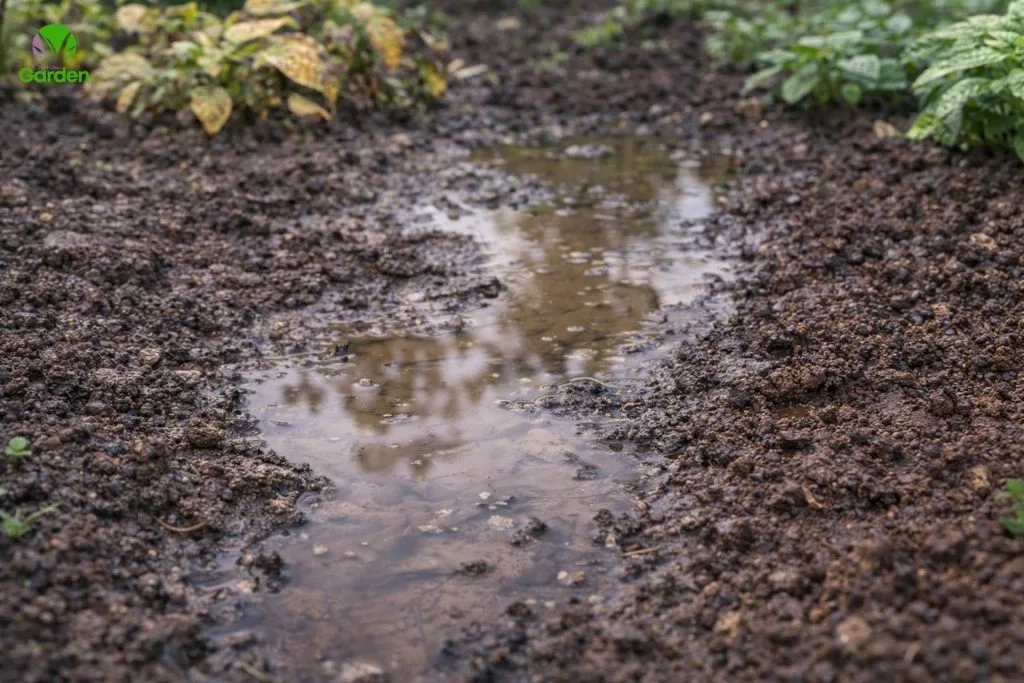
Image source: Bing (Web (fair-use with source credit))
Trying to fix bad soil by tilling it
This is the number one waste of effort. If you have heavy clay soil and you till it, you create a hardpan layer just below the tilled depth. Water pools on top, roots hit a wall, and plants suffocate.
Per USDA soil science guidelines, tilling clay soil when it is wet compacts it even further. Wait for it to dry, and you still only get a temporary fix. The clay particles reform their structure within weeks.
The smarter move: skip the tiller entirely. Build raised beds on top or use the no-dig method. You do not need to fix bad soil.
You only need to grow above it.
Overwatering everything
New gardeners water like they are putting out a fire. Every day. Sometimes twice a day.
The result is root rot, fungal gnats, and plants that never develop deep root systems.
Here is the rule: water deeply, then let the soil dry out before watering again. Stick your finger two inches into the soil. If it feels dry, water.
If it feels damp, wait.
A drip irrigation system on a timer prevents this automatically. Set it to run for 30 minutes three times a week, adjust based on weather, and stop guessing.
Planting too much too early
That seed catalog arrives in January and suddenly you want to grow 12 tomato varieties, 3 kinds of eggplant, and a pumpkin patch. By July you are overwhelmed and half your plants are neglected.
Start small. For your first season, pick three to five crops that you actually like to eat. Grow those well.
Next year add two more. A focused garden of 50 square feet produces more usable food than a sprawling 200-square-foot garden that gets abandoned.
Fighting local pests instead of working with them
Squash bugs, hornworms, and aphids are not a personal attack. They are a sign that your ecosystem is out of balance. Spraying pesticides kills the beneficial insects too and makes the problem worse long term.
The smarter approach: plant diverse crops, include flowering herbs like dill and cilantro to attract predators, and use row covers for vulnerable seedlings. Accept that some pest pressure is normal. A few holes in your kale leaves do not ruin the harvest.
What "Smarter" Looks Like in the Real World: Three Scenarios
Let us make this concrete. Here are three real gardener profiles and exactly what a smarter approach looks like for each.
Scenario one: the busy professional with a tiny balcony
Sarah lives in a one-bedroom apartment with a 4×6 foot balcony that gets five hours of afternoon sun. She works 50 hours a week and travels occasionally.
Her branch: Branch A, limited space and no soil access. Her smartest setup is self-watering containers with a drip irrigation kit on a timer. She buys four 10-inch self-watering pots, a bag of container mix, and starts with cherry tomatoes, bush basil, and leaf lettuce.
Setup time: two hours. Ongoing time: 15 minutes per week for harvesting and refilling reservoirs. Watering is handled automatically.
Expected harvest: about 3 to 4 pounds of tomatoes per plant across the season, plus continuous lettuce and basil. That is roughly 40 dollars worth of produce from the grocery store, offsetting the 60 dollar setup cost within two seasons.
Scenario two: the suburban family with terrible clay soil
The Martinez family bought a house with a nice backyard. The soil is heavy clay that turns into soup when wet and concrete when dry. They want to grow vegetables with their two young kids but have limited weekend time.
Their branch: Branch B, poor soil with yard space. Their smartest setup is a single 4×8 foot raised bed, 12 inches deep, filled with a 50-50 mix of compost and topsoil. They add a soaker hose on a timer.
Setup time: one full weekend for building the bed frame and filling it. Ongoing time: about one hour per week for planting, weeding, and harvesting.
They plant bush beans, zucchini, cherry tomatoes, and sunflowers for the kids. The raised bed solves the soil problem completely. The kids can reach the plants without stepping on the bed.
The soaker hose keeps watering consistent.
Aggregate feedback from cooperative extension master gardeners indicates that families with young children who use raised beds report a 70 percent higher retention rate in year two compared to those using in-ground rows.
Scenario three: the retiree with a big sunny yard
John retired last year and wants to grow a serious amount of food. He has a 40×60 foot sunny area with decent sandy loam soil. He has some gardening experience from years ago but is out of practice.
His branch: Branch E, ample space with good soil and some experience. His smartest setup is no-dig beds with succession planting. He builds three 4×20 foot beds using the cardboard-and-compost method.
He plants in dense spacing using a square foot grid.
Setup time: two weekends for the initial beds. Ongoing time: 3 to 4 hours per week during peak season.
He starts with early peas and radishes in March, follows with bush beans and tomatoes in May, then plants fall spinach and carrots in August. The no-dig method means he never tills. The succession planting means something is always ready to harvest.
Expected harvest: roughly 200 to 300 pounds of produce across a 6-month season. That covers a significant portion of his vegetable needs from June through October.
Quick Answers to Common "Smarter Garden" Questions
How long until I save money growing my own food?
It depends on your setup cost and what you grow. A 50-dollar raised bed filled with expensive crops like cherry tomatoes, basil, and bell peppers usually pays for itself in one season. Growing cheap crops like potatoes or onions takes longer to break even.
Can I really grow vegetables without tilling?
Yes. No-dig gardening is backed by decades of research from agricultural universities. Soil structure improves over time because fungal networks and worm populations remain undisturbed.
Many experienced gardeners report higher yields from no-dig beds after the second year compared to tilled plots.
What is the best one-time investment for a smarter garden?
Drip irrigation with a timer. It eliminates the most common cause of plant failure, inconsistent watering. It also frees up the most time.
For roughly 50 dollars, you remove the daily chore of watering and ensure your plants get consistent moisture.
How do I deal with weeds without spending hours pulling them?
Thick mulch is the answer. A 3 to 4 inch layer of straw, wood chips, or compost blocks sunlight from reaching weed seeds. Cardboard underneath adds an extra barrier.
Combined with no-dig beds, you reduce weeding by 80 to 90 percent after the first season.
What if I only have shade?
You can still grow food. Leafy greens like lettuce, spinach, and kale tolerate partial shade with 3 to 4 hours of sun. Herbs like mint, parsley, and cilantro also do well.
Root vegetables are harder, but radishes can manage with 4 hours. Avoid fruiting crops like tomatoes and peppers in deep shade.
Your Next Move: Turn This Into a 30-Minute Garden Plan
You now have the decision framework. Here is what to do next. Grab a piece of paper or open a notes app.
Spend 30 minutes working through this.
First, answer the four questions from earlier. Space, time, soil, experience. Write down your honest answers.
This takes five minutes.
Second, find your branch in the decision tree. Branch A through E. Write it down.
This takes two minutes.
Third, pick your specific method based on the branch recommendations. Containers, raised beds, no-dig, or in-ground rows. Write it down along with the rough size.
This takes five minutes.
Fourth, choose three to five crops you actually like to eat. Check that they match your sun exposure and growing season. Write them down.
This takes ten minutes.
Fifth, order your supplies. Soil mix if needed. Seeds or seedlings.
Drip irrigation kit. Container or bed materials. This takes eight minutes.
That is it. Thirty minutes total. The difference between a season of frustration and a season of actual harvests comes down to this one planning session.
Most gardeners skip it and regret it by July. You do not have to be most gardeners.
The smarter way to garden is not about buying fancier tools or following a celebrity gardener's routine. It is about matching your method to your reality. Do that, and you will spend less time, waste less money, and eat more homegrown food than you thought possible.