Are you wondering if mulching your vegetable garden is worth the effort? You’re not alone.
Many gardeners like you are seeking ways to boost their garden’s health and productivity. Mulching is more than just a layer of material on top of your soil. It can be the secret weapon that transforms your garden into a thriving oasis.
Imagine having fewer weeds to battle, improved soil moisture, and healthier plants without breaking a sweat. Sounds appealing, right? But, is it really as beneficial as it sounds? Before you make your decision, let’s dive into the surprising truths about mulching and discover how it might just revolutionize the way you grow your vegetables. Stick around, because what you learn could change your gardening game forever.
Credit: littlesproutslearning.co
Benefits Of Mulching
Mulching your vegetable garden helps retain moisture, suppress weeds, and improve soil health. It creates a protective barrier for plants, reducing the need for frequent watering. Plus, organic mulch adds nutrients to the soil as it breaks down.
Mulching your vegetable garden can be a game-changer, offering numerous benefits that make gardening more efficient and rewarding. Whether you’re a seasoned gardener or a newbie, understanding these advantages can help you make the most of your gardening efforts. Let’s delve into why mulching might be the secret weapon you’ve been missing.Weed Control
Nothing disrupts your garden’s peace quite like pesky weeds. Mulch acts as a natural barrier, blocking sunlight and suffocating unwanted plants. Imagine spending less time pulling weeds and more time enjoying your garden’s bounty. A layer of mulch can save you countless hours of tedious work.Moisture Retention
Water is precious, especially in dry spells. Mulch helps retain soil moisture by reducing evaporation, ensuring your plants have a steady supply of water. This means less frequent watering, saving you time and reducing your water bill. Picture your garden thriving even during hot summer days.Soil Temperature Regulation
Your plants need consistency, and mulch helps regulate soil temperatures. It keeps the soil cooler in summer and warmer in winter, creating a stable environment for your vegetables. This can lead to healthier plants and a more predictable harvest. Have you noticed how some veggies seem to struggle with temperature swings? Mulch can be their protective blanket.Nutrient Enrichment
As mulch breaks down, it enriches the soil with nutrients, acting as a slow-release fertilizer. This natural process improves soil health and boosts plant growth. Consider the benefits of recycling organic matter back into your garden. You might find your veggies are tastier and more nutritious than ever.Types Of Mulch
Should You Mulch Your Vegetable Garden Mulching benefits vegetable gardens by retaining moisture and suppressing weeds. Organic options like straw and wood chips enrich the soil. Inorganic choices, such as plastic mulch, control temperature and moisture. Each type has unique advantages, contributing to healthier plants and better yields.
Mulching your vegetable garden can be a game-changer in terms of productivity and sustainability. But the type of mulch you choose can make all the difference. Whether you want to enrich your soil or manage weeds, understanding the various types of mulch can help you make informed decisions for your garden’s needs.Organic Mulch
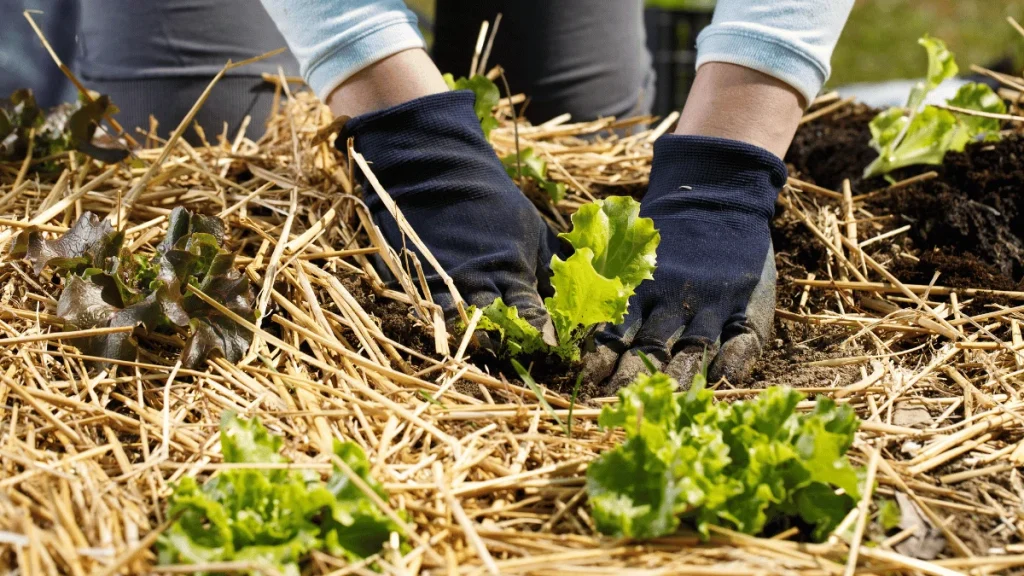
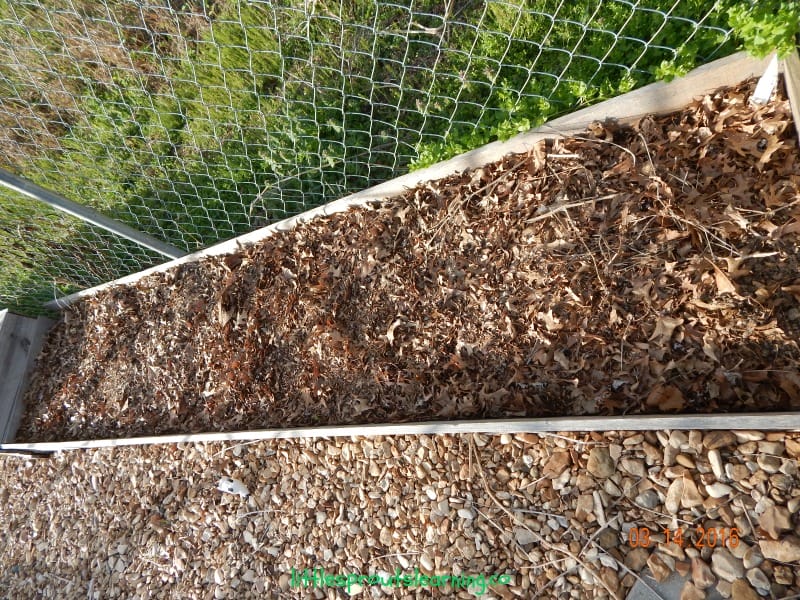
Organic mulch consists of natural materials that break down over time, adding nutrients to the soil. Common choices include straw, grass clippings, and shredded leaves. When I used straw in my tomato patch, I noticed fewer weeds and retained soil moisture, enhancing plant growth. Using organic mulch has its perks. It improves soil structure and encourages beneficial microorganisms. A simple layer of shredded leaves can transform your garden into a thriving ecosystem.Inorganic Mulch
Inorganic mulch options like gravel, stones, or landscape fabric do not decompose. They are excellent for long-term weed control and can help with temperature regulation in the soil. Last year, I tried landscape fabric under my pepper plants, and the reduced weed pressure was a relief. While inorganic mulch won’t enrich your soil, it offers durability and requires less frequent replacement. If you’re looking for a low-maintenance option, this might be your go-to. But consider your plants’ needs—would they benefit more from the nutrients organic mulch provides? Choosing the right type of mulch can significantly impact your garden’s health and yield. What are your priorities—soil enrichment or ease of maintenance?Choosing The Right Mulch
Choosing the right mulch for your vegetable garden can be the key to a thriving harvest. It’s not just about spreading any mulch you find; it’s about selecting one that suits your garden’s unique needs. Imagine walking through your garden and seeing your plants flourishing, all because you chose the perfect mulch. But how do you decide which is best?
Consider Plant Type
Different vegetables have different needs. Leafy greens might benefit from straw mulch that retains moisture, while tomatoes might prefer a black plastic mulch that warms the soil. Ask yourself: what does your vegetable need most? Understanding your plant type will guide you to the right mulch.
Climate Considerations
Your garden’s location plays a crucial role in mulch selection. In cooler climates, you might need a mulch that warms the soil, while hotter regions require mulches that keep the soil cool and moist. Think about your region’s climate and how mulch can act as a buffer. Would it be beneficial to shield your plants from extreme temperatures?
Budget And Availability
Mulch comes in various forms, from expensive rubber options to cost-effective grass clippings. Consider your budget and what’s readily available. Sometimes, your backyard offers the best solutions! Could using leaves from your trees be a practical choice? Balancing cost with availability can lead you to a smart decision.
Application Techniques
Mulching your vegetable garden helps retain moisture and suppress weeds. Apply mulch evenly around plants, leaving space near stems. Choose organic materials like straw or wood chips for best results.
Applying mulch to your vegetable garden can be a game-changer for maintaining soil moisture, suppressing weeds, and enhancing soil health. But, how you apply mulch matters just as much as what you choose. Let’s dive into some effective techniques to maximize your garden’s potential.Layering Strategies
Layering mulch correctly ensures your plants get the most benefit. Aim for a layer that’s about 2 to 3 inches thick. This thickness allows moisture retention while preventing weed growth. Avoid piling mulch against the stems of your plants. Instead, leave a small gap around the base to prevent rot and disease. Think of it as letting your plants breathe freely.Timing And Frequency
Timing your mulch application is crucial. Early spring is a great time to start mulching as it helps retain moisture from spring rains. Consider refreshing the mulch layer mid-season. This helps maintain its effectiveness and keeps your garden looking tidy. Do you notice mulch decomposing quickly? This might be a sign to add a new layer, ensuring consistent protection and nourishment for your plants.Common Mistakes To Avoid
Mulching your vegetable garden can be a game-changer for soil health and plant growth. However, it’s easy to make mistakes that could hinder rather than help your garden. Understanding these common pitfalls can save you time and effort, ensuring your garden thrives.
Over-mulching
It might be tempting to pile on the mulch, thinking more is better. But too much mulch can suffocate your plants. When you apply excess mulch, it can trap too much moisture, leading to root rot.
Consider the height of your mulch layer. Aim for about 2-3 inches. This depth is sufficient to suppress weeds and retain moisture without overwhelming your plants.
Have you ever noticed mushrooms popping up in your garden? Over-mulching creates the perfect environment for fungi, which might not be the look you’re going for.
Using The Wrong Type
Not all mulch is created equal. Using the wrong type can impact the pH of your soil and affect plant health. For vegetable gardens, organic mulches like straw or shredded leaves are ideal.
Avoid using mulches like wood chips or pine needles that might alter the soil’s acidity. These are better suited for landscaping around trees and shrubs.
Reflect on your garden’s needs. Are you using mulch that complements your soil and plants? Making the right choice can enhance nutrient availability and improve garden aesthetics.
By being mindful of these common mistakes, you can make the most of mulching and enjoy a bountiful harvest.
Credit: simplelivingcountrygal.com
Seasonal Mulching Tips
Mulching your vegetable garden can help retain soil moisture and suppress weeds. Seasonal mulching provides insulation against extreme temperatures. Organic mulches like straw or leaves can enrich the soil as they break down.
Seasonal mulching can greatly benefit your vegetable garden. It helps retain moisture, suppress weeds, and improve soil health. Knowing the best mulching practices for each season ensures your plants thrive. Explore these seasonal mulching tips to make the most of your garden year-round.Spring And Summer
In spring, mulch helps warm the soil. It encourages early growth. Use organic mulch like straw or grass clippings. They break down and enrich the soil. Apply a thick layer to keep weeds at bay. During summer, mulch keeps soil cool. It retains moisture during hot days. Consider using wood chips or bark. They last longer in the heat. Refresh mulch layers to maintain effectiveness.Fall And Winter
Fall mulching protects plants from cold. Use leaves or pine needles. These materials insulate plants. They also add nutrients as they decompose. In winter, mulch prevents soil erosion. It shields roots from freezing temperatures. Choose heavier mulch like compost. It stays put during windy days. Remove old mulch in spring to allow soil to warm. Seasonal mulching enhances your garden’s productivity. Adjust your approach for each season’s unique challenges. Enjoy a thriving vegetable garden throughout the year.Environmental Impact
Mulching your vegetable garden helps the environment in many ways. It can reduce waste, improve soil health, and conserve water. Understanding the environmental impact is crucial. Let’s explore the different aspects of mulching and its benefits for the planet.
Sustainability Considerations
Mulching promotes sustainable gardening practices. It reduces the need for chemical fertilizers. Natural mulch materials decompose, enriching the soil. This process minimizes landfill waste and supports biodiversity. Mulch also helps reduce water evaporation, conserving this precious resource. By protecting the soil, mulch reduces erosion and maintains soil structure.
Eco-friendly Options
There are many eco-friendly mulch options available. Organic mulches like straw, grass clippings, and wood chips are popular. They break down naturally, adding nutrients to the soil. Leaves and pine needles are also great choices. They improve soil texture and moisture retention. Recycled paper or cardboard can be used as mulch. These materials help suppress weeds and are biodegradable.

Credit: littlesproutslearning.co
Frequently Asked Questions
What Vegetables Not To Mulch?
Avoid mulching around vegetables like garlic, onions, and carrots. These prefer dry soil and can rot easily. Mulching can retain too much moisture, harming these crops. Ensure proper spacing and ventilation to prevent disease and promote healthy growth. Mulch other vegetables that thrive in moist conditions.
What Are 5 Disadvantages Of Mulching?
Mulching can cause moisture buildup, leading to root rot. It may attract pests and insects. Excessive mulch can smother plants, inhibiting growth. Some mulches can introduce weeds. Over time, mulch can alter soil pH, affecting plant health.
What Should I Mulch My Vegetable Bed With?
Use organic mulch like straw, grass clippings, or shredded leaves. These improve soil moisture, prevent weeds, and enrich nutrients. Avoid synthetic materials for eco-friendly gardening. Ensure mulch is spread evenly for optimal results. Regularly replenish to maintain effectiveness.
Is It Okay To Mulch Around Tomato Plants?
Yes, mulching around tomato plants is beneficial. It conserves moisture, suppresses weeds, and maintains soil temperature. Use organic materials like straw, grass clippings, or shredded leaves. Ensure mulch doesn’t touch stems to prevent rot. Mulching enhances tomato growth and yields.
Conclusion
Mulching your vegetable garden offers many benefits. It helps keep soil moist and cool. Weeds struggle to grow through the mulch layer. Mulch can enhance soil health over time. It provides vital nutrients as it breaks down. Your plants gain protection from pests and disease.
Mulch also adds a neat appearance to your garden beds. Choosing the right mulch is crucial. Organic options are often best for vegetables. Regular maintenance ensures mulch effectiveness. Consider your garden’s needs and environment. Mulching can be a worthwhile investment for your garden’s health.