Have you ever wondered if mulching your vegetable garden could be the secret ingredient to a bountiful harvest? Picture this: a thriving garden, where your vegetables flourish, the soil stays moist, and pesky weeds have no chance of taking over.
Sounds like a dream, right? But is mulching really the magic trick that can transform your garden into a paradise of produce? Before you grab your gardening gloves and bags of mulch, let’s dive into whether mulching is the right choice for your vegetable garden.
We’ll uncover the benefits, potential drawbacks, and everything you need to know to make an informed decision. Stick around, and you might just discover the key to unlocking the full potential of your green thumb.
Benefits Of Mulching
Mulching your vegetable garden can be a game-changer. Not only does it improve the health and productivity of your plants, but it also saves you time and effort. Let’s explore some of the key benefits of mulching that could make your gardening experience more fruitful.
Improved Soil Moisture
Mulching helps retain soil moisture by reducing evaporation. This means less frequent watering for you and happier, hydrated plants. Imagine having a garden that thrives even during dry spells! Mulch acts like a protective blanket over the soil, keeping water locked in.
Weed Suppression
Weeds can be a gardener’s nightmare. Mulch suppresses weed growth by blocking sunlight, which prevents weed seeds from germinating. This leads to less competition for your veggies and more of your energy spent on enjoying your garden rather than pulling weeds.
Temperature Regulation
Mulch helps regulate soil temperature, keeping it cooler in summer and warmer in winter. This creates a stable environment for your plants to grow. Imagine extending your growing season and protecting delicate roots from extreme weather changes.
Nutrient Enrichment
As organic mulch breaks down, it enriches the soil with nutrients. This natural process feeds your plants, promoting robust growth. Picture your vegetables thriving without the constant need for chemical fertilizers. Mulching is like giving your garden a nutritious meal.

Credit: littlesproutslearning.co
Types Of Mulch
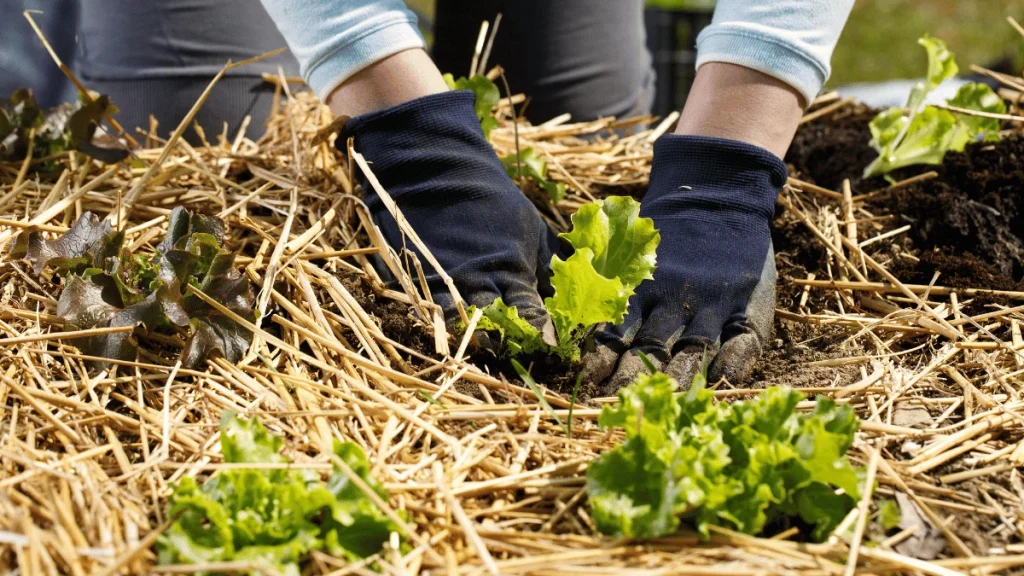
Consider mulching a vegetable garden to boost growth. Organic mulch like straw and wood chips enrich the soil. Inorganic options like plastic sheeting help retain moisture and control weeds. Each type offers unique benefits for a thriving garden.
Mulching a vegetable garden can be beneficial. It helps retain moisture, suppress weeds, and regulate soil temperature. Choosing the right type of mulch is crucial for your garden’s health. There are two main categories: organic and inorganic mulches.Organic Mulches
Organic mulches are made from natural materials. They improve soil structure as they decompose. Common choices include:- Straw:Provides excellent insulation and weed control.
- Grass Clippings:Rich in nitrogen, ideal for leafy vegetables.
- Wood Chips:Perfect for paths, slowly releasing nutrients.
- Leaves:Easily available, great for moisture retention.
Inorganic Mulches
Inorganic mulches do not decompose. They are durable and require less maintenance. Common types include:- Plastic Sheeting:Excellent for moisture retention and weed control.
- Landscape Fabric:Allows water through, keeps weeds at bay.
- Gravel or Stone:Provides long-term coverage, improves drainage.
Choosing The Right Mulch
Choosing the right mulch for your vegetable garden can make a huge difference in its productivity and health. The type of mulch you choose can affect everything from moisture retention to weed control. With so many options available, it’s essential to consider specific factors that can influence your decision. Let’s dive into some key considerations that can guide you in selecting the ideal mulch for your garden.
Considerations For Climate
Your local climate plays a significant role in determining the best mulch for your vegetable garden. In hot, dry climates, organic mulches like straw or wood chips can help retain moisture and keep the soil cool. Imagine how much water you could save by choosing a mulch that reduces evaporation! Conversely, if you live in a cooler area, you might opt for black plastic mulch to help warm the soil and speed up plant growth. Have you considered how mulch might affect your garden’s microclimate?
Soil Type And Health
The condition of your soil is another critical factor. If your soil is sandy and drains quickly, using a heavier mulch like compost can improve moisture retention and add nutrients. On the other hand, clay soils might benefit from lighter mulches that enhance aeration and reduce compaction. By choosing the right mulch, you can address specific soil challenges and boost your garden’s health. What is your soil telling you it needs?
Crop Requirements
Different crops have unique needs, and your choice of mulch should reflect that. Root vegetables like carrots and potatoes thrive with a soft mulch that allows easy penetration, such as shredded leaves. Meanwhile, leafy greens might benefit from straw or hay mulch that reduces soil splash and keeps leaves clean. Consider the demands of your vegetables when selecting mulch. Are you tailoring your mulch choice to your crops?

Credit: www.cindyheathwrites.com
How To Apply Mulch
Mulching a vegetable garden helps retain moisture and suppress weeds. Choose organic mulch like straw or wood chips. Spread evenly around plants, keeping mulch away from stems to prevent rot.
Applying mulch to a vegetable garden boosts plant health and soil quality. It conserves moisture, suppresses weeds, and improves soil fertility. Knowing how to apply mulch correctly ensures you get the most benefits. Below, explore the key steps to apply mulch effectively.Preparation Steps
Prepare the garden by removing weeds and debris. This creates a clean surface for mulching. Ensure the soil is moist but not waterlogged. Water the garden if needed before applying mulch. Choose organic mulch like straw, grass clippings, or wood chips. These enrich the soil over time. Avoid mulch treated with chemicals. They may harm your vegetables.Layer Thickness
Apply mulch in a layer 2 to 4 inches thick. This thickness retains moisture while blocking sunlight from reaching weed seeds. Thinner layers may not suppress weeds effectively. Too thick a layer can prevent air circulation. Keep mulch away from plant stems. This prevents rot and pest infestations.Timing And Frequency
Apply mulch in spring or early summer. This helps retain soil moisture during the hot months. Replenish mulch as it decomposes or gets displaced. Check mulch levels regularly, especially after heavy rains. Add more mulch in fall to protect plants from winter cold. Refreshing mulch maintains its effectiveness throughout the growing season.Common Mulching Mistakes
Mulching a vegetable garden can boost growth, but avoid piling mulch against plant stems. Excess mulch leads to root rot. Ensure mulch is spread evenly to prevent waterlogging and nutrient loss.
Mulching is vital for a thriving vegetable garden. It conserves moisture, suppresses weeds, and enriches soil. Yet, many gardeners make common mulching mistakes. These errors can hinder your garden’s success. Learning about these mistakes helps improve your gardening skills.Over-mulching
Over-mulching smothers plants. It blocks essential sunlight and air. This mistake leads to root rot and plant stress. Use mulch sparingly. Aim for a 2-3 inch layer.Using The Wrong Material
Not all mulch suits vegetable gardens. Avoid mulches like colored wood chips. These can contain harmful chemicals. Choose organic materials like straw or shredded leaves. They break down naturally and enrich the soil.Ignoring Pest Issues
Mulch can attract pests. Slugs and snails thrive in damp mulch. Monitor your garden for pest activity. Use traps or barriers to manage them. Regularly check under the mulch for signs of trouble.Seasonal Mulching Tips
Mulching your vegetable garden can be a game-changer in maintaining soil health and boosting plant growth. But did you know that the timing and type of mulch you use can significantly impact your garden’s productivity? By adapting your mulching strategy to the seasons, you can optimize your garden’s performance year-round. Let’s dive into some seasonal mulching tips that will help your garden thrive.
Spring And Summer Strategies
Spring is the time to lay the groundwork for a flourishing garden. As temperatures rise, it’s crucial to protect your soil from drying out. Consider using organic mulches like straw or grass clippings to retain moisture and keep weeds at bay. These materials decompose over time, enriching the soil.
During summer, mulching becomes even more critical. The scorching heat can sap moisture from your plants quickly. A thick layer of mulch can act as an insulator, preserving water and maintaining a cooler soil temperature. Try using wood chips or shredded bark, which not only look appealing but also last longer.
Fall And Winter Approaches
As fall arrives, it’s time to switch gears. Leaves are abundant and make excellent mulch. They provide a layer of insulation that protects roots from frost. Plus, as leaves break down, they add valuable nutrients back into the soil.
Winter mulching is all about safeguarding your plants. Apply a heavier layer of mulch to shield against harsh winds and freezing temperatures. Think about using hay or even evergreen boughs for added protection. This approach can ensure that your garden is ready to burst forth when spring returns.
Have you ever considered how mulching aligns with the natural cycles in your garden? By tweaking your strategy with the seasons, you can create a balanced ecosystem that supports your plants year-round.
Mulching Myths
Mulching a vegetable garden can improve soil moisture and suppress weeds. Some myths suggest it attracts pests, but proper mulch choice can prevent this. Organic mulch enriches soil over time, supporting healthy plant growth.
Mulching your vegetable garden can be a game-changer for soil health and productivity, but several myths surrounding this practice may have you second-guessing its benefits. It’s easy to fall into the trap of misinformation when deciding how to best care for your garden. Let’s debunk some of the most common mulching myths to help you make informed decisions for your vegetable paradise.Mulch Attracts Pests
Some gardeners fear that mulching will invite unwanted guests like insects and rodents. This concern is not entirely unfounded, but it’s often exaggerated. A well-chosen mulch can actually deter pests. For instance, aromatic mulches like cedar and pine can repel certain insects. The key lies in proper application. Avoid piling mulch directly against plant stems, as this can create a cozy habitat for critters. Instead, leave a small gap around your plants to keep pests at bay. Have you ever noticed how a little space can make a world of difference?Mulching Is Expensive
Another myth that might hold you back is the idea that mulching is a costly endeavor. While some premium mulches can carry a hefty price tag, there are plenty of budget-friendly options. Grass clippings, shredded leaves, and even newspapers can serve as effective mulches. Consider what you already have on hand. Repurposing materials not only saves money but also reduces waste. By turning yard waste into mulch, you can improve your garden’s health without breaking the bank. Isn’t it satisfying to garden sustainably?
Credit: www.youtube.com
Frequently Asked Questions
Which Vegetables Should Be Mulched?
Mulch vegetables like tomatoes, peppers, and cucumbers to retain moisture and suppress weeds. Use organic mulch for carrots, beets, and radishes to improve soil health. Mulching leafy greens like lettuce and spinach helps maintain consistent soil temperature. Always choose mulch types that suit the specific vegetable needs and garden conditions.
What Vegetables Should You Not Mulch?
Avoid mulching vegetables like tomatoes, peppers, and eggplants. These prefer warm soil, and mulch can keep it too cool. Use mulch sparingly around these plants to ensure optimal growth conditions.
What Is A Major Downside To Mulching?
Mulching can lead to excessive moisture retention, causing root rot and fungal growth. It may also attract pests. Proper application is crucial to avoid these issues and ensure healthy plant growth. Regularly check mulch depth and condition to maintain balance and prevent negative effects on your garden.
Is It Okay To Mulch Around Tomato Plants?
Yes, mulching around tomato plants is beneficial. It conserves moisture, suppresses weeds, and regulates soil temperature. Use organic mulches like straw or grass clippings. Apply a 2-3 inch layer, keeping mulch away from the plant stem to prevent rot. This practice supports healthy tomato growth and improves yield.
Conclusion
Mulching a vegetable garden offers many benefits. It keeps the soil moist. It prevents weeds from growing too much. Mulch also adds nutrients to the soil as it breaks down. This helps plants grow stronger and healthier. Mulch can protect plants from extreme weather.
It keeps soil temperature stable. Choose the right type of mulch for your garden. Organic options like straw or leaves work well. Regularly check and replace mulch as needed. Mulching makes gardening easier and more productive. Consider trying it to see the benefits in your garden.