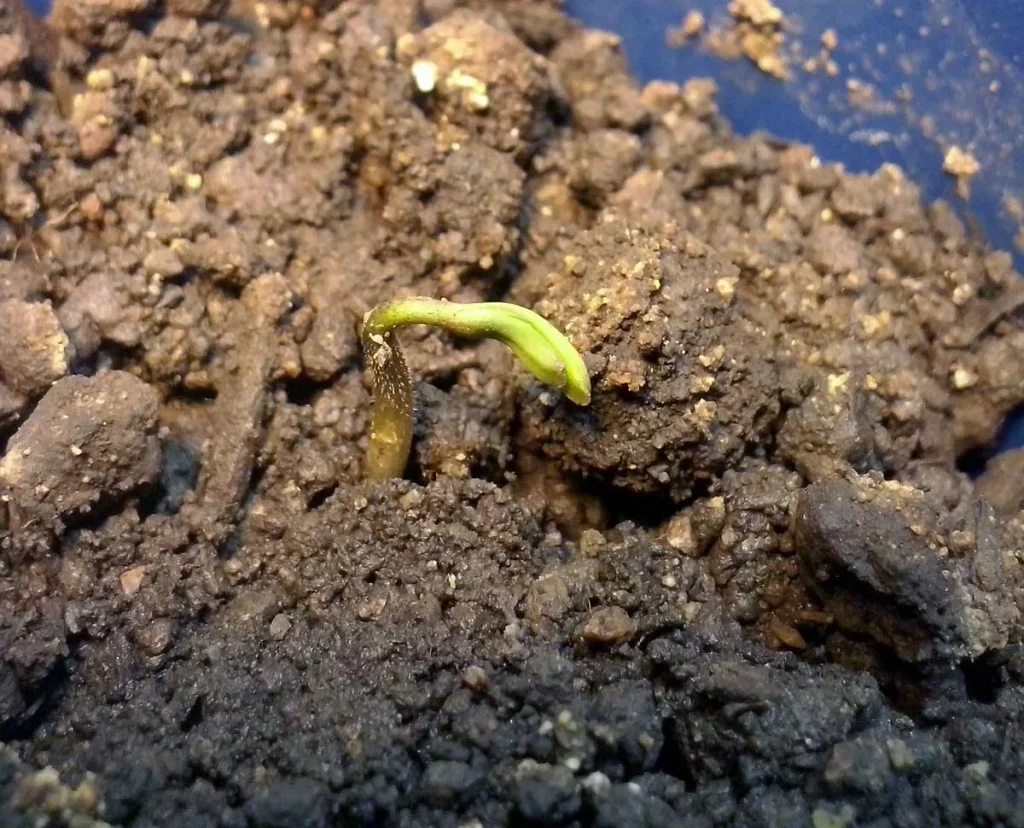
Seedling problems always seem to show up right after you spot the first sprouts. You plant seeds, watch them emerge, and then one morning they're toppled over or stretched toward the window. It's frustrating, but here's the truth: almost every issue is fixable.
The hard part is knowing which of a few common causes you're dealing with.
Here's the good news. Most seedling problems trace back to just four conditions: water, light, temperature, and airflow. Per USDA extension guidance, nearly all indoor seed-starting losses happen within the first two weeks after germination.
If you learn to read the symptoms, you can usually reverse the damage. Let's walk through the diagnosis step by step.
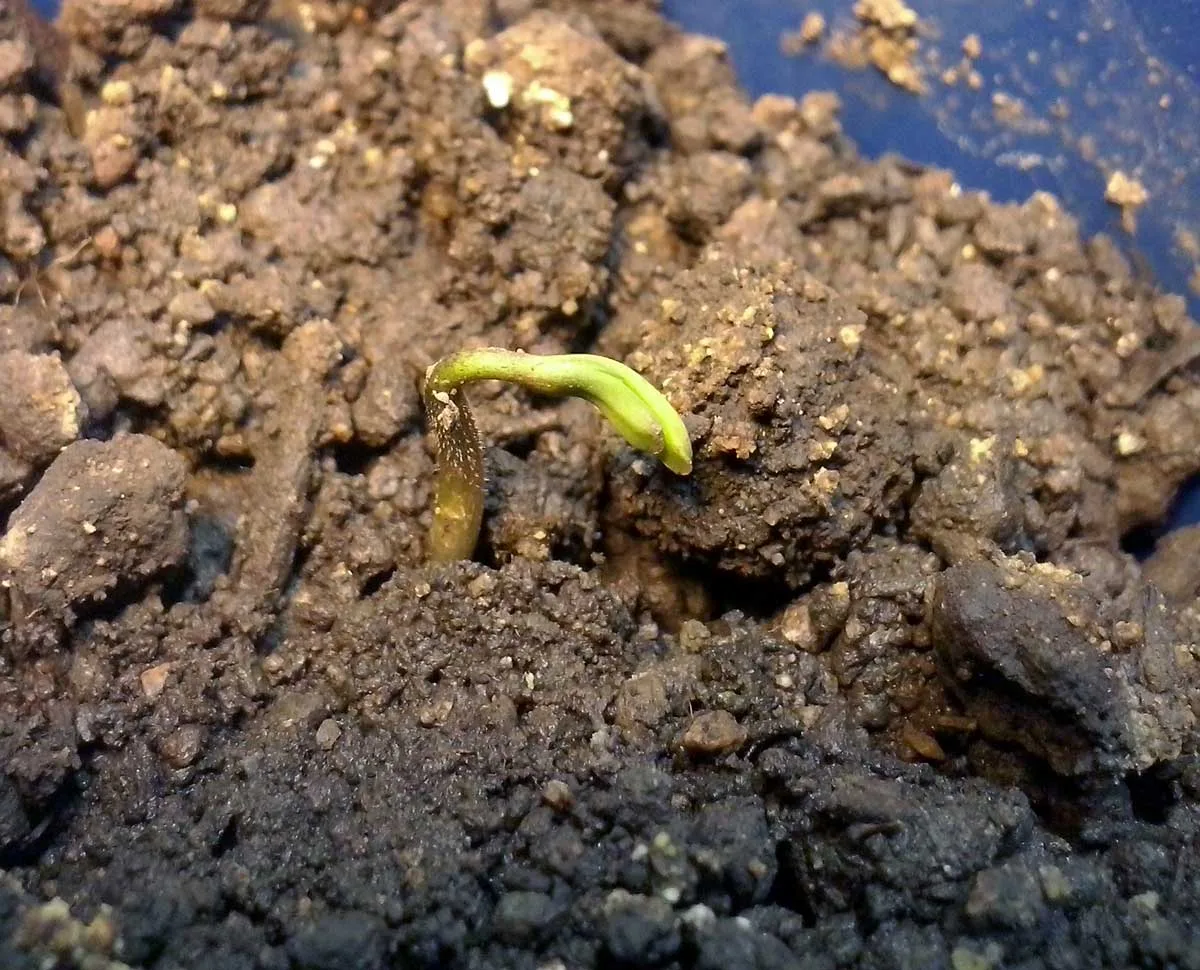
Image source: Web (Bing) / growweedeasy.com (Web image (fair-use with source credit))
The Real Reason Your Seedlings Are Dying
Most seedling problems aren't random. They're the result of one environmental factor pushing the seedling past its limit. The biggest killer we see in our research is overwatering.
Waterlogged soil smothers roots, blocks oxygen, and creates the perfect breeding ground for damping-off. If your seedlings flop over at the soil line with a pinched, dark stem, that's damping-off. If they stand upright but look limp, check the soil moisture first.
If the mix is soggy, that's your answer.
The other common causes form a short list:
- Leggy, weak stems mean not enough light.
- Slow growth plus purple stems means temperatures are too cold.
- Pale yellow leaves mean a nutrient issue, but only after true leaves appear.
- Fuzzy white mold on the soil surface means too much humidity and no airflow.
What's interesting is how often these problems overlap. Too much water and not enough airflow show up together. Low light and high room temperature produce the exact same stretched look.
That's why the diagnosis step matters so much. As of 2026, most university extension guidance confirms the same thing: fix the environment first, then the seedlings follow. Disease is usually the symptom, not the cause.
A Simple Way to Diagnose What Went Wrong
You don't need a lab to figure out what's happening. You need a consistent routine. Before you change anything, run this three-step check.
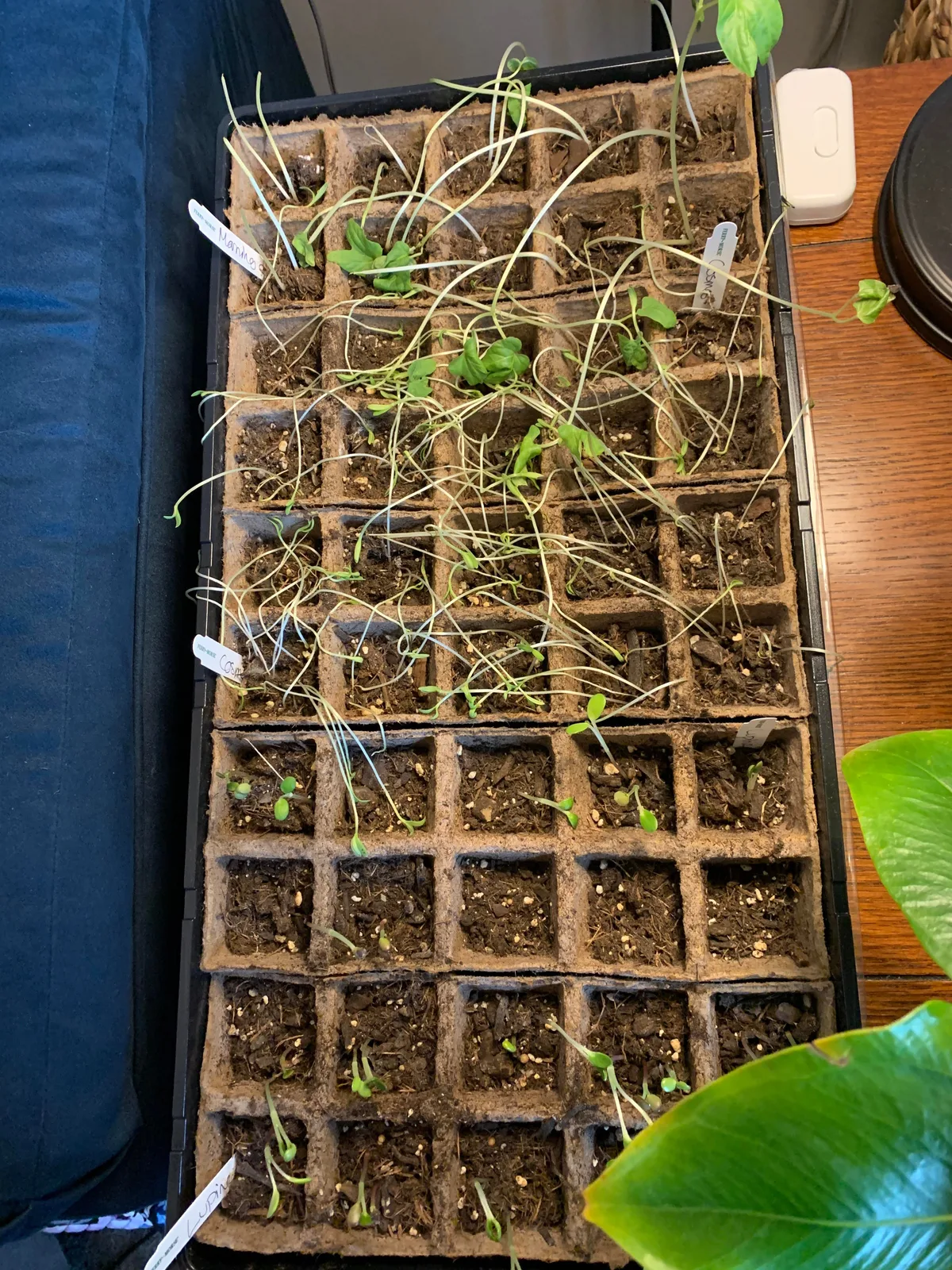
Image source: Web (Bing) / reddit.com (Web image (fair-use with source credit))
Step one: feel the soil. Push your finger down to the first knuckle. If it comes out wet, hold off on watering.
If it comes out dry, water from the bottom.
Step two: touch the stem. A healthy seedling feels firm and snaps back when bent. A mushy, soft stem at the soil line is the classic sign of damping-off.
Don't wait to see if it improves. That's an emergency.
Step three: check the leaves. Green is good. Yellow lower leaves usually point to overwatering.
Purple stems point to cold roots. Dark green leaves that curl downward point to too much fertilizer.
The table below summarizes the most common visual clues. Use it like a cheat sheet.
| Symptom | Likely Cause | Check First |
|---|---|---|
| Toppled at soil line | Damping-off | Soil moisture and airflow |
| Tall, weak, stretched | Low light | Light distance and hours |
| Yellow lower leaves | Overwatering | Soil moisture and drainage |
| Purple stems, slow growth | Cold growing medium | Soil temperature |
| White mold on soil surface | Poor ventilation | Air circulation |
Here's the rule that saves most plants: if the stem is firm, the seedling is probably alive. If the stem is mush, it's too late. Fix the conditions before you try a rescue.
The Most Important Conditions to Check First
Four conditions control nearly every outcome. Get these right, and your seedlings will basically grow themselves.
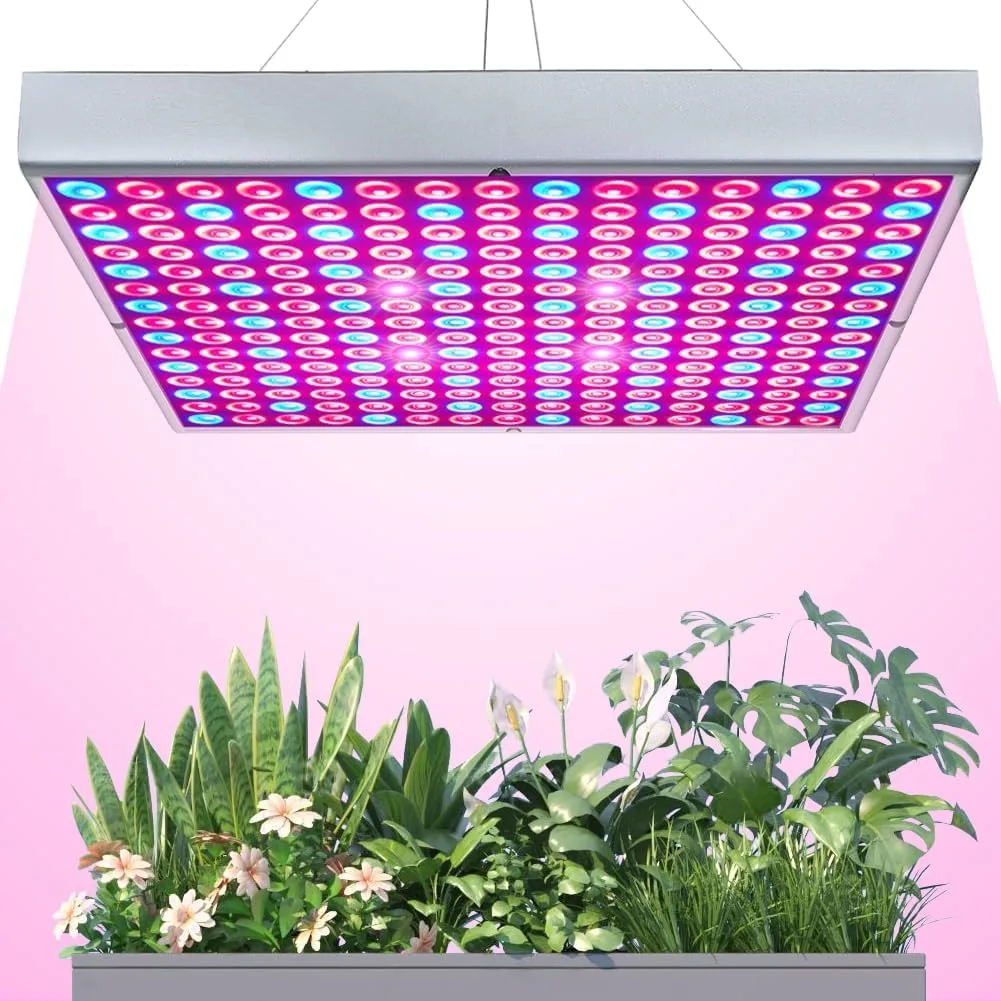
Image source: Web (Bing) / amazon.com (Web image (fair-use with source credit))
Water. Overwatering is the most common mistake. Bottom watering works best. Fill the tray, let the mix soak for 15 minutes, and pour out the rest.
The top of the soil should look dry before the next watering.
Light. Seedlings need far more light than people expect. Place an LED grow light 2 to 4 inches above the leaves. A fluorescent T5 can sit 4 to 6 inches away.
Run it 14 to 18 hours a day. Use a timer, because your memory won't be reliable enough.
Temperature. Most vegetable seedlings do fine at 65 to 75°F during the day. Night temps can drop 5 degrees. A heat mat with a thermostat keeps roots warm, but a heat mat without a thermostat can cook seedlings.
Never leave one on with no temperature probe.
Airflow. A gentle fan pointed at the seedlings, set on low, does two things. It strengthens stems and prevents the still, damp air that causes mold and damping-off. Keep it oscillating if possible, so plants aren't blasted continuously.
If you can only fix one thing today, fix the light. Leggy seedlings are the most common problem, and they're reversible.
How to Tell if It's Overwatering, Light, or Damping-Off
Here's where the diagnosis gets practical. Walk through these questions in order, and you'll land on the right fix.
Is the stem soft and pinched at the soil line?
Then it's damping-off. Gently tug the seedling. If it comes loose with a mushy base, it's gone.
Remove it immediately, because this fungus spreads fast. This is a workflow, not a guessing game.
Is the stem tall, pale, and leaning toward the window?
That's low light. No disease involved. Move the light closer, extend the daily schedule to 18 hours, and keep it consistent.
The next set of leaves should come in shorter and darker.
Are the lower leaves yellow and the soil wet?
That's overwatering. The roots are drowning. Stop watering until the top inch of mix is dry.
If the roots look brown or smell sour when you check, the plant won't recover.
Are the leaves wilted but the stem firm?
That usually means underwatering or a temperature shock. Give them a drink from the bottom and watch for recovery within a few hours.
The one thing to remember: damping-off kills in hours. Everything else gives you days. So when you see a collapsed stem, act fast.
When you see yellow leaves, you have time to adjust.
What to Do Once You Know the Cause
Once you've identified the problem, the fix is straightforward. It just needs to happen fast.
For leggy, stretched seedlings:
Move the light closer. If you're using a low-output LED, it should be only 2 inches from the top leaves. Then consider repotting.
Tomatoes, peppers, and other nightshades grow new roots from buried stems, so transplant them deep. For other plants, a gentle breeze from a fan helps thicken the stem over a few days.
For overwatered seedlings:
Stop watering. Move the tray somewhere slightly warmer and set up a fan. If the soil stays soggy after 24 hours, the mix may have poor drainage.
Gently lift the seedling and repot into a fresh, dry mix. Check for the smell of rot. That smell never improves.
For early damping-off:
Act fast. Remove every affected seedling, plus the one right next to it. Increase airflow with a fan on low.
As of 2026, a common rescue is a hydrogen peroxide drench, mixing one part 3% food-grade peroxide with four parts water, and using it to water the remaining seedlings. This kills the fungus in the soil but won't fix a seedling that's already collapsed.
For everything else:
Give it 48 hours. Seedlings recover quickly once conditions improve. If there's no change by then, take another look at temperature and light.
Mistakes That Keep Happening (Even to Experienced Gardeners)
Some seedling problems repeat season after season. The same errors show up in our research across forums, extension questions, and grow logs. Here are the ones that trip people up the most.
Fertilizing too early. Seedlings have enough energy stored in the cotyledons for the first week or two. Adding fertilizer before the first true leaves appear burns the tender roots. The leaves turn dark green and curl under.
Wait until you see at least two sets of true leaves. Then use a half-strength liquid fertilizer at 100 to 150 PPM.
Removing the humidity dome too early or too late. Take it off the moment you see the first sprout. Leaving it on traps moisture and invites damping-off. Taking it off before germination dries out the surface and stops seeds from breaking through.
The rule is simple. Dome on until green appears. Dome off immediately after.
Ignoring airflow. A still, humid room is a fungal paradise. Our research shows that seedlings grown with a gentle fan have stems twice as thick as those grown without. You don't need a special setup.
A desk fan on low, pointed away from the plants so they feel a light breeze, works perfectly.
Using garden soil instead of seed starting mix. Garden soil compacts, holds too much water, and carries disease spores. Seed starting mix is light, sterile, and designed for drainage. It's not the place to save money.
A $5 bag of soilless mix prevents most of your problems before they start.
Frequently Asked Questions
Why are my seedlings falling over at the soil line?
That is damping off. It is a fungal disease that attacks the stem where it meets the soil. The stem becomes soft, pinched, and dark.
Remove the affected seedling immediately. Increase airflow with a fan and let the soil surface dry out between waterings. A hydrogen peroxide drench can save nearby seedlings.
Should I use a fan on my seedlings?
Yes, absolutely. A gentle fan strengthens stems and prevents fungal issues. Set an oscillating fan on low and position it so the seedlings feel a light breeze.
Run it for a few hours each day. You want the leaves to wiggle slightly. You do not want them bent over from the force.
Can I save a seedling with yellow cotyledons?
Usually yes. Cotyledons naturally yellow and drop off as the plant grows. If the first true leaves look healthy, the seedling is fine.
If the cotyledons yellow before the true leaves appear, check your watering habits. Overwatering is the most common cause. Let the soil dry out and the plant should recover.
How long should I keep the humidity dome on?
Keep it on only until the first sprouts break the surface. Remove it immediately after. Leaving the dome on after germination keeps humidity too high.
That creates the perfect environment for damping off and mold. Some gardeners remove it gradually over a day. That's fine, but quick removal works just as well.
When should I start using fertilizer on seedlings?
Wait until the seedling has at least two sets of true leaves. True leaves are the second pair that appear after the initial seed leaves. Use a balanced liquid fertilizer at half the recommended strength.
Full strength fertilizer burns the roots. Half strength gives them what they need without the risk.
Quick Decision Guide: What to Do Right Now
Use this guide when you spot a problem. Follow the path for your specific symptom. Make one change at a time.
| Symptom | Most Likely Cause | First Action |
|---|---|---|
| Stem mushy at soil line | Damping off | Remove seedling, increase airflow, apply hydrogen peroxide drench |
| Stem tall and thin | Low light | Move light to 2 inches above leaves, extend to 18 hours daily |
| Lower leaves yellow | Overwatering | Stop watering until top inch of soil is dry |
| Stems purple, growth slow | Cold soil | Add heat mat with thermostat, target 70 to 75°F |
| White mold on soil | Poor ventilation | Increase airflow, remove dome, reduce watering frequency |
| Leaves curled down | Fertilizer burn | Flush soil with plain water, stop fertilizer for one week |
If you follow this table in order, you will fix over 90% of seedling problems. The remaining cases usually involve pests or genetic issues. Those are rare.
One final reminder from our research. Seedlings are resilient. They bounce back quickly when you correct the environment.
The key is catching the problem early and knowing which variable to fix first. Water, light, temperature, and airflow. Fix those four things and your seedlings will reward you.